

Apple has released iOS 27 and iPadOS 27, delivering a major Siri overhaul, expanded Apple Intelligence features and another round of changes to the Liquid Glass interface. The updates are available as free downloads for compatible iPhones and iPads through Settings > General > Software Update.
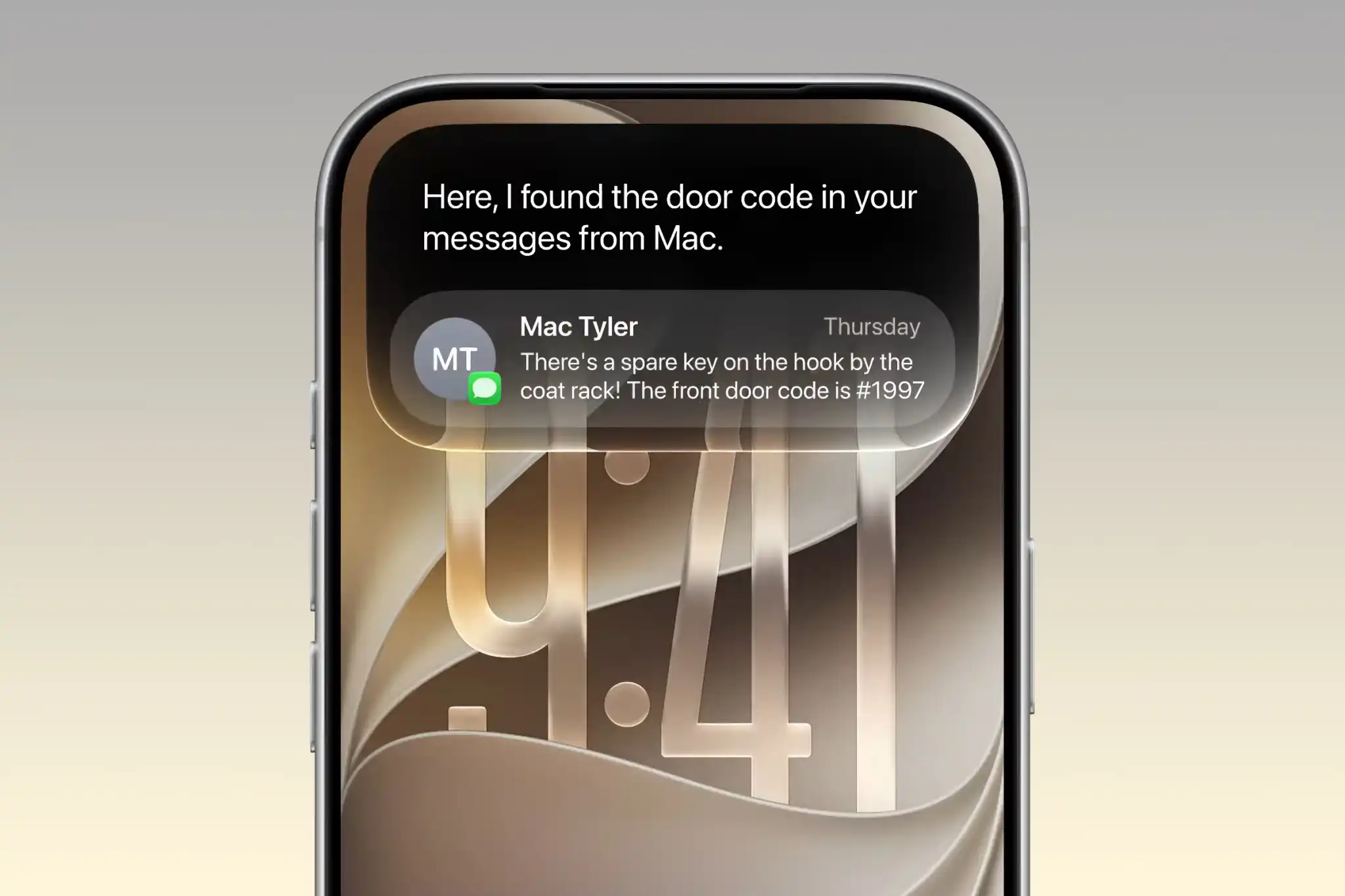
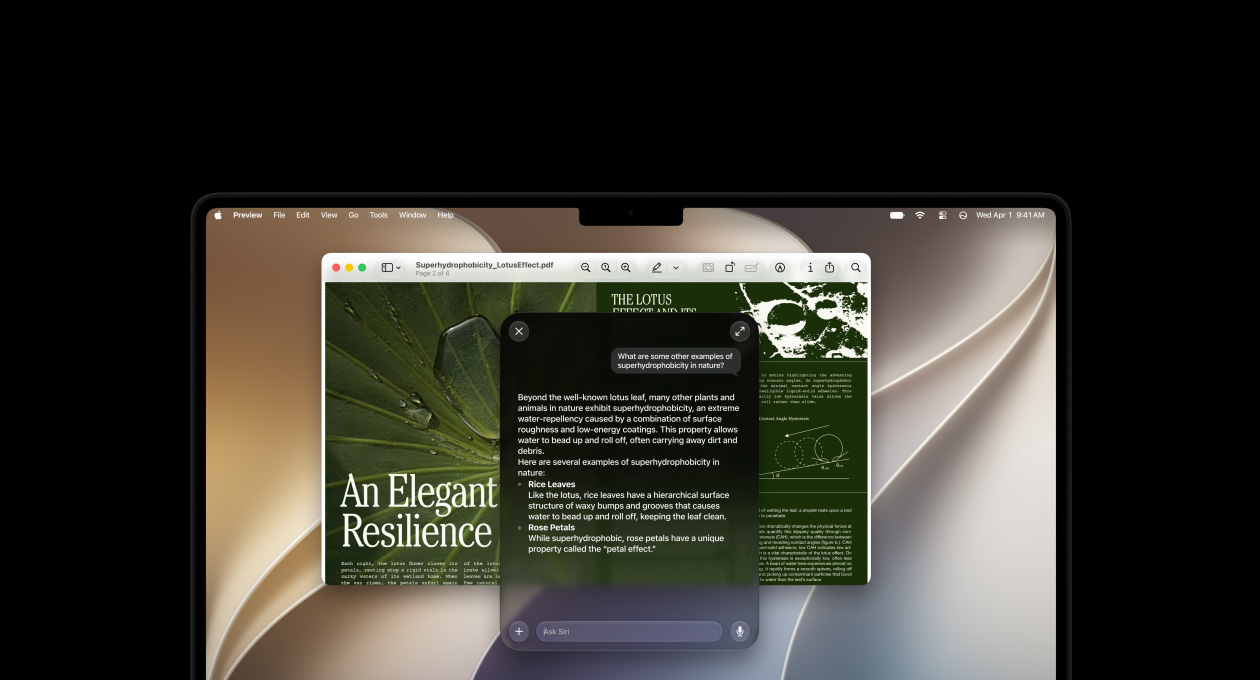
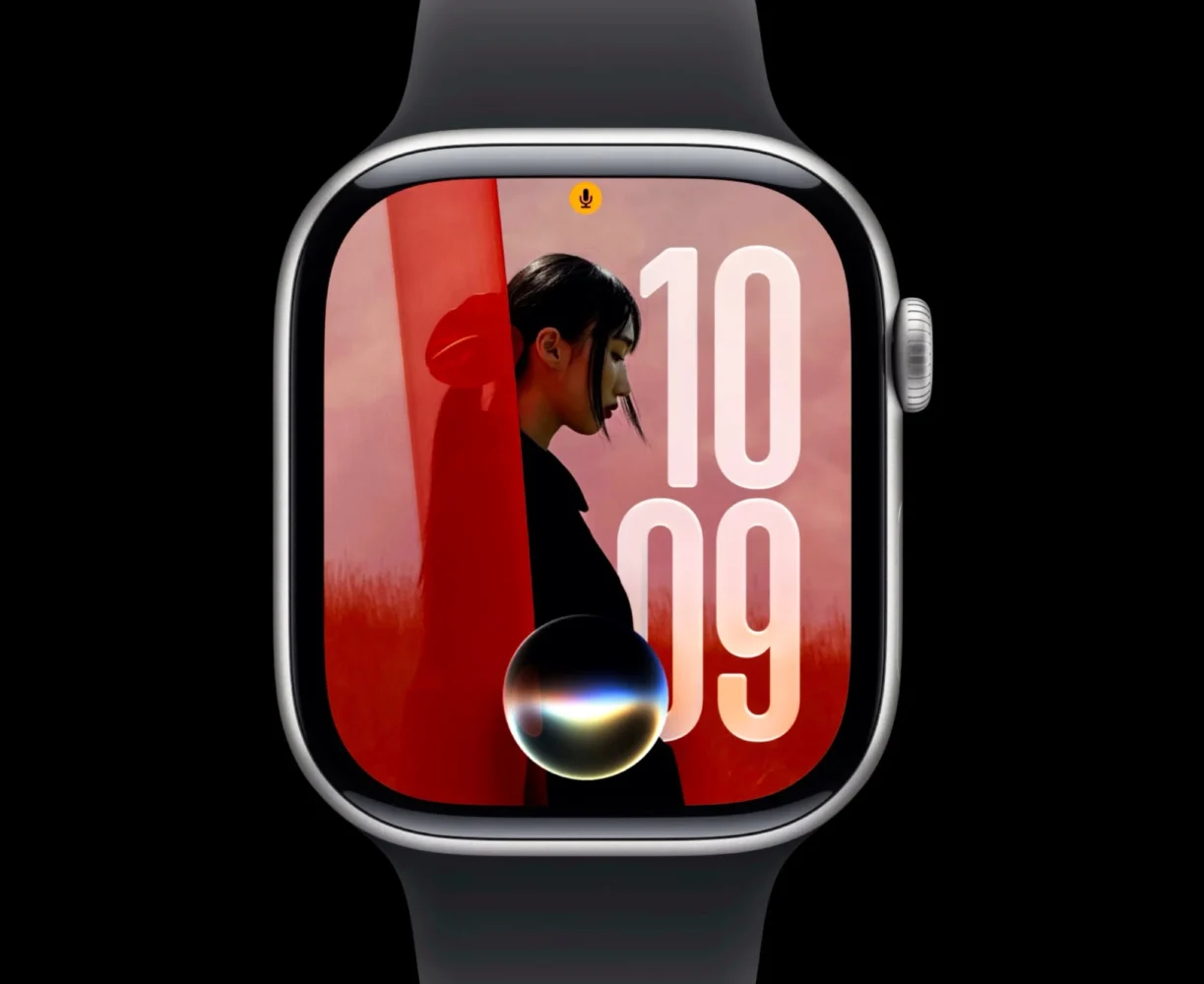
Siri AI is easily the headline addition. Apple is turning Siri into a more conversational assistant capable of using personal context, understanding what’s happening onscreen, performing actions within apps and accessing broader general knowledge. There’s also a dedicated Siri app that lets users return to previous conversations, with chats privately synchronised between Apple devices through iCloud.
Apple is pushing Siri deeper into everyday iPhone use rather than keeping it confined to voice commands. Siri mode in Camera incorporates Visual Intelligence, allowing users to ask questions about objects in front of them or perform actions such as looking up nutritional information. Write with Siri can generate, edit and critique text across the system, while Messages and Mail can adapt writing based on how users communicate with particular contacts.
The catch is hardware support. While iOS 27 itself runs on every iPhone capable of running iOS 26, including the iPhone SE 2 and iPhone 11 series onwards, the new Apple Intelligence capabilities require newer hardware. Supported phones include the iPhone 15 Pro and Pro Max and Apple’s iPhone 16, 17 and 18 families. Compatible iPads need an M-series processor or A17 Pro.
Apple Intelligence also spreads into Photos, where Spatial Reframing can alter image composition after capture and an Extend tool generates content beyond a photo’s original boundaries. Clean Up has also been improved to tackle larger unwanted objects.
Safari receives some unusually ambitious additions. Organize by Topic can automatically group related tabs, while Notify Me can periodically monitor webpages for changes such as pricing and product availability. Users can even describe a browser extension in natural language to create customised changes to how webpages appear.
Elsewhere, natural-language commands can build Shortcuts and Calendar events, while the Home app gains AI-generated activity summaries and searchable HomeKit Secure Video footage for eligible iCloud+ subscribers. Accessibility improvements include more contextual VoiceOver image descriptions, conversational visual assistance in Magnifier and more flexible Voice Control commands.
Apple hasn’t abandoned the controversial visual direction introduced with Liquid Glass either. iOS 27 refines the interface for improved readability and adds a slider that lets users adjust its appearance between clearer and more heavily tinted styles.
There are smaller practical improvements too, including better system search, faster app launches and AirDrop transfers, Connectivity Assist for smoother switching between Wi-Fi and cellular networks, custom AirPods EQ and separate volume controls for alarms and timers.
iOS 27 therefore looks less like another cosmetic annual update and more like Apple’s attempt to make its delayed AI strategy useful across the operating system. The real test isn’t how many features carry the Apple Intelligence label, but whether the new Siri can finally become an assistant people choose to use rather than one they tolerate.