

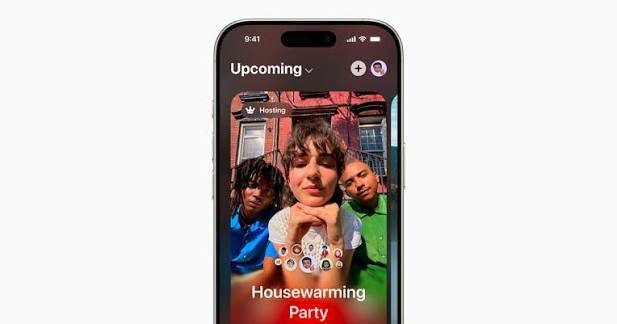
Apple has issued another update to its Invites app, introducing emoji reactions for replies and a confetti animation that triggers when guests respond to digital events. The changes mark the second refinement this summer for the event planning tool, which remains tied to iCloud+ for hosts while allowing broader participation for attendees.
Invites functions as a streamlined digital invitation service available on iPhone and iPad. Hosts need an iCloud+ subscription to create events, but guests can respond without owning an iPhone or maintaining a paid account. This accessibility helps widen reach beyond Apple’s core user base. The latest additions let both hosts and guests apply emoji to individual replies, injecting a layer of casual feedback as RSVPs accumulate. The confetti effect aims to add a touch of visual flair to each confirmation, turning routine responses into small moments of acknowledgment.
These features build on June’s release, which introduced cohosting options, public guest lists, and fresh background designs. Earlier, the app gained an iMessage integration, placing invitations directly into ongoing conversations. Together, the updates reflect incremental efforts to make digital event coordination feel more social and responsive, echoing features long present in third-party services like Evite or Paperless Post that have handled similar ground for years.
From a practical standpoint, emoji reactions offer a lightweight way to gauge enthusiasm without additional messages, potentially reducing inbox clutter for organizers. The confetti animation, while pleasant, risks feeling decorative rather than essential, especially for users managing larger or more formal gatherings where substance matters more than spectacle. Apple’s approach here continues a pattern of polishing its native apps with ecosystem flourishes, yet it also highlights ongoing reliance on iCloud+ for creation privileges. This subscription gatekeeping can limit appeal for occasional users who prefer one-off tools without recurring commitments.
The evolution of digital invitations traces back to early web-based platforms that digitized paper cards for weddings, parties, and corporate events. Over time, these shifted toward richer interactions—polls, maps, and real-time updates—but often struggled with notification fatigue and fragmented experiences across devices. Apple Invites attempts to consolidate some of that within its closed environment, leveraging iMessage and iCloud for smoother syncing. Still, the app faces competition from cross-platform alternatives that do not tie core functions to specific subscriptions or hardware preferences.
For small-scale events, the refinements may enhance engagement by making the process feel more immediate and communal. Larger or professional organizers might appreciate the cohosting and public list tools from prior updates, though the overall utility depends on how well the app handles details like calendar integration, reminders, and guest management beyond surface-level reactions. Past Apple forays into social and productivity features have sometimes gained traction through tight system integration but faced criticism for lacking flexibility outside the walled garden.
As event planning continues blending physical and digital elements post-pandemic, tools like Invites illustrate the push toward frictionless coordination. Whether the latest emoji and animation touches deliver lasting value or simply add temporary delight will vary by user needs and preferences. The app’s steady iteration suggests Apple sees room for growth in this space, yet success ultimately hinges on balancing polish with genuine productivity gains that extend beyond its loyal base.