
TL;DR: Forsaken Kingdom successfully drags Warcraft 3 back into the spotlight with a strong new campaign, deeper RPG systems and meaningful multiplayer additions. More traditional RTS missions and wider Definitive Edition support would have made the comeback even better.
Warcraft 3 getting a brand-new single-player campaign in 2026 feels like someone at Blizzard accidentally opened a drawer marked “things RTS fans have been begging for” and decided to actually use it. More than two decades after The Frozen Throne, Forsaken Kingdom returns to one of Warcraft’s most beloved eras with a new story, new hero, deeper RPG systems and yet another attempt at getting Warcraft 3: Reforged’s visuals right.
The surprising part is that it works.
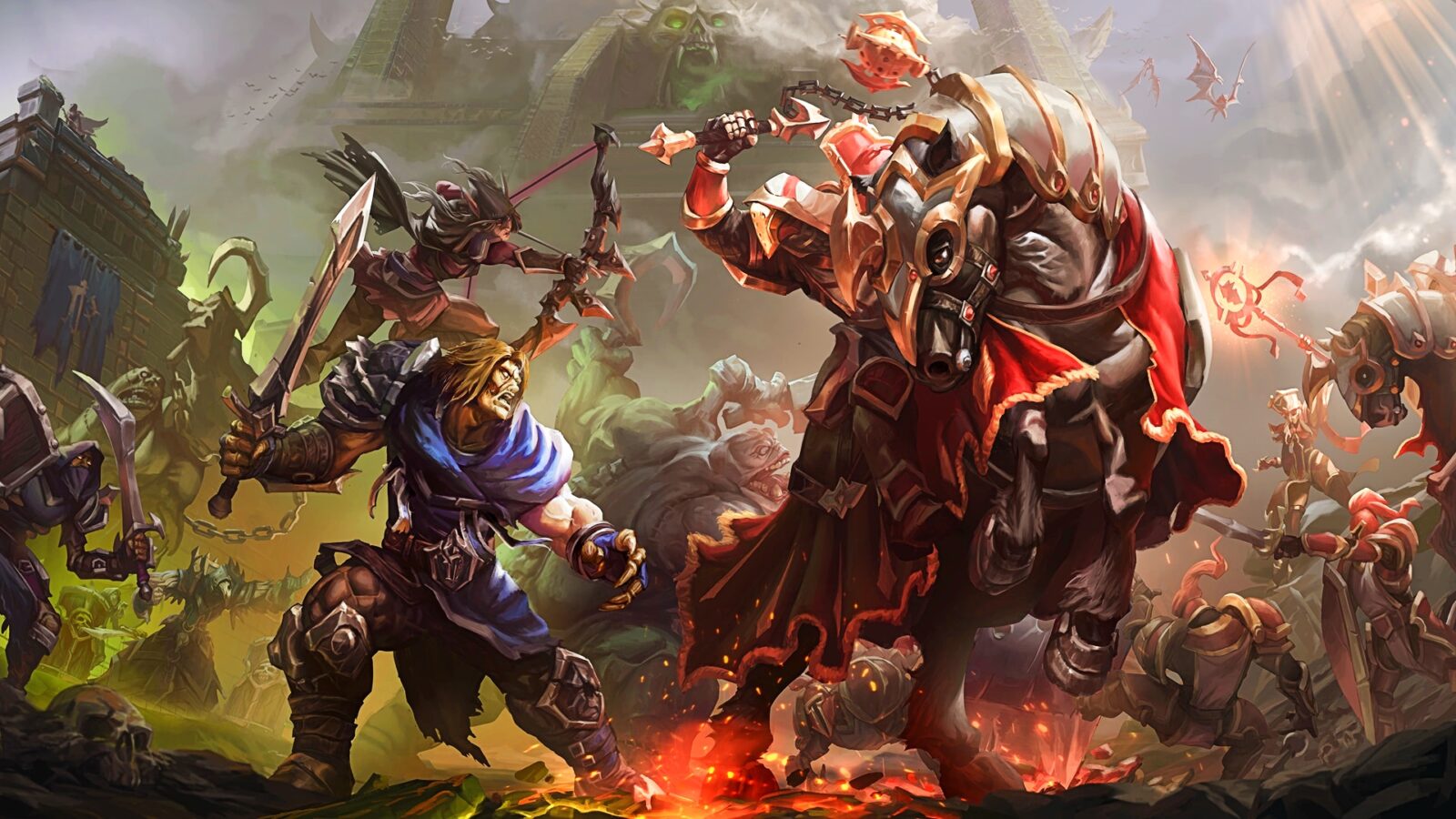
Forsaken Kingdom doesn’t suddenly erase Reforged’s complicated history, nor does it completely return Warcraft 3 to its RTS roots. In fact, much of the campaign leans far more heavily into action-RPG territory than traditional base-building. But there’s enough classic Warcraft DNA here — gloomy kingdoms, undead armies, memorable heroes and wonderfully dramatic fantasy nonsense — to make Azeroth feel familiar again.
Lordaeron is a very good place to start
The story begins with the four-mission Last Days of Lordaeron prologue, taking us back to one of the most important periods in Warcraft history: Arthas returning from Northrend and murdering his father.
Instead of retelling events through familiar faces, Forsaken Kingdom introduces Garek Bandarion, a guard lieutenant desperately trying to protect what remains of Lordaeron. His journey takes him through places including Andorhal and the ruined Stratholme while the Scourge tears the kingdom apart. Baron Rivendare also enters the picture, tying the new storyline neatly into established Warcraft history.
It’s a smart setup because Garek gives Blizzard room to explore events we already know without simply replaying them. We understand where this disaster is heading, but experiencing it from another perspective gives the period some fresh energy.
More importantly, the prologue remembers something crucial: Warcraft 3 is supposed to be an RTS.
The Siege of Andorhal plays with the familiar formula by introducing capturable towers that periodically generate allied units, creating an almost MOBA-like push across the battlefield. Other objectives affect which units become available rather than simply asking you to construct the corresponding building. These aren’t revolutionary ideas in 2026, but within Warcraft 3 they make the old framework feel surprisingly flexible.
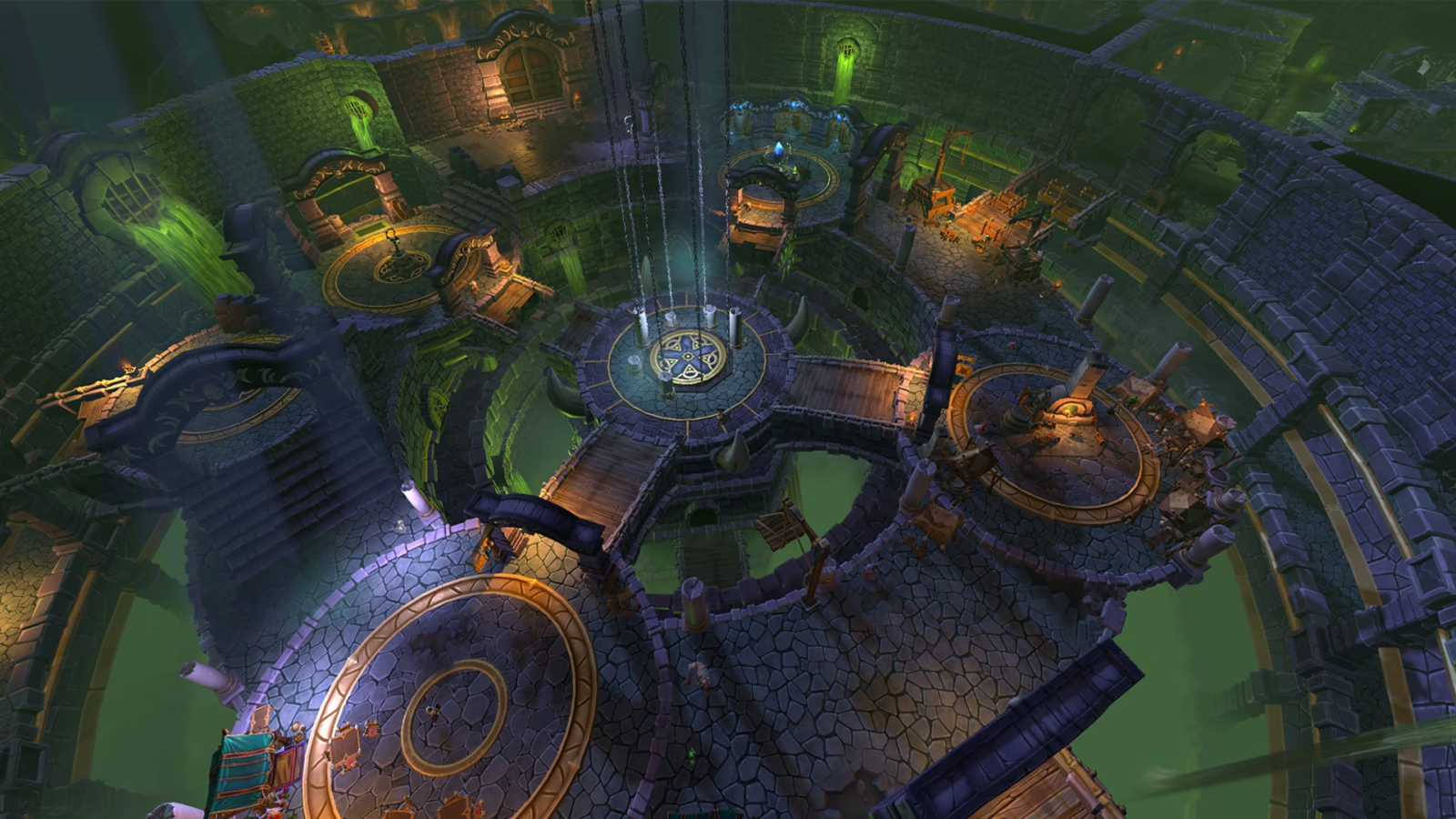
Stratholme takes another approach entirely. Instead of a conventional battlefield, it becomes closer to a dungeon, splitting control between Garek’s group and another led by elven priest Ilastar Songbreeze. Progress with one party can open opportunities for the other before the two eventually reunite.
This is Forsaken Kingdom at its strongest: Warcraft 3’s established systems being pushed in directions that still feel appropriate for Warcraft 3.
Then Warcraft 3 starts becoming an RPG
Following the prologue, the campaign shifts considerably.
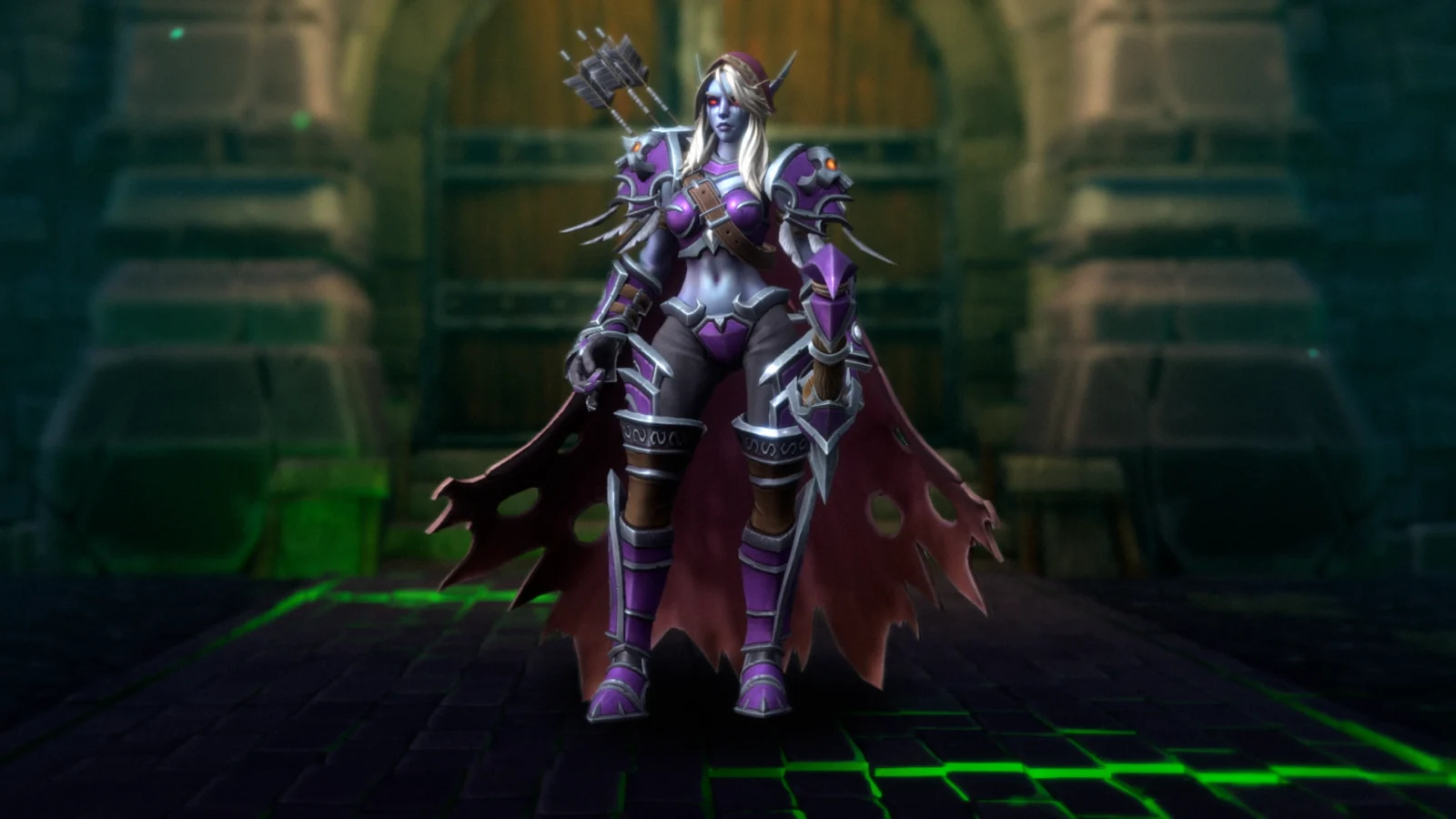
Garek eventually becomes one of the free-willed Forsaken and serves Sylvanas alongside Dark Ranger Anya. The campaign then opens into a more quest-driven adventure centred around establishing the Forsaken within the Undercity. Anyone familiar with Warcraft 3’s Founding of Durotar campaign will immediately understand the general philosophy.
Across three chapters, Garek and Anya explore the Undercity and surrounding areas while completing quests and developing into increasingly powerful heroes. The level cap reaches 20, while a new equipment system lets characters equip gear into dedicated slots, bringing the experience noticeably closer to World of Warcraft or Diablo.
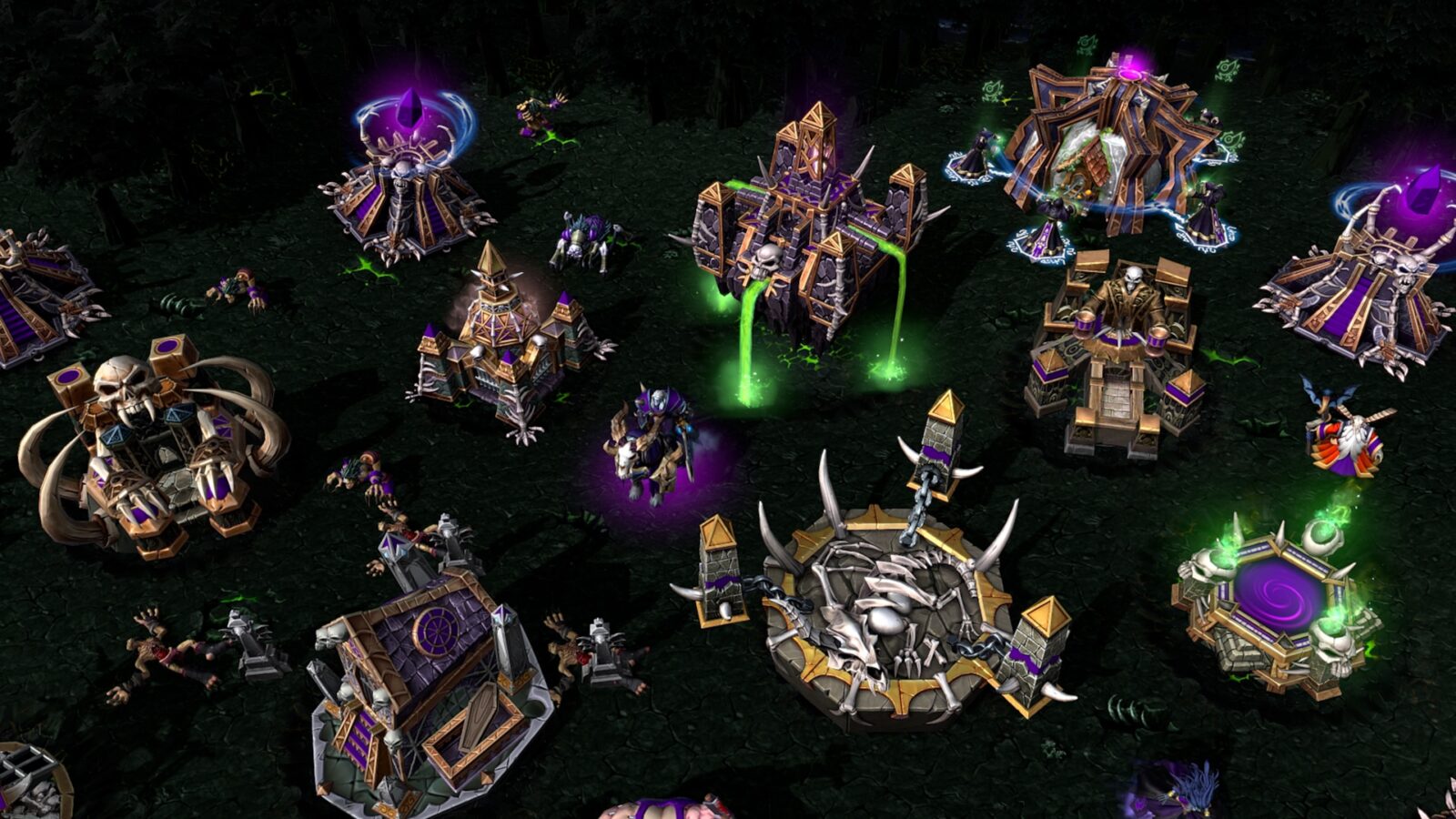
As an RPG experiment inside Warcraft 3, there’s plenty to like. Character progression gives exploration and rewards more meaning, and improving your heroes creates a stronger sense of ownership than simply marching another disposable army across the map.
The problem is what gets sacrificed.
After the prologue, traditional RTS mechanics become considerably less important. Regular troops can be purchased from mercenary camps, but doing so competes directly with spending that same currency on permanent equipment. Heroes can also respawn freely at altars outside certain scripted sequences. Put those systems together and the incentive to carefully build and maintain an army becomes weaker than it should be.
That creates a strange identity crisis. Forsaken Kingdom proves early on that Warcraft 3’s RTS formula can still support inventive mission design, then spends much of its remaining campaign moving away from it.
The RPG mechanics themselves aren’t the problem. I actually think Warcraft 3 is unusually well suited to this sort of hybrid design because heroes, items and leveling have always been fundamental to its identity. I just wish Forsaken Kingdom had found a better balance between commanding armies and developing Garek and Anya.
The story understands the Warcraft 3 era
Forsaken Kingdom also benefits enormously from its setting.
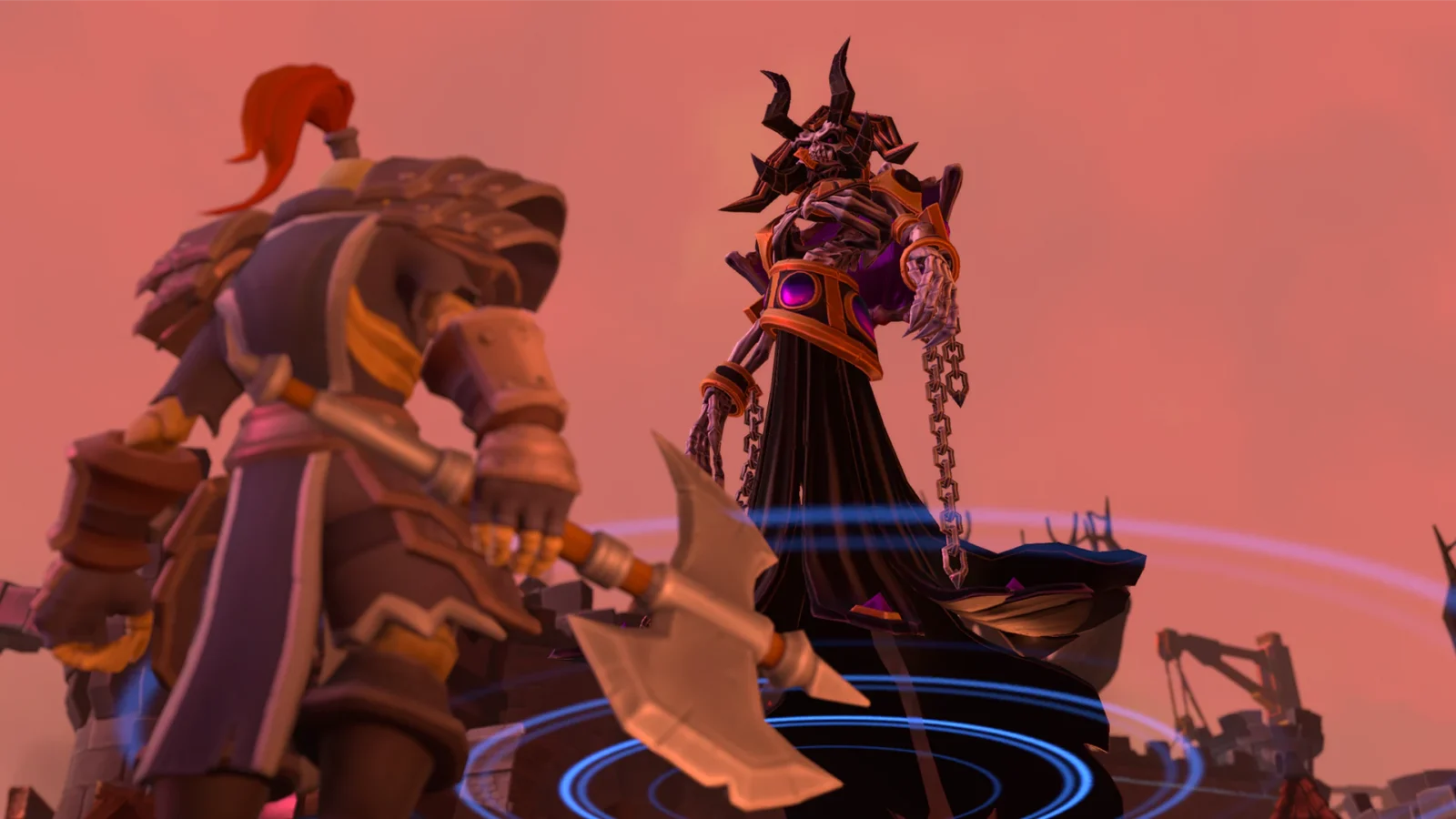
The campaign explores the early days of the Forsaken and provides another perspective on events including the emergence of the Scarlet Crusade. Garek’s development into the first Forsaken paladin gives the story its emotional backbone, while Sylvanas and the Undercity naturally connect the new material with established Warcraft history.
What works particularly well is the tone. This isn’t trying to make Warcraft something it never was. The material sits comfortably within the darker atmosphere associated with Warcraft 3’s undead storylines, where ruined kingdoms and morally complicated characters were allowed to be genuinely grim.
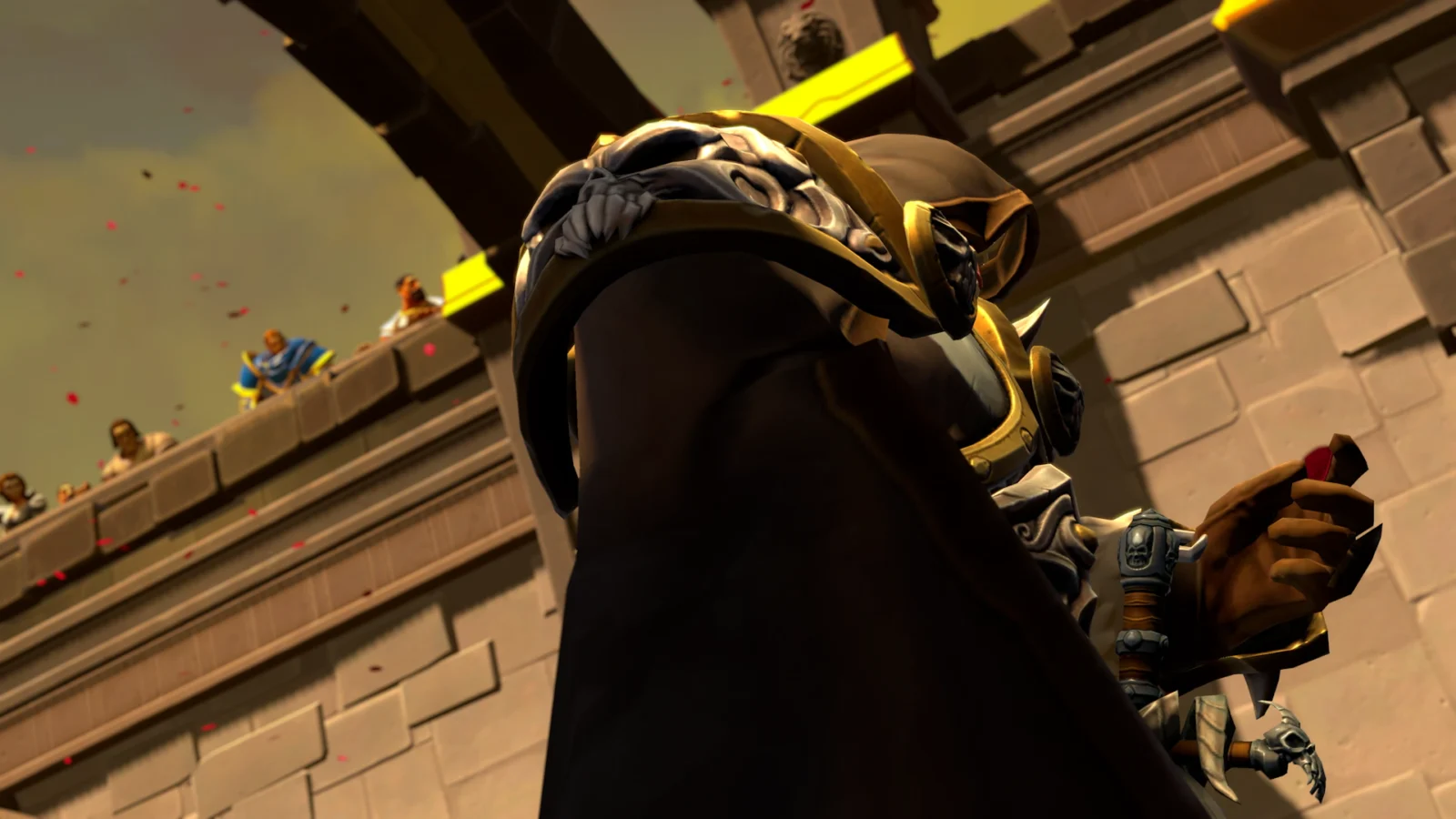
It also makes Forsaken Kingdom interesting beyond simple nostalgia. Blizzard isn’t merely dropping another campaign into an old RTS; it’s filling in a piece of Warcraft history that has enough narrative space to support something new.
That’s exactly the sort of expansion Warcraft 3 should be receiving.
Definitive Edition finally understands Warcraft 3’s visuals
Then there’s Definitive Edition, the third graphical option now available in Warcraft 3.
And this might be one of the most interesting parts of the entire update.
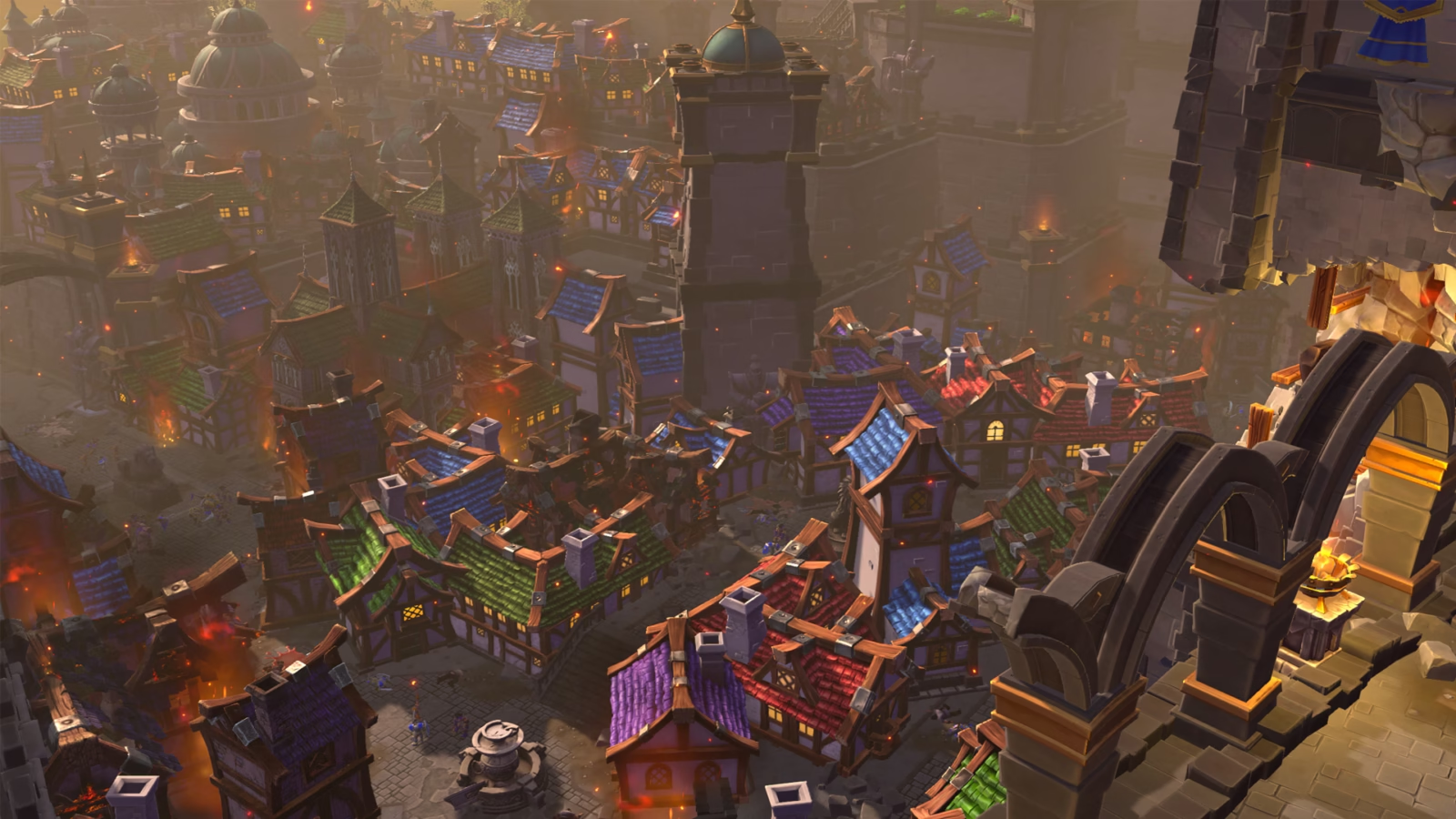
Viewed closely during cinematics, the new assets can look surprisingly rough. Some textures appear flat and unfinished, and visible pixelation can appear around details such as armour. If you judge the new style by zooming directly into character models, it isn’t always flattering.
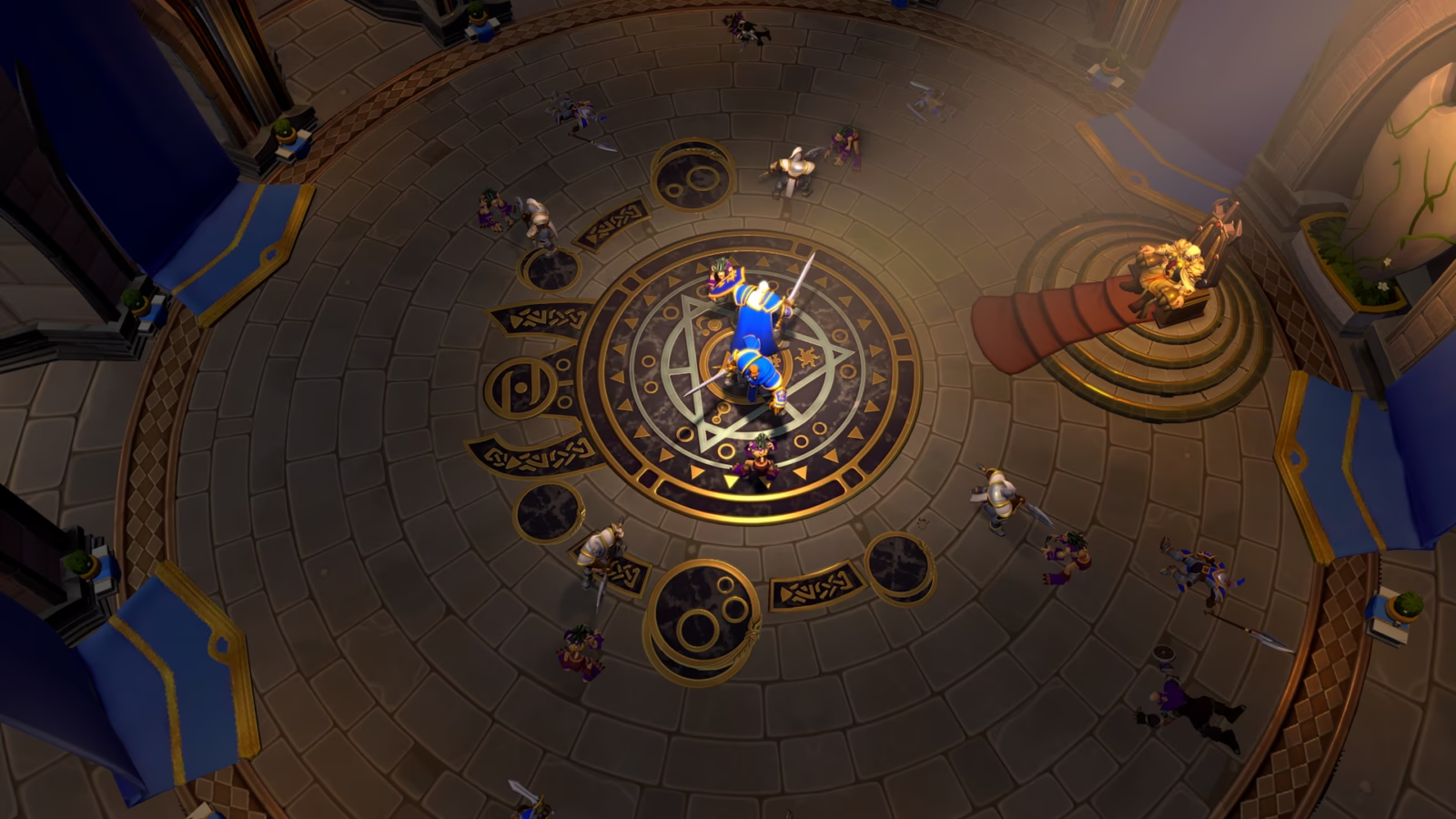
But Warcraft 3 was never designed to be admired with the camera sitting three inches from an orc’s nose.
Once the perspective pulls back into normal RTS gameplay, the approach makes considerably more sense. Units and buildings retain the strong silhouettes and readability associated with Warcraft 3’s original presentation while gaining additional detail. It aims less for visual reinvention and more for recreating how the original Warcraft 3 looks in your memory.
That feels like a much better philosophy for Warcraft 3.
Unfortunately, Blizzard has made the availability of these visual modes unnecessarily inconsistent. Forsaken Kingdom requires Definitive Edition graphics, while multiplayer and skirmish modes allow Classic, Reforged or Definitivevisuals. Yet the original Reign of Chaos and The Frozen Throne campaigns remain limited to Classic and Reforged.
So Blizzard has finally produced a graphical direction that arguably fits Warcraft 3 better, and you can’t use it across the complete Warcraft 3 campaign collection.
Peak Blizzard.
The Forsaken Paladin shakes up multiplayer
Forsaken Kingdom isn’t exclusively about single-player content.
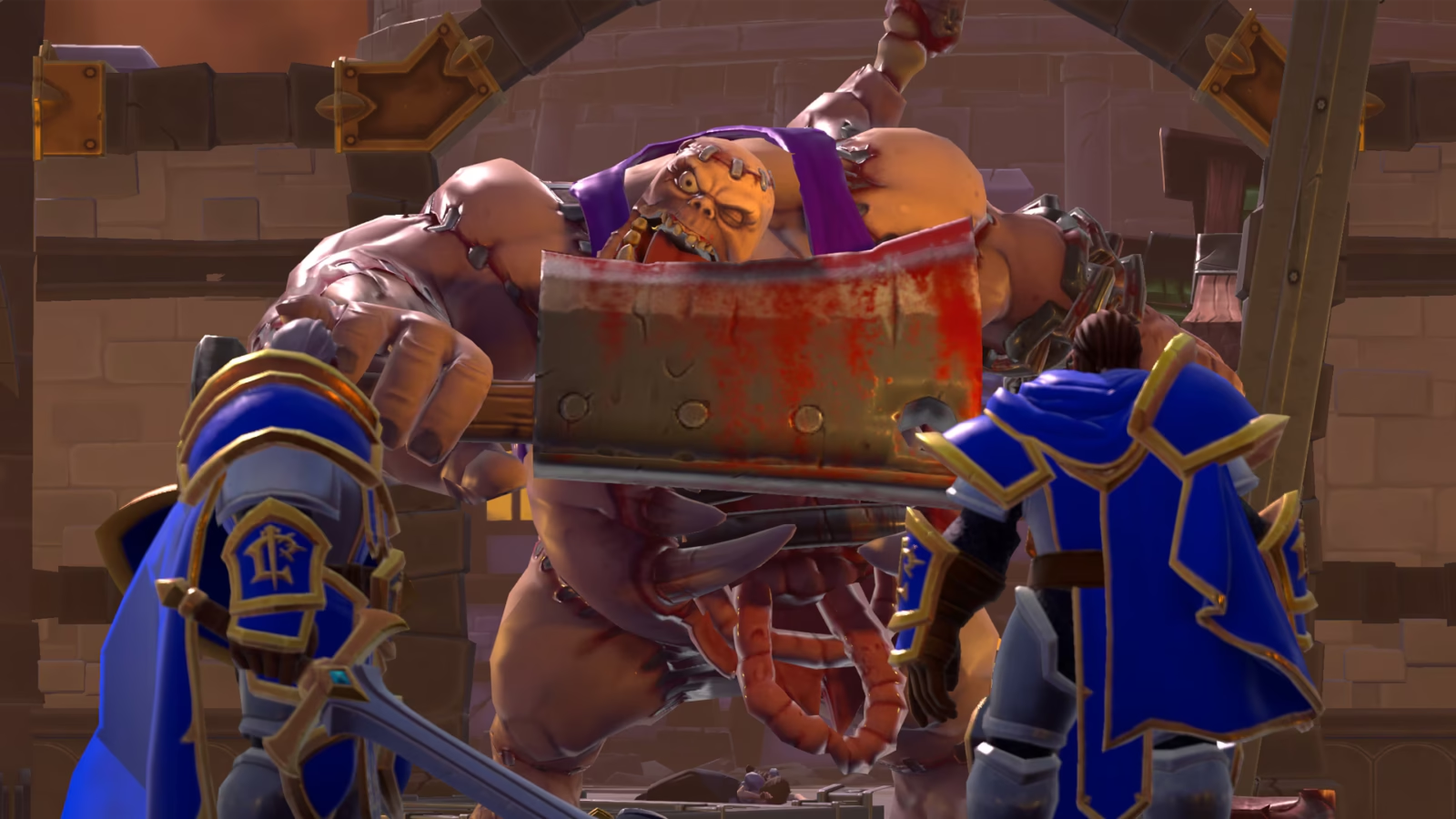
The update also introduces the Forsaken Paladin, Warcraft 3’s first new tavern hero since the Alchemist and Firelord arrived in 2004. Based on Garek, he’s an undead neutral Strength hero with an unusual support-focused toolkit.
His abilities include a dash that slows enemies, an area ability reminiscent of Paladin Consecration that damages undead while healing nearby living allies, and a passive aura that reduces magic damage while increasing healing received. His ultimate combines an area purge and stun with healing, with additional benefits when debuffs are successfully removed.
The irony is delicious: an undead paladin who can heal living units may actually have less obvious synergy with the Undead faction than some of Warcraft 3’s living armies.
More importantly, adding a genuinely new hero to a game this old has meaningful implications for multiplayer. Warcraft 3’s heroes sit at the centre of army compositions and strategies, so introducing another neutral option creates possibilities far beyond simply adding another unit.
There’s another significant multiplayer change too: control groups can now contain twice as many units across all game modes.
For a modern RTS player that might sound like a tiny quality-of-life improvement. For a game with more than two decades of established habits behind it, changing something that fundamental is a much bigger deal.
Warcraft 3 feels alive again
Perhaps the biggest achievement of Forsaken Kingdom has nothing to do with an individual mission, ability or texture.
Warcraft 3 suddenly feels like a living game again.
That matters because Reforged originally arrived carrying enormous expectations. Warcraft 3 remains one of Blizzard’s defining games, and its combination of traditional RTS mechanics, powerful hero units, RPG progression and cinematic storytelling influenced an absurd amount of what came afterward.
Forsaken Kingdom taps into those strengths rather than trying to modernise them out of existence.
Its biggest mistake is arguably being too hesitant about the RTS side of that equation. The campaign’s opening demonstrates how much potential remains in Warcraft 3’s core strategy mechanics, yet the later chapters lean heavily toward hero-driven RPG progression. I enjoyed the experimentation, but there was room for more missions that forced both sides of the design to work together.
Still, there’s something wonderfully strange about discussing a new Warcraft 3 campaign in 2026.
And even stranger: there’s plenty worth discussing.
Verdict
Warcraft 3 Reforged: Forsaken Kingdom is the kind of expansion that could easily have existed purely to weaponise nostalgia. Instead, it gives Warcraft 3 meaningful new material: a campaign rooted in one of Azeroth’s most interesting historical periods, substantial RPG progression, a new graphical style and a multiplayer hero capable of changing long-established strategies.
The campaign is strongest when it remembers the “strategy” part of real-time strategy. Its early missions demonstrate how much life remains in Warcraft 3’s classic formula, making the later emphasis on hero-focused RPG gameplay feel slightly frustrating. The deeper equipment and progression systems are worthwhile additions, but I would have preferred them alongside more army management and base-building rather than increasingly replacing those elements.
Definitive Edition is similarly close to being exactly what Warcraft 3 needed visually, only for its inability to work with the original campaigns to put an unnecessary asterisk beside it. Meanwhile, the Forsaken Paladin and larger control groups give multiplayer players something genuinely new to experiment with.
Forsaken Kingdom doesn’t surpass Warcraft 3’s legendary original campaigns, and it doesn’t magically rewrite Reforged’s past. What it does accomplish is arguably more important for the game’s future: it proves there are still worthwhile stories and ideas hiding inside Warcraft 3.
Twenty-three years after The Frozen Throne, I certainly wasn’t expecting that.