

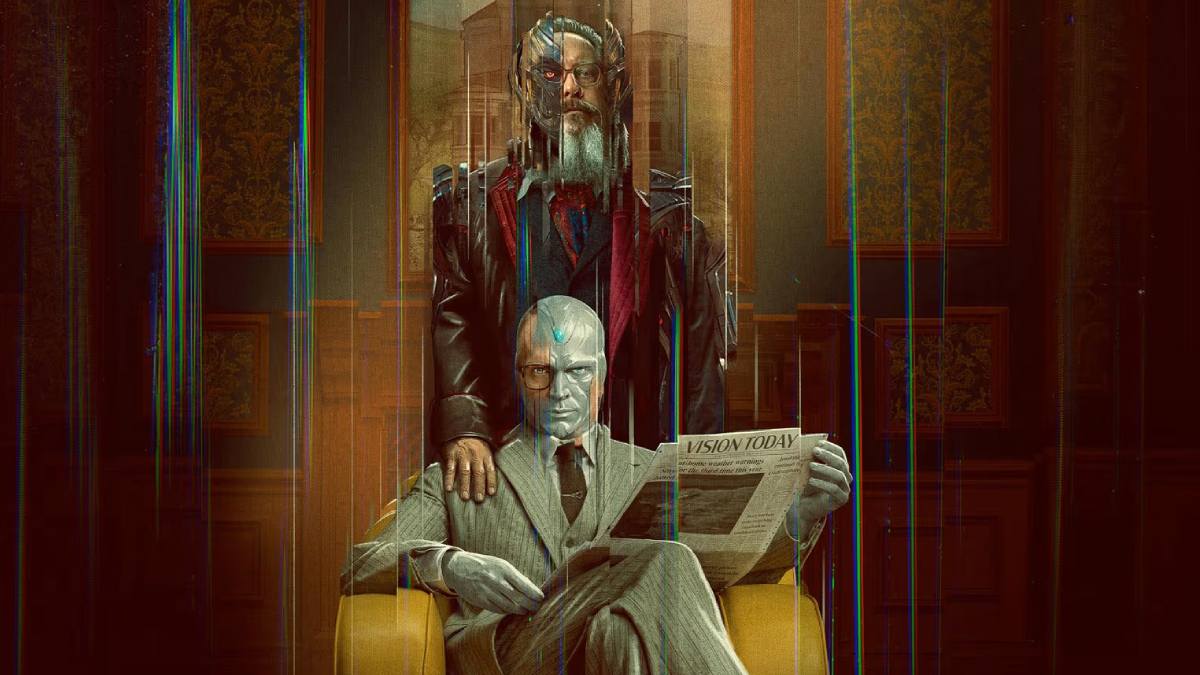
TL;DR: VisionQuest gives Paul Bettany’s Vision the emotional spotlight he deserved, with strong family drama, a personal Ultron rivalry and real heart. Heavy MCU homework and franchise setup hold it back slightly, but WandaVision fans should stream it now on Disney Plus.
Marvel has spent years treating Vision like a beautifully designed chess piece, moved around the board whenever the plot needed a synthezoid with a conscience. VisionQuest flips that, and I’m glad it does. The Disney Plus series brings Paul Bettany back as the character who was dismantled in Infinity War, reassembled as the bleached-out White Vision in WandaVision, and then left drifting somewhere off-screen. This time he isn’t a supporting player in someone else’s grief story. He’s the one carrying the grief, and that shift makes this the most emotionally coherent Marvel TV season in a while.
The premise is built on unfinished business. Wanda Maximoff is gone after the events of Doctor Strange in the Multiverse of Madness, and Vision knows it. Bettany has described her as a ghost that haunts his character, and the show leans into that idea without turning into a mopey sequel to WandaVision. The real hook is family: her twin sons, Tommy and Billy, are scattered across the MCU, and Vision is the closest thing to a father they have left. It’s a smart way to keep Wanda’s legacy alive while letting a different character do the heavy lifting.
Paul Bettany and Ruaridh Mollica build the show’s emotional core
Bettany has always understood that Vision’s humour comes from sincerity rather than sarcasm. He plays a being who processes everything with a polite, slightly formal precision, and the result is a character who can be funny, sad and deeply strange in the same breath. Getting to see him as a more human-presenting Vision, including a stretch in the grubby criminal playground of Madripoor, gives him new textures to play with. It’s no surprise fans have been passing his lines around online, because Bettany squeezes real wit out of a character who technically shouldn’t understand wit.
Ruaridh Mollica’s Tommy Shepherd, aka Speed, is the perfect counterweight. Where Vision is measured and careful, Tommy is impatient energy with a mouth to match, and their dynamic works because the show treats it as a messy, awkward father-son relationship rather than a mentor-and-sidekick routine. Billy’s presence looms over the season as the missing piece, and the way the series handles his connection to Tommy is one of its smartest creative swings. I won’t spoil how it plays out, but anyone who read Young Avengers will recognise why these two brothers matter so much.
James Spader’s Ultron makes the threat personal again
Bringing back James Spader as Ultron is the kind of move that could have felt like a nostalgia grab. Instead, it closes a loop that has been open since Age of Ultron, where Vision was literally built from the bones of Ultron’s plans. Vision versus Ultron isn’t a hero fighting a random villain-of-the-week; it’s a family argument between two AI with the same origins and wildly different conclusions about humanity. Spader still sounds like a corporate executive who just discovered nihilism, and that silky menace remains one of the MCU’s most underused weapons.
The show also scatters Tony Stark’s legacy throughout its world, with Emily Hampshire voicing E.D.I.T.H., plus Henry Lewis as D.U.M.-E. and Jonathan Sayer as U. These AI cameos are fun for long-time fans, but they also reinforce the series’ bigger theme: what happens to artificial minds once their creators are gone? It’s Detroit: Become Human by way of a Stark Industries garage sale, and it gives VisionQuest a thematic spine that most Marvel shows lack. The finale even includes an UltraVision sequence that showrunner Terry Matalas has described as a deliberate tribute to WandaVision, and it’s exactly the kind of weird, affectionate swing I want more of.
Where VisionQuest stumbles
For all its heart, VisionQuest is still a Marvel Studios project, and that means it carries franchise homework. The show is very aware of where the MCU is heading, and some of its final moves feel designed to set up future films as much as to pay off this story. Viewers who have kept up with WandaVision, Agatha All Along and Multiverse of Madness will get far more out of it than casual viewers. If you’ve skipped a few chapters, expect to spend some time on a wiki between episodes.
The season also leans hard on hope, especially when it comes to Wanda. Without spoiling anything, the ending deliberately leaves the door open for a Maximoff family reunion down the line, which some fans will find thrilling and others will see as Marvel refusing to let a death mean anything. I’m somewhere in the middle. The sentiment is earned within the show, but the MCU has cried wolf on so many deaths that the stakes inevitably feel softer than they should.
Verdict
VisionQuest is the rare Marvel series that remembers emotion is the special effect that matters most. Paul Bettany delivers a career-best take on Vision, Ruaridh Mollica adds energy and vulnerability as Tommy, and James Spader’s Ultron turns the central conflict into something genuinely personal. Its exploration of artificial minds and found family gives it more substance than most Disney Plus Marvel shows. On the downside, it demands a lot of MCU homework, and its franchise-building instincts occasionally dilute the story’s own stakes. If you loved WandaVision, care about the Young Avengers, or have been waiting years for Vision to get his due, this is an easy recommendation. Casual viewers may find it rewarding but a bit too reliant on what came before.