

TL;DR: VisionQuest Episode 7 gives Paul Bettany the stage, and he delivers his best MCU work yet across several versions of Vision and Horton. The haunting trip through Vision’s mind is excellent, even if the side stories feel rushed and underfed.
For six episodes, VisionQuest has felt like a series about Vision that keeps getting hijacked by its most entertaining houseguest. James Spader’s Ultron has been the sharp-tongued engine of Marvel’s latest Disney+ series, and I’ve happily tuned in each week mostly to hear what poisonous little observation he’d deliver next. That left Paul Bettany in an awkward spot, playing the title character while the villain got the best material. “Immolation,” the penultimate episode, corrects that imbalance with real force. It hands Bettany the spotlight, then hands him several more spotlights on top of that, and he rises to every one of them. This is the episode where VisionQuest stops feeling like a two-hander with a lopsided script and starts feeling like Vision’s story.
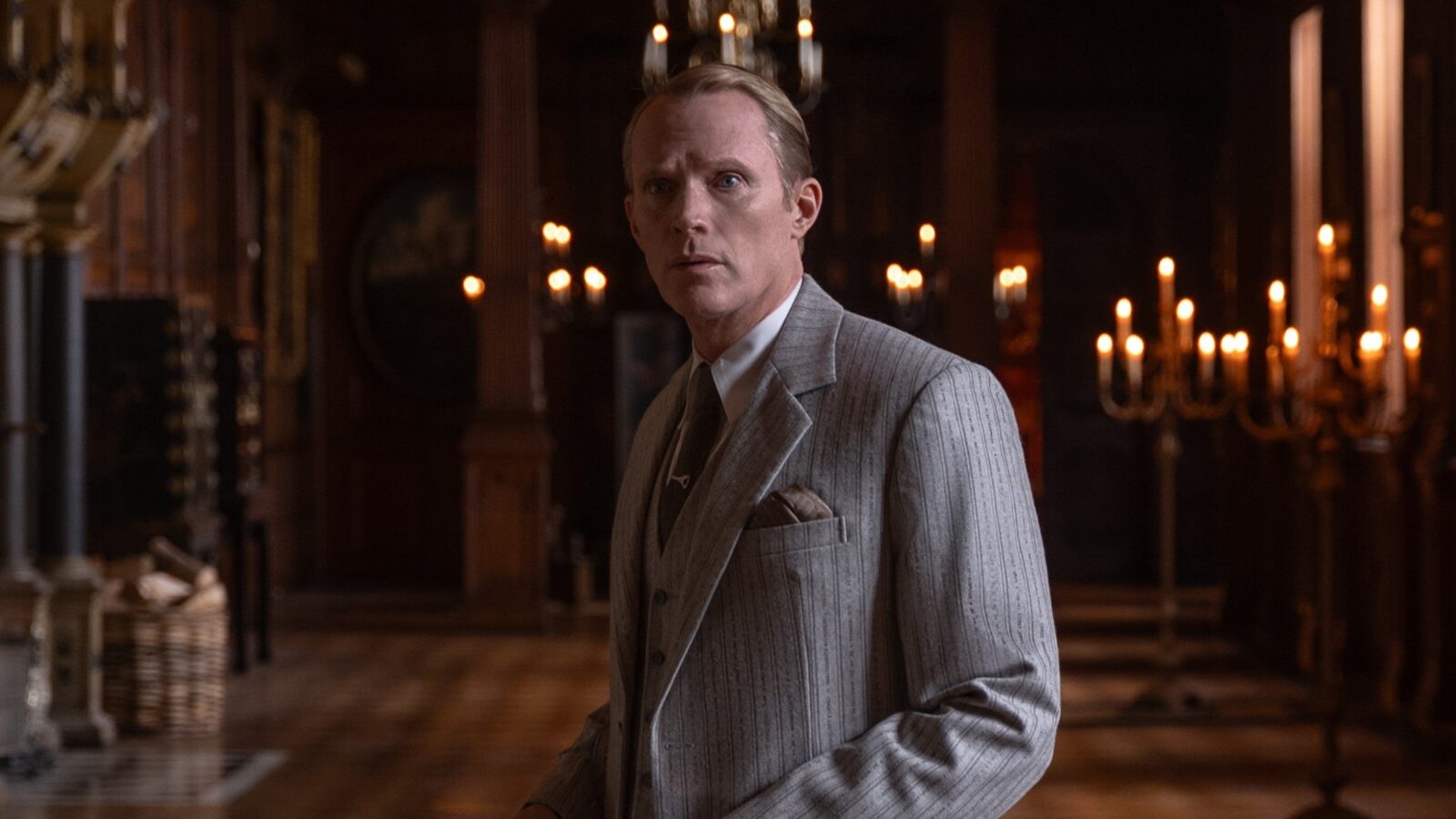
The episode opens in the Second World War, finally putting a face to Phineas Horton, the name that has hovered over the series like a ghost in the machine. That face belongs to Bettany, which is a clever bit of casting that makes thematic sense the moment it lands. He plays Horton as a man already worn down by grief and guilt, and that heaviness bleeds into everything that follows. It’s a short sequence, but it does the important work of setting the emotional temperature for the whole hour. I came away from that cold open certain the episode had something serious on its mind.
A trip inside Vision’s head that plays like psychological horror
Most of “Immolation” takes place inside Vision himself, as he’s forced to confront the memories and feelings he’s kept locked away since S.W.O.R.D. brought him back online. The MCU has spent years treating White Vision as a cold reboot, so watching the show actually interrogate what got buried in that process is long overdue. The journey is staged as a series of looping corridors, with each pass growing more unsettling than the last. It reminded me of wandering the shifting halls of Remedy’s Control, where familiar spaces quietly stop making sense and the architecture becomes a mood. Marvel rarely leans this hard into unease, and I loved that it trusted the audience to sit with discomfort instead of rushing to the next punch.
What keeps this from feeling like a gimmick is that the show has been consistent about visualising machine minds all season. Vision, Ultron and Jocasta each process the world through these interior spaces, and the series has found genuinely inventive ways to turn code and memory into something you can look at. Here that idea pays off in its most ambitious form. The repetition isn’t padding; it’s the point, mirroring a mind that keeps circling trauma instead of facing it. If you’ve ever replayed the same level of a horror game because you weren’t ready for what’s around the corner, the rhythm will feel uncomfortably familiar.
Four versions of one actor, and each one feels distinct
The real headline of this VisionQuest season review is the performance work. Inside his own mind, White Vision meets the classic Vision, the warmer and more emotionally settled version we knew before Infinity War. Bettany doesn’t make the two wildly different, and that restraint is smart, because they’re meant to be the same being separated by loss. The older Vision carries himself with an ease and gentleness, while the white version is stiffer and more guarded. Watching them argue is like watching someone debate their own reflection, and it’s one of the most quietly compelling scenes Marvel has put on streaming this year.
Then the episode digs deeper, bringing in the digitised remnants of Horton alongside his most famous creation, J.I.M. Fans with long memories will recognise the original synthetic hero who appeared as a display piece back in Captain America: The First Avenger, and seeing him treated as a proper character rather than set dressing is a lovely reward for comics readers. This is also where Bettany finally lets White Vision crack open, and the release of everything the character has suppressed lands hard. Juggling four variations of essentially one role and giving each its own cadence is a genuine acting feat. I’d call it his best work on the series by a clear margin.
The subplots can’t keep up with the main event
The problem with building an episode around one dazzling storyline is that everything else looks pale beside it. Ultron and Jocasta are on their own parallel journey here, but the show gives them so little screen time that it never builds momentum. Their thread ends abruptly, right when it seemed about to matter, and I felt the absence of Spader more than I expected. It’s a strange reversal, given that he’s carried the show until now. One episode of Ultron on the sidelines shouldn’t hurt this much, but the pacing makes it feel underdeveloped rather than deliberately held back.
Meanwhile, the material at Paladin’s hideout, with Todd Stashwick holding things together, adds a layer of external tension to Vision’s internal ordeal. It works in a functional, keeps-the-plot-moving way, but it’s clearly the B-story, and the episode treats it as such. The bigger payoff from that side comes in the closing minutes, when Paladin’s mysterious backer finally steps forward and the identity isn’t who most viewers will have guessed. I won’t spoil it, but it’s a genuinely intriguing swerve that reframes what the finale might look like. That cliffhanger does a lot of heavy lifting for a subplot that otherwise felt secondary.
Verdict
VisionQuest Episode 7 is the moment Paul Bettany reclaims his own show, delivering a multi-role performance that’s layered, controlled and surprisingly moving. The psychological-horror framing of Vision’s subconscious is some of the most daring stuff the MCU has tried on Disney+, and the J.I.M. connection is a treat for longtime fans. It’s held back by a thin Ultron and Jocasta thread and a Paladin subplot that mostly exists to set up the ending. Still, the central storyline is strong enough to carry the whole hour, and the final reveal leaves the finale with plenty to answer. If you’ve been on the fence about this series, “Immolation” is the strongest argument yet to stay.