TL;DR: The REDMI Note 17 Pro 5G combines a ridiculous 8,340mAh battery with an excellent 1.5K 120Hz AMOLED display, serious durability and a capable 50MP OIS camera for AED 1,299. Performance and video aren’t flagship territory, but after using it, REDMI’s priorities make sense: this is a mid-ranger designed to keep going rather than simply flexing numbers.
The REDMI Note series has always lived in one of the most brutally competitive corners of the smartphone universe. It needs to feel substantially better than the budget crowd without wandering so far up the price ladder that you start wondering why you didn’t just buy a flagship. With the REDMI Note 17 Pro 5G, that balancing act gets particularly interesting because REDMI has gone big on the things that actually affect everyday use: battery capacity, display quality, durability and longevity.

And I do mean big. The REDMI Note 17 Pro 5G packs an enormous 8,340mAh silicon-carbon battery into an 8.6mm-thick phone, alongside a 6.83-inch 1.5K AMOLED display, Snapdragon 6s Gen 4, a 50MP OIS main camera and 67W charging. Starting at AED 1,299, that’s an aggressive hardware package. After spending time with it, though, what surprised me most is that the ridiculous battery isn’t the only reason this phone works.
An 8,340mAh battery without the brick-shaped side quest
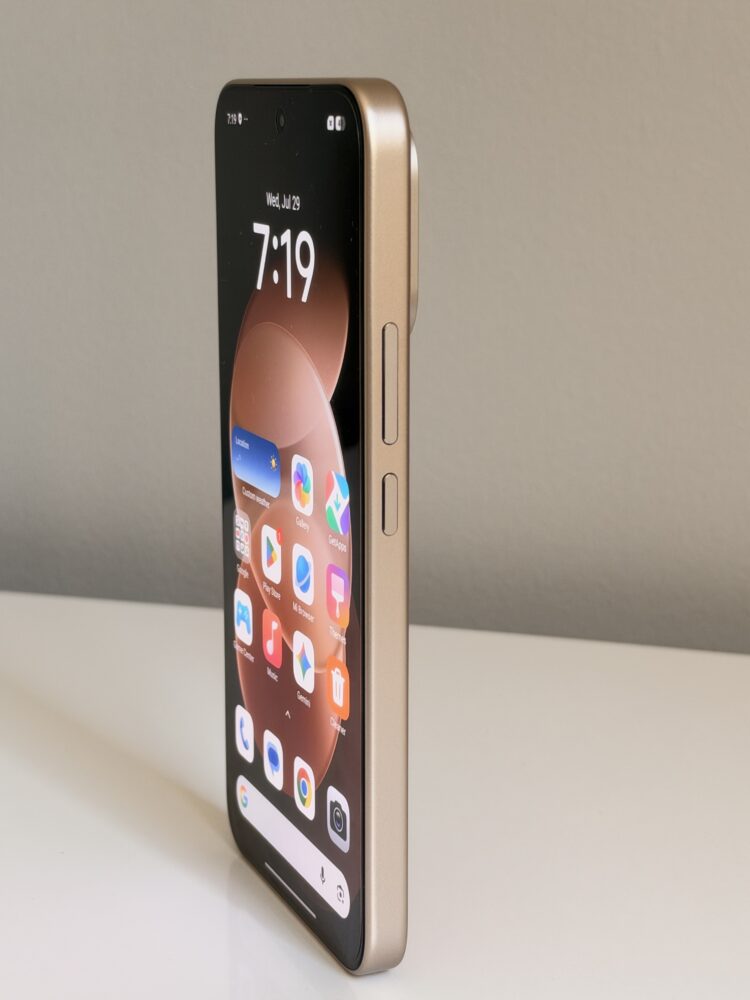
The first thing that impressed me about the REDMI Note 17 Pro 5G is what it doesn’t look like. An 8,340mAh battery sounds like the sort of thing that should require reinforced trousers and perhaps a small forklift. Instead, REDMI has managed to squeeze all that capacity into an 8.6mm body. At 223g, it’s certainly not featherweight territory, but considering what’s hiding inside, it feels surprisingly normal in the hand rather than like a power bank that accidentally learned how to run Android.
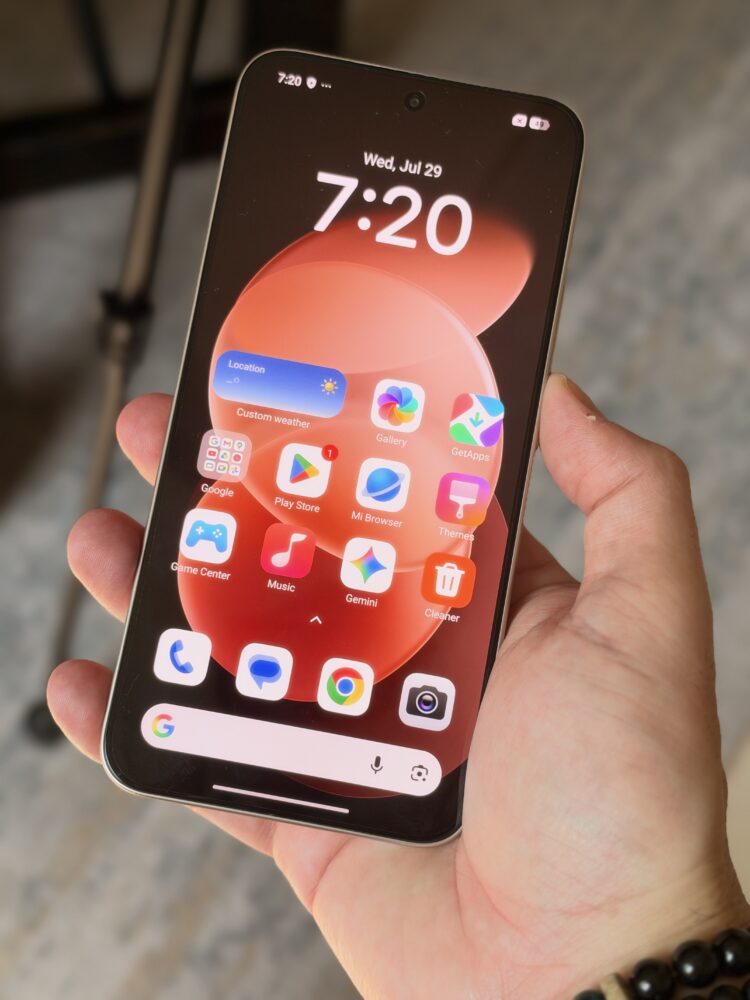
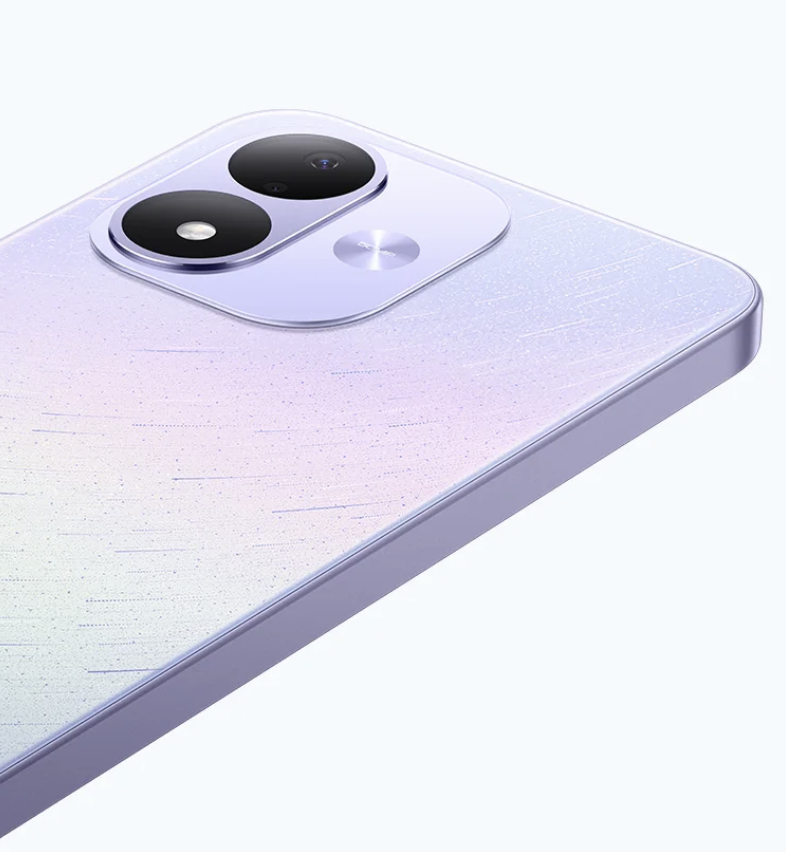
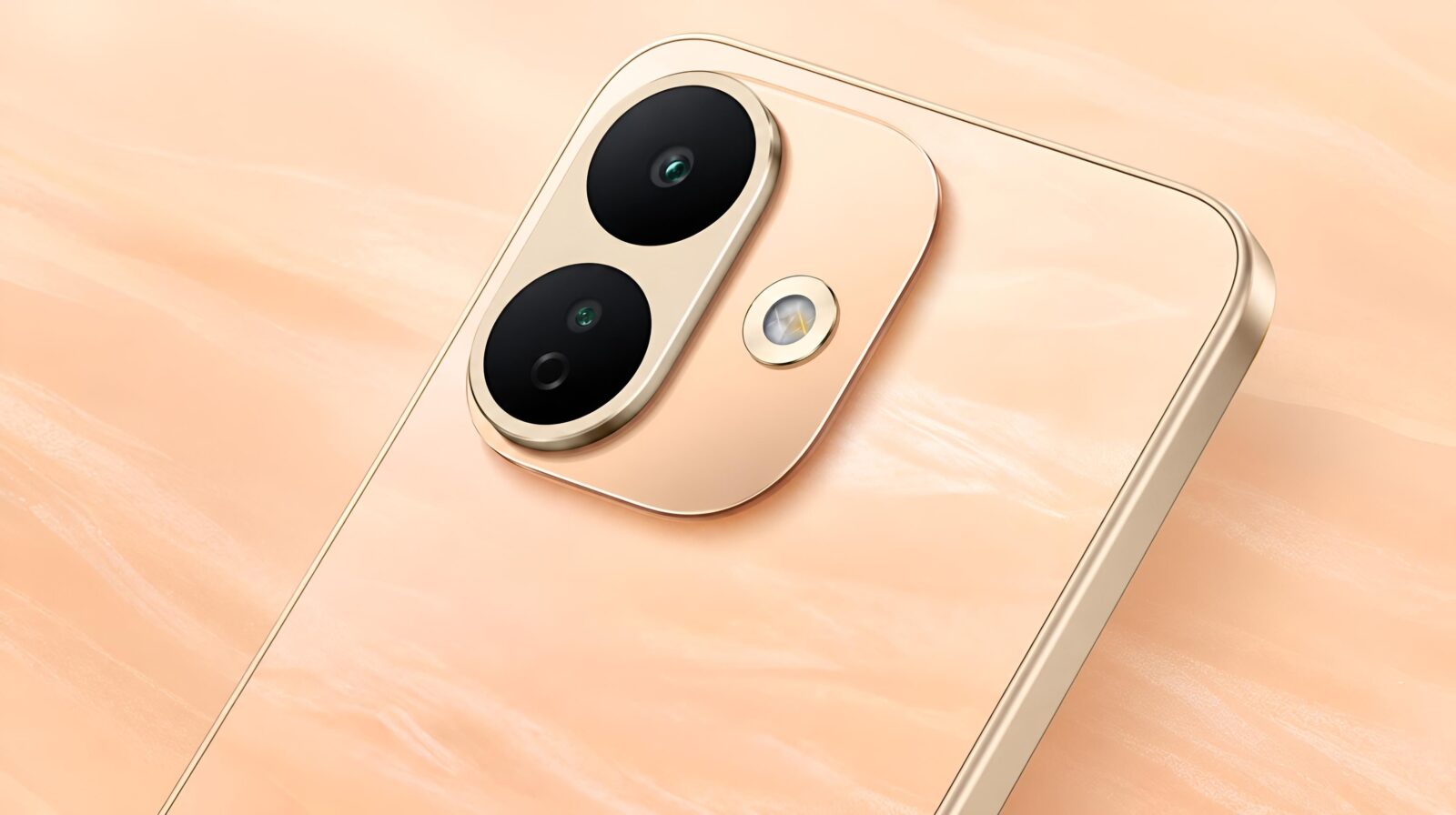
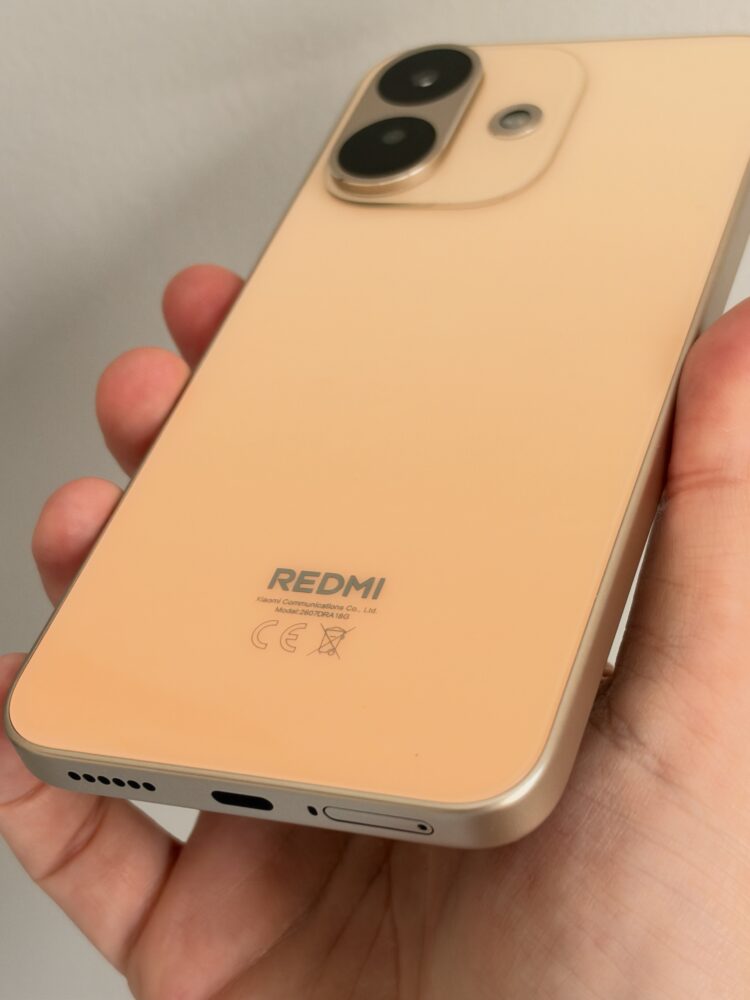
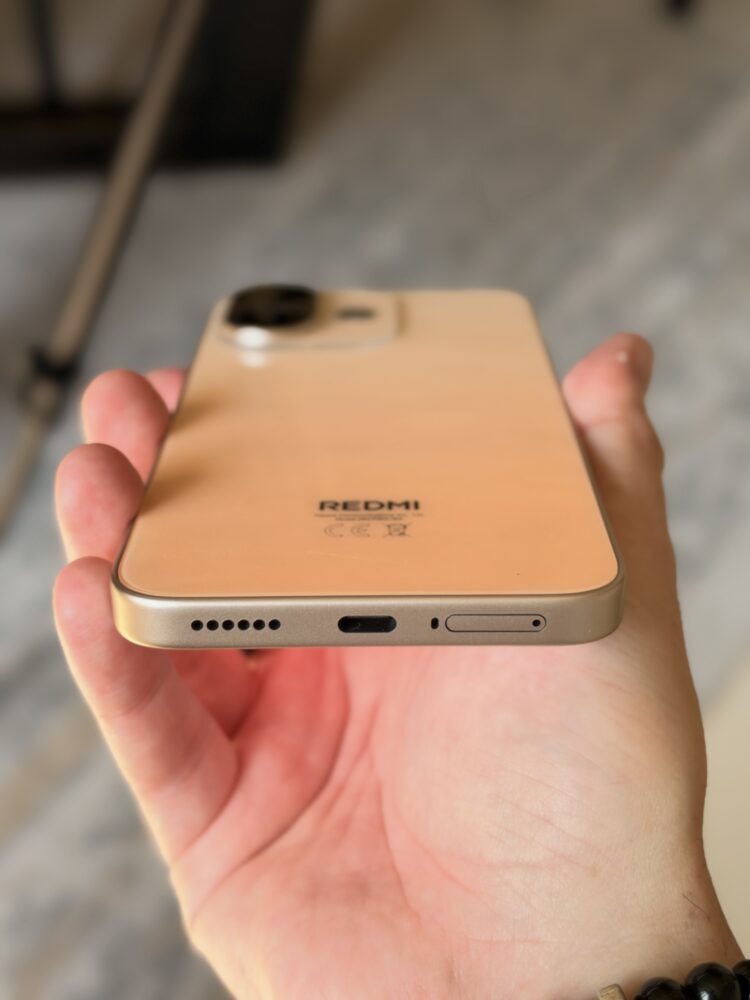
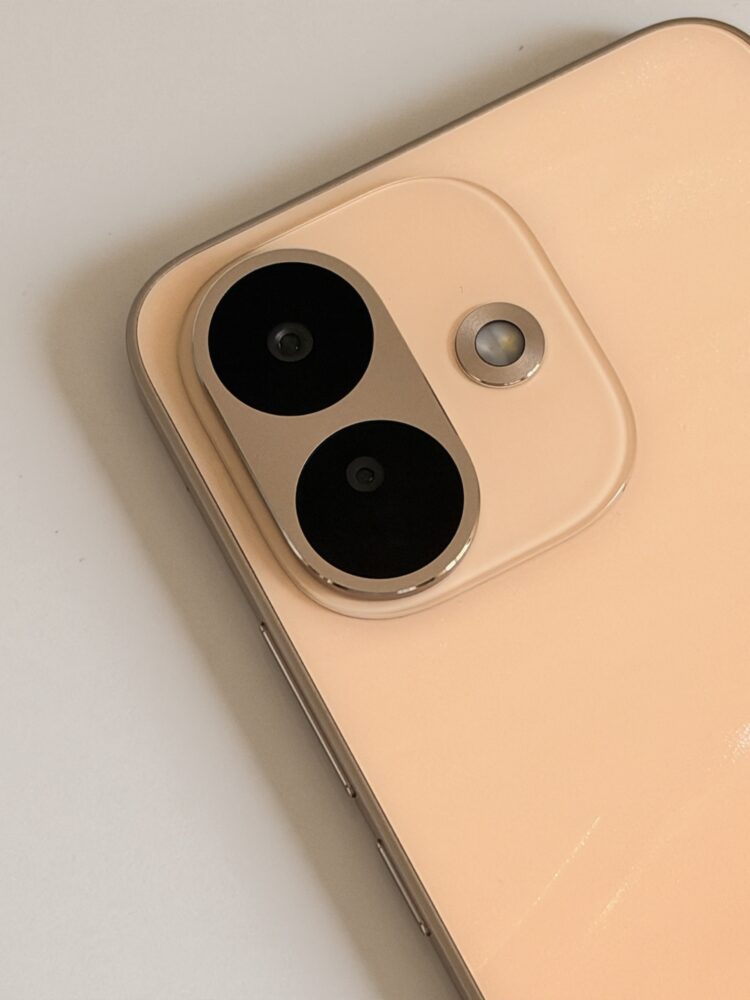
The design is restrained rather than desperate for attention, with rounded corners, a large camera island and a matte finish on the Black and Sky Blue versions that does a decent job of keeping fingerprints under control. Satin Orange is there if subtlety isn’t really your thing. I particularly like that REDMI hasn’t allowed the enormous battery to dictate the entire design; this still looks and feels like a modern smartphone rather than specialised endurance hardware.
REDMI has gone slightly overboard on durability, and I’m here for it
The REDMI Note 17 Pro 5G carries IP66, IP68, IP69 and IP69K dust and water-resistance ratings, while Gorilla Glass Victus 2 protects the display. It’s also SGS certified for drops of up to three metres onto a smooth granite surface under specific testing conditions. I’m obviously not going to start launching review units down staircases like I’m testing Nokia phones in 2003, but there’s real reassurance in knowing REDMI has taken physical durability seriously.
There’s even an Underwater Mode for capturing photos and videos in static freshwater, followed by a speaker auto-drain function to help clear water from the speaker cavity. There are important limitations — it doesn’t increase the actual water resistance and underwater shooting is limited to static freshwater at up to two metres for 30 minutes — so don’t go filming Finding Nemo 3 with it. Still, combined with the serious ingress protection and Victus 2, the Note 17 Pro feels better prepared than most for everyday accidents.
The 6.83-inch AMOLED display is one of the stars
The 6.83-inch 1.5K CrystalRes AMOLED display is easily one of my favourite parts of the phone. It runs at up to 120Hz, supports 12-bit colour and DCI-P3, and reaches a quoted peak brightness of 3,500 nits. There’s also 3840Hz PWM dimming, DC dimming and the ability to drop as low as 1 nit, making this a surprisingly comprehensive display package for something starting at AED 1,299.
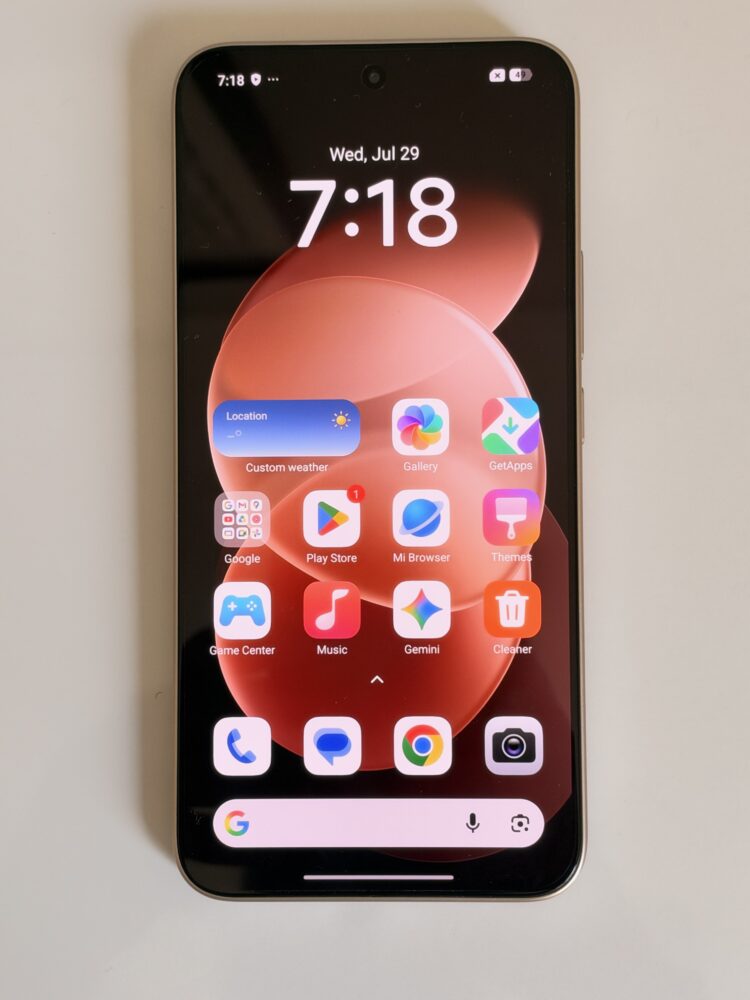
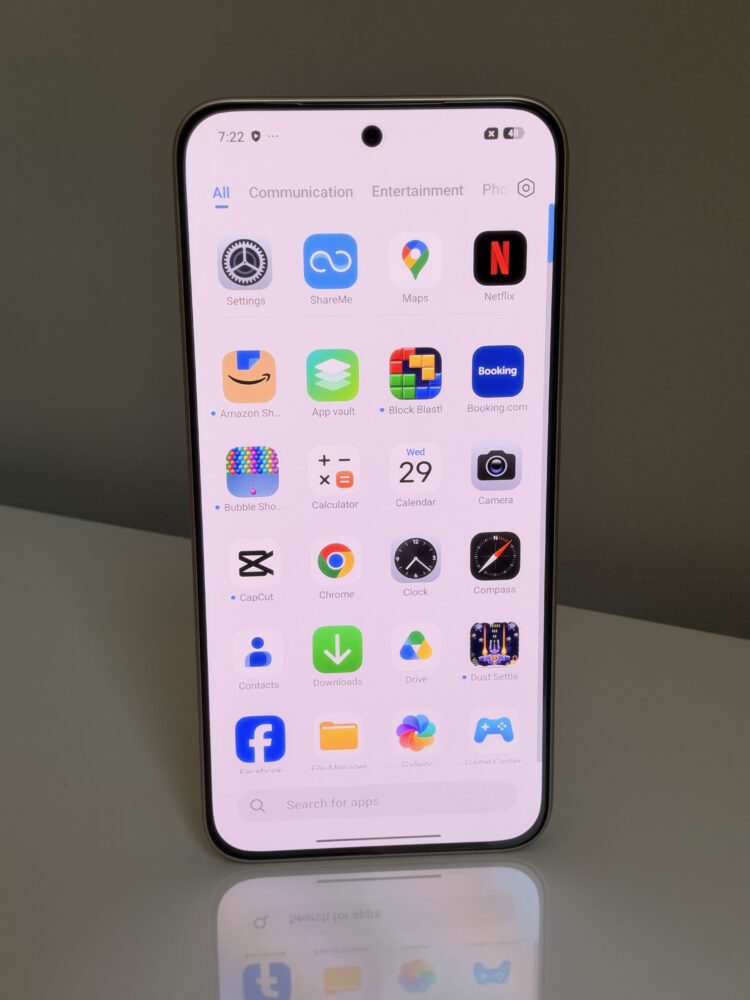
In use, the 1.5K resolution provides a lovely middle ground between ordinary Full HD+ panels and unnecessarily power-hungry flagship resolutions. Everything looks crisp, the 120Hz refresh rate keeps scrolling wonderfully smooth, and the sheer size makes video and gaming particularly enjoyable. Wet Touch Technology 2.0 helps when the screen gets damp, while Game Turbo can push instantaneous touch sampling to 3200Hz. It’s the sort of screen that makes the entire phone feel more expensive because, unlike some obscure specification buried three menus deep, you’re benefiting from it every single time you pick the phone up.
Snapdragon 6s Gen 4 keeps the ambitions sensible
Performance comes from Qualcomm’s Snapdragon 6s Gen 4, built on a 4nm process and paired with 8GB of RAM. During my time with the phone, HyperOS 3 felt responsive, apps opened quickly and bouncing between messaging, social media, browsing, photography and streaming didn’t leave me wishing for considerably more horsepower. The 120Hz display helps everything feel suitably immediate too, and I never found everyday performance to be an obvious weak point.
Gaming is where the phone’s position becomes clearer. It can absolutely handle games, but this isn’t the device I’d buy specifically to chase maximum graphics settings and ridiculous frame rates. The 3200Hz instantaneous touch sampling option in Game Turbo helps responsiveness, but it doesn’t magically transform mid-range silicon into a flagship chipset. For this phone, I’m fine with that compromise; I’d rather have capable everyday performance alongside this battery, display and durability than sacrifice those advantages just to make a benchmark graph taller.
8,340mAh changes the battery conversation
The 8,340mAh silicon-carbon battery is obviously the headline act, but after living with the phone, the biggest difference wasn’t simply that it lasts longer. It was how much less I thought about charging. Normally there’s a little battery-management mini-game running in my head — how much charge is left, whether I’m going out later, whether I should plug in now — but having this much capacity dramatically reduces that anxiety. REDMI rates it for more than two days under its moderate-use testing scenario, although actual endurance will naturally depend on how aggressively you use the phone.
There’s 67W HyperCharge, with a claimed 50% charge in 34 minutes under test conditions, plus up to 22.5W wired reverse charging. That last feature means the enormous battery can effectively donate some of its electrons to another compatible device, at which point my power-bank-with-Android joke becomes dangerously close to reality. The battery is also rated to retain at least 80% capacity after 1,600 complete charge cycles under the relevant testing conditions. I obviously can’t verify years of degradation during a review period, but I like REDMI’s priorities here: give me more battery and make it last longer instead of shaving another meaningless millimetre from the phone.
The 50MP camera wisely focuses on the camera that matters
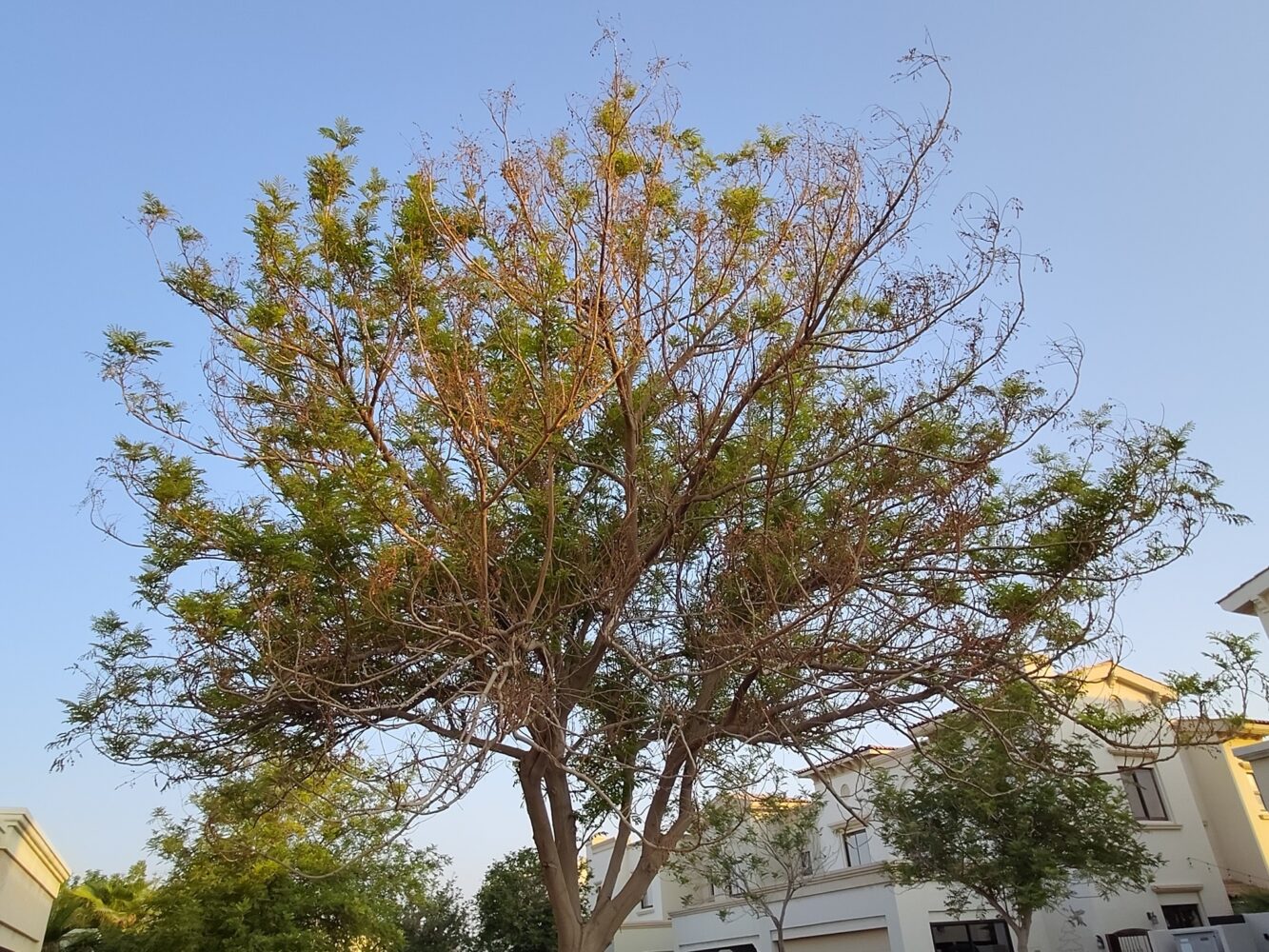
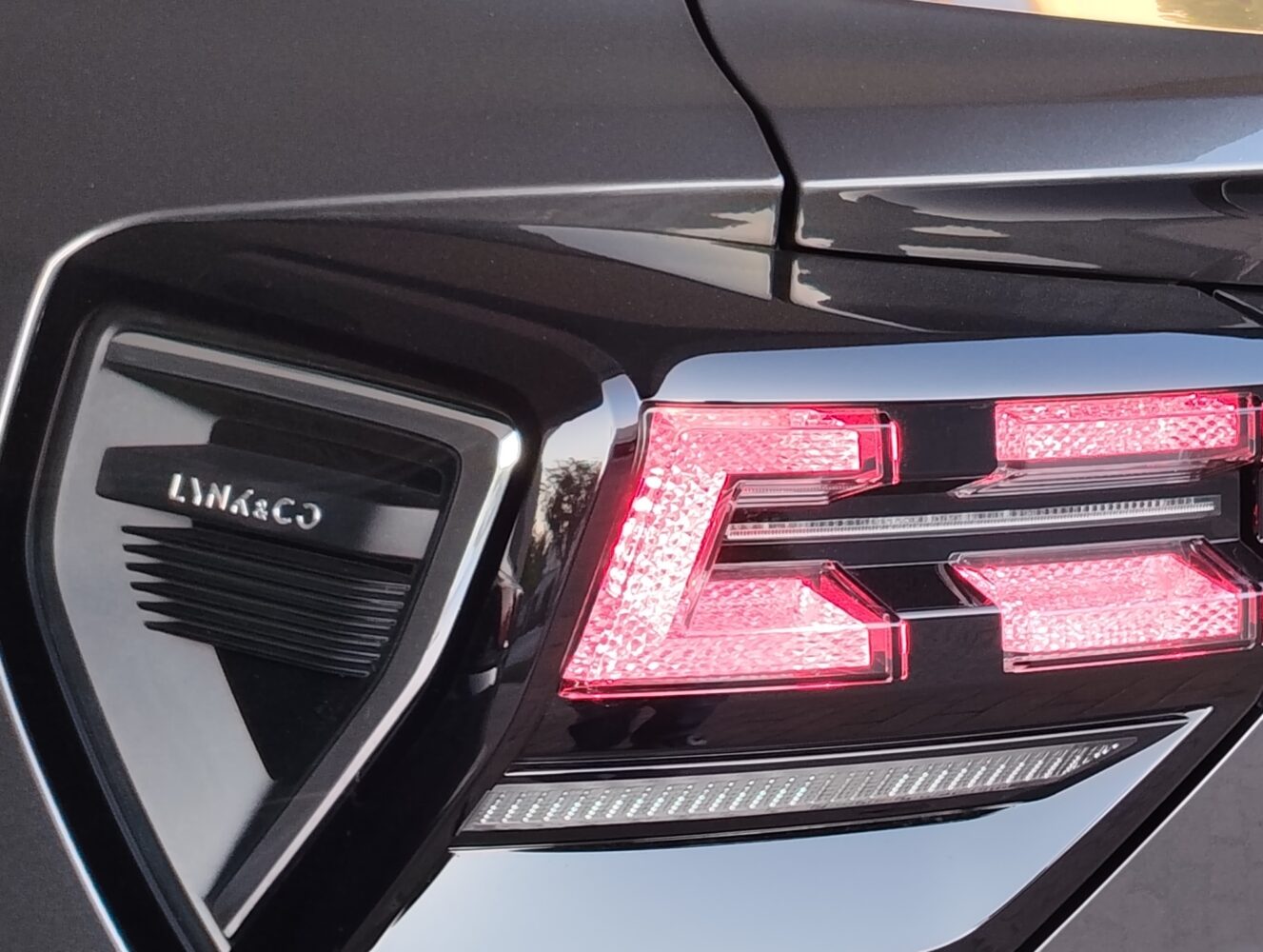
The camera setup is refreshingly straightforward: a 50MP f/1.8 main camera with OIS, an 8MP ultra-wide with a 112-degree field of view and a 16MP front camera. After shooting with the phone, the 50MP main camera was naturally the one I kept returning to. OIS matters far more to me than another token sensor bolted onto the rear panel, particularly when shooting handheld or when the light becomes less cooperative. This is clearly where REDMI has concentrated its photographic effort, and that’s exactly how I ended up using the phone.
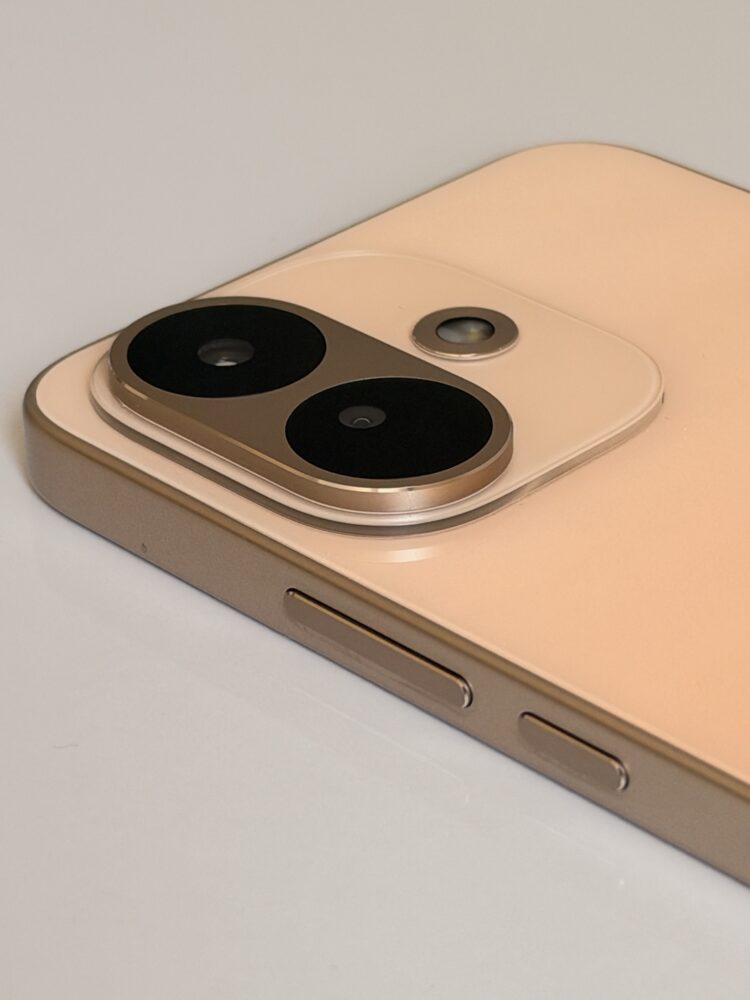
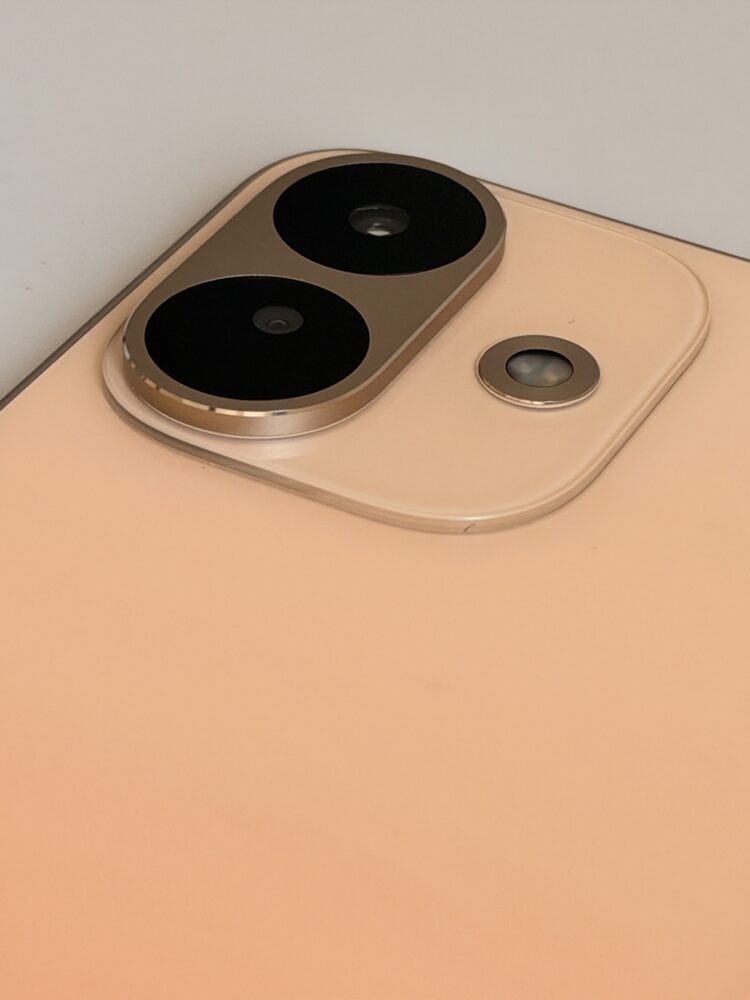
The 8MP ultra-wide is useful when I need considerably more of a scene in the frame, but it feels like a supporting character rather than an equal partner to the main camera. There’s also Dual Video for simultaneously recording through the front and rear cameras, plus editing tools including AI Glare Removal and AI Erase Pro. Video tops out at 1080p/30fps, which feels conservative compared with the rest of the hardware, but for stills I prefer this approach to stuffing the camera island with pointless sensors. Nobody invited the useless 2MP macro camera to the party, and I’m perfectly fine with that.
Photo Gallery
















HyperOS 3 has plenty of AI, but longevity matters more
The REDMI Note 17 Pro 5G runs Xiaomi HyperOS 3, with Google Gemini, Gemini Live, Xiaomi HyperIsland and REDMI’s own AI-assisted editing features built into the experience. HyperIsland brings information and controls together and can transition into floating windows on compatible apps, while Gemini handles the now-familiar generative AI side of things. Personally, I prefer the AI features that disappear into the workflow — removing an unwanted object or glare from a photo is considerably more useful than having another assistant desperately trying to become my new best friend.
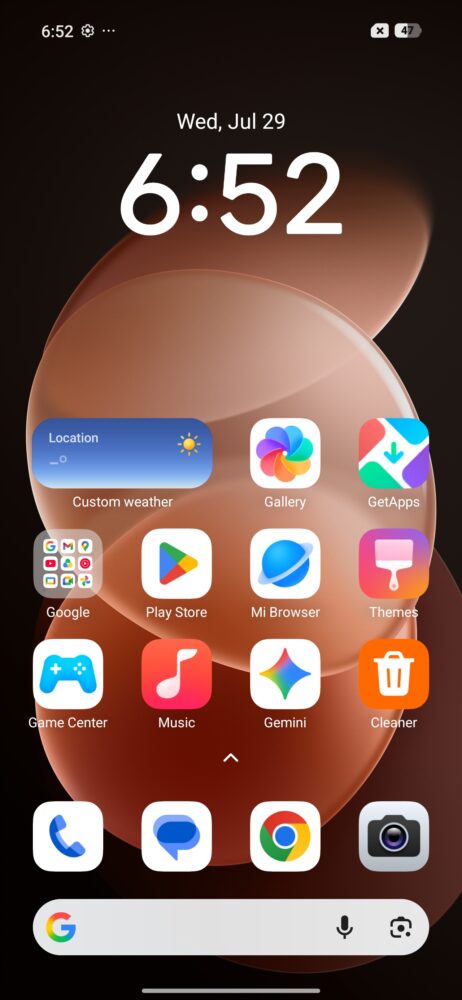
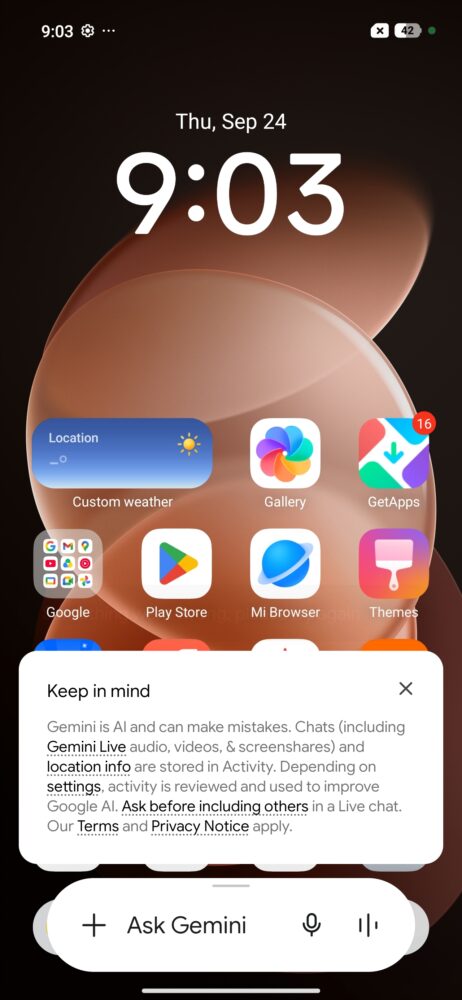
What matters more to me is that the phone gets six years of security updates. There’s also a 60-month “like-new” software experience claim based on software-aging testing, which I wouldn’t interpret as a magical guarantee that the phone will literally feel factory fresh five years from now. Entropy remains undefeated. But six years of security support combined with the emphasis on battery health and physical durability makes the longevity argument considerably more convincing.
The little things haven’t been forgotten
There’s Dolby Atmos and Hi-Res Audio support alongside a 300% volume boost mode, plus an in-display optical fingerprint sensor, multifunction NFC and even an infrared remote control. That last one remains one of those wonderfully geeky Xiaomi extras you forget about until you’re staring at an air conditioner with no idea where the remote has disappeared to.
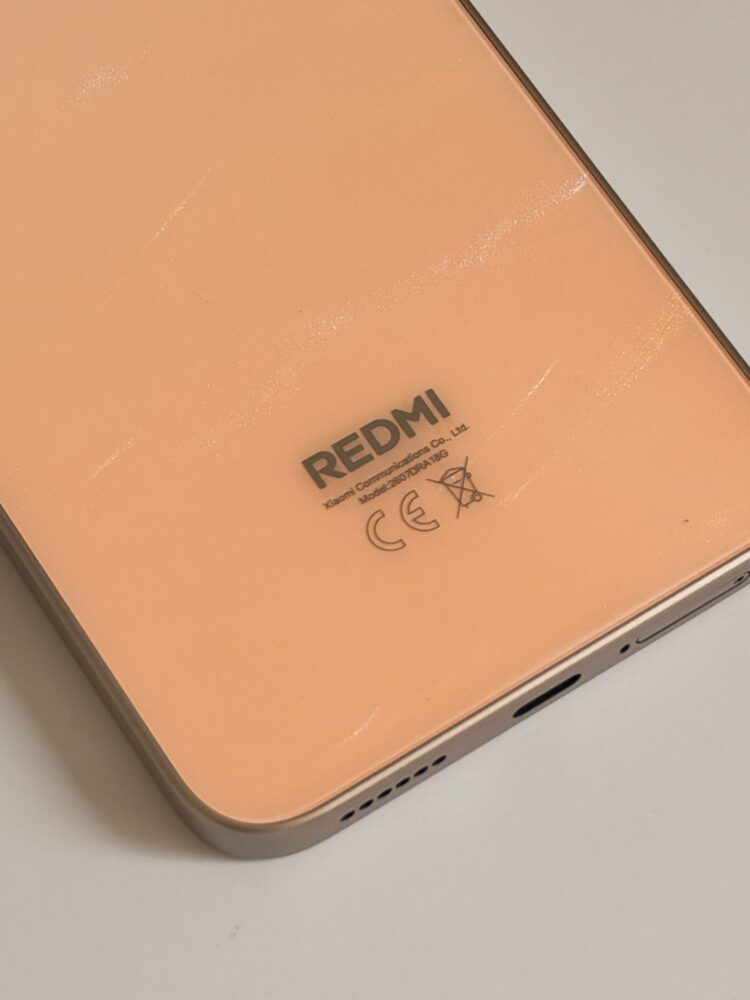
None of these individually sells the phone, but together they make the Note 17 Pro feel complete. Mid-range devices are often defined by the small corners manufacturers quietly cut, and I didn’t constantly encounter that feeling here. REDMI has concentrated its biggest investments in the right areas without completely neglecting everything surrounding them.
The Pro doesn’t feel like the consolation prize
The existence of the REDMI Note 17 Pro Max 5G naturally makes you wonder whether the regular Pro exists mainly to encourage an upsell. The Max gets the even more ridiculous 10,000mAh battery, 100W charging, Snapdragon 6 Gen 5, 32MP front camera and stronger video capabilities. On paper, there’s no question which sibling has eaten the most stat points.
After spending my review time specifically with the REDMI Note 17 Pro 5G, though, I never felt as though I was using the awkward middle child. An 8,340mAh battery is already bordering on comedy, the 1.5K AMOLED display is excellent and the core camera and durability package remains strong. The Max is the specification monster, but the regular Pro doesn’t feel deliberately starved just to make its bigger sibling look better.
AED 1,299 makes the compromises easier to forgive
Starting at AED 1,299, the REDMI Note 17 Pro 5G becomes particularly aggressive on value. You’re getting that huge silicon-carbon battery, 67W charging, 1.5K 120Hz AMOLED display, 50MP OIS camera, Gorilla Glass Victus 2 and extensive water and dust resistance. The longevity story is strengthened further by six years of security updates and benefits that include a 24-month quality assurance, one free screen replacement within 24 months and one free battery replacement within 36 months, subject to the applicable terms.
There are compromises. The Snapdragon 6s Gen 4 isn’t for someone primarily chasing flagship gaming performance, the 8MP ultra-wide is modest, 1080p/30fps video feels conservative and 223g isn’t exactly dainty. But after using the phone, these feel calculated rather than careless. REDMI has spent its hardware budget on things I interact with constantly — screen, battery, main camera and durability — and at AED 1,299, that’s a trade I’d happily make.
Verdict
The REDMI Note 17 Pro 5G understands what makes a mid-range smartphone genuinely useful. Its enormous 8,340mAh battery is the obvious attention-grabber, but the phone doesn’t rely on that one trick. The excellent 6.83-inch 1.5K AMOLED display, extensive durability, capable OIS-equipped main camera and 67W charging create a package that feels built around actual everyday use rather than simply winning the specification-sheet Olympics.
There are weaknesses: the Snapdragon 6s Gen 4 is more everyday workhorse than gaming monster, the ultra-wide isn’t particularly ambitious and video deserved more attention. But at AED 1,299, I can forgive those compromises surprisingly easily. If battery endurance, display quality, durability and long-term usefulness matter more to you than benchmark supremacy, the REDMI Note 17 Pro 5G hits a very convincing sweet spot.