
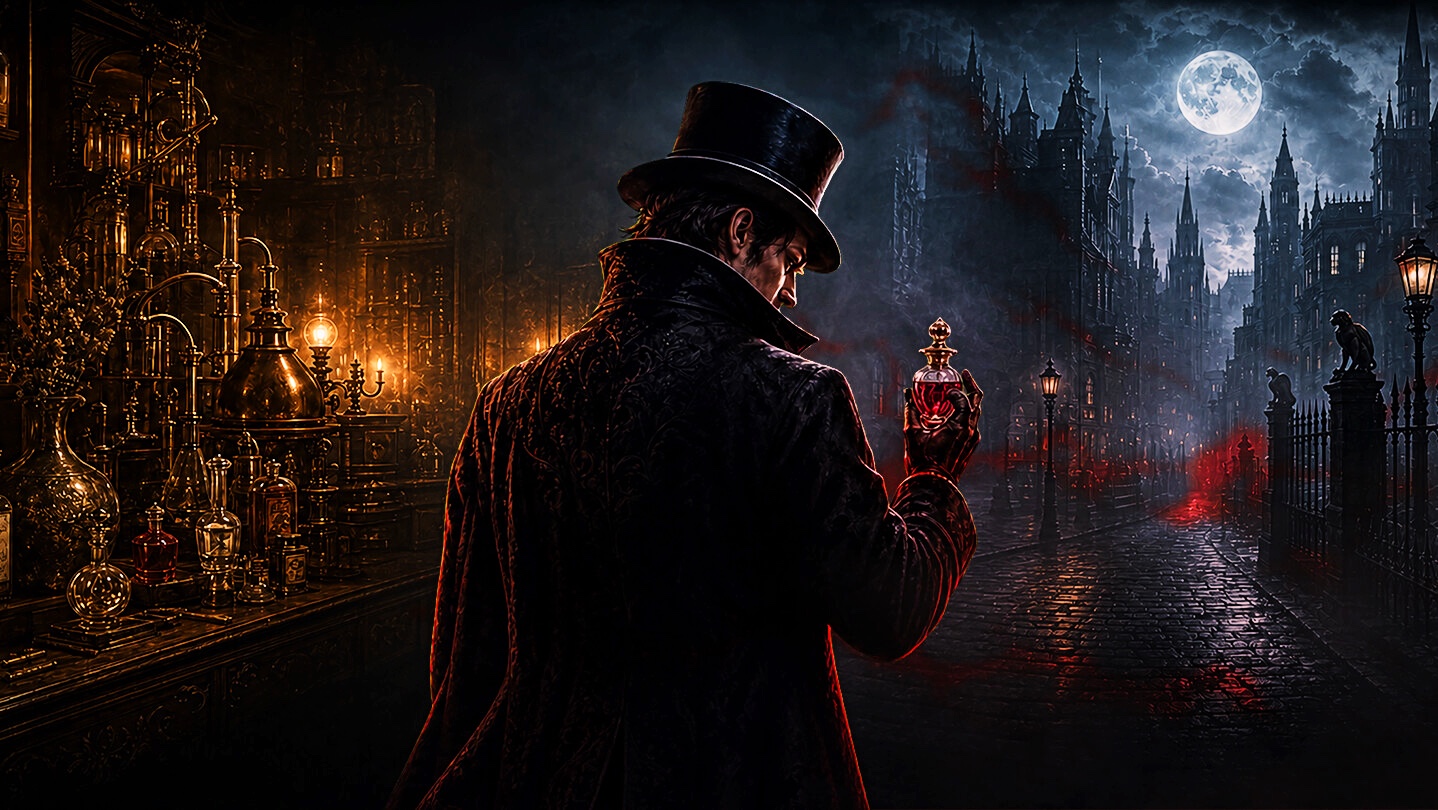
TL;DR: Pale Incense casts you as a vampire perfumer killing to save his dying wife, and its stealth, crafting and upgrade systems all feed that grim devotion. It’s unreleased and unproven, but it’s one of the most original indie concepts heading to PC.
Most vampire games hand you fangs and a city and then trust that biting people is fun enough on its own. Pale Incense is more interested in what happens the morning after. Developed by Ongun Ayhan and published by Joygame Select, it’s a first-person gothic action-simulation where you play Edmund, a vampire who runs a perfume shop by day and stalks the streets by night, harvesting scents and human essence to keep his gravely ill wife alive. The game is heading to PC with no release date beyond “coming soon,” so I want to be upfront: this is a first look at the design, not a verdict on a finished, playable product. Even with that caveat, I’ve rarely been this curious about how an indie’s spreadsheet of systems will actually feel in the hand. On paper, it’s one of the sharpest concepts sitting on Steam’s upcoming list right now.
A marriage held together by stolen blood
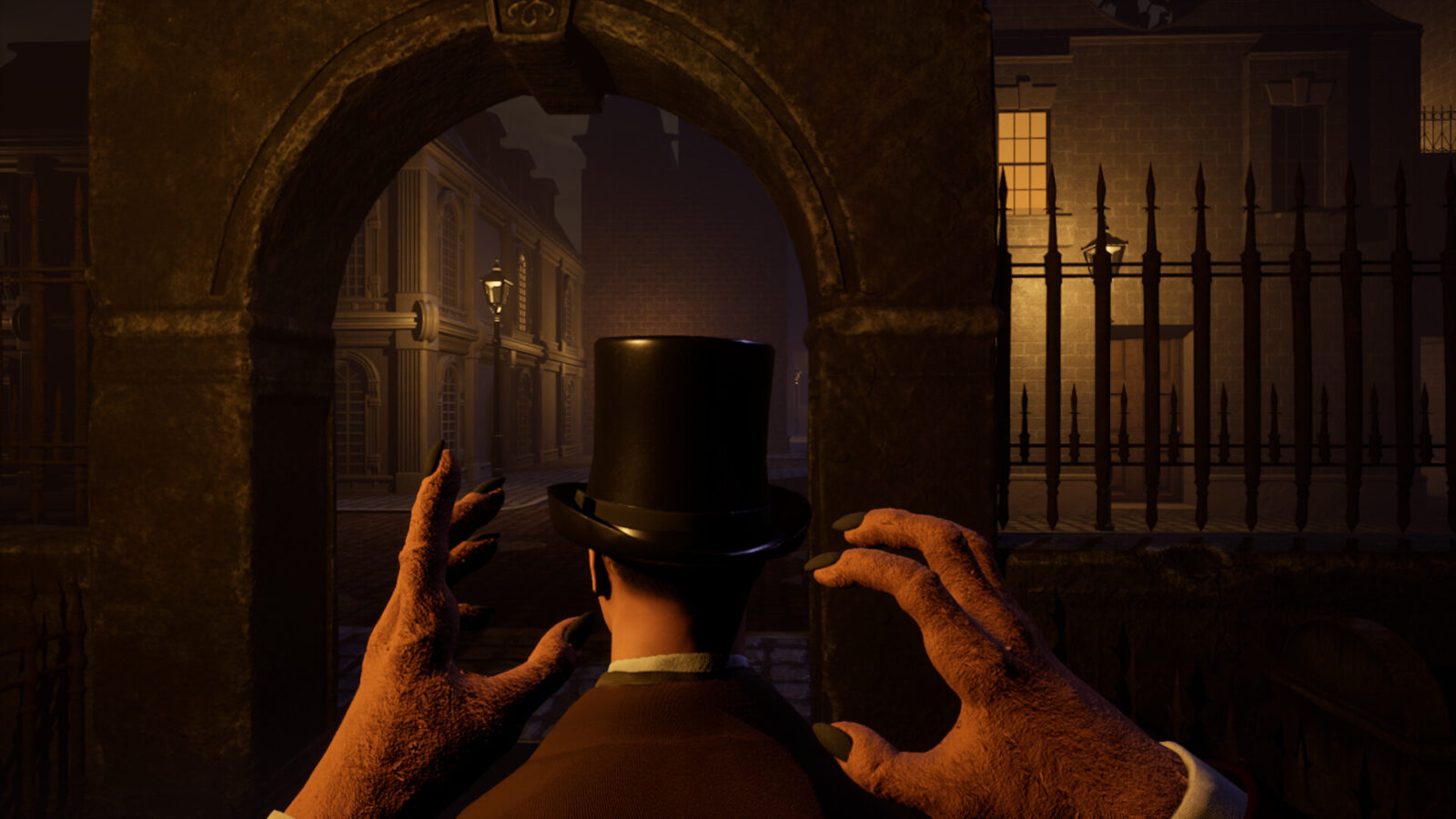
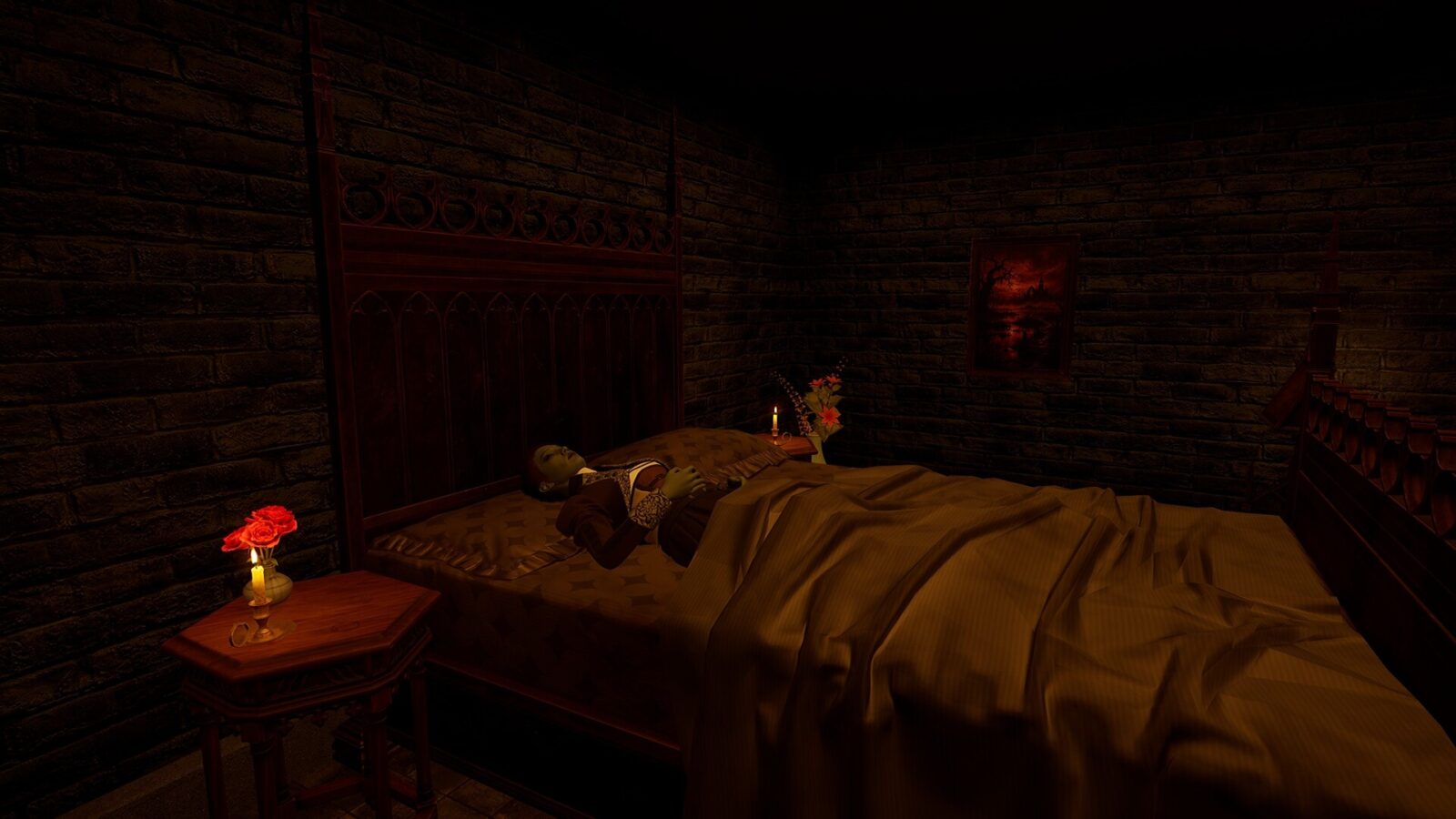
The premise works because it gives the violence a reason that isn’t power or madness. Edmund refuses to accept that Johanna, his human wife, will eventually die, so he tries to turn her. Her body rejects the transformation, and instead of an eternity together he’s left with a wife slowly fading in the next room. That single failed act becomes the engine for everything else in the game, and I appreciate how it reframes the player character. Edmund isn’t a monster enjoying the hunt; he’s a man trying to undo a catastrophic mistake one victim at a time. It reads like Sweeney Todd crossed with a Victorian deathbed drama, with the shopfront hiding something far worse than bad haircuts.
What makes this more than mood-setting is that Johanna’s condition is a mechanic, not just a cutscene. She deteriorates every day, and every night you fail to bring back what her incense needs pushes her closer to death. I find that far more effective than a generic “game over” timer, because the clock has a face and a name. It recalls the bleak arithmetic of Pathologic, where keeping someone alive is a daily negotiation with scarcity rather than a quest you tick off. Whether the writing and performances can sustain that emotional weight is still unknown, but the structure is giving them every chance.
The choice I suspect will haunt every playthrough
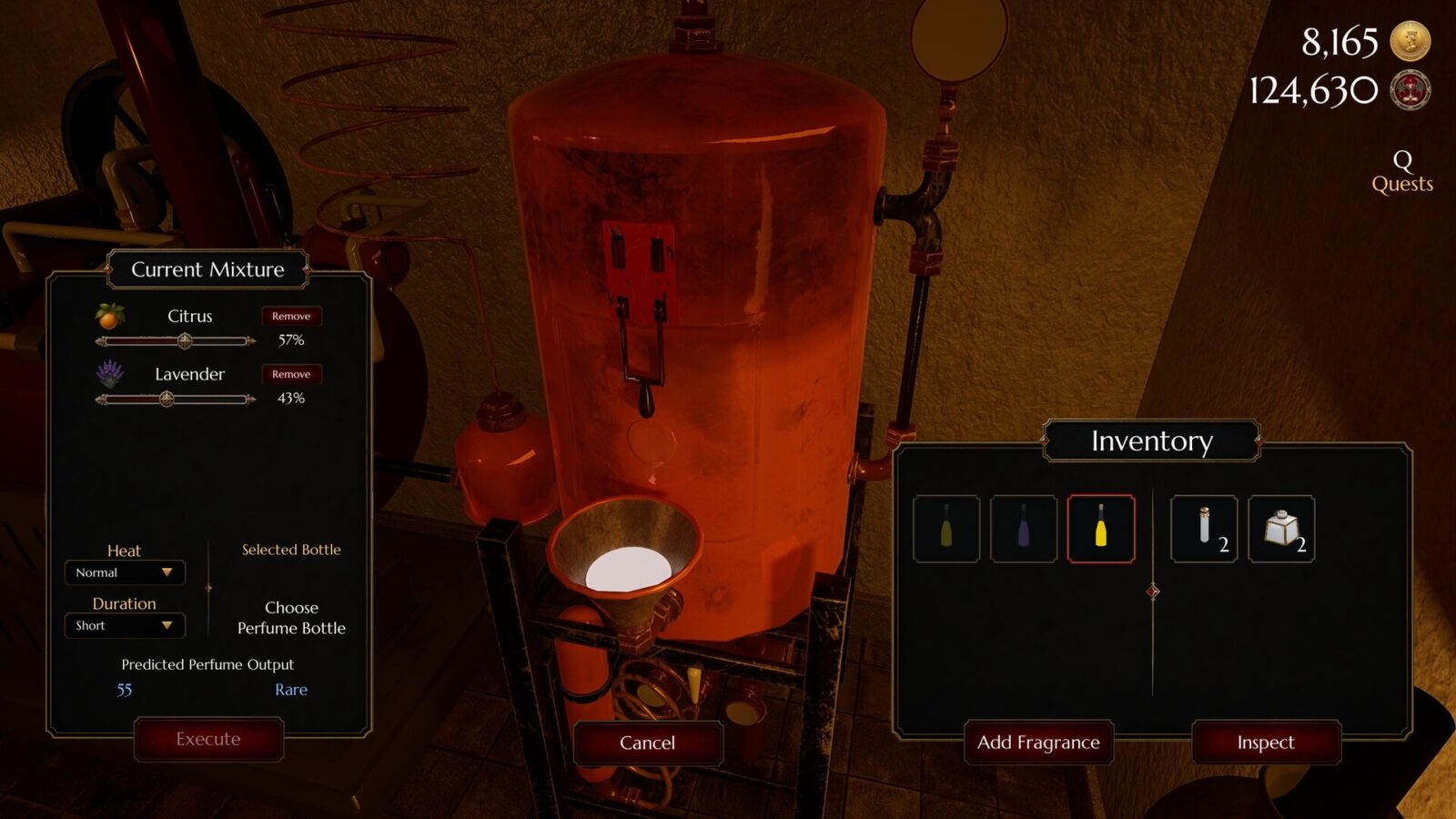
The design decision I keep returning to sits beneath the shop. Human Essence harvested during night hunts gets combined with Vampire Stones scattered around the city to create Human Essence Stones, which are what you brew into Johanna’s healing incense. Those same Vampire Stones can also be converted into Vampire Renown, which unlocks new abilities you equip before heading out. Put simply, every stone spent making Edmund stronger is a stone not spent keeping his wife breathing. That’s the kind of tension most progression systems are too polite to create.
I love this because it turns character building into a moral question. In most action games, upgrading yourself is pure upside; here, it’s arguably selfish, and it’s also arguably the only way to survive long enough to save her at all. A more capable Edmund hunts more efficiently, which means more essence, which means more incense later. Spend too much on yourself, though, and “later” might not arrive for Johanna. If the balancing gives players genuinely painful decisions rather than an obvious optimal path, this could be the system people talk about most.
Night hunting where sloppiness starves you
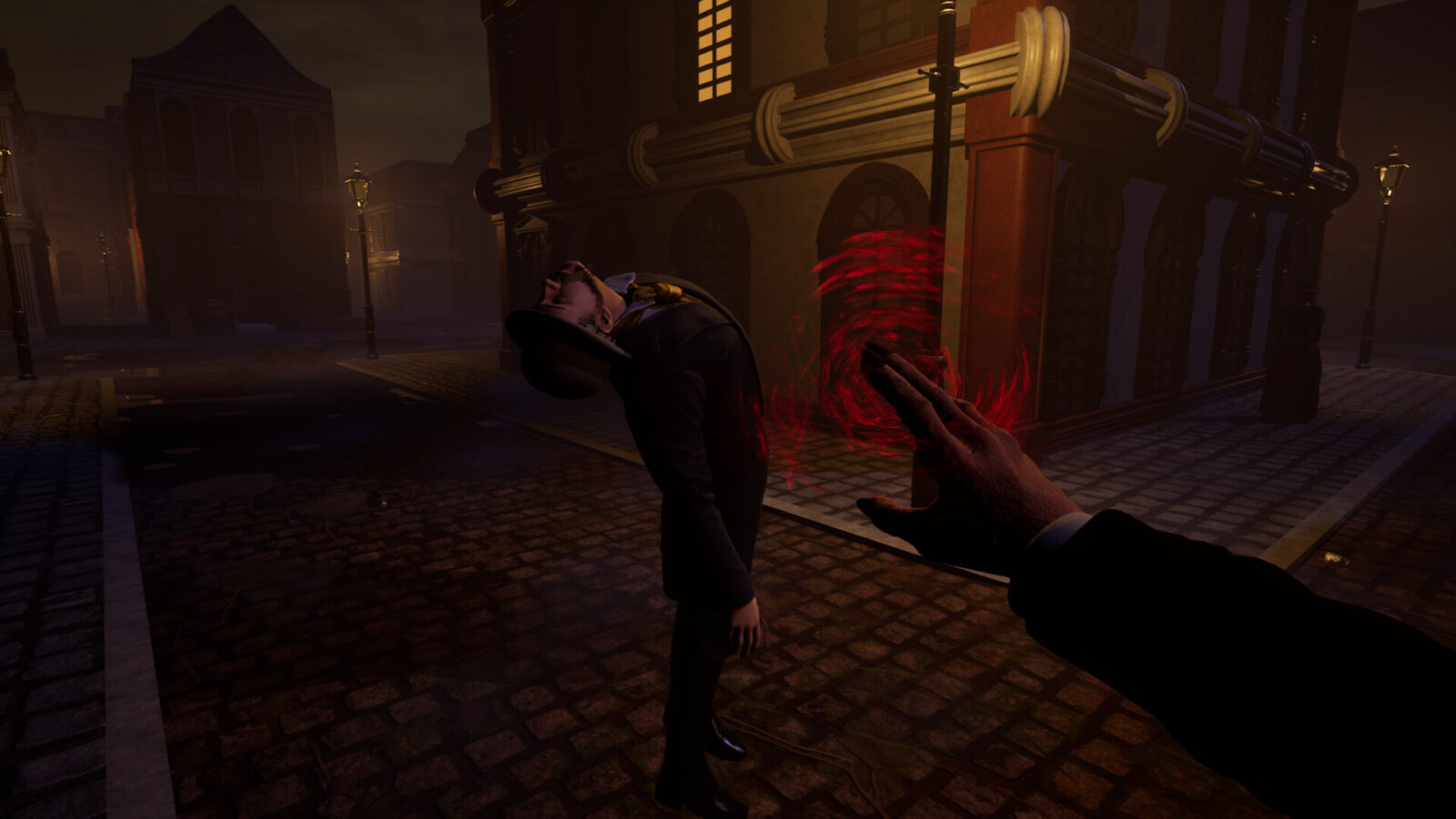
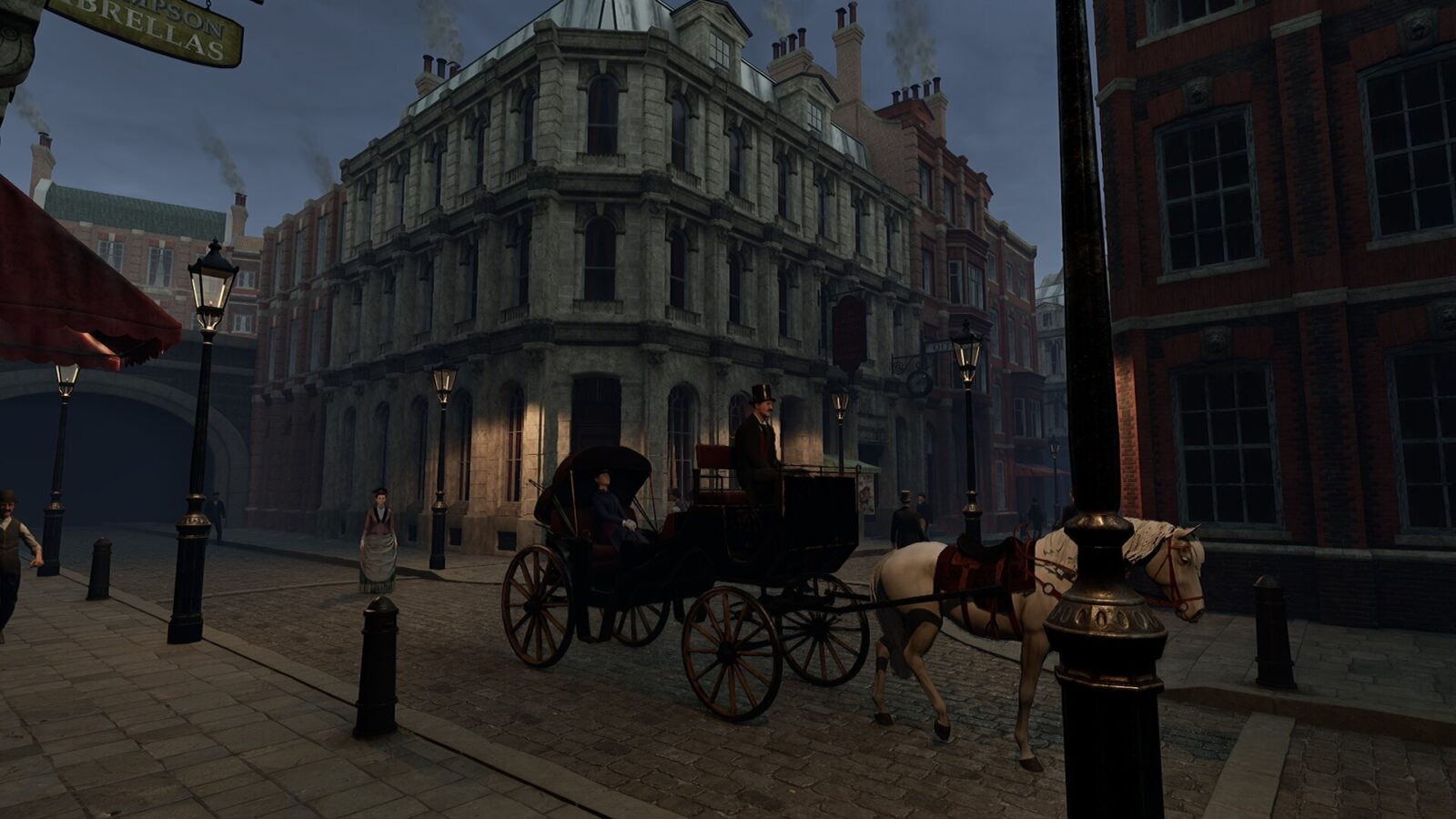
After dark, Pale Incense shifts into stealth and survival in a gothic city filled with prey, threats and hidden resources. Hunger is the driving force: let it run out and Edmund starts losing health, so you can’t simply hide indoors and wait out the danger. What interests me is how the game punishes carelessness. Leave a body where it can be found and the discovery causes panic, and if too many witnesses see Edmund for what he is, an entire district goes on alert and its streets empty for a while.
That consequence is cleverer than a standard alarm meter. Getting caught doesn’t just summon guards; it erases your food supply in that area, which feeds back into your hunger, your stock of essence and ultimately Johanna’s health. It’s the Hitman principle of body disposal with real economic teeth attached. I expect this will push players towards patience and careful victim selection, which suits the fantasy of an aristocratic predator far better than button-mashing through crowds. The open question is how readable and fair the panic system will feel moment to moment, which only hands-on time can answer.
A city with its own predators
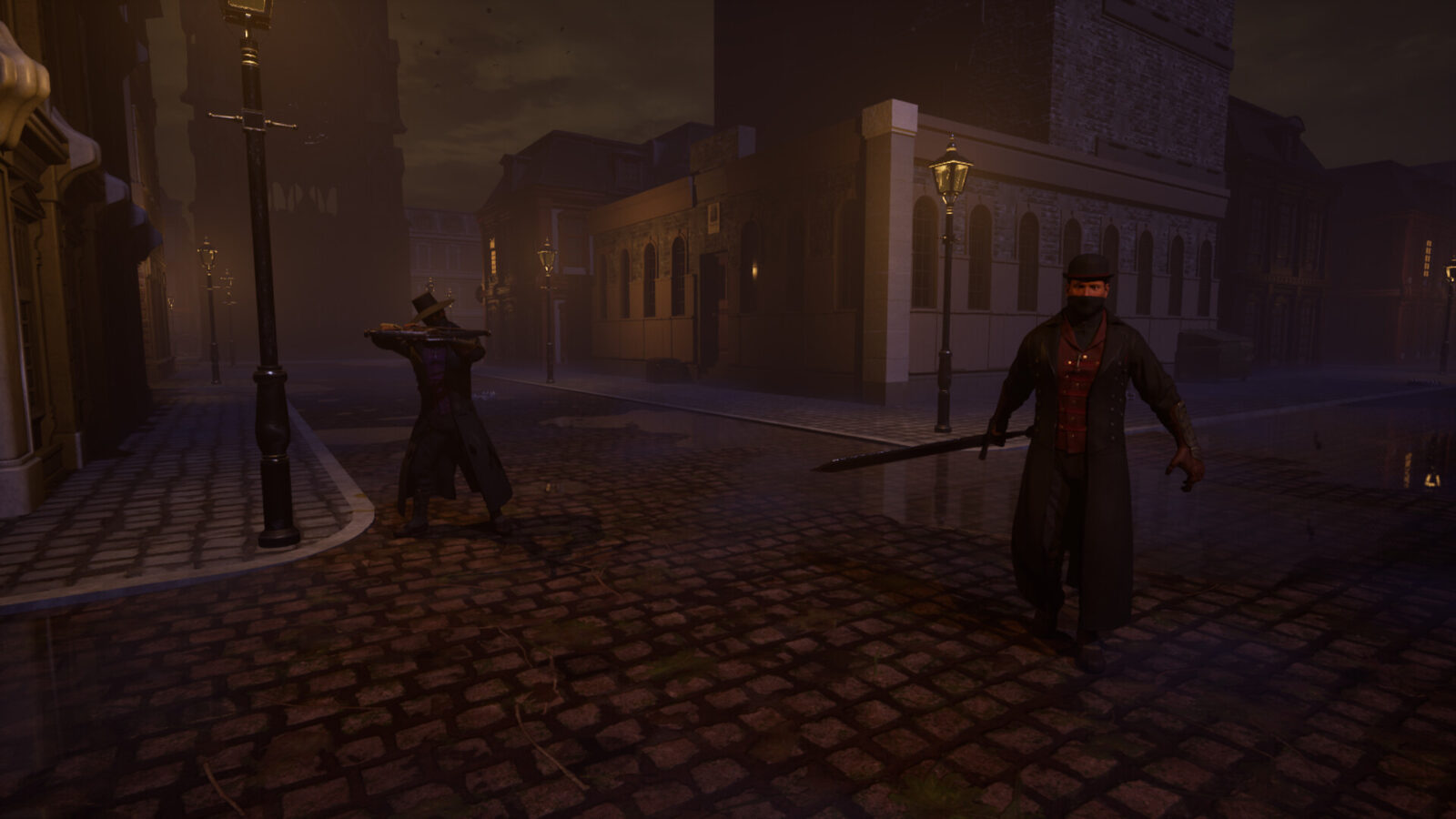
The roster of threats is where Pale Incense shows real personality. The Scrooge Brothers are vampire hunters who track Edmund through every district except the Back Alley. A mysterious archer harasses you from the rooftops. And the Back Alley itself, the one place the hunters won’t follow, belongs to an invulnerable werewolf far stronger than Edmund, which you’re meant to flee rather than fight. I adore the cheek of that last one: the vampire game’s safe zone is guarded by something that makes you the prey.
That layout creates a fascinating risk map. Escaping the brothers means ducking into territory owned by an unkillable beast, so every chase becomes a calculation about which monster you’d rather gamble on. It’s the same anxiety Alien: Isolation built with its xenomorph, where the threat’s presence reshapes your route even when it isn’t on screen. Layer on the hard dawn deadline, which demands you reach a boat on the riverbank before sunrise or burn to certain death, and every outing gains a natural push-your-luck rhythm. One more victim, one more hidden cache, one more alley, and suddenly the sky is turning grey.
Perfume crafting as the daytime hook
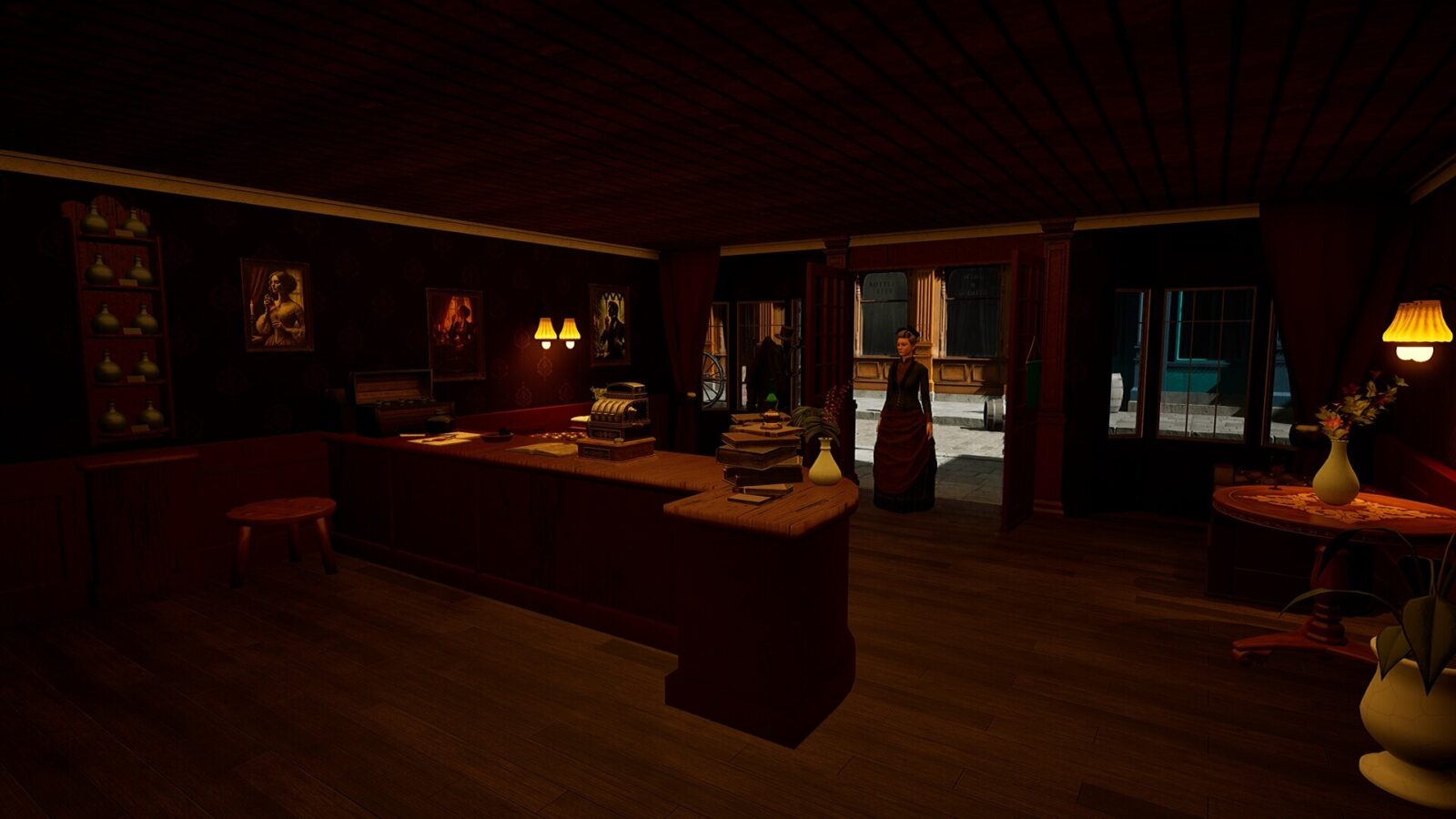
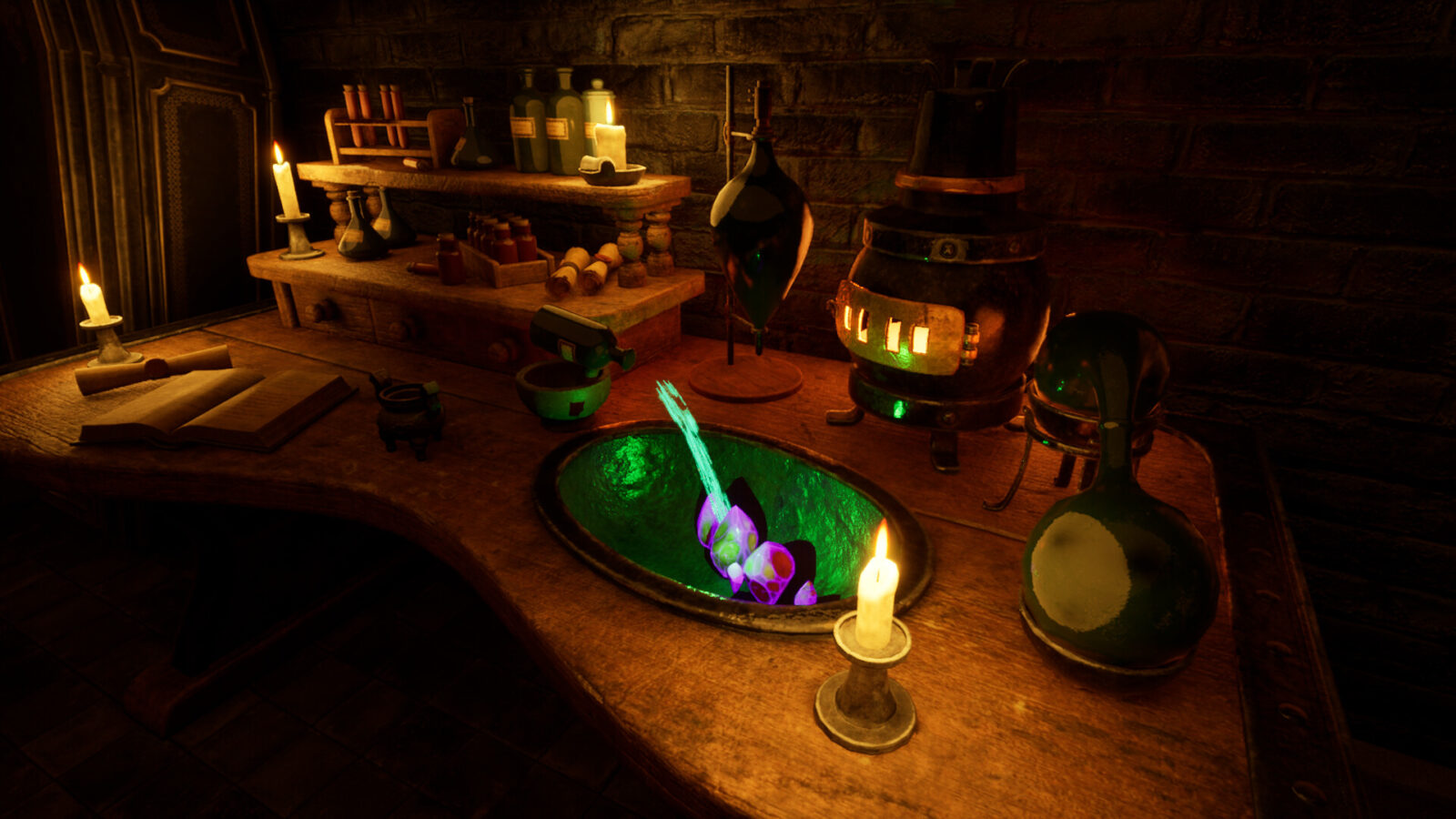
Daylight hours belong to the laboratory and storefront. You blend scent types made from traditional ingredients alongside essences drawn from human blood, then combine those into unique perfumes to sell. The developer is promising 30 scent types and 20 perfumes, which strikes me as a healthy spread for a crafting layer that’s sharing the spotlight with a full stealth game. The macabre twist does a lot of work here; a lovely bottle on the shelf is far more interesting when you know whose final evening went into it.
The shop has a straightforward but sensible economy. You fulfil customer requests, sell perfumes, earn money and upgrade equipment to increase production and storage. Crucially, this links the two halves of the day rather than leaving them as separate minigames. Better hunts mean better stock, better stock means more income, and more income means a more capable operation. Graveyard Keeper had a similarly grim business loop, and it showed how addictive running a morally dubious enterprise can become when the numbers keep climbing. Pale Incense’s challenge will be keeping the daytime half engaging enough that it never feels like paperwork between the exciting bits.
Upgrading the lair, and why the bed matters
Money also flows into the lair, which you can improve and customise to your own taste. Cosmetic decoration is a nice touch for players who enjoy building a gothic den, but one specific upgrade caught my attention more than any amount of velvet drapery. Improving the vampire bed reduces how much hunger Edmund loses while sleeping. That’s a small detail with large implications, because it directly extends how much breathing room you have each night.
It tells me the designer is thinking about how upgrades change behaviour, not just how they look. A lower hunger drain means you can afford to be pickier about victims, take safer routes and avoid the desperate, sloppy kills that trigger district panic. That one purchase ripples through the stealth layer, the economy and Johanna’s survival all at once. If more of the game’s upgrades are built with that same interconnected logic, the progression should feel meaningful rather than incremental.
Pale Incense PC requirements, languages and price
This is a 3D first-person game, and the system requirements reflect that ambition. The minimum spec asks for an Intel Core i7-4770 or AMD Ryzen 5 1600, 16 GB of RAM and a GeForce GTX 1060 6 GB or Radeon RX 580 8 GB. The recommended spec bumps that to an Intel Core i5-8400 or Ryzen 5 3600 paired with an RTX 30 Series card or Radeon RX 6700 XT. Both tiers need just 6 GB of storage. The 16 GB RAM floor is on the steeper side for an indie, though the small install size hints at a focused city rather than a sprawling open world padded with filler.
English is supported with full audio, interface and subtitles, while Turkish, German, Brazilian Portuguese and Latin American Spanish receive interface and subtitle support. No price has been announced, and that’s the biggest unknown for me. A project this systemically dense from a solo developer could become a real word-of-mouth success at a typical indie price point. Performance is another open question; with nothing playable to measure, I can’t speak to frame rates or optimisation yet.
Final Verdict
Pale Incense has the most compelling premise I’ve seen from an upcoming indie in some time, and more importantly, its systems actually serve that premise. Johanna’s failing health turns the clock into a character, the Vampire Stones dilemma forces a genuine choice between your own power and her survival, and the panic system makes careless kills cost you food rather than just triggering an alarm. The Scrooge Brothers, rooftop archer, invulnerable werewolf and unforgiving sunrise give the city a sense of danger that most vampire power fantasies quickly lose. The perfume crafting, with its unsettling ingredient list, is a genuinely fresh angle on the shop-sim genre.
The caution is unavoidable: there’s no release date, no price and no hands-on evidence yet that the day and night halves are balanced, that the stealth feels responsive, or that the story can carry its emotional weight. Systems that read brilliantly on a store page can still feel fiddly in practice, and this game has a lot of interlocking parts that must all click. Even so, if you enjoy dark management sims, deliberate stealth or gothic fiction with a tragic heart, this deserves a spot on your wishlist now. If you want an unstoppable vampire tearing through crowds, the game’s insistence on fleeing and hiding probably isn’t your flavour. Consider the score below a provisional first-look rating that will be revisited once the full game is out.