


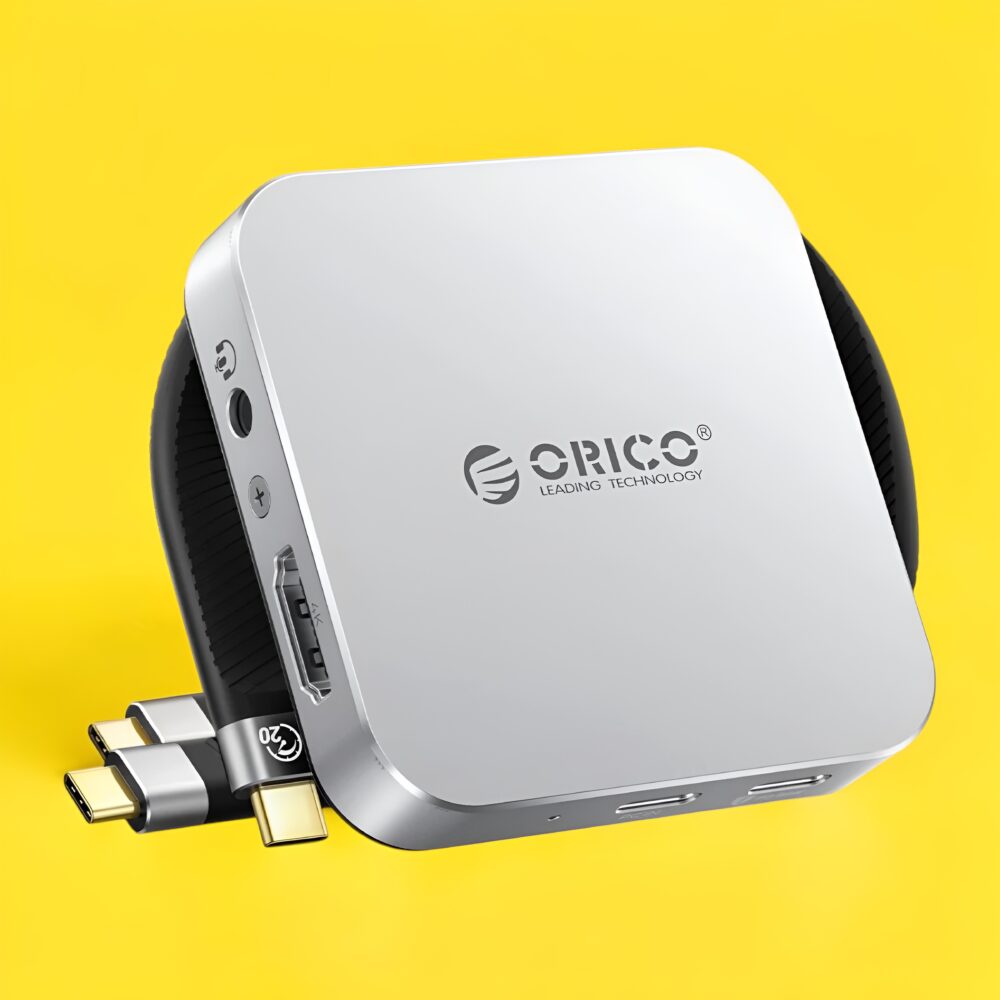

TL;DR: The ORICO MG5-G2 is a magnetic M.2 2230 SSD enclosure and 6-in-1 USB-C hub in one, built for creators who record ProRes on iPhones and want storage, HDMI, audio and 100W charging in a single pocketable puck. It’s limited by a shared 10Gbps uplink and 2230-only support, but it’s smart and good value for mobile video work.
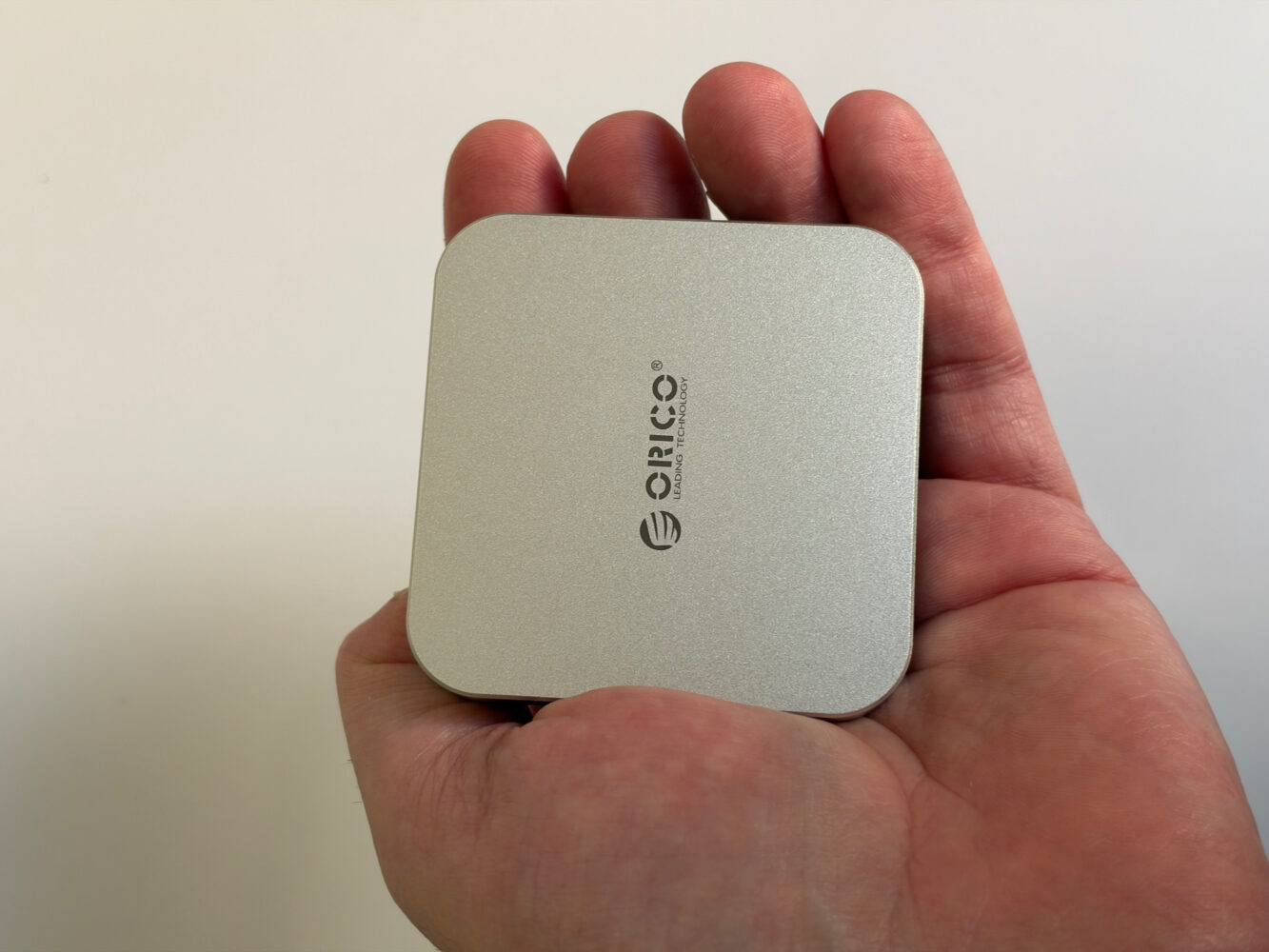
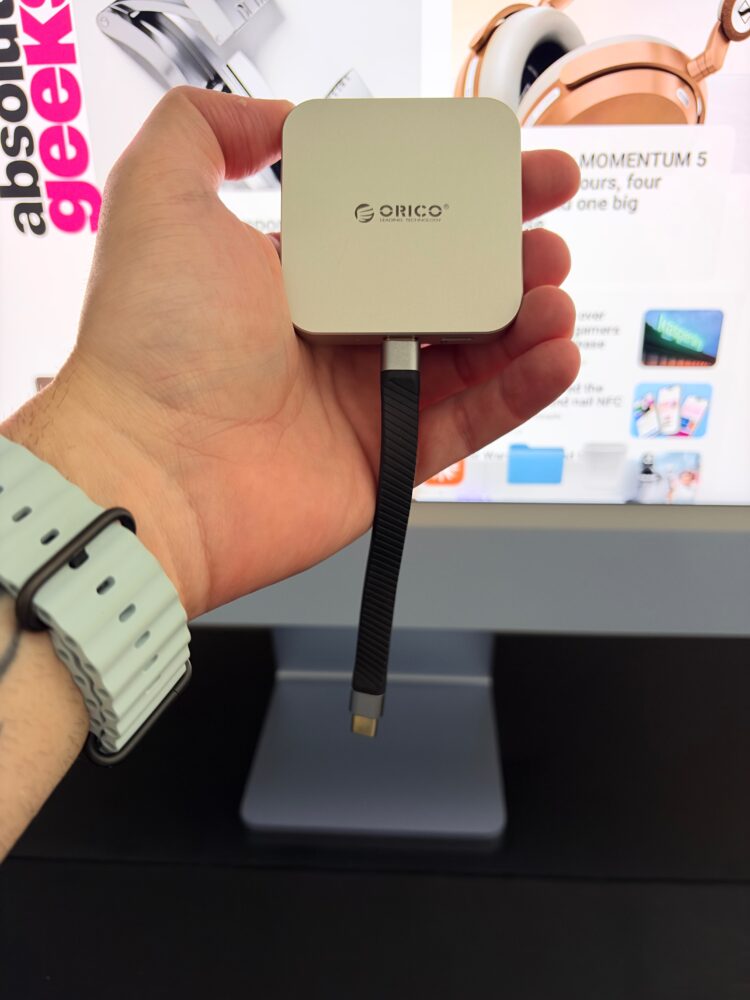
The ORICO MG5-G2 is one of those gadgets that sounds like a dare on paper. Take an M.2 2230 NVMe SSD enclosure, add a USB-C hub with HDMI, USB-A, USB-C and a headphone jack, put magnets on it, and stick it to the back of a phone. The result is a 64 x 64 x 12mm square of aluminium and ABS that weighs about 52 grams. It wants to be a storage drive, a dock and a recording backpack for your phone all at once. In this ORICO MG5-G2 review I’m less interested in whether that’s possible and more interested in whether it makes sense, because “6-in-1” accessories often do six things badly instead of one thing well.
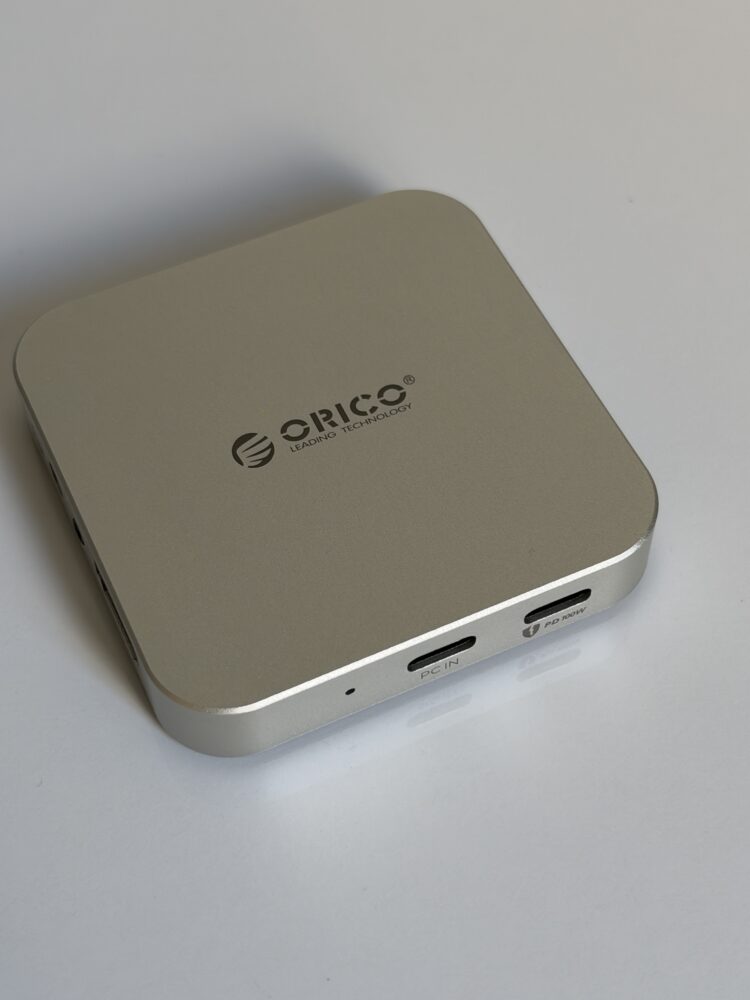
What makes it interesting is who it’s built for. Since Apple let the iPhone Pro line record ProRes straight to external storage, mobile videographers have been taping SSDs to phone cages and dangling cables everywhere like a low-budget heist movie. The MG5-G2 tries to clean that up by putting the storage, a power passthrough and a mic input on one magnetic puck. It’s a niche product, but it’s a real niche, and one that keeps growing.
Design and magnetic mount: small, square and properly portable
The square shape is clearly built around MagSafe, and the dimensions keep it close to the footprint of a standard magnetic wallet. ORICO sells it in silver, blue and orange, which is a nice change from the usual grey-box hub. The aluminium shell should also help pull heat away from the SSD inside, and ORICO includes thermal pads in the box for that purpose. Also included are a magnetic ring for phones without MagSafe (and for Android devices), a short 13cm USB-C to USB-C cable rated at 20Gbps, a screwdriver and spare screws. The cable is short on purpose, because the drive sits on the phone’s back and only needs to reach its port, and that keeps the setup tidy.
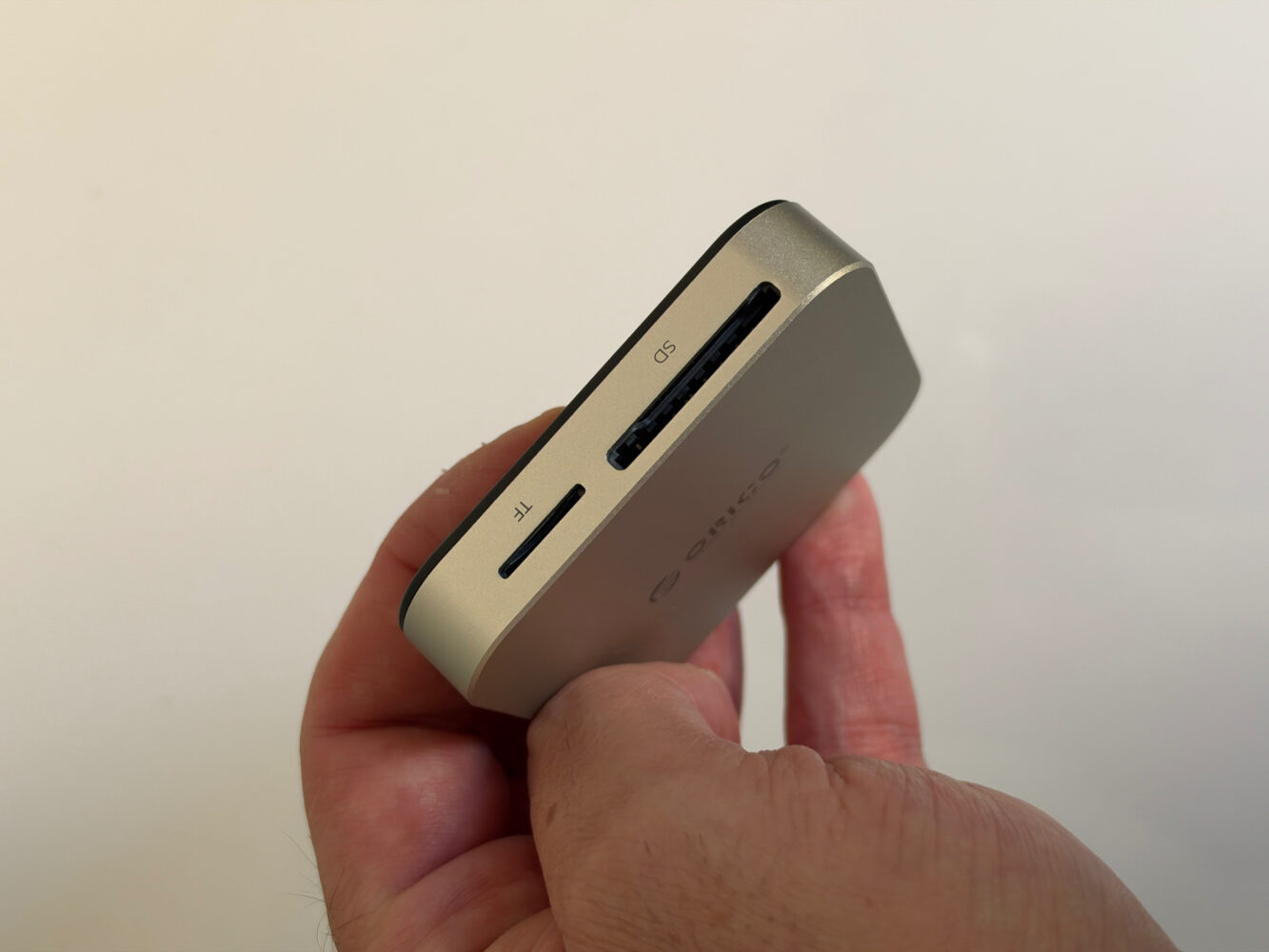
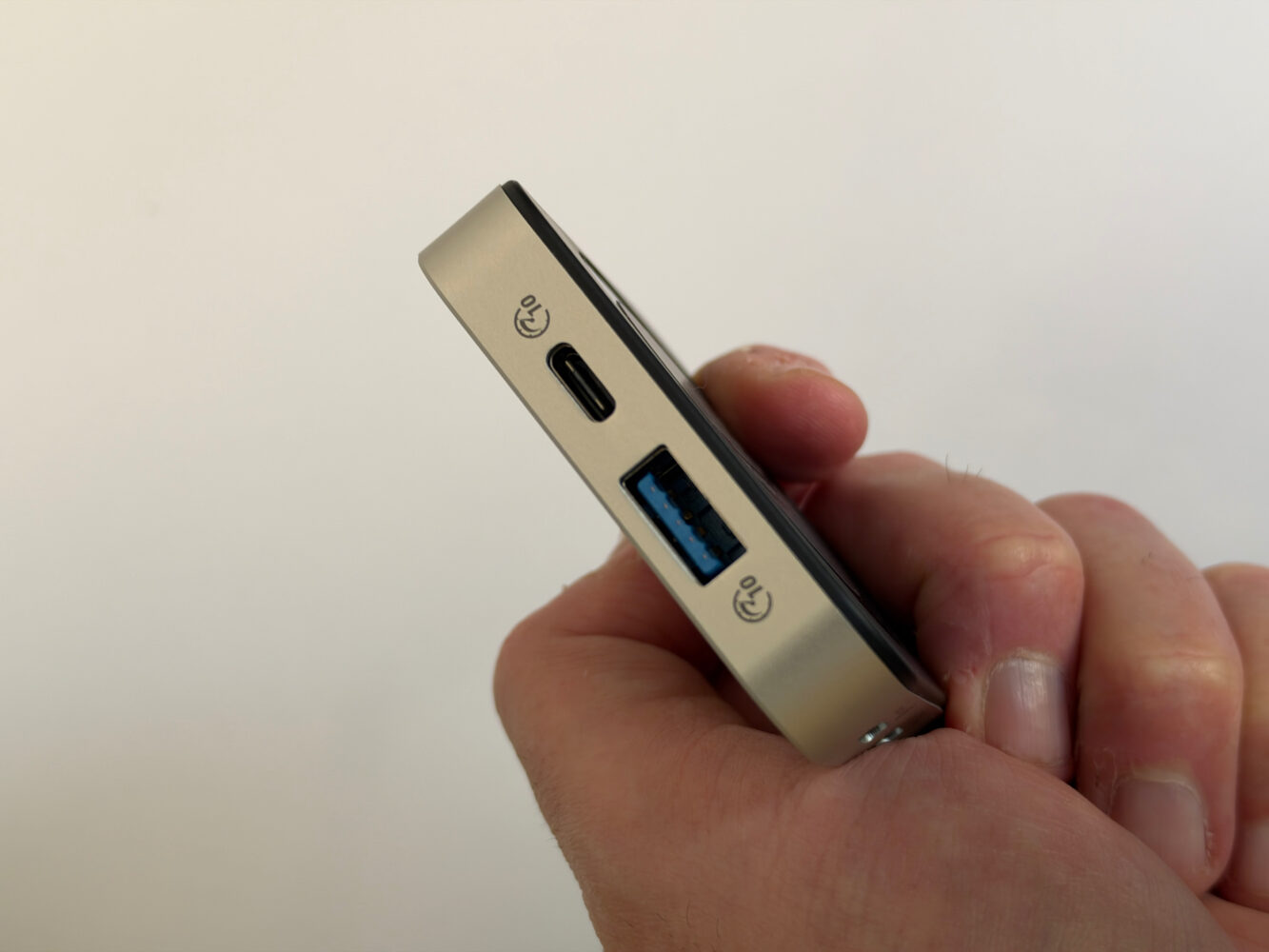
The trade-off is that installing the SSD isn’t tool-free. You unscrew the cover, seat a 2230 drive, add the thermal pad and close it up again. It’s a one-time job, so it’s a minor complaint, but it’s worth knowing that this only takes the short 2230 form factor used in handhelds like the Steam Deck. Longer 2242 or 2280 drives you may have lying around won’t fit. ORICO lists support for drives up to 2TB, and it also sells versions with 256GB or 512GB already installed if you don’t want to shop for one separately.
Ports and connectivity: more dock than drive
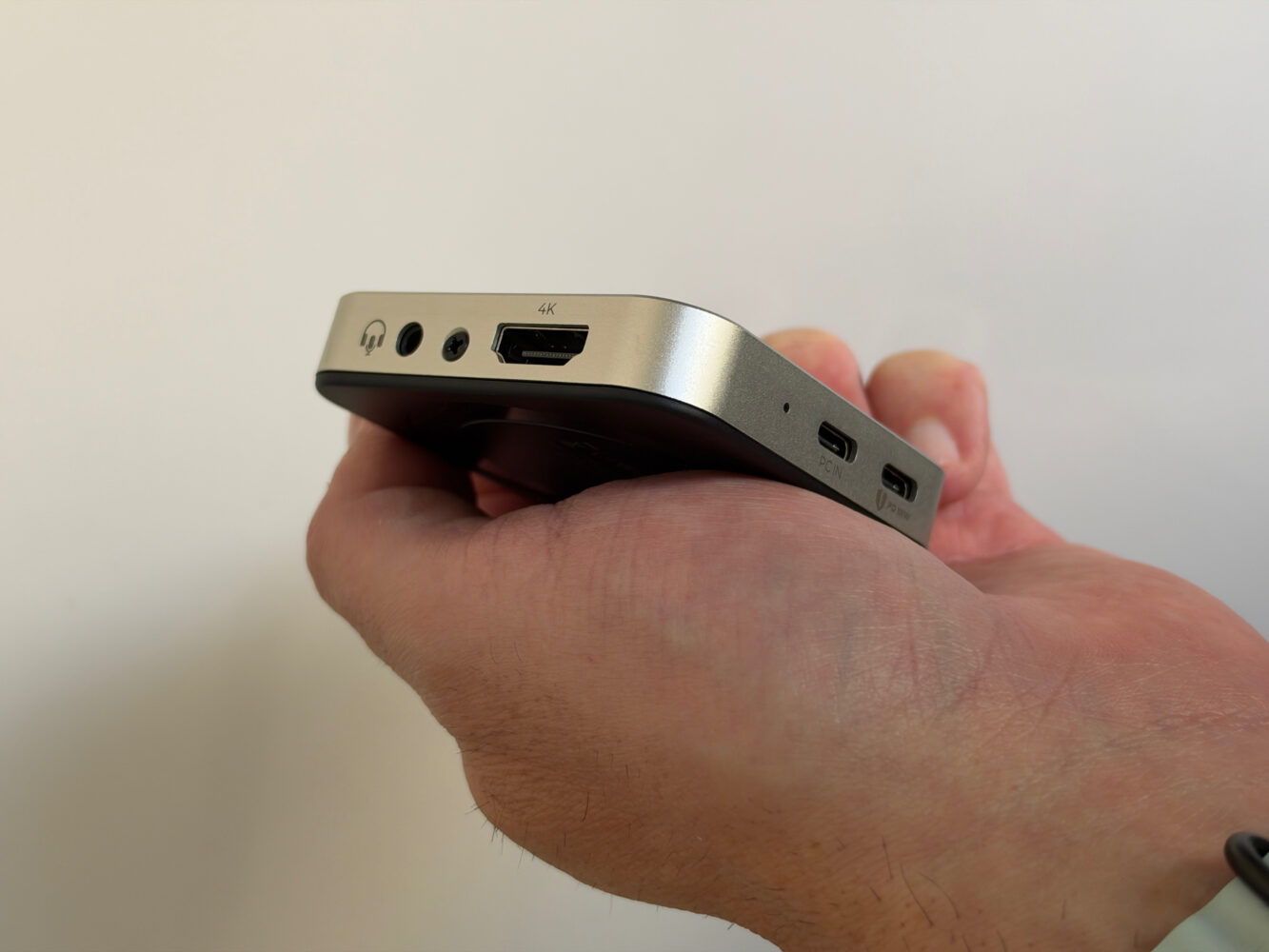
The port selection is what separates the MG5-G2 from a plain magnetic SSD. You get a 10Gbps USB-A port, a 10Gbps USB-C port, an HDMI output rated for 4K at 60Hz, a 3.5mm headset jack and a USB-C power input that accepts up to 100W Power Delivery. That turns a phone, tablet or laptop into something closer to a workstation. You can mirror to a monitor, plug in a mic, attach another drive and charge everything from one wall adapter. ORICO lists support for Windows, macOS, Linux, Android and iOS, which covers almost anything with a USB-C port.
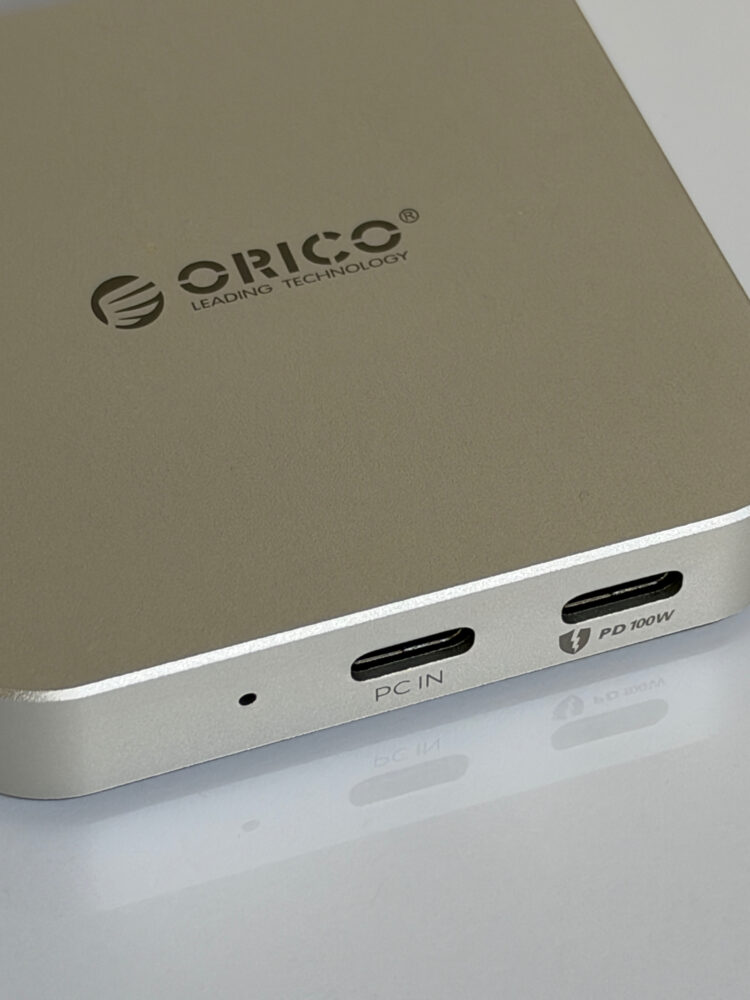
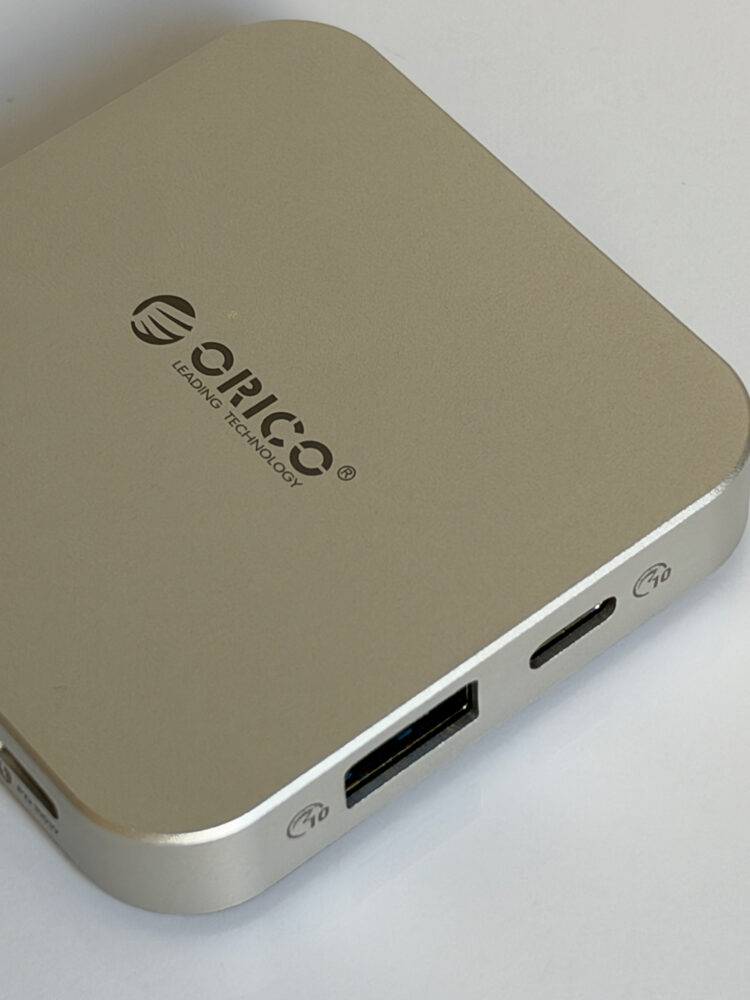
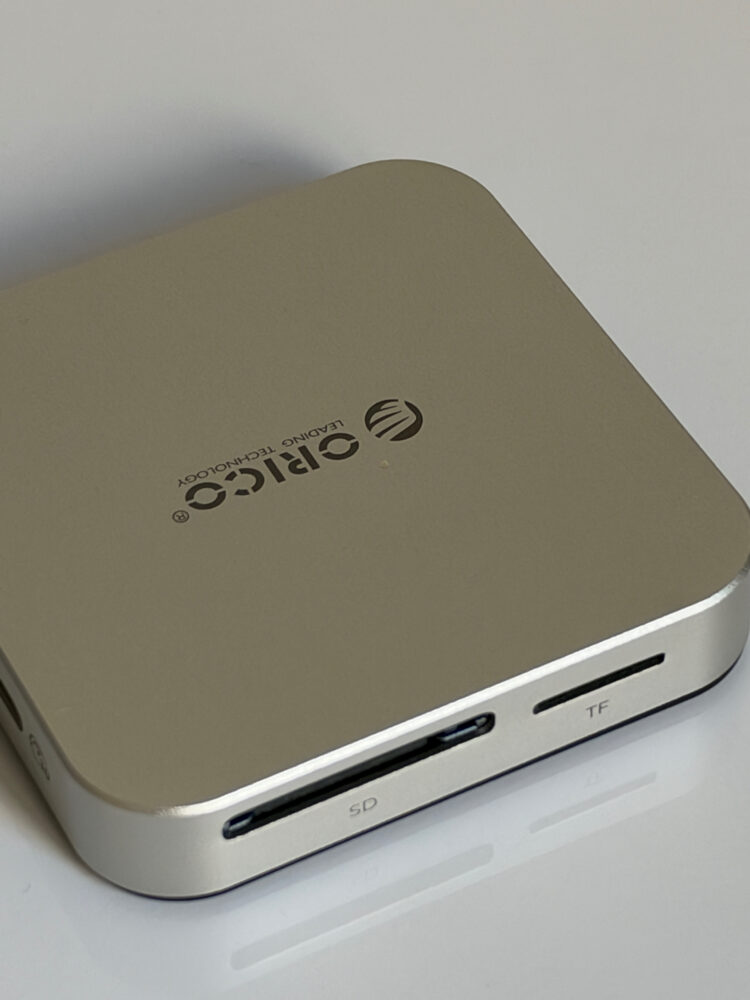
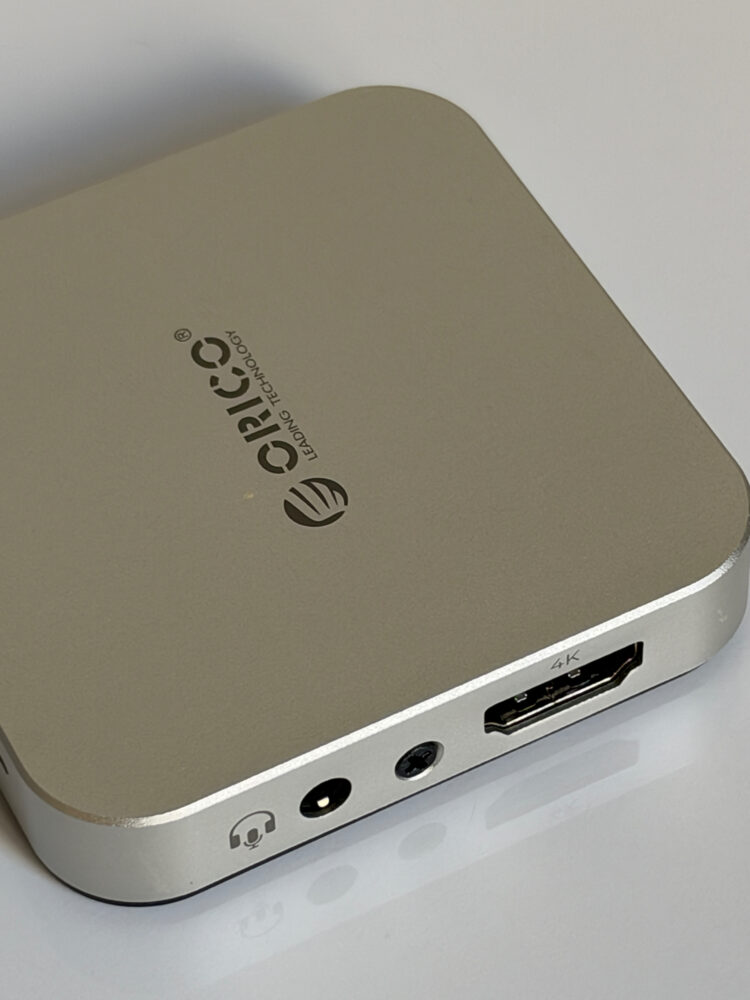
The number to remember is the single 10Gbps uplink. Everything here, from the SSD to the extra ports, goes through one USB 3.2 Gen 2 connection to the host. If you’re copying from the internal drive while also pulling data through the USB-A port, they’re sharing that bandwidth. For phone video that’s plenty of headroom. For people who want NVMe speeds on a laptop, it means the drive will run well below what the SSD can actually do. If you want SD and microSD slots on top of all that, ORICO’s MG7-G2 sibling adds both in the same footprint.
ProRes recording and creator workflow: where it earns its place
This is the main reason to buy one. ORICO says the MG5-G2 can record 4K ProRes from recent iPhone Pro models straight to the installed SSD, including 4K at 120fps on phones that support it. ProRes files are huge, so writing them to an external drive saves internal storage, which matters on a 256GB phone that fills up after a few takes. Being able to plug a wired mic into the headphone jack while recording, and feed power through the PD port, means long shoots without hunting for a second adapter.
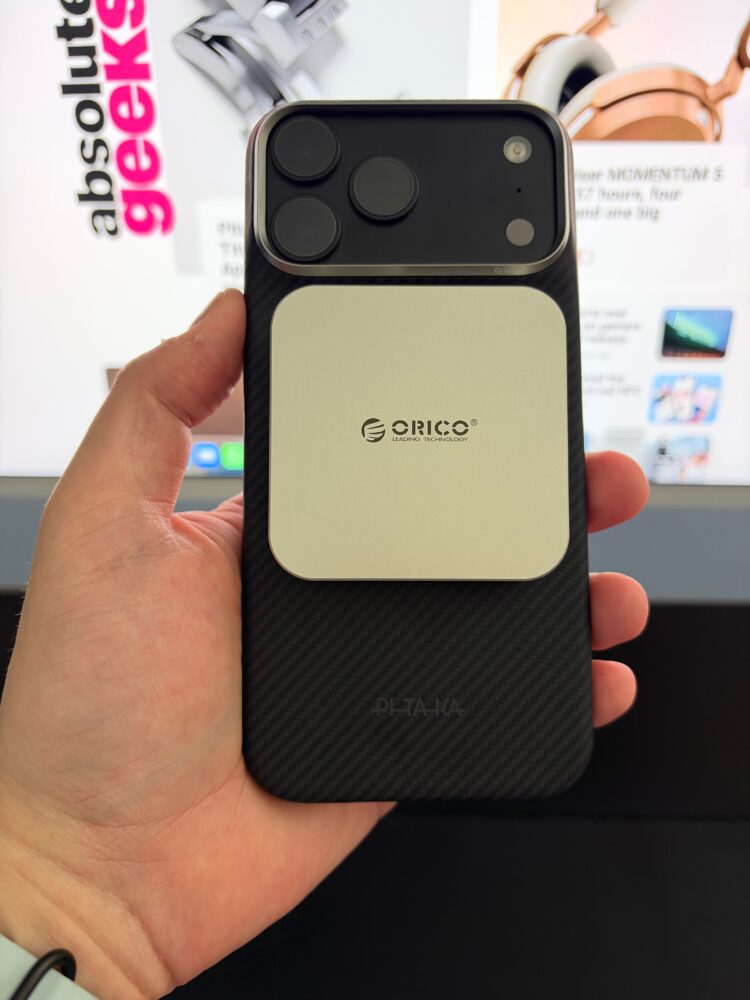
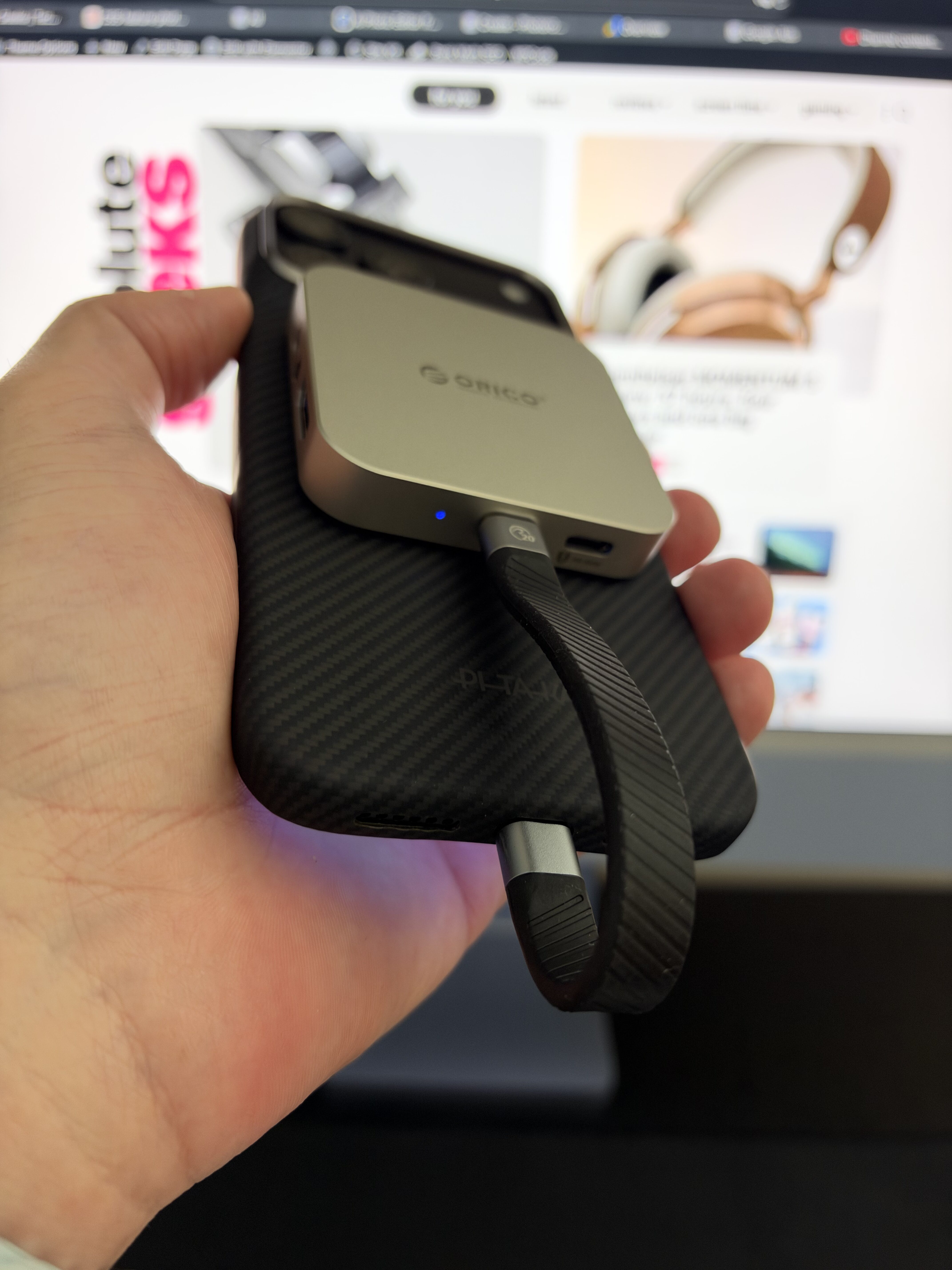
The magnetic design is what makes this workable. A drive that clings to the back of the phone stays out of the way when you’re holding it one-handed or mounting it on a gimbal. With a separate SSD on a cable, it’s only a matter of time before the drive swings off mid-shot. My caveat is that I can’t vouch for sustained write stability or heat during long recordings without long-term testing data. Those two things will decide whether this is a reliable production tool or a nice idea. A small enclosure pressed against a phone that’s already running warm is the scenario to watch.
Who should buy it and how it compares
ORICO’s store lists the MG5-G2 at $49.99 regular price, often discounted to around $44, with no SSD included. Compared with buying a separate magnetic SSD and a separate USB-C hub, that’s a sensible price for something that combines both. Standalone magnetic SSDs from the bigger storage brands usually come with fixed capacities and none of the hub features. The MG5-G2 lets you choose your own drive and upgrade it later. That’s a real advantage if you already own a 2230 SSD or want 2TB without paying a premium for a sealed unit.
People who should skip it are the ones who just want fast external storage for a laptop. A dedicated 20Gbps or Thunderbolt enclosure will be noticeably faster. Anyone who rarely shoots video on their phone also won’t get much from the magnets. It makes the most sense for mobile creators, journalists, vloggers and people who travel light and want one small square that turns a phone or tablet into a proper workstation.
Verdict
The ORICO MG5-G2 takes three accessories mobile creators often carry separately and combines them into one tidy magnetic square. Its strengths are the compact, colourful aluminium design and the ability to use your own 2230 SSD up to 2TB. It also offers a useful mix of 4K60 HDMI, 10Gbps USB-A and USB-C, a mic-friendly headphone jack and 100W PD passthrough, all built around external ProRes recording on iPhone Pro models. Its weaknesses are the shared 10Gbps ceiling, the screw-down drive installation, support for only the 2230 size, and open questions about heat during long recordings. At about $50 before storage, it’s good value for its target audience and unnecessary for everyone else. If you shoot serious video on your phone, it’s an easy recommendation. If you just need a fast laptop drive, look elsewhere.