
TL;DR: The OPPO A7 Pro 5G trades raw power for what actually keeps a phone alive: an 8,000mAh battery built to last six years, IP69K protection, military-grade toughness and a bright 120Hz AMOLED display. The 50MP selfie camera impresses, but the modest chip, missing ultrawide and Wi-Fi 5 hold it back.
Most phones don’t die from being slow. They die from rain, sand, a bad drop on a tile floor, or a battery that gives up halfway through the afternoon. The OPPO A7 Pro 5G is built around that uncomfortable truth, and it leans into it with an 8,000mAh battery, IP69K water and dust protection, military-grade shock resistance and a screen that keeps working in a downpour. That is a very different pitch from the usual benchmark bragging, and I think it’s the right one for the people this phone is aimed at. It’s less about winning spec-sheet wars and more about being the phone that’s still standing when the others have tapped out.

The compromises are just as easy to spot. This is not a gaming powerhouse, the rear camera setup is essentially one serious lens and a helper, and a couple of spec choices feel like they belong to an older generation. What makes this OPPO A7 Pro 5G review worth reading is figuring out whether all that toughness and endurance outweighs those gaps. For a lot of buyers, I’m confident it will. For spec chasers, it won’t, and I’ll be clear about exactly where that line sits.
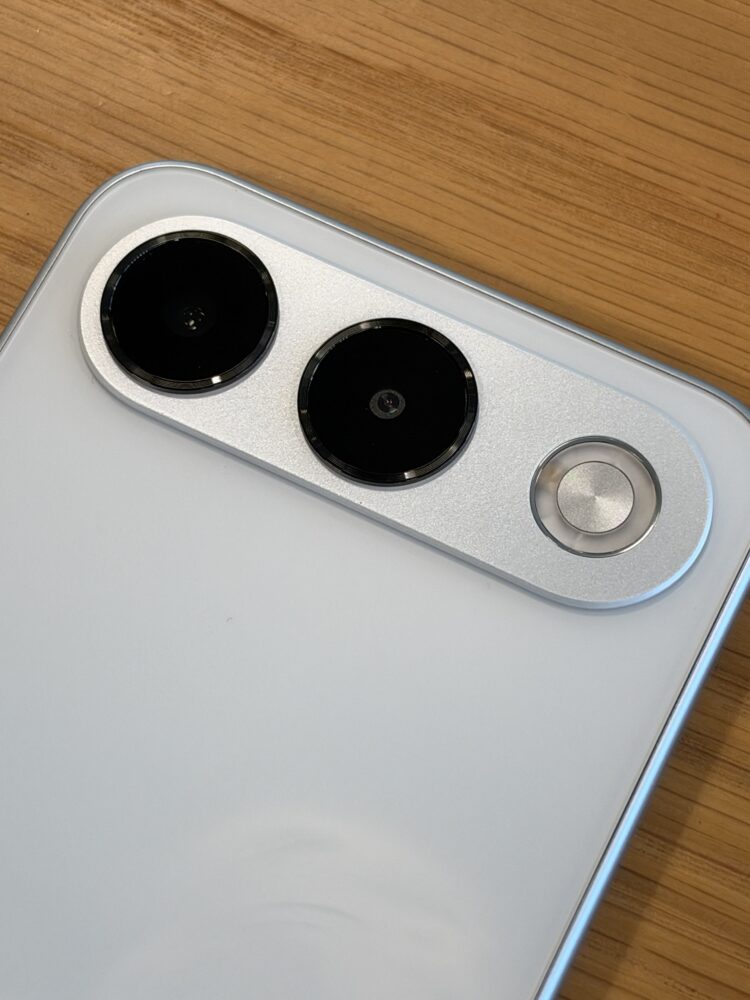
The horizontal camera bar finally gives the A-series a personality
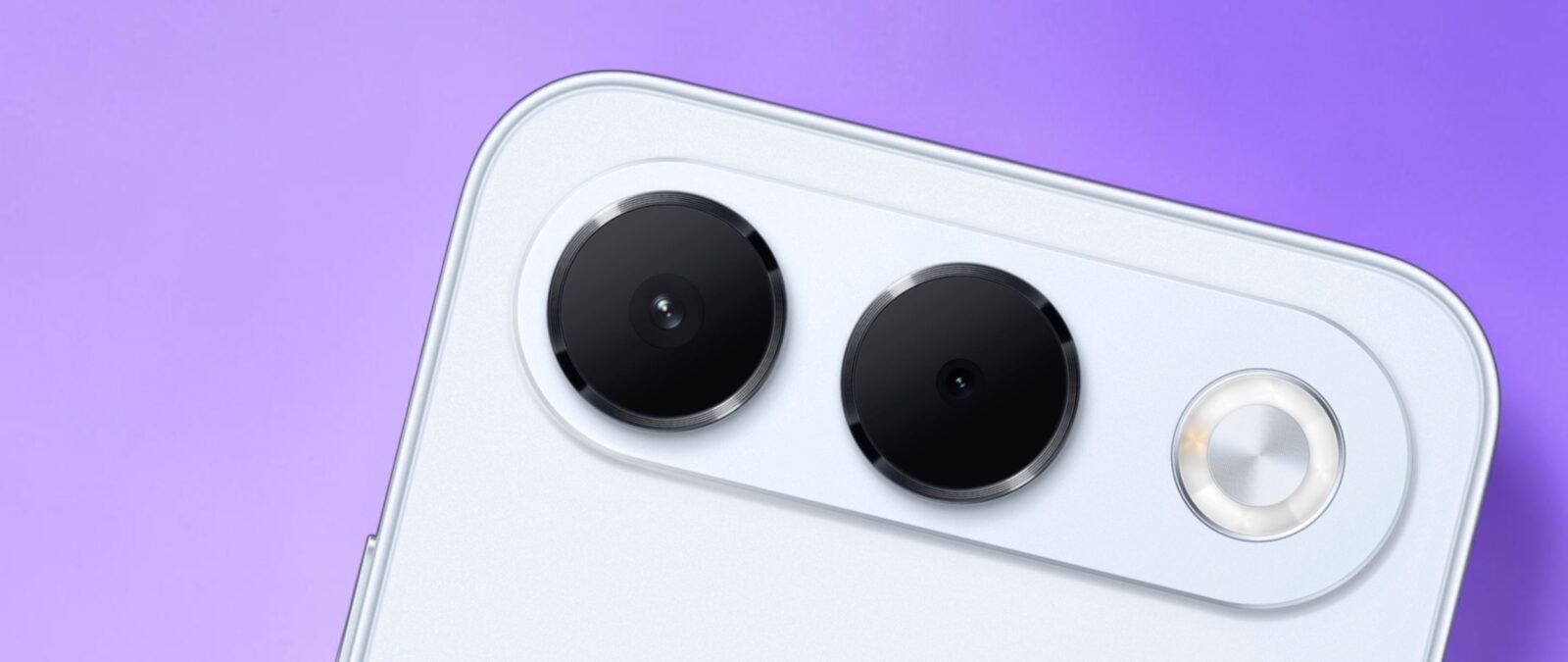
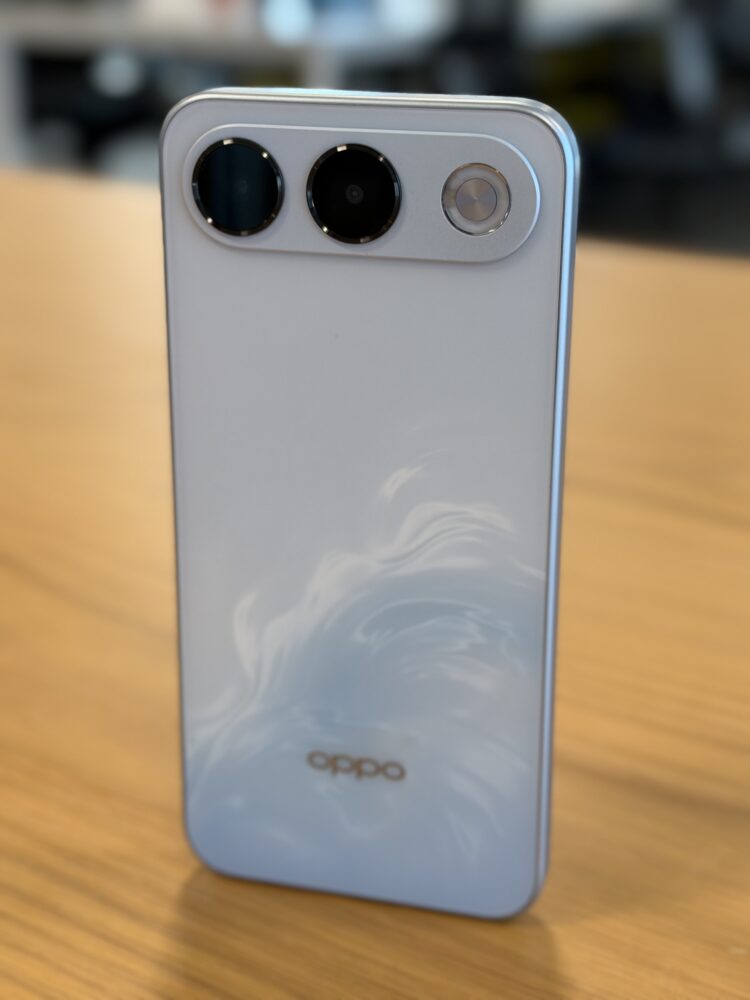
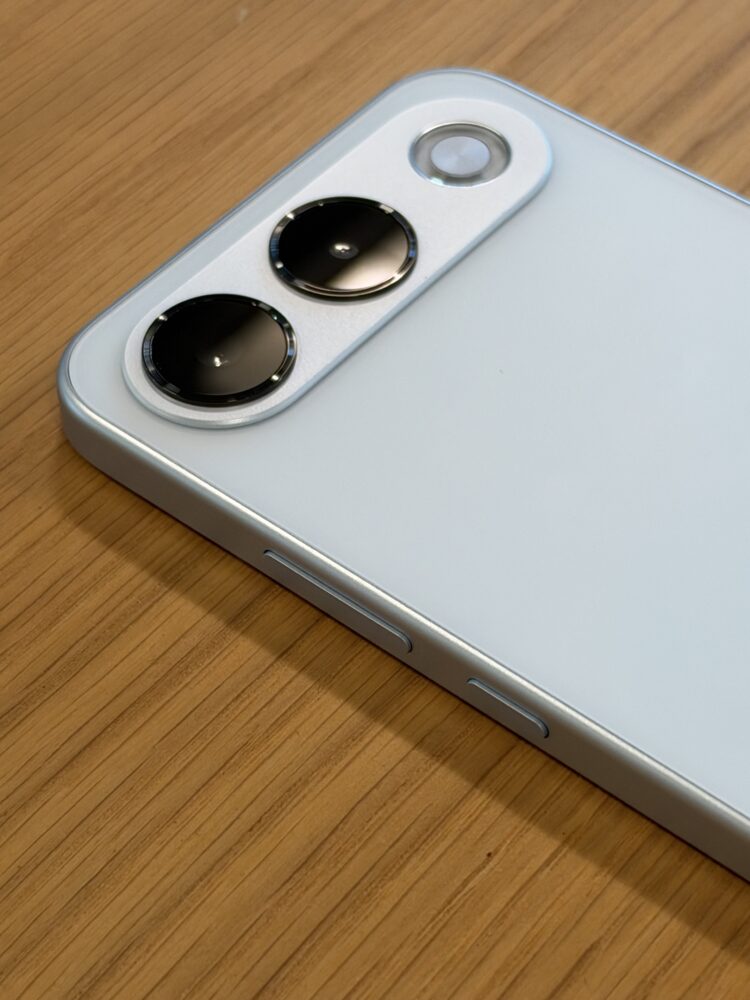
OPPO’s A-series has spent years looking like a well-behaved background character, the kind of NPC you walk past without a second glance. The A7 Pro 5G changes that with a slim horizontal camera module stretched across the top of the back, the first time an A-series phone has worn this look. It blends into the rear panel with clean, sharp lines, and it gives the phone a wider, more confident identity than the usual stack of circles. Two colours are on offer here: Surfing Blue and Shine Titanium. Surfing Blue is the showpiece, using a Dynamic 3D Wave Texture with layered, embossed reliefs that shift and ripple as the light hits them at different angles, so the back looks like frozen ocean waves caught mid-motion.
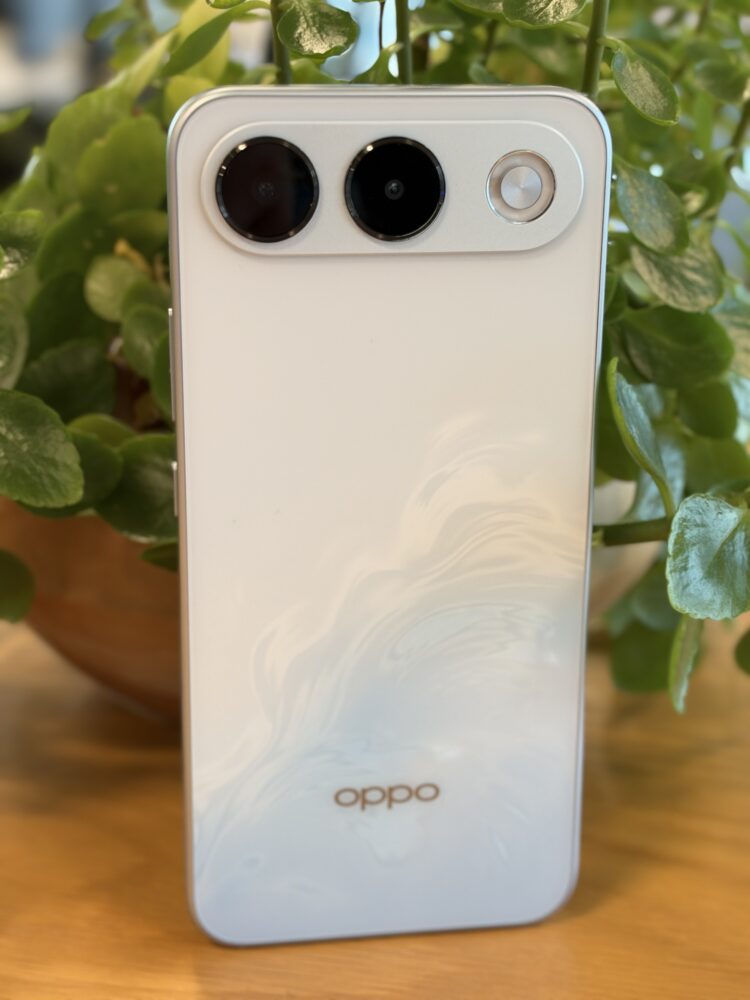
Shine Titanium is the quieter option, a low-key finish for people who want their phone to look like it attends board meetings rather than beach parties. The phone measures 159.08 x 75.81 x 8.80mm and weighs 205g, which is the physics tax for cramming an 8,000mAh cell into a rugged frame. It won’t vanish into a pocket the way a sub-190g phone does, and that’s worth being upfront about. Still, 8.80mm is impressively restrained given what’s inside, and it’s nowhere near the brick-like profile of traditional rugged phones. This is chunky with purpose rather than chunky by accident, and the design does a good job of hiding just how tough the phone really is.
IP69K and military-grade toughness make this phone genuinely hard to kill
This is the headline feature for me. The A7 Pro 5G carries IP66, IP68, IP69 and IP69K ratings, covering complete dust sealing, submersion, and resistance to high-pressure, high-temperature water jets. IP69K is a rating you normally find on industrial kit that gets pressure-washed, not on a phone you’d pick up at a mall. The frame uses AM04 high-strength aluminium alloy paired with a bionic sponge shock-absorption structure that protects internal components from drops, bending and collisions, and the phone has been tested by SGS to meet US military standards. It’s not a licence to use it as a hockey puck, but it’s a serious level of protection for this class.

What I like most is how this maps onto real life rather than extreme-sports fantasy. Phones usually die from kitchen sink accidents, rainy commutes, sandy beach bags and toddler-powered gravity experiments, not from anything cinematic. Rainstorm Touch adds a practical layer on top, keeping the screen responsive in rainfall up to 1,000mm per hour and cutting down on false touches from water droplets. Anyone who has tried to answer a call with a wet screen knows the special rage of watching the phone register phantom taps. One sensible piece of advice applies: don’t charge it while it’s damp, which is the kind of fine print that actually matters.
A 120Hz AMOLED panel that punches above the A-series pay grade
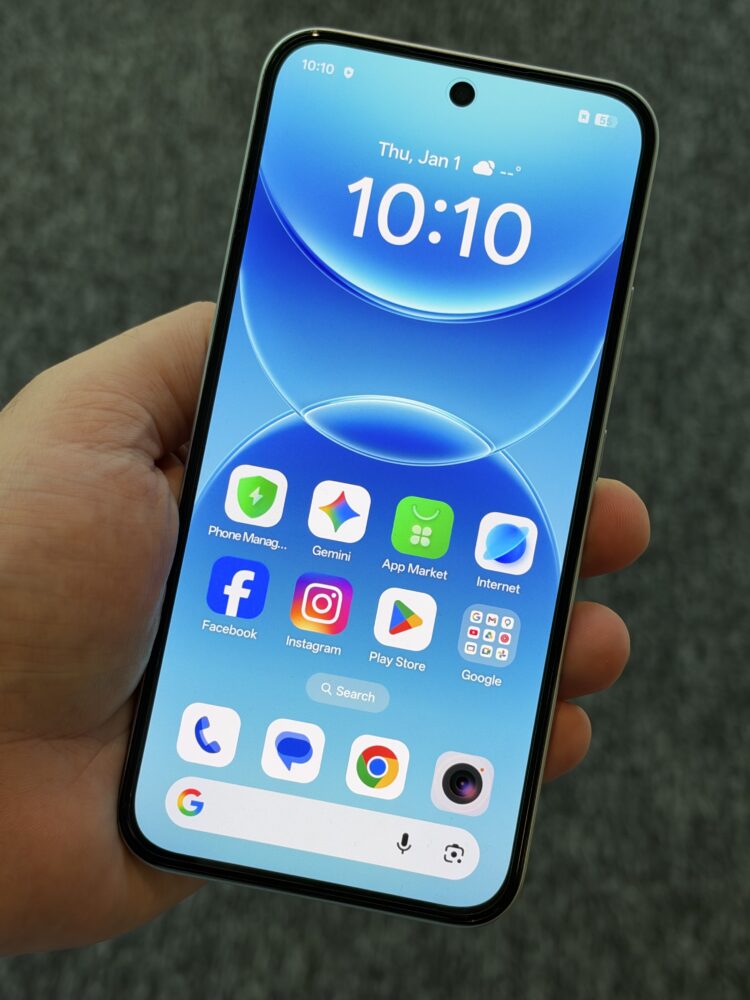
The display is a 6.57-inch FHD+ AMOLED panel at 2372 x 1080 resolution, with an adaptive refresh rate that moves between 60Hz, 90Hz and 120Hz. That’s a strong setup for this segment, because AMOLED brings deep blacks and punchy contrast that cheaper LCD panels just can’t match. The adaptive refresh rate is more important than it sounds, dropping down on static content to save power and ramping up to keep scrolling and animations smooth. Peak brightness hits 1,400 nits, which is plenty for outdoor use, though it won’t trouble flagship panels that push far beyond that. Bezels slim down to 1.67mm at their thinnest point for a 92.8% screen-to-body ratio, so the front looks far more modern than you’d expect at this level.

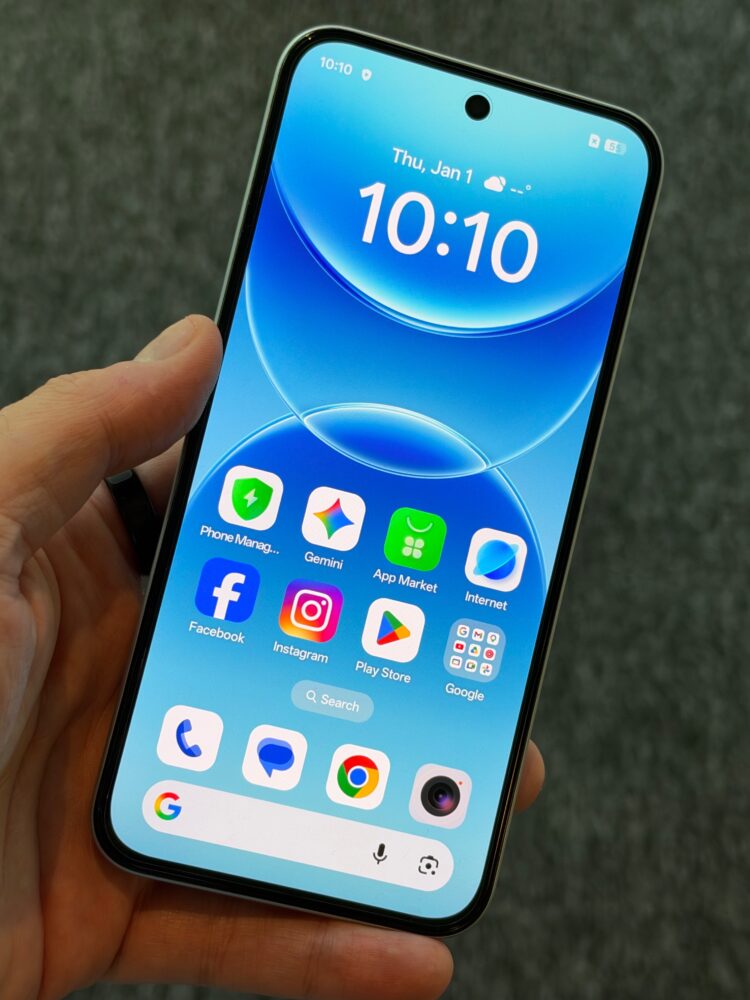
The display and battery work hand in hand here, and that’s where the phone gets clever. A huge 8,000mAh cell paired with an efficient AMOLED panel and adaptive refresh is a much smarter combination than a big battery hiding behind a power-hungry LCD locked at a fixed refresh rate. Not every app will run at 120Hz, which is normal behaviour and nothing to worry about. Given how outdoors-focused the durability story is, I’d have welcomed a brighter peak figure, but 1,400 nits is still comfortably usable in daylight. For streaming, scrolling and casual gaming, this screen is one of the strongest reasons to pick up the phone.
The Dimensity 6360 MAX favours efficiency over horsepower
Here’s where expectations need calibrating. The A7 Pro 5G runs on MediaTek’s Dimensity 6360 MAX, a 6nm chip designed for efficiency and dependable everyday performance rather than raw muscle. It handles social apps, messaging, streaming, navigation and light multitasking without fuss, but anyone hoping for flagship-level gaming is in the wrong aisle. Backing it up is a SuperCool VC system built around a 4,300mm² vapor chamber, with three times the thermal conductivity of graphene. That’s a surprisingly generous cooling setup for a chip that doesn’t exactly run like a furnace, and it means sustained performance should stay steady during longer sessions.
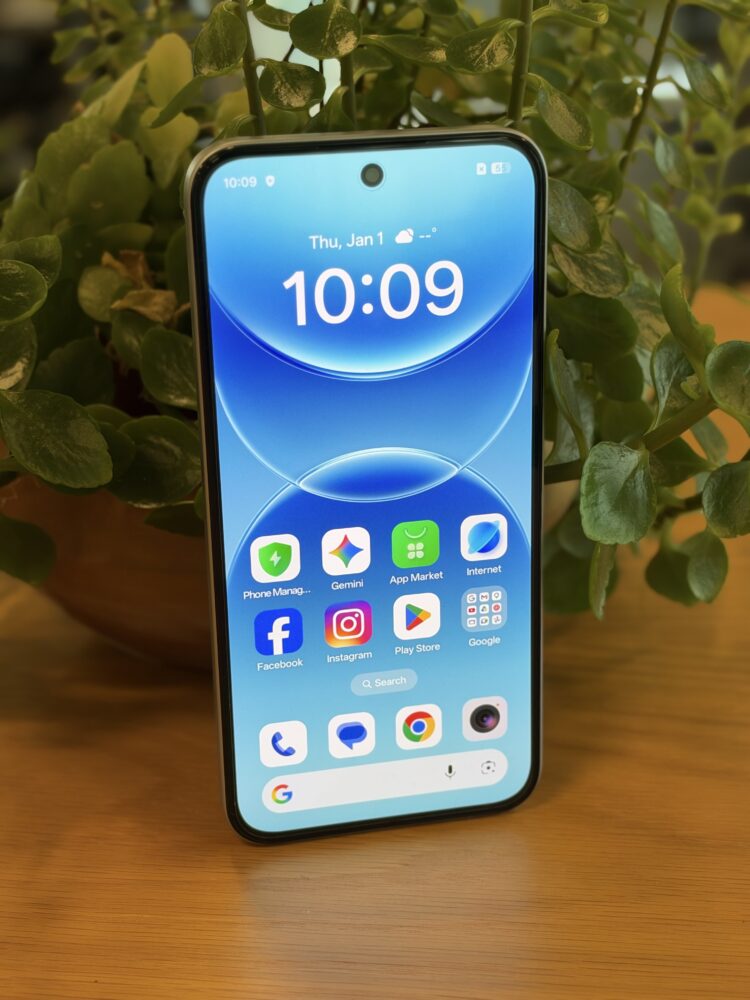
OPPO’s Adaptive Scheduling Architecture adds another layer, reworking how memory and system resources are allocated so background apps take up less RAM and leave more headroom for whatever you’re actually doing. Faster camera launches and smoother burst shooting are the practical upside, and those are the moments where budget phones usually feel cheap. Software optimisation can only take things so far, though, and it can’t rewrite the silicon underneath. I see this as a reliable daily driver rather than a performance phone. Think Millennium Falcon with a hyperdrive that actually works every time, not the one setting Kessel Run records.
AI GameBoost and LinkBoost tackle the stuff that actually ruins matches
Since the A7 Pro 5G was never going to win raw frame-rate battles, AI GameBoost 3.0 focuses on stability instead. The Hummingbird 2.0 gaming engine refines frequency scheduling, display-synchronised frame stabilisation reworks the gaming pipeline to reduce stutter, and wet-hand touch adaptation keeps sweaty or damp fingers from triggering mistouches. Custom touch sensitivity rounds things off for players who like to tune their controls. For the casual and mid-tier titles this chip is suited to, consistent frame pacing and reliable touch input matter more than chasing peak numbers, and that’s a sensible set of priorities.
The networking side might be even more useful day to day. The NetworkBoost Chip S1 works alongside AI LinkBoost 4.0 to detect weak-signal spots like elevators and basements and adjust antenna power to hold the connection together, including when your hand is wrapped around the phone. Smart Communication 3.0 picks the best available network, WLAN auto log-in reconnects to public Wi-Fi portals after the first manual sign-in, and dual-channel acceleration can combine Wi-Fi and cellular data to reduce livestream stutter and gaming latency where supported. Anyone who has lost a ranked match to a ping spike knows network stability can matter more than a few extra frames. The one sore spot is Wi-Fi 5, which feels dated when Wi-Fi 6 is common even on affordable phones.
A capable 50MP camera pairing with talent on both sides of the phone
The rear setup keeps things simple with a 50MP main camera using an f/1.9 aperture, autofocus and a 1/2-inch sensor, backed by a 2MP monochrome camera for portrait depth. The larger sensor captures 70% more light than the A6 Pro 5G’s, and the Raw Super Night algorithm with automatic AI Night Mode steps in when the light drops to balance highlights, shadows and dynamic range. Ultra-steady video keeps everyday clips smooth and stable, which matters far more for real-world footage than chasing resolution numbers. What’s missing is versatility, since there’s no ultrawide or telephoto on the back. The 2MP helper is the modern equivalent of a background extra who gets a credit but no lines, and I’d have happily traded it for an ultrawide. Still, putting the money into a bigger main sensor is smarter than spreading it thin across three mediocre lenses. It’s a focused setup rather than a flexible one.
The twist is that the front camera is more versatile than the back. It’s a 50MP main-camera-grade sensor with an f/2.1 aperture, autofocus and a 100-degree field of view, sitting at 1x for solo shots and automatically switching to 0.6x when more people crowd into the frame. Distortion correction keeps faces at the edges from stretching into funhouse-mirror territory, and full 50MP output is available through the High Resolution option, with 12.5MP as the default. Autofocus up front is a big win for vloggers, livestreamers and makeup close-ups, since fixed-focus selfie cameras often go soft at arm’s length. Natural Tone keeps skin tones accurate and fights yellow casts during livestreams, though it steps aside in low light. The screen also doubles as a customisable fill flash for darker settings.
The AI editing tools are aimed squarely at social creators. AI Portrait Glow can relight portraits with Natural, Flash, Rim or Studio lighting at adjustable intensity, AI Popout makes subjects burst out of collage frames, and AI Remix Collage turns subjects into custom stickers, with up to 10 per collage and static image exports only. None of it is revolutionary, but it’s genuinely fun and far more useful than a generic chatbot bolted on for the sake of an AI badge.
Photo Gallery











8,000mAh that’s built to last for years, not just days
The 8,000mAh battery is the A7 Pro 5G’s superpower. Most mainstream phones still hover around 5,000mAh, so this is a massive jump for anyone who has ever done the panicked charger hunt at 4pm. Rated figures put it at 27.97 hours of Google Maps navigation, 11.84 hours of WhatsApp video calling and 14.15 hours of Mobile Legends: Bang Bang. Combined with a 6nm chip and an adaptive AMOLED panel, that’s a recipe for genuine multi-day endurance for moderate users. More importantly for long-term owners, the battery is designed to retain over 80% of its capacity after 2,000 charge cycles, which translates to roughly six years of healthy use.
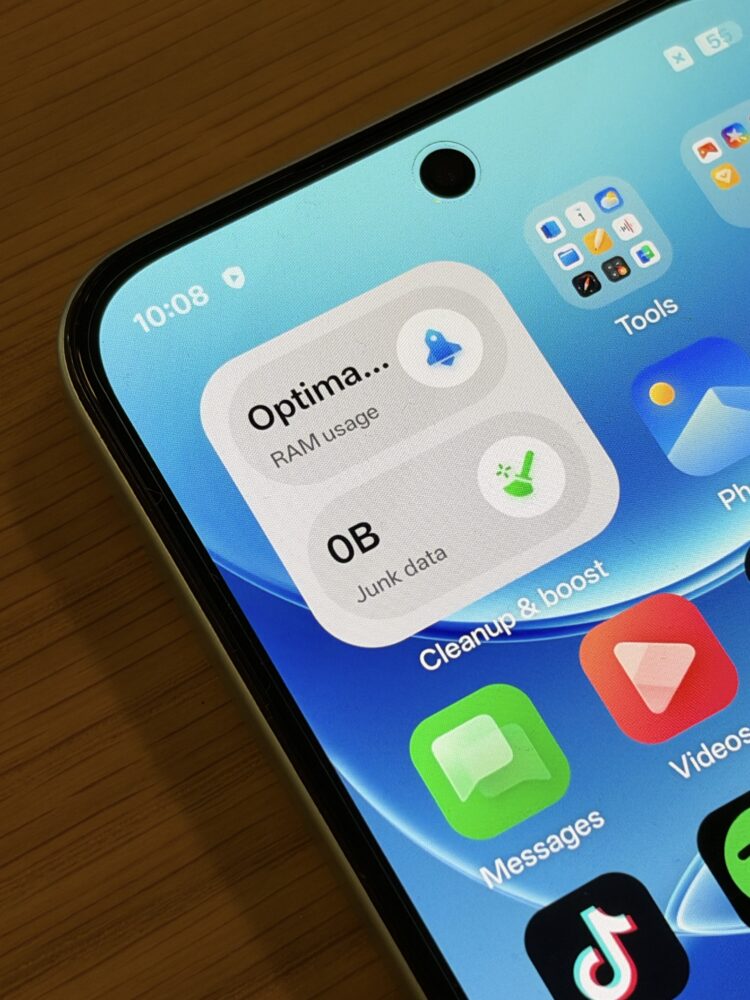
That longevity is the part I find most compelling, because battery degradation is usually what pushes people into an upgrade they didn’t want. Charging comes via 45W SUPERVOOC, taking the battery from 1% to 100% in 101 minutes, with five minutes adding 8%. That’s not especially quick by today’s standards, and a cell this size means topping up takes patience, so it’s best treated as an overnight or long-desk-session phone. There’s also 10W reverse wired charging over USB-C OTG for rescuing earbuds, a smartwatch or a mini fan. Results vary depending on the connected device’s OTG support, so think of it as an emergency lifeline rather than a power bank replacement.
LDAC and NFC make the cut, the headphone jack doesn’t
The rest of the spec sheet mixes thoughtful inclusions with a couple of head-scratchers. Bluetooth 5.4 with LDAC, aptX and aptX HD is a pleasant surprise, giving audio fans access to higher-quality wireless codecs that some pricier phones skip. NFC is on board for contactless payments, which should be standard by now but still isn’t universal in this segment. Dual nano-SIM support covers travellers and anyone juggling work and personal lines. These are the kinds of details that pay off over years of ownership rather than on launch day.
On the downside, there’s no 3.5mm headphone jack, and USB-C analog headphones aren’t supported, so you’ll need digital USB-C earphones or a compatible adapter. Wi-Fi 5 instead of Wi-Fi 6 is the other odd choice, especially on a phone that puts so much effort into network optimisation. Neither is a dealbreaker on its own, but both are corners cut in places that touch everyday life more than the spec sheet suggests. If you’ve got a drawer full of wired earbuds, factor that in before buying.
Verdict
The OPPO A7 Pro 5G is built for people who want a phone that just keeps going. Its 8,000mAh battery, IP69K protection, military-grade toughness and bright 120Hz AMOLED display form a genuinely compelling core. The 50MP autofocus selfie camera punches well above expectations, and 5-Year Smoothness Protection shows a phone designed to be kept, not replaced.
The Dimensity 6360 MAX favours efficiency over hardcore gaming, and the rear setup focuses on one strong main camera rather than versatility. Wi-Fi 5, no headphone jack and 45W charging are minor trade-offs most users will happily live with. If endurance, durability and a great display top your list, this is one of the best-rounded A-series phones yet, and the 5% new-customer online discount sweetens the deal further.