
TL;DR: MobLand season 2 episode 2 unleashes Johnny Flynn’s Frankie as a terrifyingly calculated villain, deepens Conrad’s decline and ends with a brutal, expertly built finale. It’s overcrowded at times, but this is Paramount+’s gangster saga at its most gripping.
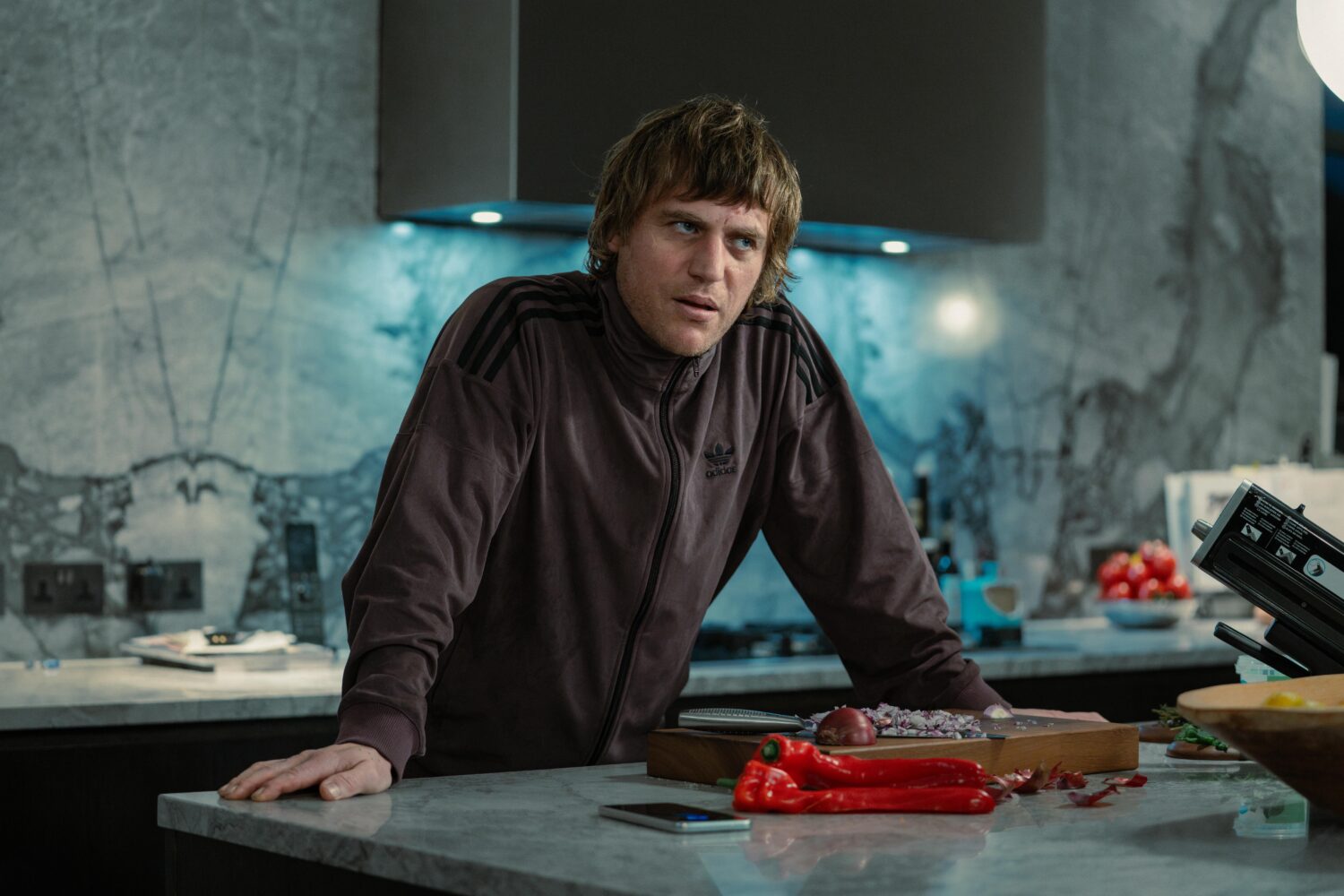
If the season 2 premiere was MobLand clearing its throat, episode 2 is the moment it grabs the Harrigans by the collar and slams them against the wall. Johnny Flynn’s Frankie, the hired gun Kat McAllister has quietly unleashed on London, finally gets room to operate. The result is the best villain showcase this Paramount+ crime saga has delivered so far. Frankie isn’t another shouty hard man with a vendetta. He’s a strategist who treats intimidation like performance art, and the episode understands that restraint is scarier than noise. By the time the credits roll, the power balance between Kat’s empire and Tom Hardy’s Harry has shifted in a way that should make every Harrigan sleep with the lights on.
What impressed me most is how deliberately the episode builds toward its finale. For most of its runtime, it plays like a chess match where half the players don’t realise they’re on the board. Harry is distracted by family fractures, Conrad is distracted by his feud with Kevin, and nobody is watching the door. Guy Ritchie’s world has always loved a slow-burn setup that detonates, and this is one of the cleanest examples of that formula working. It feels less like an episode of television and more like the second act of a heist movie told from the victims’ side.
The nail salon scene is MobLand’s best villain introduction
The standout sequence comes when Colin meets Frankie in a nail salon, where Frankie is already mid-pedicure. Colin lays out the Harrigan empire as ripe for plunder, then tries to lean on his leverage, reminding Frankie he has enough dirt to bury him. Frankie’s response is to flip the dynamic entirely, first by giving Colin a pedicure himself, then by dropping an unmistakable threat about Colin’s wife. It’s absurd, uncomfortable and completely menacing all at once. That tonal cocktail is exactly what Ritchie’s crime stories do best when they’re firing, and Flynn plays into it rather than winking at it.
Colin’s habit of framing gangland strategy through history lessons returns here, this time via François Ravaillac, the man who assassinated Henry IV of France in 1610 and was executed by being pulled apart by four horses. The metaphor is that Harry has four “horses” of his own, people close enough that hurting them will tear him apart. It’s a genuinely chilling way to frame the season’s threat, even if the professorial monologue device is starting to feel like a recurring gimmick. Still, I’ll take a villain plotting like a Soulsborne boss studying your dodge patterns over another generic turf war any day.
Conrad’s unravelling gives Pierce Brosnan his juiciest material yet
On the Harrigan side, the most compelling thread belongs to Pierce Brosnan’s Conrad. A doctor tells him he’s showing signs of focal atrophy, meaning the parts of him responsible for strategy and restraint are fading while raw aggression takes over. Conrad’s response is to deny everything and then pull a gun on a parking warden over a ticket. It’s darkly funny, but it also reframes his volatility as something tragic rather than merely villainous. A crime patriarch losing his judgement just as a smarter predator circles is a brilliant piece of dramatic timing.
Helen Mirren’s Maeve, meanwhile, spends part of the episode trying to get Conrad’s perfectly healthy dogs put down behind his back, eventually researching how to handle the job herself. It’s the kind of bleakly comic detour this show loves, and Mirren clearly relishes Maeve’s icy pettiness. That said, it’s also the subplot most likely to test your patience, because it sits oddly beside the episode’s escalating stakes. Maeve is at her best when her scheming feeds the main conflict, and here it mostly feels like character seasoning.
Jan, Gina and the family cracks Kat can exploit
Joanne Froggatt’s Jan gets a quieter but important storyline. A seemingly minor car accident introduces an overly apologetic American named Jamie, whose generosity with cash is suspicious from the first envelope. The episode reveals his connection to Kat’s operation without overplaying it, turning an everyday inconvenience into something quietly sinister. Jan’s confrontation with Harry about Gina is the emotional core of her arc, delivering a cutting assessment that he’s the problem he thinks he can fix. It lands because the show has spent real time building their fractured marriage.
Elsewhere, Ophelia Lovibond’s DCI Kavanagh becomes convinced there’s a mole in the force and sets a trap by feeding false information to her team. It’s a smart move that promises future payoff, though it’s squeezed by everything else happening. That’s my main criticism of this episode overall: there are a lot of plates spinning. Gina and Eddie’s partnership, Seraphina’s shifting loyalties, Bella, Kevin and the police investigation all compete for space, and some threads get barely a scene before the episode moves on.
The finale is Guy Ritchie-style chaos done right
Without spoiling specifics, the final stretch intercuts several simultaneous events across London, and it’s genuinely tense television. The editing lets threats converge from multiple directions, so you understand the scale of Frankie’s plan before the characters do. It’s the payoff for every seemingly scattered scene earlier in the hour, and it makes the episode’s busy structure feel justified in retrospect. The closing moment is a brutal, almost theatrical flourish that cements Frankie as a real problem. If you’d started doubting whether season 2 could escalate beyond season 1, this is the answer.
Verdict
MobLand season 2 episode 2 is where this season finds its teeth. Johnny Flynn’s Frankie is a superb addition to the cast, Pierce Brosnan’s Conrad gets a meaningful and tragic new layer, and the finale is the kind of coordinated chaos Guy Ritchie fans signed up for. The downsides are an overcrowded middle stretch and a Maeve subplot that feels more quirky than essential. Fans of The Gentlemen, Peaky Blinders and Snatch-style British crime will have a blast. Anyone hoping for a tighter, leaner story may find the juggling act a little exhausting, but the payoff is worth it.