
TL;DR: John Cena and Eric André light up this chaotic buddy comedy about a stressed realtor whose life is upended by his long-lost “Little Brother.” Packed with hilarious physical disasters, solid chemistry, and surprising heart, it’s a familiar but thoroughly entertaining watch that rises above typical streaming fare through committed performances and well-timed absurdity.
Little Brother
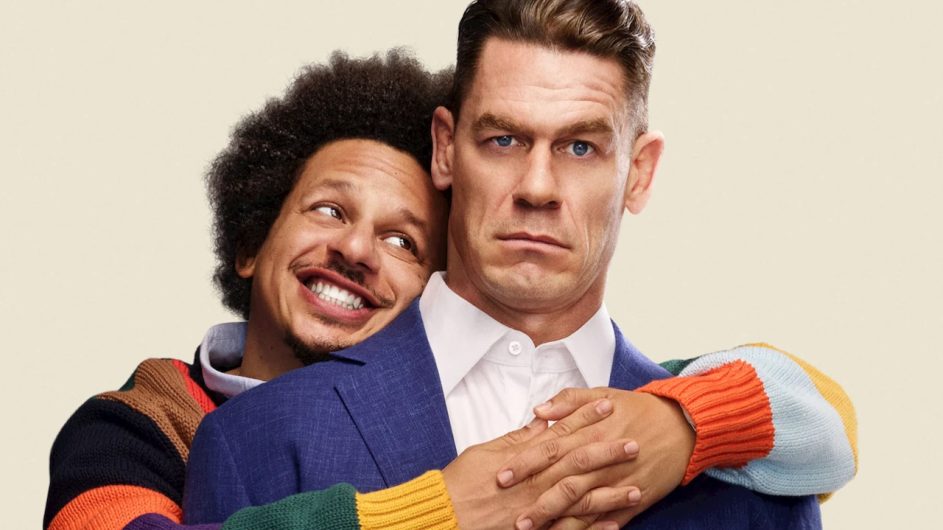
There’s something timelessly satisfying about watching a meticulously ordered life get absolutely torched by unfiltered chaos, and Little Brother leans into that formula with the kind of gleeful abandon that makes you forget you’ve seen variations of this story before. John Cena, having traded in his muscle-bound hero days for wonderfully weird comedic turns, steps into the shoes of Rudd, a tightly wound NYC realtor chasing reality TV stardom while juggling his own carefully curated world. Enter Eric André as Marcus, the human equivalent of a wrecking ball wrapped in good intentions and decades of unresolved baggage. What unfolds is a buddy comedy that doesn’t reinvent the wheel but spins it with enough ridiculous physical comedy and heartfelt moments to keep you entertained from start to finish.
As someone who’s sat through countless “guy bothers another guy” setups—from classic road trip disasters to sitcom-level annoyances—this film feels like a refreshing reminder of why the trope still works when the performers click. Cena plays Rudd with a simmering anxiety that feels authentic; he’s not just some uptight caricature but a man whose past decisions and present ambitions are colliding in spectacular fashion. André, meanwhile, brings his signature brand of surreal energy to Marcus, turning every scene into a potential minefield of misfortune. The chemistry between them crackles with the kind of reluctant brotherhood that grows on you, even as Marcus upends Rudd’s carefully planned existence like a sci-fi anomaly disrupting a perfectly balanced RPG campaign.
What makes Cena’s performance here particularly delightful is how he flips the script on his usual larger-than-life persona. Instead of dominating the screen with physical presence alone, he channels vulnerability and frustration into something genuinely funny. Rudd’s journey from reluctant mentor figure to overwhelmed participant in Marcus’s whirlwind feels earned, especially when you see him grappling with echoes of his own fractured family history. It’s the kind of layered straight-man work that elevates the entire production, reminding me of those classic comedic duos where the “normal” one ends up learning the most from the madness.
The supporting cast adds plenty of flavor too. Michelle Monaghan brings warmth and grounded realism as Rudd’s wife, serving as an emotional anchor amid the storm. Sherry Cola as the assistant Mia delivers sharp, scene-stealing moments that highlight the film’s cleverer interpersonal dynamics, while Christopher Meloni’s adult Josh brings another layer of sibling tension that ties back to the core themes of responsibility and redemption. These relationships prevent the movie from feeling like a one-note slapstick vehicle, giving it surprising emotional texture beneath the bodily fluid gags and wardrobe malfunctions.
If there’s one element that consistently steals the show, it’s the parade of calamities that befall Marcus—and by extension, everyone in his orbit. The filmmakers seem to have taken inspiration from old-school physical comedy greats, cranking up the absurdity until you’re laughing not just at the setups but at the sheer commitment to the bit. Whether it’s awkward social explosions or hilariously timed pratfalls, André throws himself into the role with fearless abandon that feels like watching a live-action cartoon character manifest in the real world. These sequences provide the film’s biggest highs, turning potential predictability into pure chaotic joy.
Yet the movie smartly balances these over-the-top moments with quieter reflections on trauma, connection, and what it means to show up for someone when life has dealt them a rough hand. Marcus isn’t just a walking disaster zone; he’s a product of circumstances that force Rudd—and the audience—to confront uncomfortable truths about privilege, memory, and chosen family. It’s this blend of broad comedy and surprisingly tender insights that keeps the film from feeling disposable, even during its more conventional stretches.
In an age where streaming services churn out endless variations on proven formulas, Little Brother stands out by embracing its influences without apology. It echoes everything from Planes, Trains and Automobiles to What About Bob? but carves its own path through sharp writing and committed performances. The reality TV subplot adds a satirical edge that feels timely, poking fun at curated personas and the performative nature of modern success. There’s a meta quality to watching Cena navigate this world, given his own journey from wrestling icon to respected comedic actor.
The film’s willingness to lean into gross-out humor and visual gags pays off more often than not, creating memorable set pieces that stick with you long after the credits roll. At the same time, it avoids becoming mean-spirited by grounding the chaos in genuine affection between the characters. By the time the story reaches its inevitable but satisfying resolution, you’re left with the warm glow of a well-executed crowd-pleaser rather than the hollow feeling of another forgettable comedy.
Verdict
Little Brother proves that sometimes the best entertainment comes from watching order meet glorious disorder. While it treads familiar ground, the electric pairing of John Cena and Eric André, combined with inventive physical comedy and heartfelt undertones, elevates it into something genuinely enjoyable. It’s not groundbreaking cinema, but it’s the kind of fun, rewatchable streaming gem that reminds you why we keep coming back to these stories of unlikely bonds forged in mayhem. Perfect for a relaxed evening when you’re in the mood for laughs that don’t demand too much but deliver more than expected.