

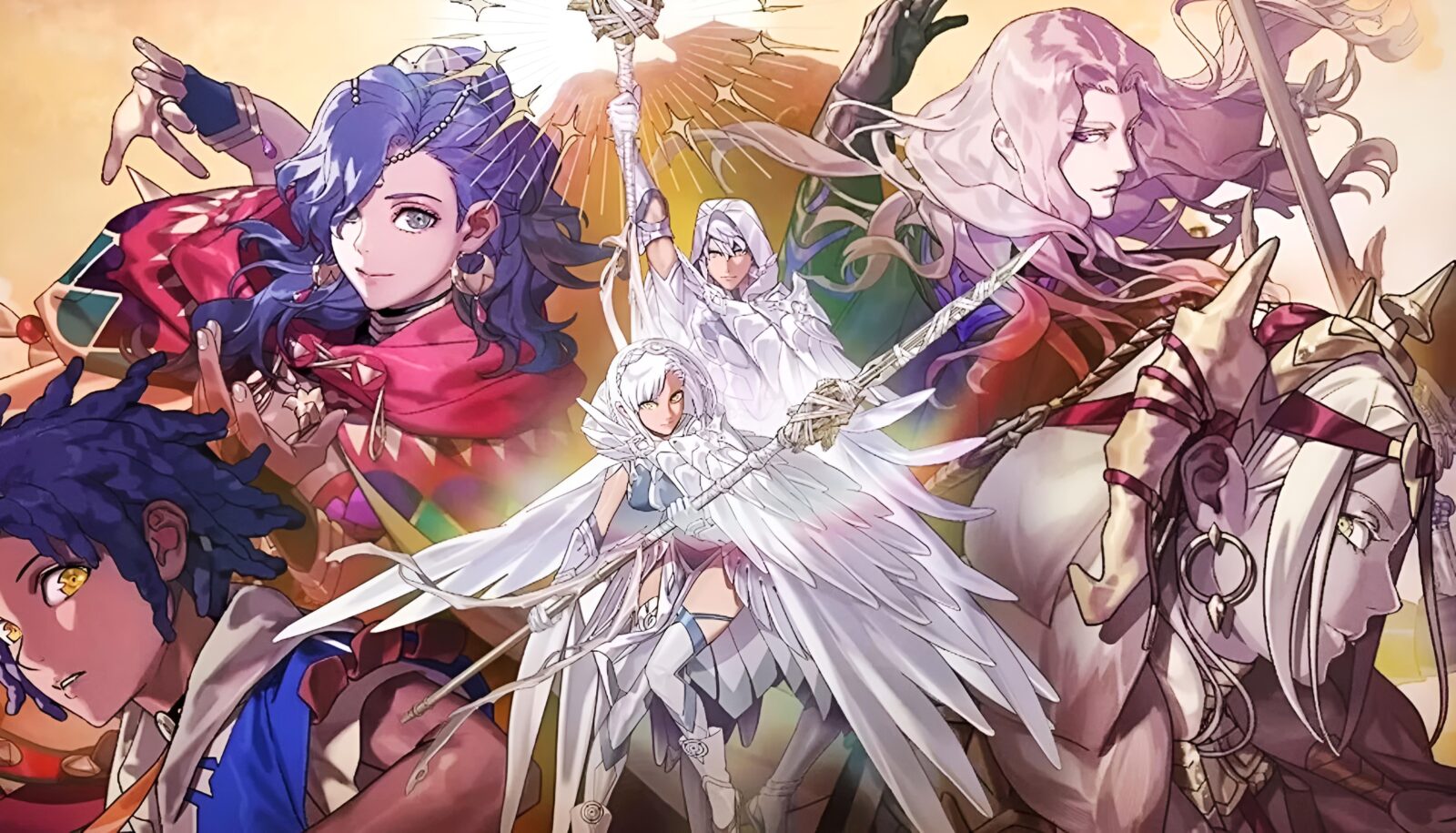
TL;DR: Fortune’s Weave delivers Fire Emblem’s best tactical battles yet, thanks to HP-costing Blaze Arts and a smarter durability system. Clash Battles, dungeons and slow story stretches inflate an already huge game, but the core combat makes it an easy recommendation.
Nintendo is charging $80 for Fire Emblem: Fortune’s Weave, and Intelligent Systems seems to have taken that number personally. The series’ Switch 2 debut arrives with five main playable protagonists, dozens of recruitable characters, an expansive overworld, social systems, side quests, dungeons and a second, separate combat mode called Clash Battles, all stacked on top of the grid-based tactics that built the franchise. Fully exploring it can take more than 100 hours. That raises the real question for this Fire Emblem: Fortune’s Weave review: is this a bigger Fire Emblem or a better one? From what I found, the answer is both, but not evenly. The tactical core is the strongest it has ever been, while some of the systems built around it feel like they were added to fill the box.
Every hit point is a currency now
The smartest thing Fortune’s Weave does is make you pay for power. Blaze Arts are special attacks and abilities that cost the user HP, which turns every flashy move into a small budget meeting. Firing one off might finish an enemy or break open a chokepoint, but it can also leave that unit dangerously exposed. If it does, another unit has to spend its turn healing instead of advancing, attacking or holding a line. That cascading cost is what I like most about the system. The decision is never just “can I win this exchange?” but “what does winning this exchange cost the rest of my army next turn?” That is exactly the kind of question Fire Emblem should always be asking, and this mechanic asks it constantly.
Weapon durability finally earns its place
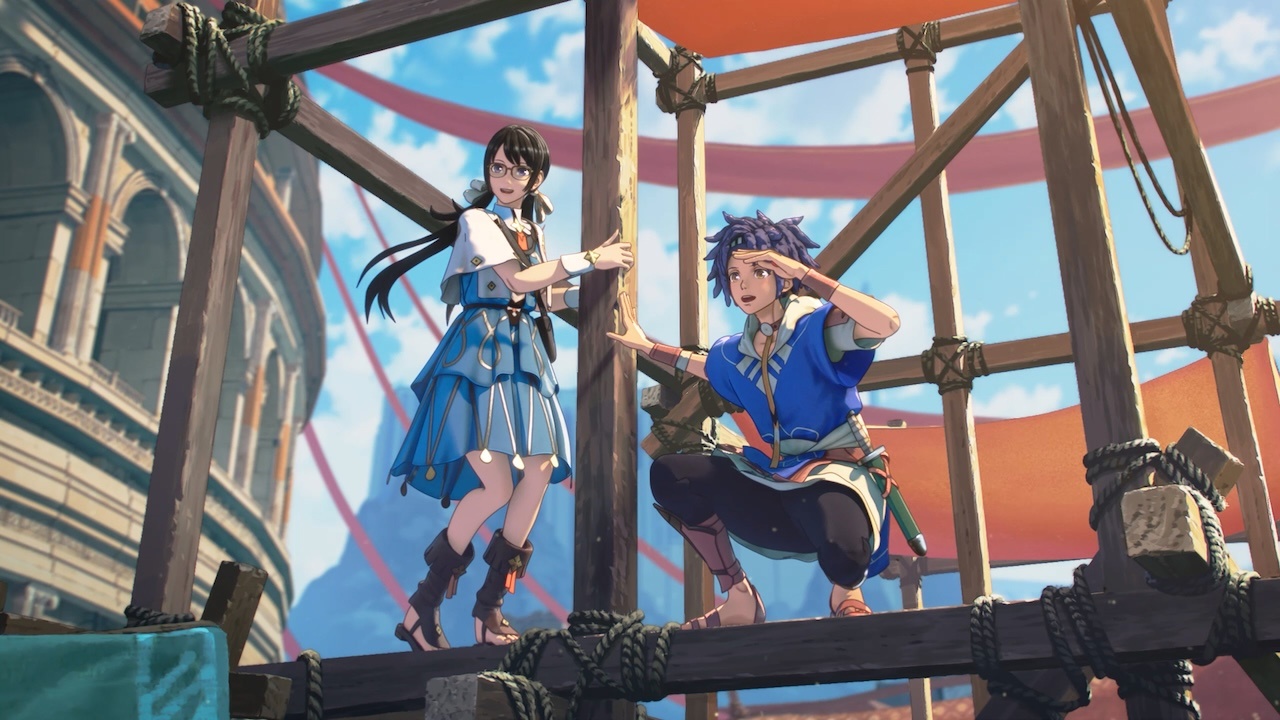
Weapon durability has long been one of the series’ more tiresome traditions. In older entries, weapons wore out after a set number of uses, which mostly meant menu management, constant restocking and the low-level anxiety of a favourite lance quietly ticking toward zero. I’ve never felt that system added much beyond chores. Fortune’s Weave rethinks it entirely: weapons now break only when you use them for Combat Arts, the stronger techniques that add extra damage or effects. Regular attacks are free. Durability stops being background maintenance and becomes a deliberate choice, much like Blaze Arts. Do you burn part of a weapon’s life for a bigger strike now, or save it for a tougher fight later? It’s a small design change with a big effect, and it makes the whole battle system feel more intentional.
Permadeath is optional, but the game is best with it on
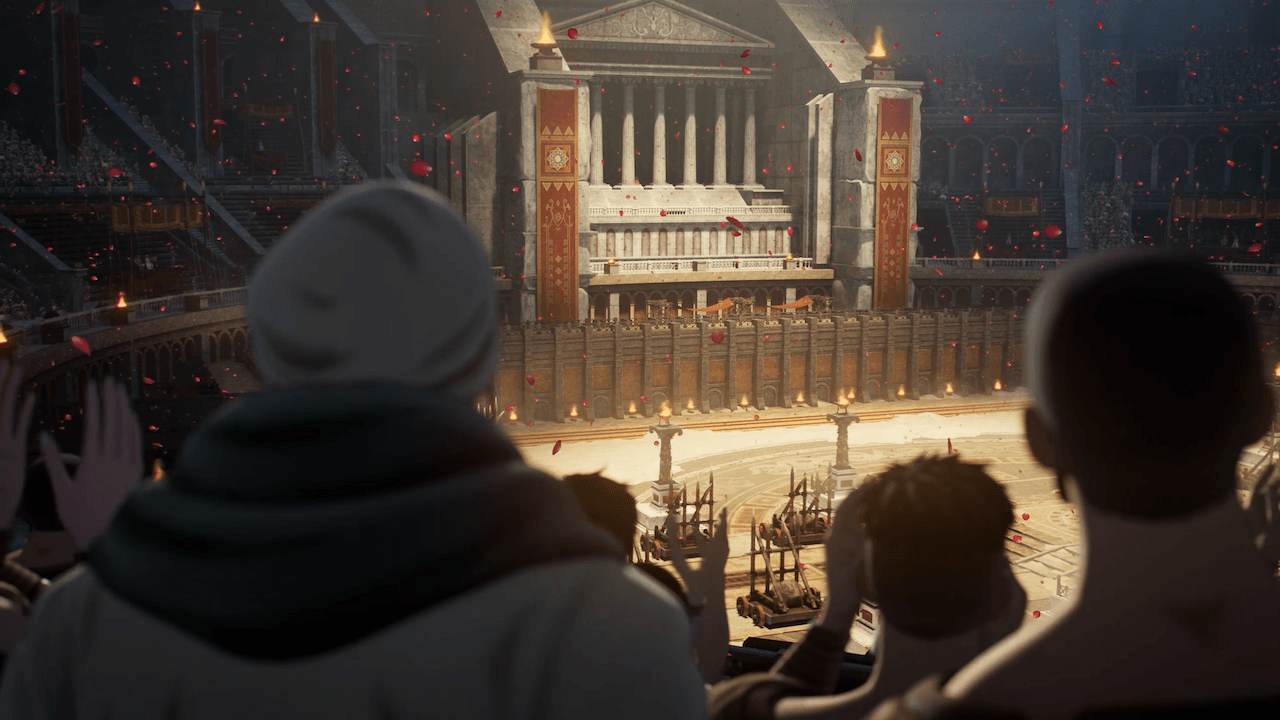
Fortune’s Weave lets you choose whether fallen units are lost for good, so newcomers aren’t forced into the series’ notoriously harsh tradition. I appreciate that flexibility, and the softer setting is a perfectly reasonable way into a game this large. Still, I’d strongly recommend Classic mode with permadeath enabled if you can handle the risk. The new systems are built around trade-offs, and those trade-offs carry far more weight when one overextended healer or reckless Blaze Art can cost you a character for the rest of the campaign. Losing someone you’ve trained for hours hurts, and that’s the point. Permadeath turns careful positioning from good practice into survival, and in my experience that tension is what makes the battlefield maps so gripping.

A strategy layer between the battles
Between major story missions, Fortune’s Weave gives you a limited number of turns to spend however you like across the world map. You can take on side quests for useful rewards, hunt for new gear, fight optional overworld battles or search locations for supplies. You can’t do everything, so you have to plan for the fights ahead. Do you chase a gear upgrade, stockpile resources or take on a side mission that might make the next chapter easier? I like that this downtime reflects the same thinking as combat. It turns preparation into another strategic layer instead of a passive stroll through menus. Most side quests also offer worthwhile rewards, which makes the turn budget feel meaningful rather than arbitrary.
Clash Battles and dungeons feel like filler
Not everything outside the main battles works as well. Clash Battles use a more traditional JRPG turn-based format, without the grid positioning that makes Fire Emblem distinctive. Next to the main tactical maps, they feel thin. Once you remove terrain, movement ranges, flanking and the constant threat of enemy counterattacks, much of the series’ tension disappears. The dungeons have a similar problem: they exist, but they rarely give you much reason to look forward to them. To its credit, Fortune’s Weave lets you skip Clash Battles and much of the optional content, including through auto-battle. That’s useful, but it also exposes the deeper issue. If the game openly invites you to bypass part of its own content, that content probably needed to be cut, folded into something else or made more interesting. As a result, Fortune’s Weave occasionally feels longer than it needs to be.
A strong cast hampered by uneven pacing
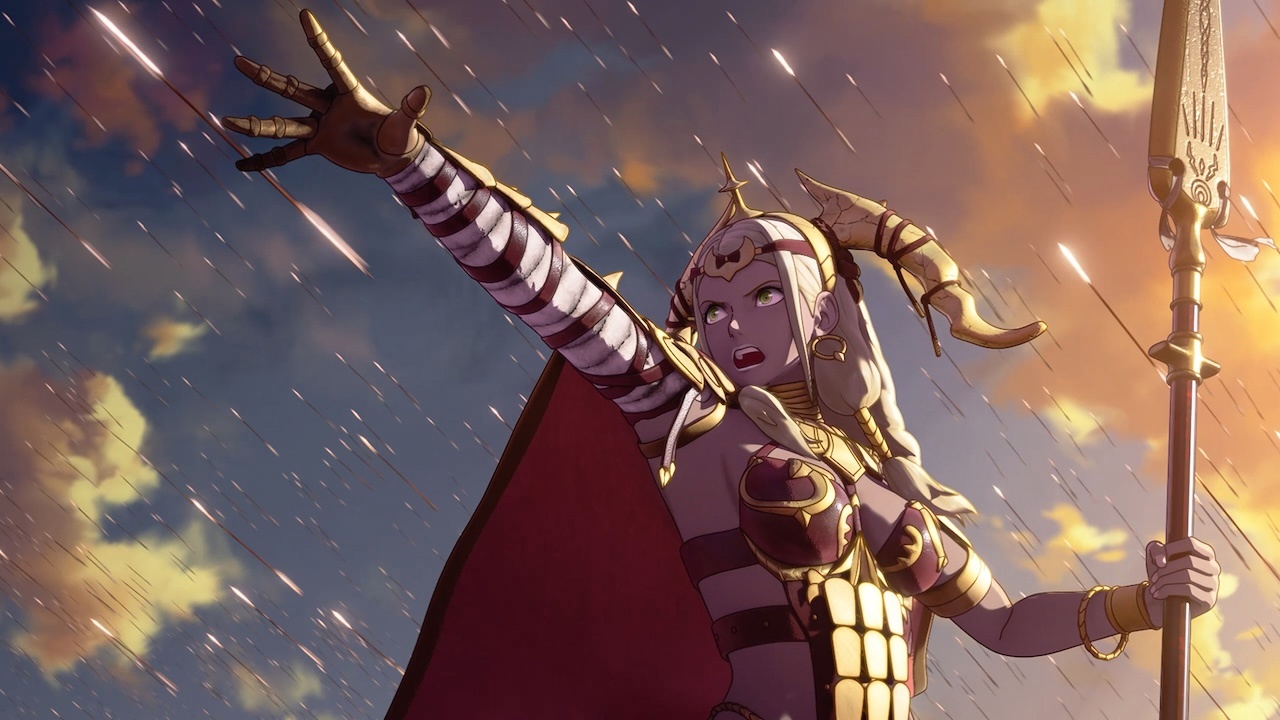
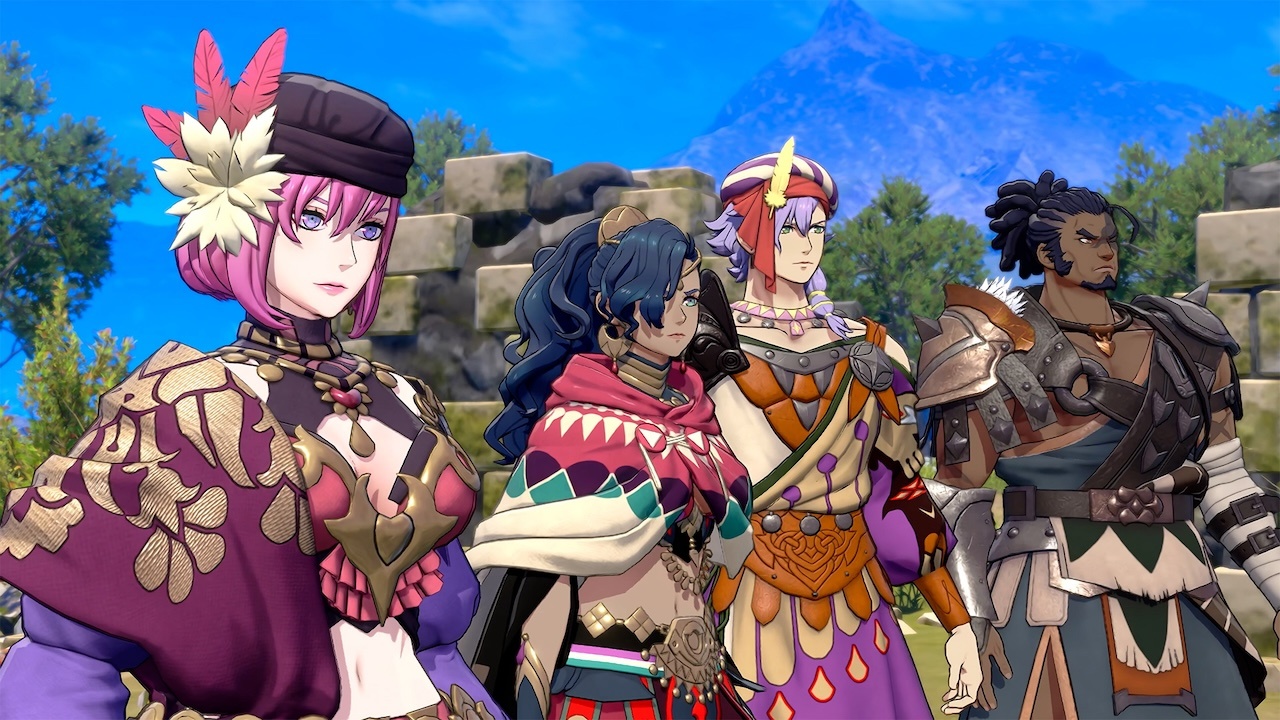
The story has memorable characters and some genuinely strong moments, which matters in a series where your attachment to individual units affects every tactical decision. Spoiler-free, the cast is the narrative’s biggest strength. Five protagonists and dozens of recruitable allies give the game a rich supply of personalities, and the social systems help those relationships feel more lived-in. The pacing is the weak spot. At times, the main plot slows noticeably, and the open free-time periods between story missions can interrupt momentum just as things are building. This is the downside of the game’s structure: the freedom that makes preparation interesting also loosens the narrative grip. You may care about where the story is going, then spend a long stretch away from it collecting supplies and finishing errands.
One of the better-looking Fire Emblem: Fortune’s Weave Switch 2 showcases
Visually, Fortune’s Weave uses a bright, colourful anime style rather than chasing realism, and the decision suits the series well. Within that style, it’s one of the better-looking games on Switch 2, with the hardware clearly giving Intelligent Systems more room than the original Switch did. The audio is even stronger. The voice cast does excellent work, which matters when you’re spending so much time with a large ensemble, and the soundtrack is consistently excellent. Together, the art and sound give the game a polished, confident presentation. On performance, there’s nothing notable to complain about. That’s exactly what you want from a game that expects you to spend more than 100 hours inside its menus, maps and battles.
Final Verdict
Fire Emblem: Fortune’s Weave has the best tactical combat the series has ever offered. Blaze Arts make every special move a calculated risk, the durability rework turns a long-standing nuisance into an interesting choice, and permadeath, if you enable it, gives each map real stakes. The turn-limited free time between missions adds another useful layer of planning, and the presentation, especially the voice acting and soundtrack, is excellent. The problems come from overreach. Clash Battles lack the depth of the main combat, the dungeons are forgettable, and the story’s momentum sometimes stalls between major missions. The ability to skip much of this content helps, but it can’t fully hide that the package is bigger than it needs to be. Longtime Fire Emblem fans will find plenty to sink into, and the optional permadeath settings make it a surprisingly approachable starting point for newcomers to Switch 2 tactics games. If you’re willing to ignore the weaker side systems, the $80 asks for a lot but delivers where it matters most.