
TL;DR: Elle Season 1 is a charming 90s-set teen comedy prequel that captures the optimistic heart of Legally Blonde through Lexi Minetree’s winning performance and nostalgic vibes. It shines brightest as an escapist love letter to classic teen movies, delivering laughs, growth, and feel-good moments that make it a binge-worthy delight despite some canon wrinkles.
Elle
In the ever-churning sea of streaming reboots and prequels, where every nostalgic IP gets dragged into the modern spotlight whether it needs it or not, Prime Video’s Elle arrives like a burst of California sunshine crashing into a Pacific Northwest downpour. This eight-episode freshman season doesn’t just borrow the bubbly DNA of the beloved 2001 Legally Blonde phenomenon; it reimagines its teenage origins with a surprising amount of heart, charm, and genuine emotional layering that sneaks up on you. Set in 1995, it follows a younger Elle Woods as she navigates the brutal social hierarchy of a Seattle high school after her family’s luxurious LA life implodes thanks to one botched celebrity nose job. What starts as a fish-out-of-water tale quickly evolves into something far more rewarding: a heartfelt celebration of resilience, unexpected friendships, and the kind of earnest optimism that feels revolutionary in today’s jaded television landscape.
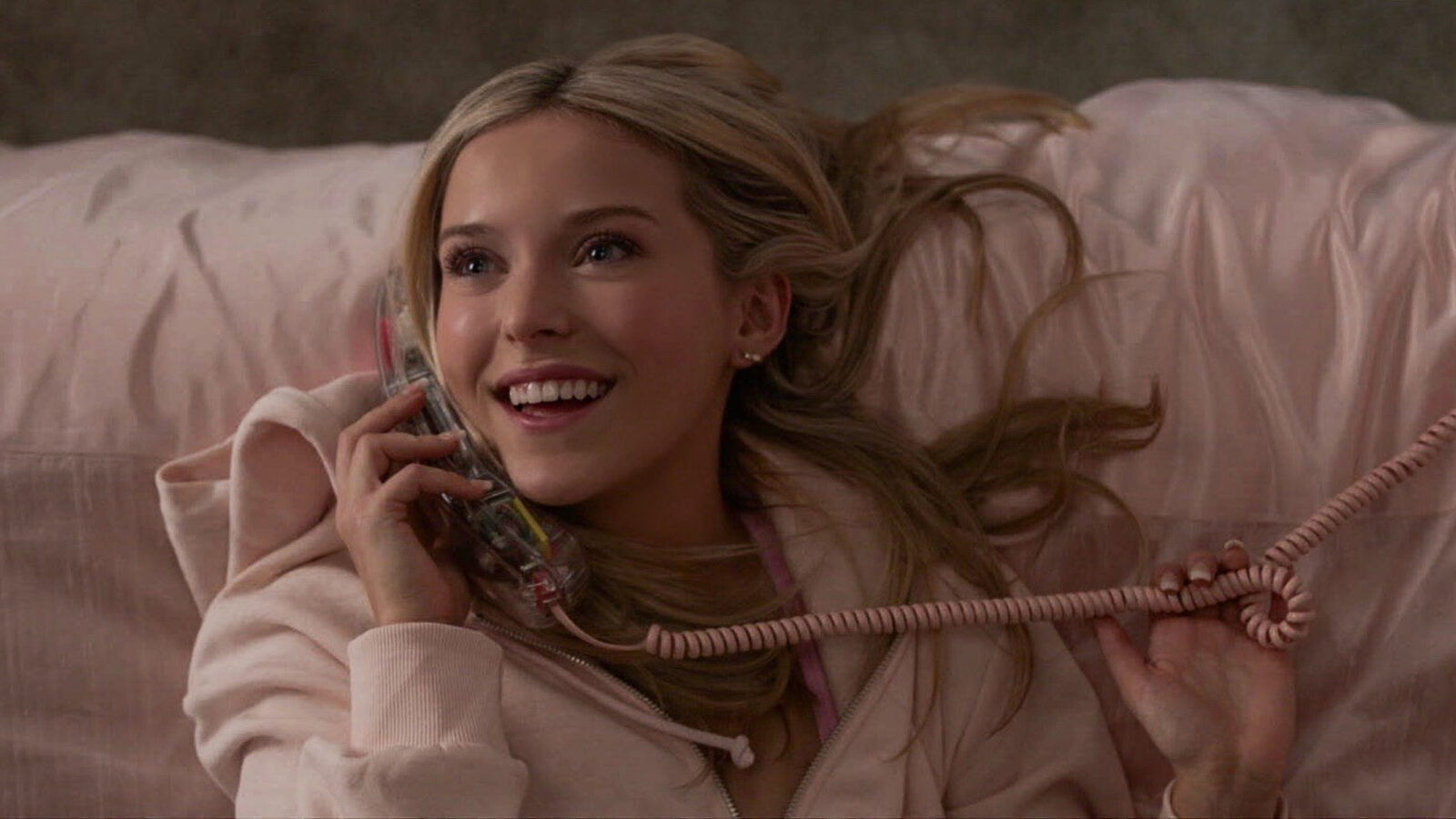
As someone who’s spent countless late nights bingeing everything from classic John Hughes flicks to the latest prestige dramas, I found myself grinning through Elle in ways I didn’t expect. The series doesn’t pretend to reinvent the wheel, but it polishes that wheel with glitter nail polish and sends it spinning down a grunge-soaked hill with infectious energy. Lexi Minetree steps into the iconic pink pumps as teenage Elle, bringing a winsome blend of wide-eyed determination and vulnerable naivete that perfectly captures the awkward glory of high school ambition. She’s not trying to mimic Reese Witherspoon’s megawatt star power from the original films – that would be cinematic suicide – but instead layers in an extra dose of teenage earnestness that makes this version feel authentically her own. Whether she’s rallying for underpaid school staff or desperately trying to decode the plaid-wearing social codes of her new peers, Minetree sells every moment with such committed enthusiasm that you can’t help but root for her, even when her privilege occasionally blinds her to the real-world consequences landing on others.
The supporting cast elevates the entire endeavor, turning what could have been stock teen archetypes into multifaceted characters who sparkle with surprising depth. From the activist skateboarder Dustin to the zine-writing, music-obsessed Liz who serves as Elle’s polar opposite, every relationship crackles with unique chemistry that Minetree navigates masterfully. Those scenes between Elle and Liz particularly shine, evolving from initial irritation to something genuinely sweet and funny that echoes the best odd-couple dynamics in geek-favorite teen ensembles. It’s the kind of heartfelt connection that reminds you why we fell in love with stories about underdogs challenging the status quo in the first place. The adult characters, especially Elle’s mother Eva portrayed with wonderful nuance by June Diane Raphael, add layers of relatable family tension that ground the bubbly comedy in real emotional stakes.
What truly sets Elle apart isn’t its connection to the Legally Blonde franchise – though the scented pink paper Easter eggs land with delightful precision – but how it wholeheartedly embraces 90s teen movie nostalgia while feeling refreshingly disconnected from our doomscrolling present. The pilot episode does lean a bit too heavily on familiar beats, almost like a direct high school remix of the original film’s Harvard journey, complete with crushed dreams and cultural clashes. Yet once it shakes off that initial retread, the series finds its own rhythm, delivering episodes that feel like spiritual successors to The Breakfast Club or Mean Girls, but filtered through a distinctly pre-smartphone lens. Imagine navigating brutal cafeteria hierarchies when everyone looks like they raided the same flannel factory – the comedy writes itself, and the show milks it for all its worth with clever visual gags and sharp observations about identity beneath the uniform grunge exterior.
This nostalgic escape proves to be Elle‘s secret weapon in a television era dominated by bleak prestige offerings and CGI-saturated spectacles. There’s something profoundly comforting about watching these characters tackle worthy causes, forge unlikely alliances, and stumble through young love without the constant buzz of notifications interrupting their growth. It evokes the earnest spirit of Dawson’s Creek more than anything contemporary, right down to a charming guest turn from James Van Der Beek that feels like perfect meta-casting. For those of us who grew up geeking out over Blockbuster shelves and mix tapes, Elle delivers a warm, fuzzy reminder of simpler times while still packing in enough modern insight about privilege, consequences, and personal reinvention to keep it relevant. The romantic subplots might not set the world on fire, but they carry that sweet, genre-perfect innocence that makes the whole package feel like comfort food for the soul.
Canon complications with the original films do exist – purists might raise eyebrows about how this Seattle chapter fits into Elle’s later California-centric journey – but the series mostly sidesteps these issues by focusing on its own charming standalone vibe. It deepens the Legally Blonde universe in thoughtful ways, particularly by showing how actions ripple beyond the protagonist’s bubble and affect those without her safety net. This added dimension makes the franchise feel richer rather than diminished, turning potential weaknesses into opportunities for meaningful commentary wrapped in delightful comedy.
Ultimately, Elle succeeds not by slavishly copying its source material but by capturing the indefatigable spirit that made Elle Woods an enduring icon. It wears its heart proudly on its perfectly manicured sleeve, delivering laughs, warmth, and surprisingly poignant moments amid the rain-soaked Seattle backdrop. Minetree’s performance anchors everything with such joyful commitment that even the occasional narrative stumble feels forgivable. For fans craving lighter fare that still respects intelligence and emotional truth, this is prime binge material that leaves you whispering that triumphant “yes!” by the finale.
The show proves that sometimes the best expansions of beloved IPs aren’t about radical reinvention but about rediscovering the magic through fresh eyes and a slightly different decade. It balances fan service with original storytelling in a way that feels generous rather than cynical, making it a standout in Prime Video’s lineup.
Verdict
Prime Video’s Elle Season 1 emerges as a delightful, nostalgic teen comedy that honors the Legally Blonde legacy while carving out its own bubbly identity. Anchored by Lexi Minetree’s charismatic lead turn and packed with 90s charm, heartfelt friendships, and clever genre homages, it offers the perfect escapist antidote to heavier streaming fare. Despite minor canon quibbles and a slightly shaky pilot, the season’s earnest spirit and emotional depth make it an addictive, rewatchable gem that earns its pink credentials.