

TL;DR: EA Sports FC 27’s deeper Tactics system, improved set pieces and much stronger Career Mode make it a smarter football sim, but a pointless open-world hub, stubborn AI issues and shaky online play hold it back.
EA Sports FC 27 has two identities, and they don’t fit together well. One is a smarter, more tactically literate football sim that finally treats formations, player roles and match phases as more than menu clutter. The other is a glossy open-world hub that wants to be a social destination, a minigame playground and a microtransaction storefront all at once. The result is a yearly release where the most meaningful upgrades sit right next to some of the series’ most familiar frustrations. This EA Sports FC 27 review looks at both halves: the improvements that make the pitch more rewarding, and the problems that keep pulling it back toward mediocrity.
The Grounds: an open world nobody asked for
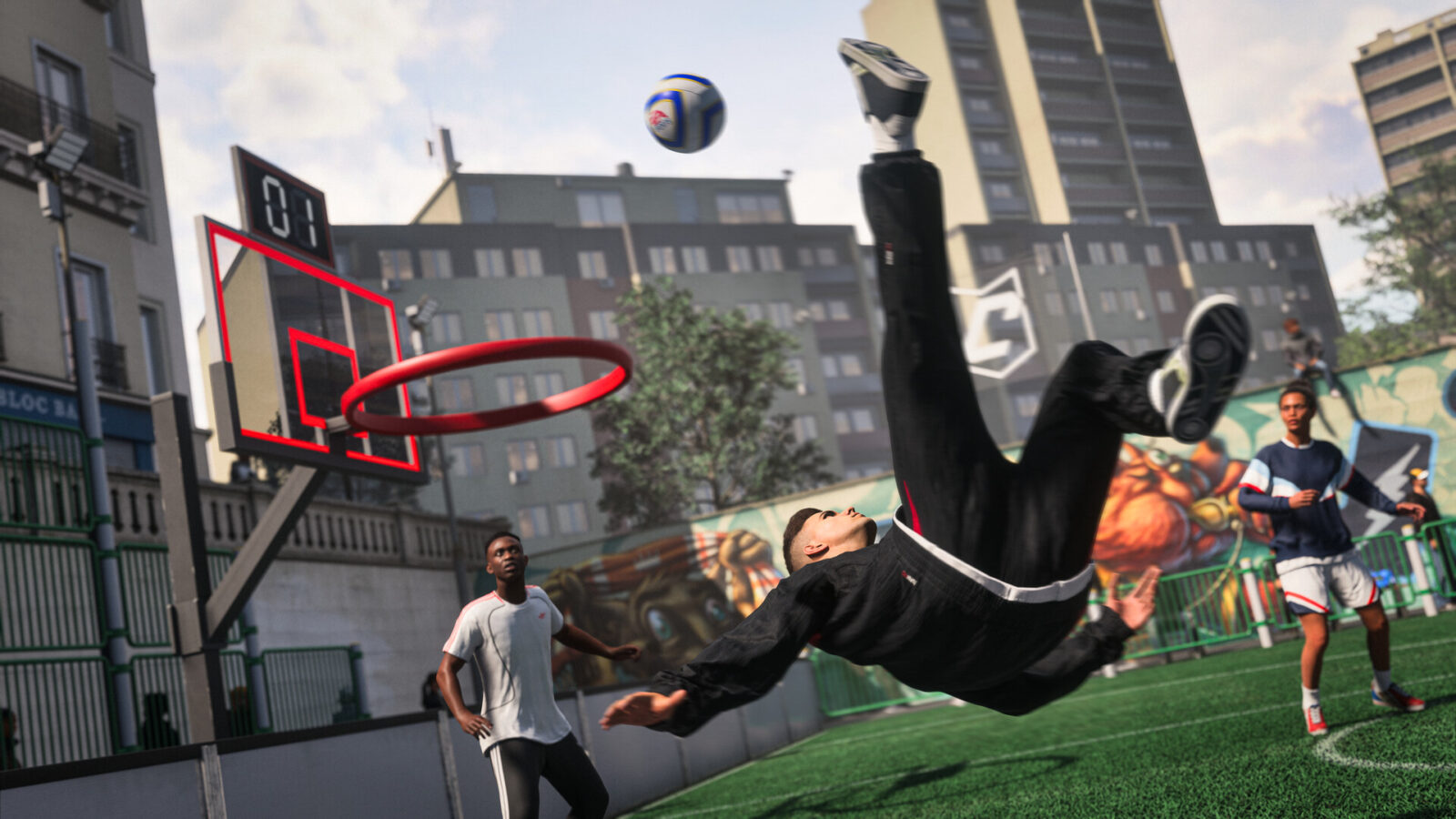
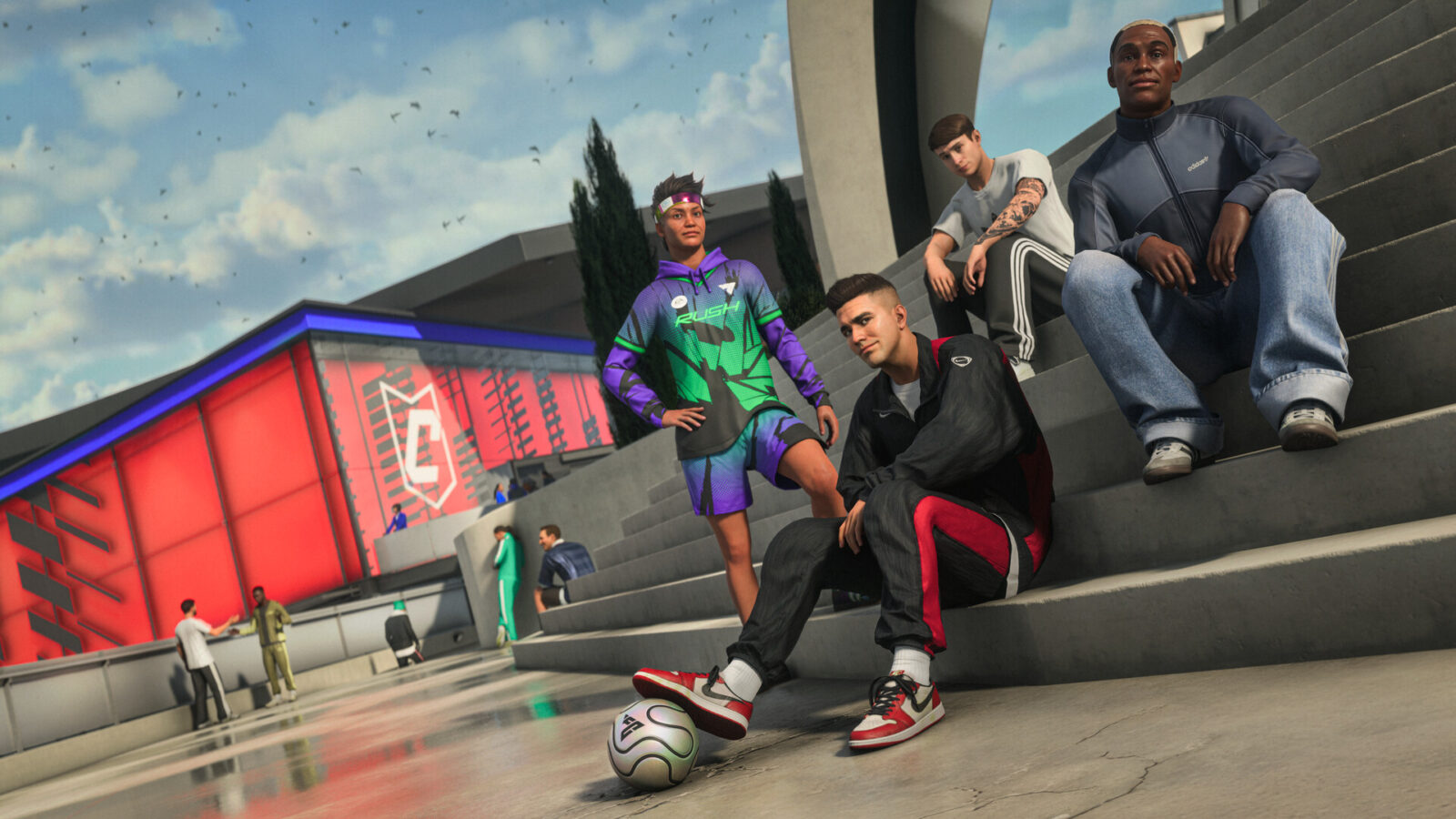
The headline addition is The Grounds, a hub world that replaces the usual tidy menus with a city you walk around to find matches, activities and other players. Anyone who has spent time in NBA 2K’s Neighborhood or City will recognise the idea immediately, and it arrives with many of the same problems. To be fair, it works reasonably well as a live lobby, since matchmaking feels more social and moving between activities has a clear physical flow. My problem is that none of this needed a city. A well-designed menu does the same job faster, and The Grounds doesn’t offer enough atmosphere to justify the extra steps.
The presentation makes that worse. The hub is visually busy but low on detail, its NPCs feel lifeless, character animations look unnatural, and framerate drops break the illusion further. Unskippable cutscenes pile on, so the space often feels like it’s in your way rather than drawing you in. A hub world only earns its place if it’s fun to exist in, and this one feels more like a loading screen you can walk around.
Alex Hunter’s return deserved better
One of the stranger choices in FC 27 is bringing back Alex Hunter, the lead of The Journey story mode from FIFA 17 and FIFA 18, again voiced by Adetomiwa Edun. For longtime players, that’s a real nostalgia hook, because Hunter’s original arc remains one of the few times EA’s football games told a story with some heart. Here he feels flat. His delivery is noticeably stiffer and more detached than in his original outings, as though the script gives him nothing to work with.
Kylian Mbappé also turns up, and his line delivery is so wooden it sounds like a cold read. Celebrity cameos are fine as fan service, but only when they don’t undercut the scene they appear in. Your created character stays silent, which in this context feels like a mercy. For a series with this budget and history of cinematic ambition, the hub’s voice work is surprisingly weak.
Minigames and the monetisation shadow
The Grounds also brings a handful of minigames, including Balloon Ball and Football Tennis. They can be fun in short bursts, and I don’t object to a football game being silly now and then. They do feel like they belong in a spiritual successor to FIFA Street rather than a flagship simulation, though, and they don’t hold attention for long. Treat them as distractions, not reasons to buy.
The bigger worry is structural. Progression in The Grounds runs on coins and XP, and both can be bought with real money. That puts the new hub squarely in the same monetisation loop that has defined the series for years, and it makes The Grounds look less like a community space and more like another storefront with nicer lighting. When the headline feature doubles as a spending funnel, it’s hard to see it as anything other than a signal of where EA’s priorities lie.
Tactics finally talk back
Now for the good news, and it’s big. FC 27’s expanded Tactics system is easily its best idea, and it builds on the PlayStyles and Player Roles introduced in recent years instead of replacing them. You now get far more control over how your team behaves in different phases of play, with separate instructions for when you have the ball and when you don’t. That separation matters because real teams don’t play the same way in both situations. A side can press high out of possession and still build patiently once it wins the ball, and FC 27 lets you model that properly.
What surprised me most is how well the game explains itself. Instead of dropping you into a wall of sliders, it tells you what each approach is for, where it’s strong and where it leaves you exposed. The system is approachable for players who have never thought much about a double pivot, while leaving enough depth for tactics nerds to experiment endlessly. It’s the rare football game feature that actually teaches football.
Player Roles and mid-match adjustments
Player Roles give individual players specific jobs within a formation, so position alone doesn’t dictate behaviour. A wide forward can be set to cut inside and look for shots, or to stay wide and stretch the back line to open space centrally. The same logic works defensively: you can give an attacker more tracking-back duties to shore up a flank without dismantling your whole shape. This kind of granularity lets you build a team around the strengths of your actual players, not a generic template.
Switching formations mid-match also feels more purposeful than before, because the game has explained what each shape changes. If an opponent keeps leaving space out wide, or smothers the flanks and forces play through the middle, you have clear tools to respond. That turns tactical tinkering from something you do once before kickoff into a live part of the match. For players who enjoy the chess side of football, this is where FC 27 is at its best.

Passing, curved runs and the CPU problem
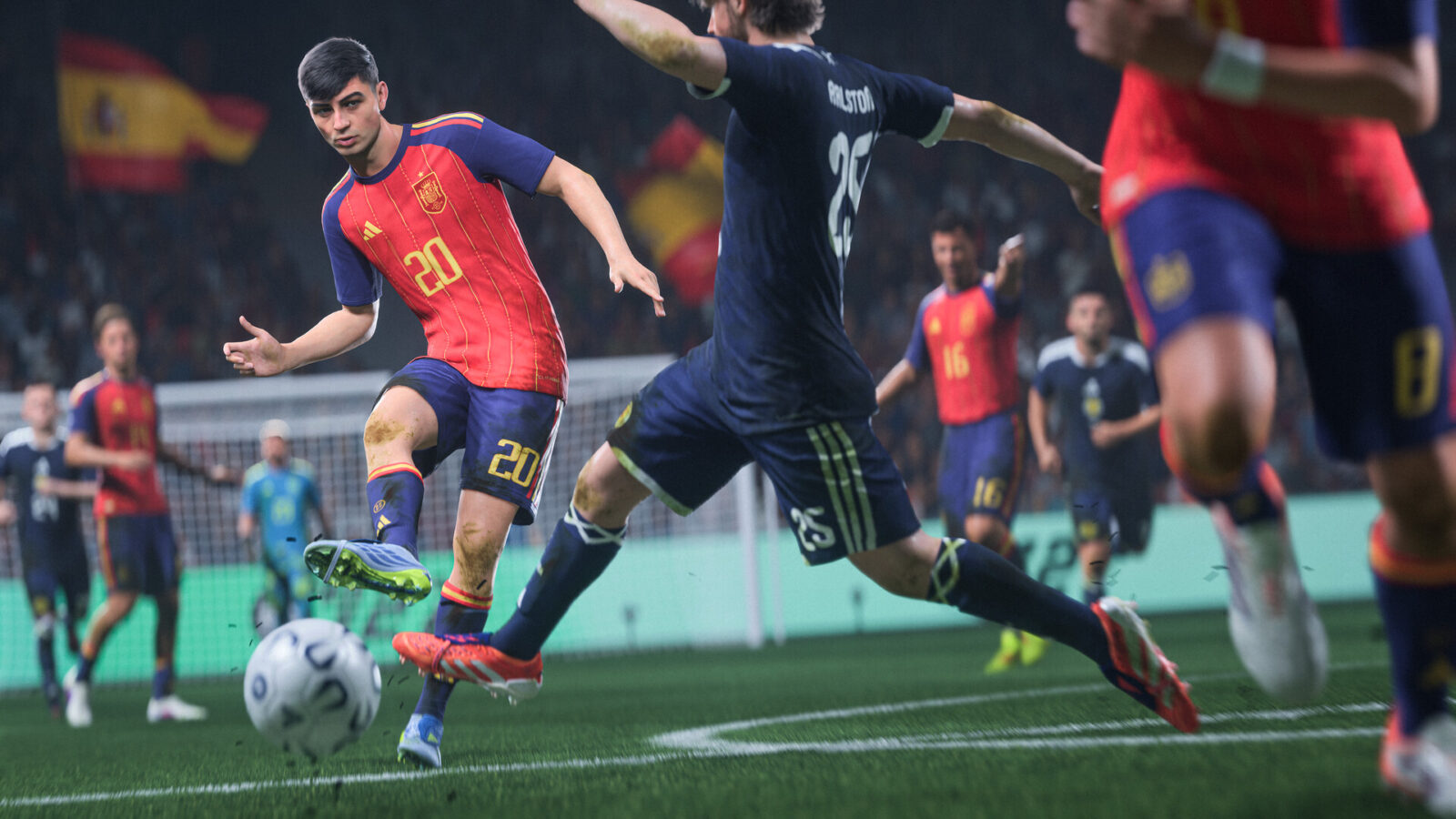
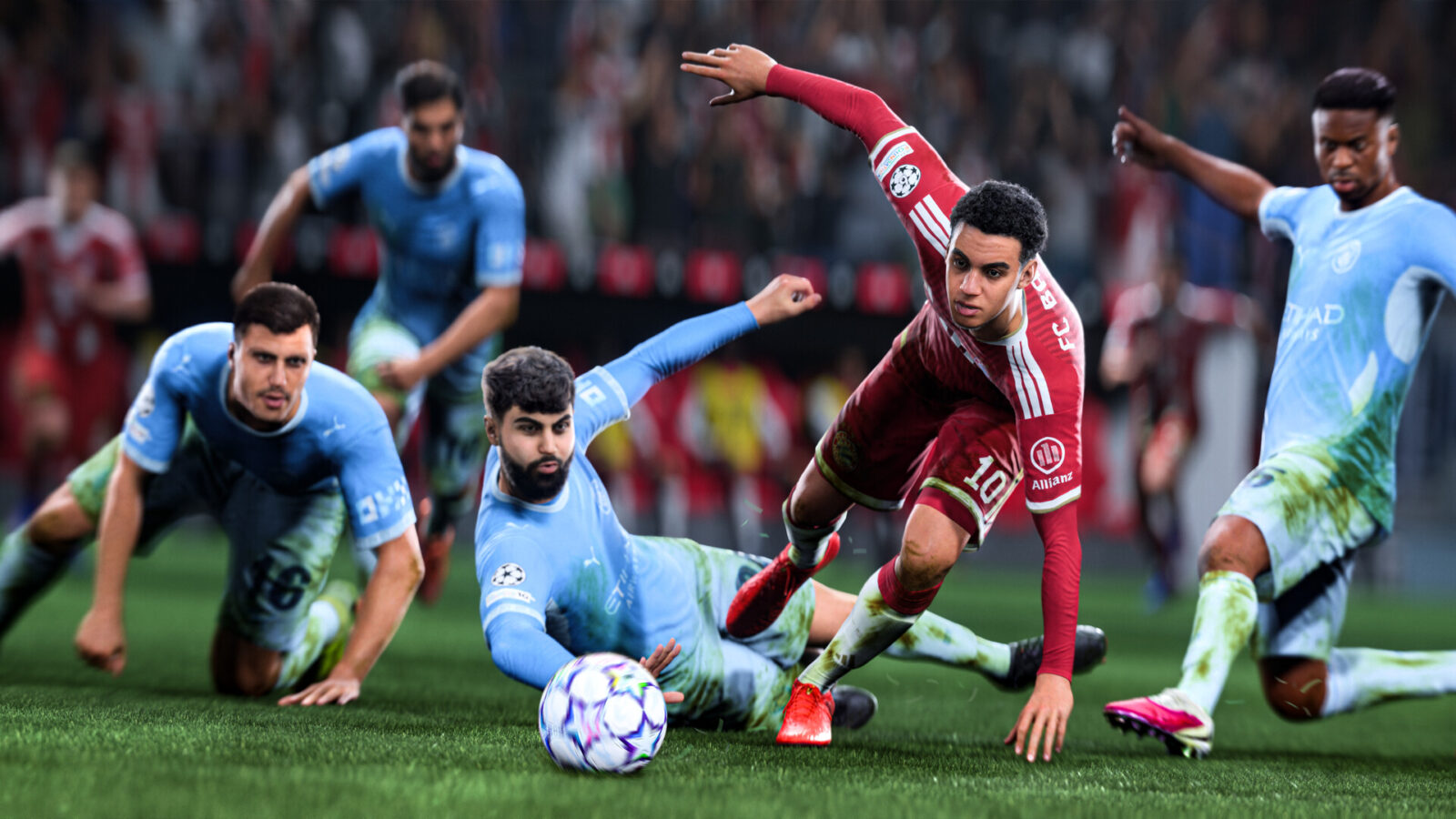
Passing has been reworked with more emphasis on manual control for ground passes and lobbed balls, giving you more say over exactly where the ball goes. That pairs with new curved runs, where attackers bend their movement around defenders rather than sprinting in rigid straight lines. On paper, and often in practice, the combination looks and feels much closer to the real sport. A well-timed pass into a curving run is one of the most satisfying things FC 27 offers.
The trouble is that the game’s own AI keeps getting in the way. CPU pathing and defensive logic still break down on higher difficulties, with teammates hesitating on 50/50 balls or drifting into positions that make no sense. Passes aimed at an open player sometimes end up going to a marked teammate instead, as if the assist system has its own opinion. Defenders are too easily dragged out of position by runners on the counter, which leads to lopsided breakaway goals. These are old complaints, and seeing them survive yet another annual entry is genuinely tiring.

Crosses and corners get a real upgrade
Crossing and set pieces are a pleasant surprise. Both systems now create more believable positioning battles in the box, and you have more control over how deliveries play out. Corners in particular have gone from something to cycle through quickly to a genuine attacking weapon. Headers feel achievable rather than random, which changes how you think about winning set pieces in the first place.
This matters more than it might seem. Set pieces are a huge part of real football, and for years EA’s games underplayed them to the point of irrelevance. Making them a viable route to goal adds variety to how matches unfold and rewards players who build squads with aerial threats. It’s one of the cleanest wins in the package.
Ultimate Team: smarter upgrades, messier economy
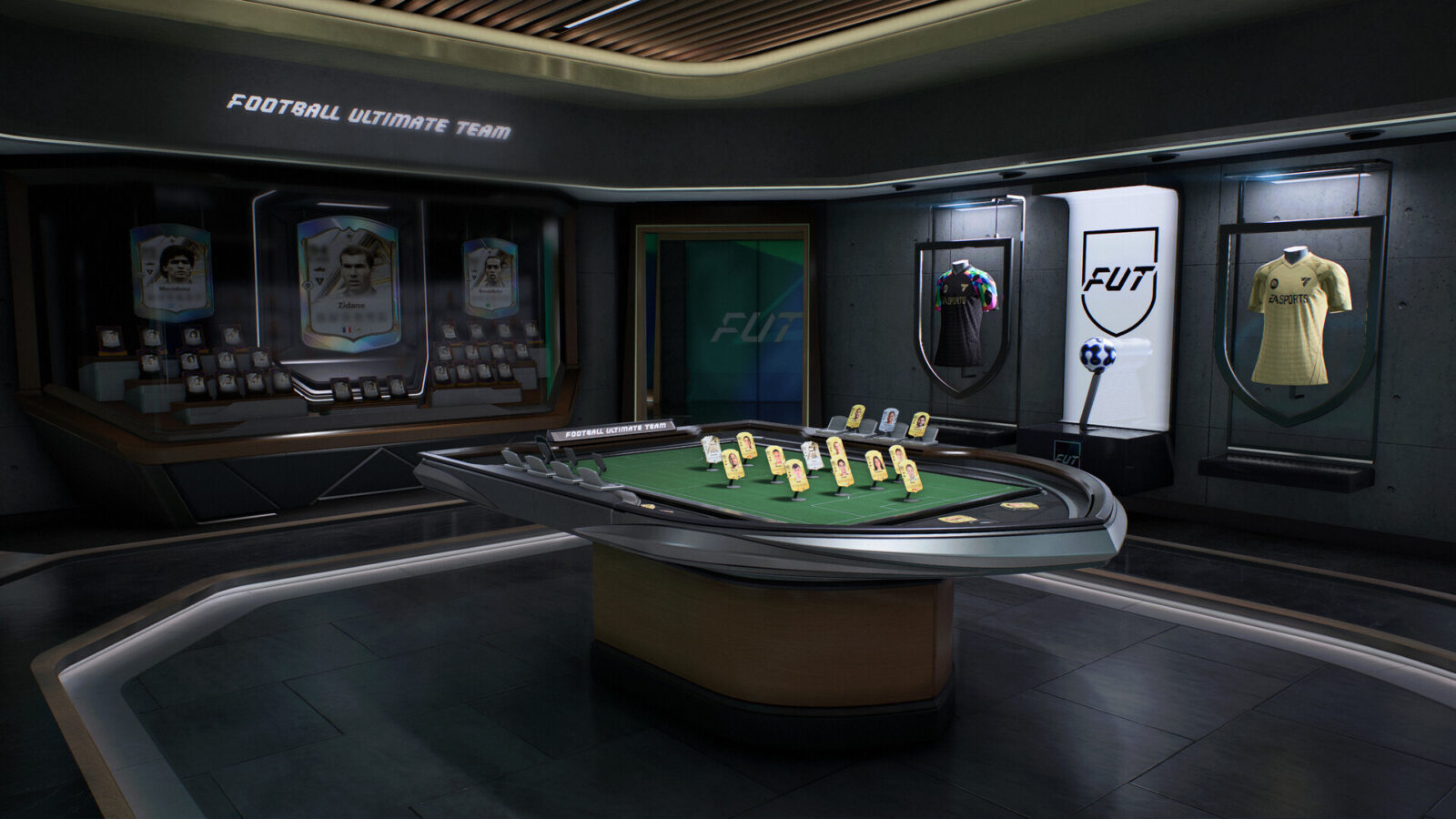
Ultimate Team’s player upgrades are more flexible this year, with branching paths at key stages instead of a single fixed route. Being able to shape a player’s PlayStyles and stats around how you actually play is a meaningful improvement, and it makes upgrades feel like decisions rather than checklists. Smaller promo campaigns and a three-PlayStyle+ limit also help, as special cards shouldn’t become obsolete within a week. These changes suggest EA is at least thinking about card fatigue.
The on-pitch picture is more complicated. Manual goalkeeping feels less responsive against crosses and corners, which makes an already niche role even less appealing to play. The shift toward manual defending rewards skill in theory, but pace-heavy attackers can exploit a single mistimed player switch, which pushes the meta back toward speed. On the economy side, matches pay out more coins and higher baseline Season Points, but reduced discard values for lower and mid-tier gold, silver and bronze cards take away popular trading strategies like the Bronze Pack Method. It’s a rebalance that gives with one hand and takes with the other.

Career Mode finally feels like management
Career Mode has received its most substantial overhaul in years, and the transfer market leads the way. Deals now involve staged negotiations, installment payments, performance bonuses, bidding wars and rival clubs trying to hijack your targets. Agreeing a fee and contract no longer guarantees a signing, because a player can still choose a rival. That uncertainty makes the transfer window feel like an actual contest instead of a formality.
The world around you is more alive too. Form, fitness and morale now shift player ratings during the season, and CPU clubs finally plan finances and recruitment around their tactical needs, which makes rivals behave more like real organisations. Unexpected events such as financial penalties, dressing-room disputes, disciplinary problems and training-ground incidents add friction, while press conferences carry real consequences for morale and squad relationships. Player Career gets rivalries, origin stories, new starting scenarios and icon players like Gareth Bale.
Some old issues remain. Menus are still slow, season-to-season animations are recycled, and too much progression still runs through the investment system introduced in EA Sports FC 24. It’s a much deeper mode than last year, but its interface still feels behind the times.
Online stability remains a sore spot
FC 27’s online experience still suffers from connection problems that have followed the series for years. Disconnects, server lag and matches that fall apart mid-game remain common complaints, and occasional physics or logic glitches can produce bizarre moments that decide outcomes. For a game increasingly built around online modes, from Ultimate Team to The Grounds, this is a serious weakness. Great tactical tools mean little if the match you’re playing collapses before full time.
Verdict
EA Sports FC 27 is a better football game than its worst decisions suggest. The expanded Tactics system is excellent, combining clear explanations with real depth so that formations, player roles and phase-specific instructions finally shape how matches play. Improved crossing and corners add a welcome new attacking dimension, the manual passing and curved runs point in a promising direction, and Career Mode is the richest it has been in years thanks to a transfer market with real stakes and a more dynamic world.
The problem is everything around that core. The Grounds is an unnecessary layer of friction with weak presentation, stiff voice work and monetised progression, and it feels designed for engagement metrics more than players. CPU behaviour, defensive logic and passing assists still misfire at important moments, online stability remains shaky, and Ultimate Team’s economy changes introduce as many frustrations as they solve.
If you care about tactics or spend most of your time in Career Mode, FC 27 offers enough genuine progress to be worth your time. If you mostly play online and hoped for a cleaner, more reliable experience, you’ll find many of the same headaches in a flashier package. It’s a good football game held back by old habits and a new hub that misses the point.