
TL;DR: The ASUS ROG Flow Z13-KJP combines Ryzen AI MAX+ 395 power, Radeon 8060S graphics, 128GB of unified memory and a 180Hz QHD display with a wonderfully elaborate Kojima Productions design. It’s expensive and excessive, but for creators, AI geeks and Kojima collectors who understand exactly what they’re buying, that’s rather the point.
There are sensible computers, and then there are computers that look like they arrived inside a mysterious cargo container accompanied by twelve hours of cinematic exposition. The ASUS ROG Flow Z13-KJP very enthusiastically belongs to the second category. This collaboration between Republic of Gamers and Kojima Productions takes the already wonderfully strange idea of a gaming tablet and turns it into something that feels less like consumer electronics and more like equipment assigned to a sci-fi protagonist. Underneath all that theatre sits some genuinely fascinating hardware: AMD’s Ryzen AI MAX+ 395, Radeon 8060S graphics, a frankly ridiculous 128GB of unified memory, a 180Hz QHD display and serious cooling hardware squeezed into a compact 2-in-1 machine.
The catch is equally spectacular. The ROG Flow Z13-KJP costs AED 14,999 through ASUS at the time of writing, which immediately removes “sensible purchase” from the conversation. This is collector-grade PC hardware wearing collector-grade clothes and carrying a collector-grade price. The interesting question isn’t whether you can buy a more conventional gaming laptop for less money. Obviously you can. The question is whether anything else combines this much memory, performance potential, portability and unapologetic geekiness into such an unusual package. That answer is considerably more interesting.
This is how you do a special edition
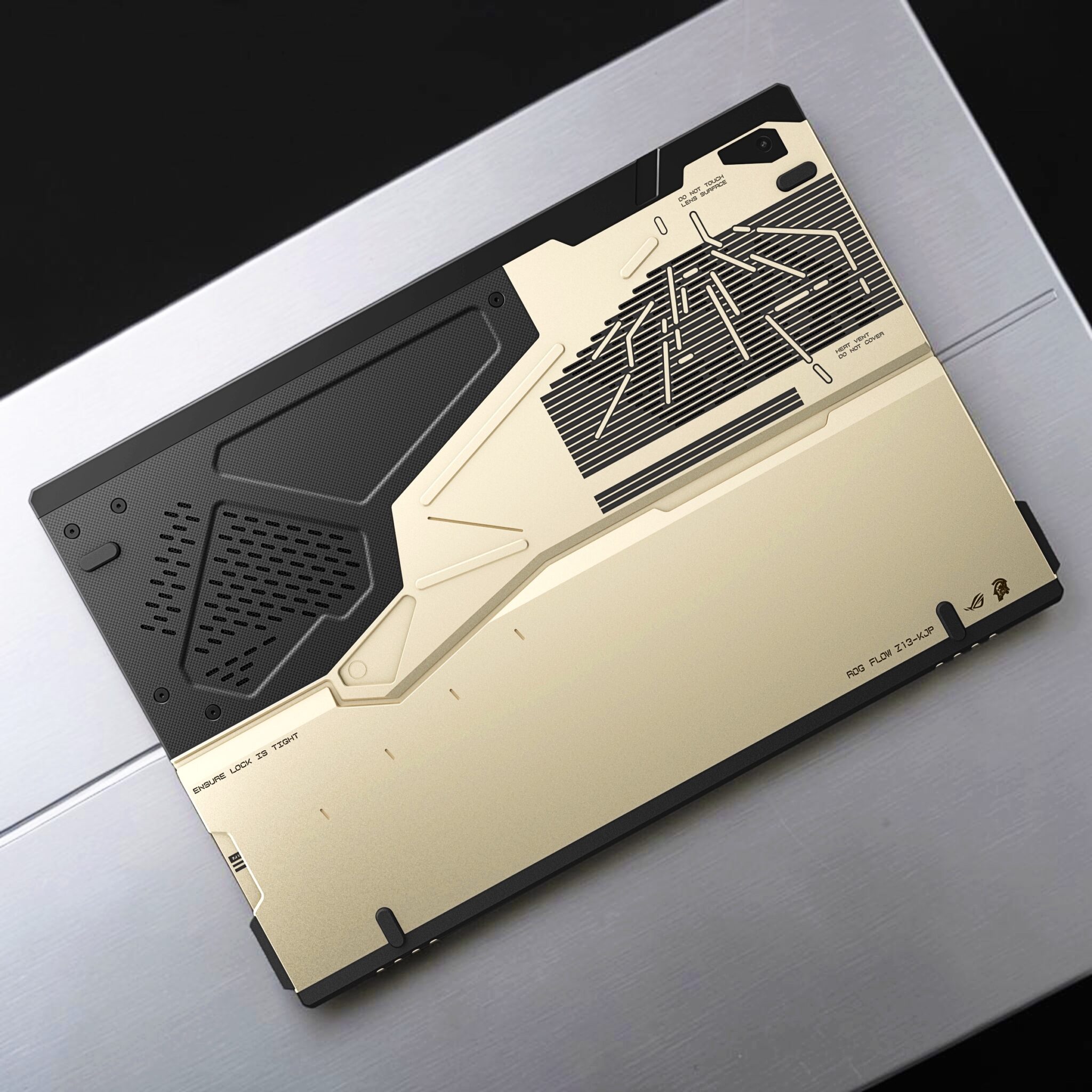
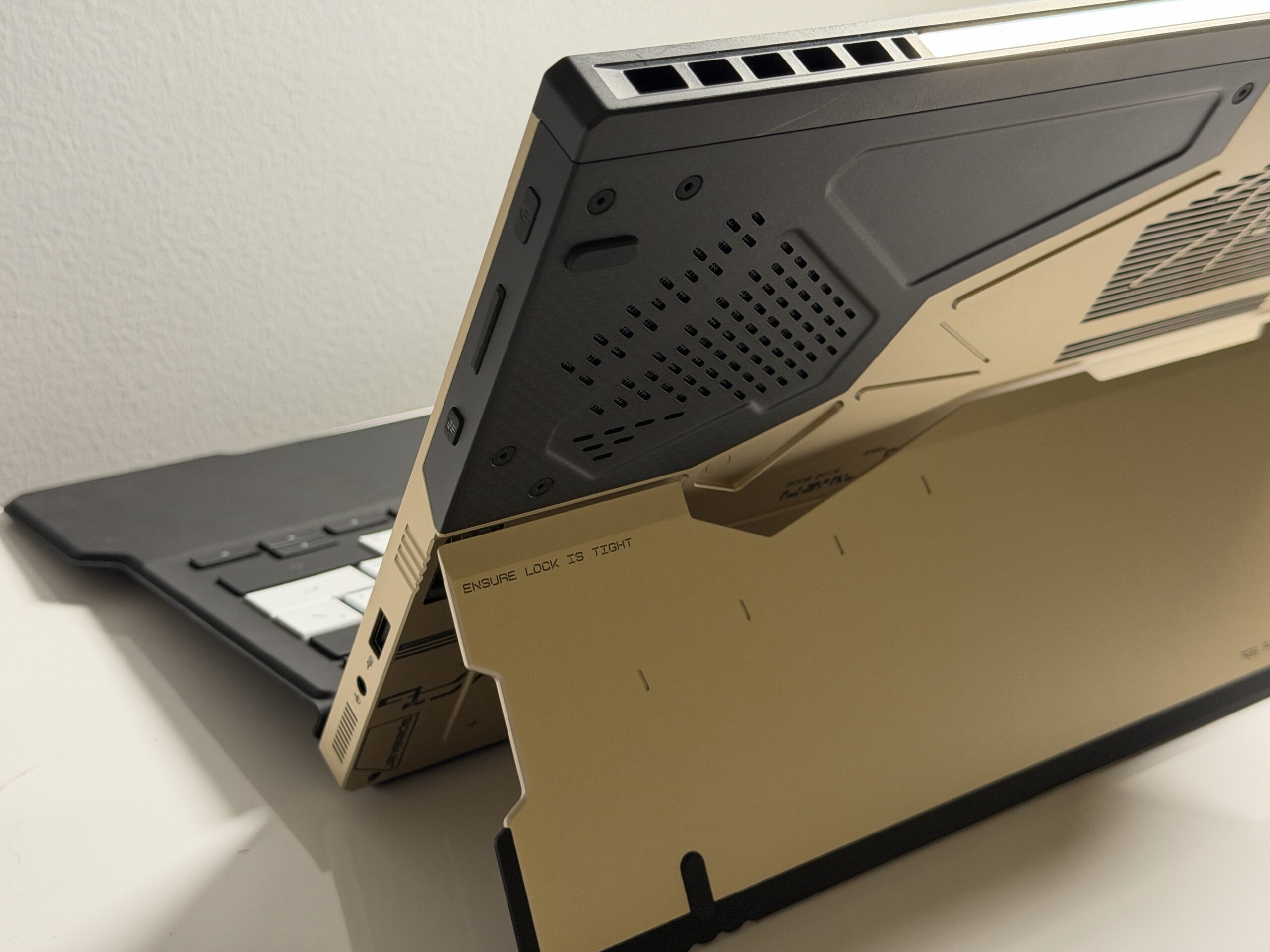
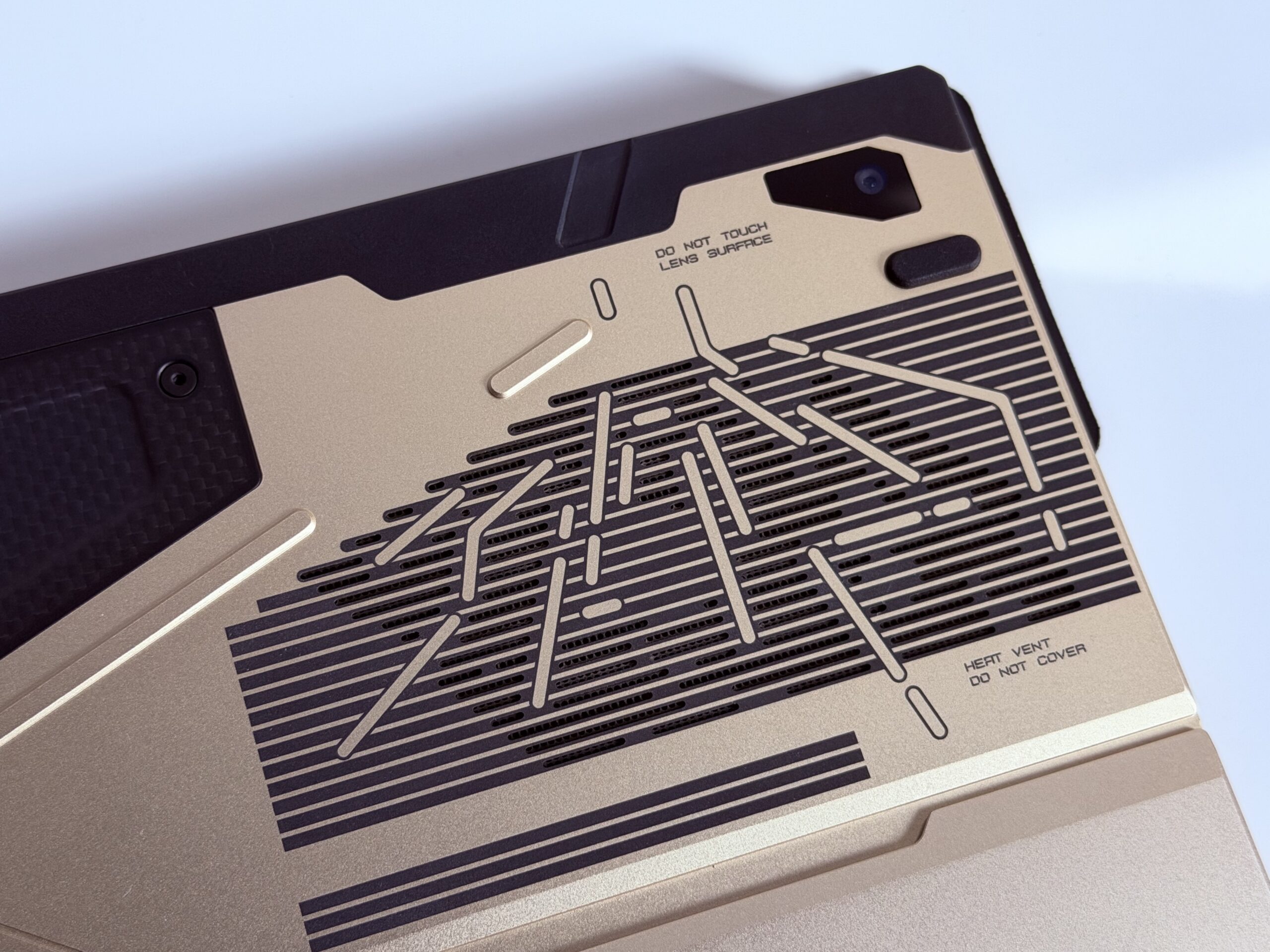
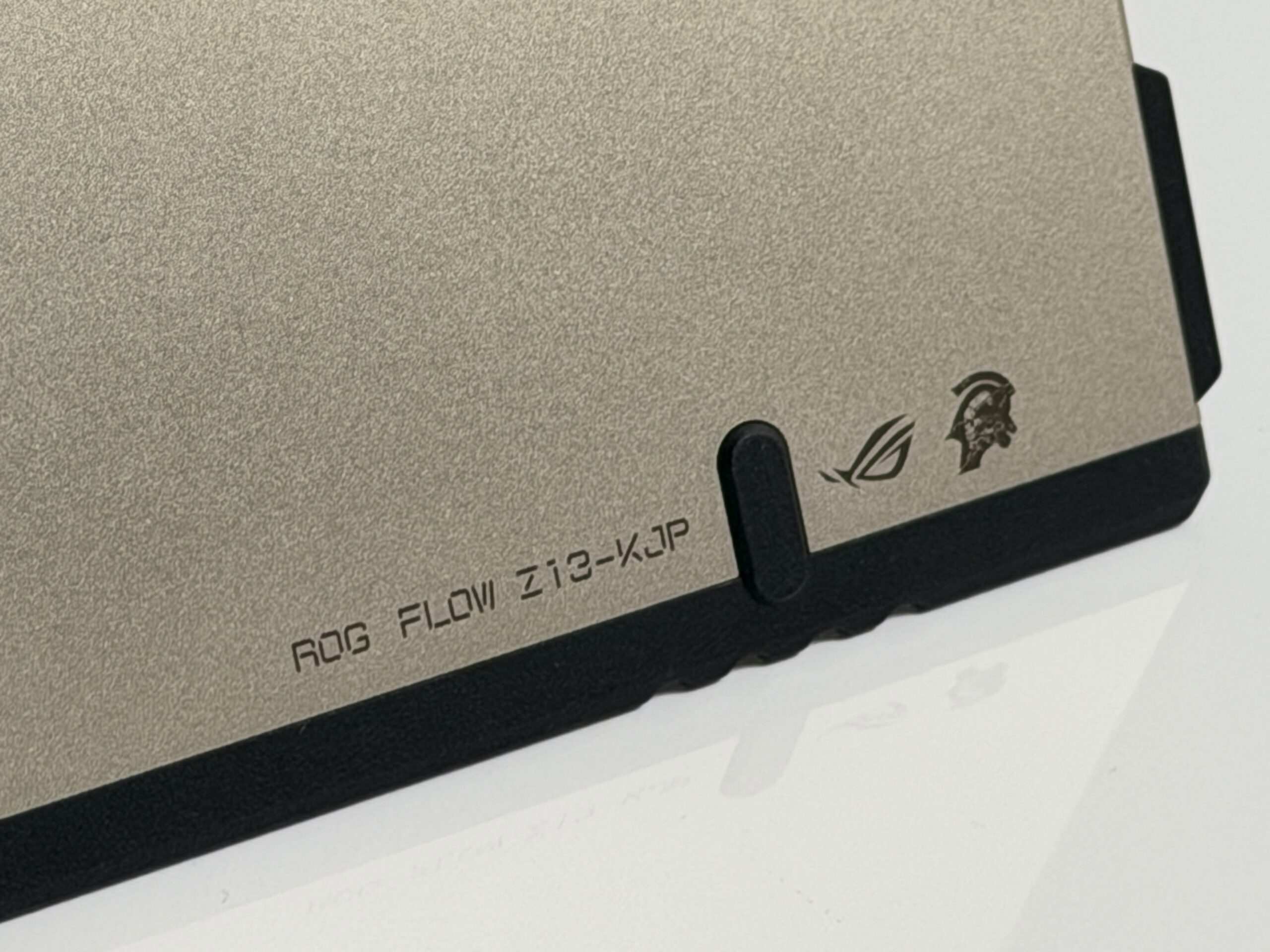
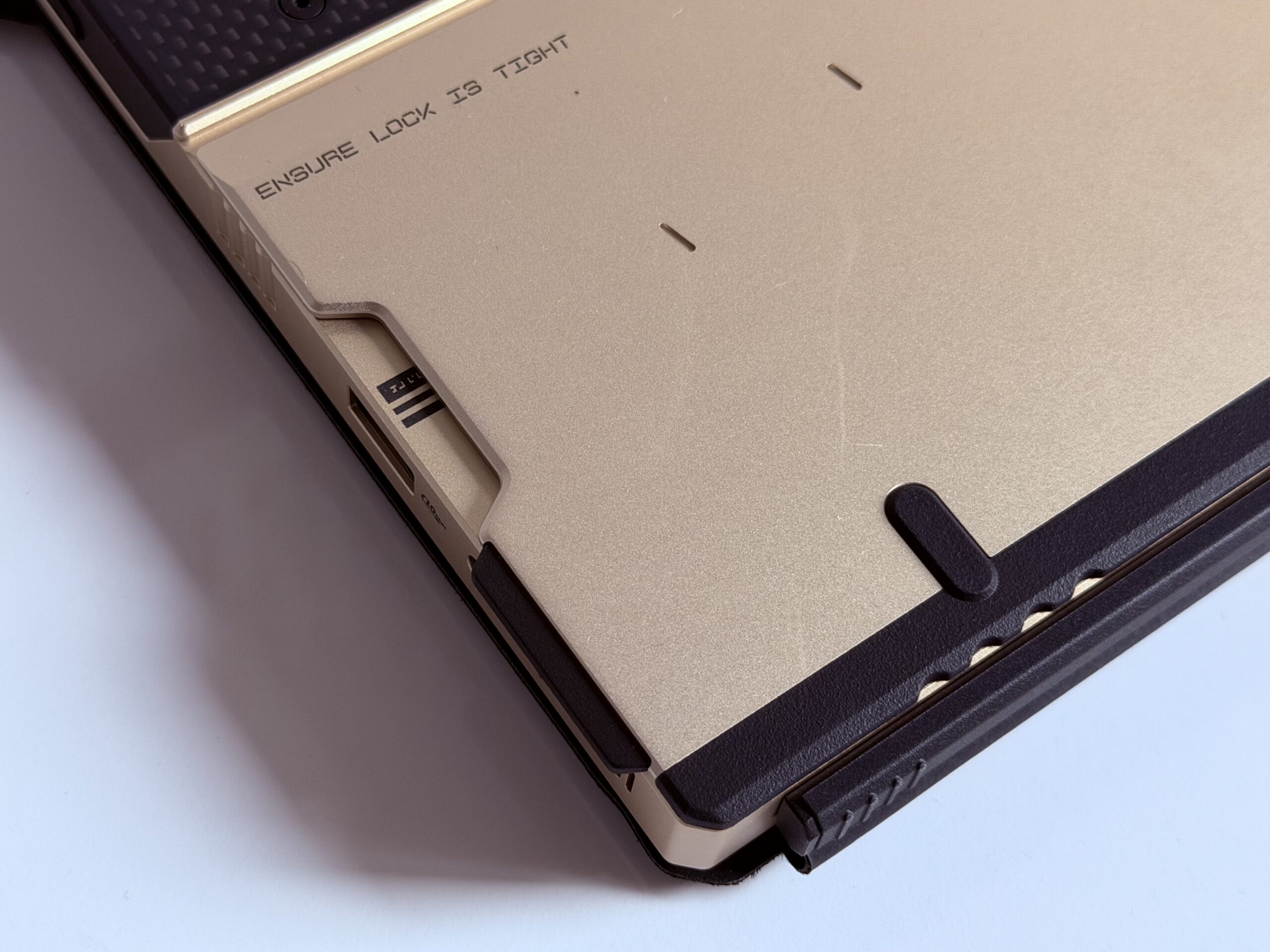
Most technology collaborations follow an established recipe. Take an existing product, change the colour, print a logo somewhere, bundle a wallpaper and start searching the office for a calculator capable of multiplying the price by 1.5. The ROG Flow Z13-KJP takes things much further. Kojima Productions art director Yoji Shinkawa was involved in the design, and the resulting machine borrows heavily from the industrial, futuristic language associated with Ludens, the studio’s icon. ASUS uses a CNC-milled chassis with carbon-fibre elements, while the entire visual treatment makes this version immediately distinguishable from a regular Flow Z13.
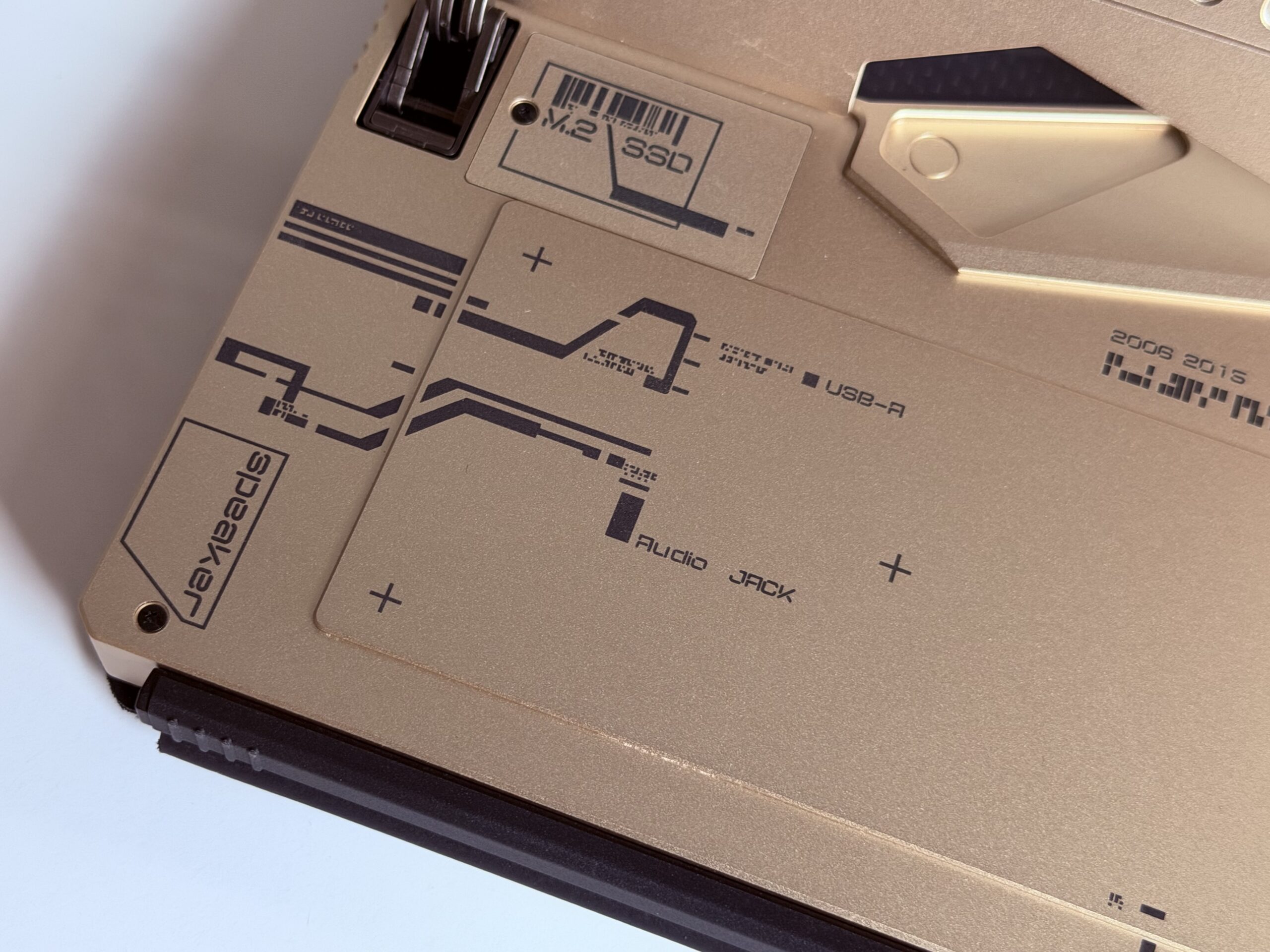
That distinction matters because, for me, a collaboration this expensive needs to justify existing beyond the logo on its box. The angular surfaces, exposed-looking mechanical details, dark finishes and contrasting accents make the Z13-KJP look like a prop department accidentally shipped its prototype to ASUS manufacturing. It is busy, certainly, and minimalists may react to it like Dracula encountering an open curtain, but subtlety was never the assignment here. More importantly, the design feels coherent rather than decorated. There is an actual visual identity running across the machine instead of a collection of logos screaming COLLABORATION at you.
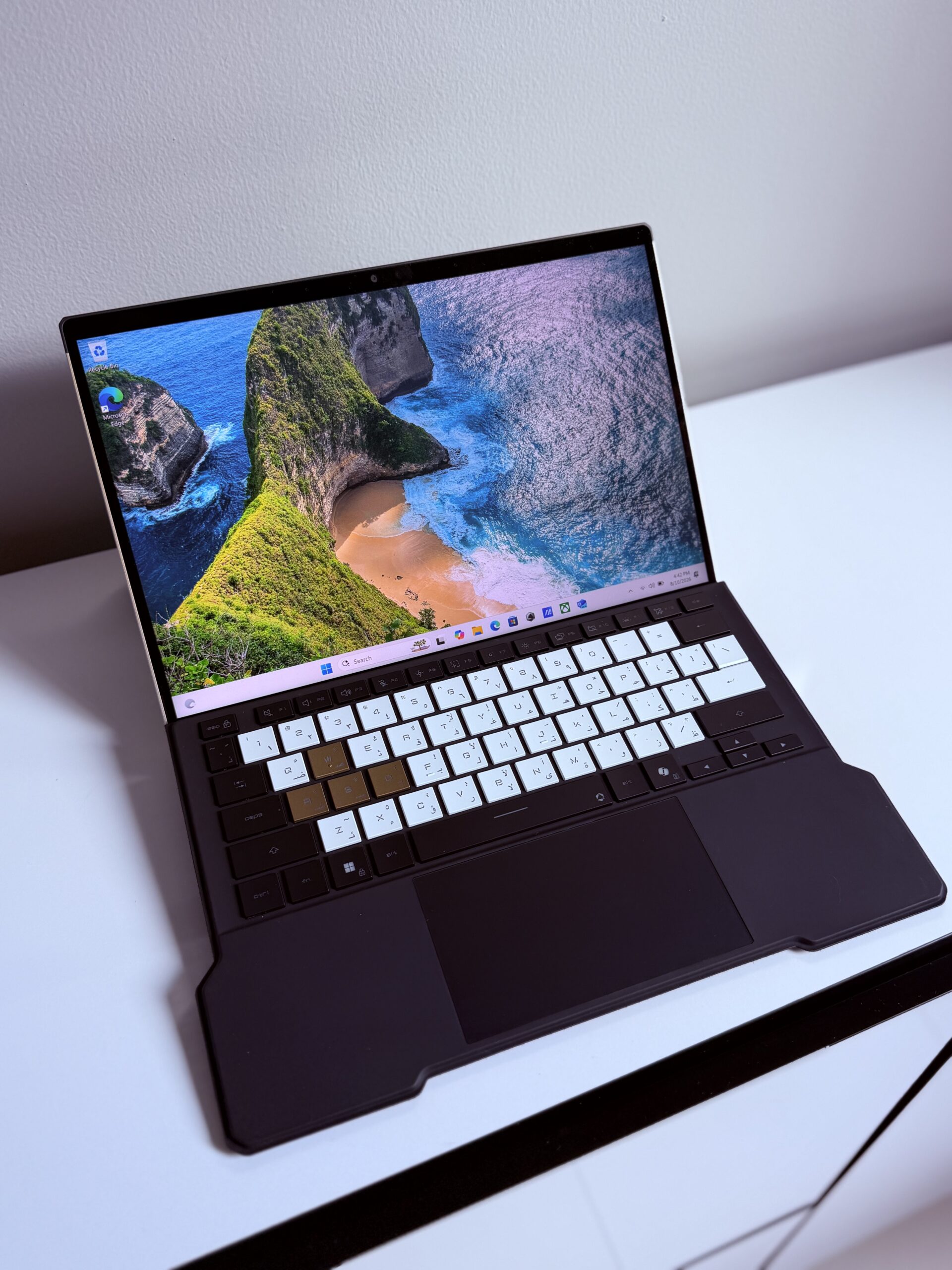
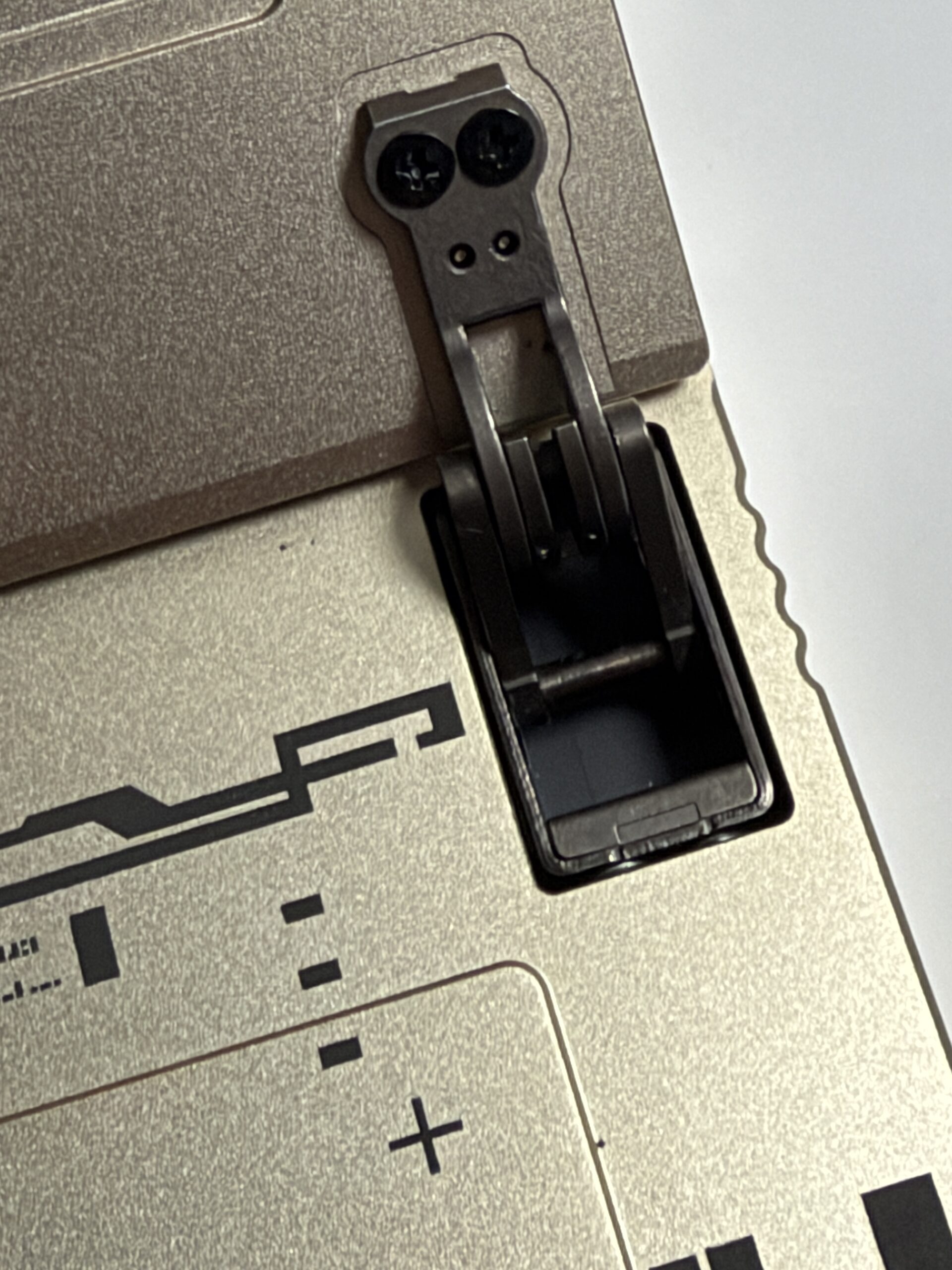
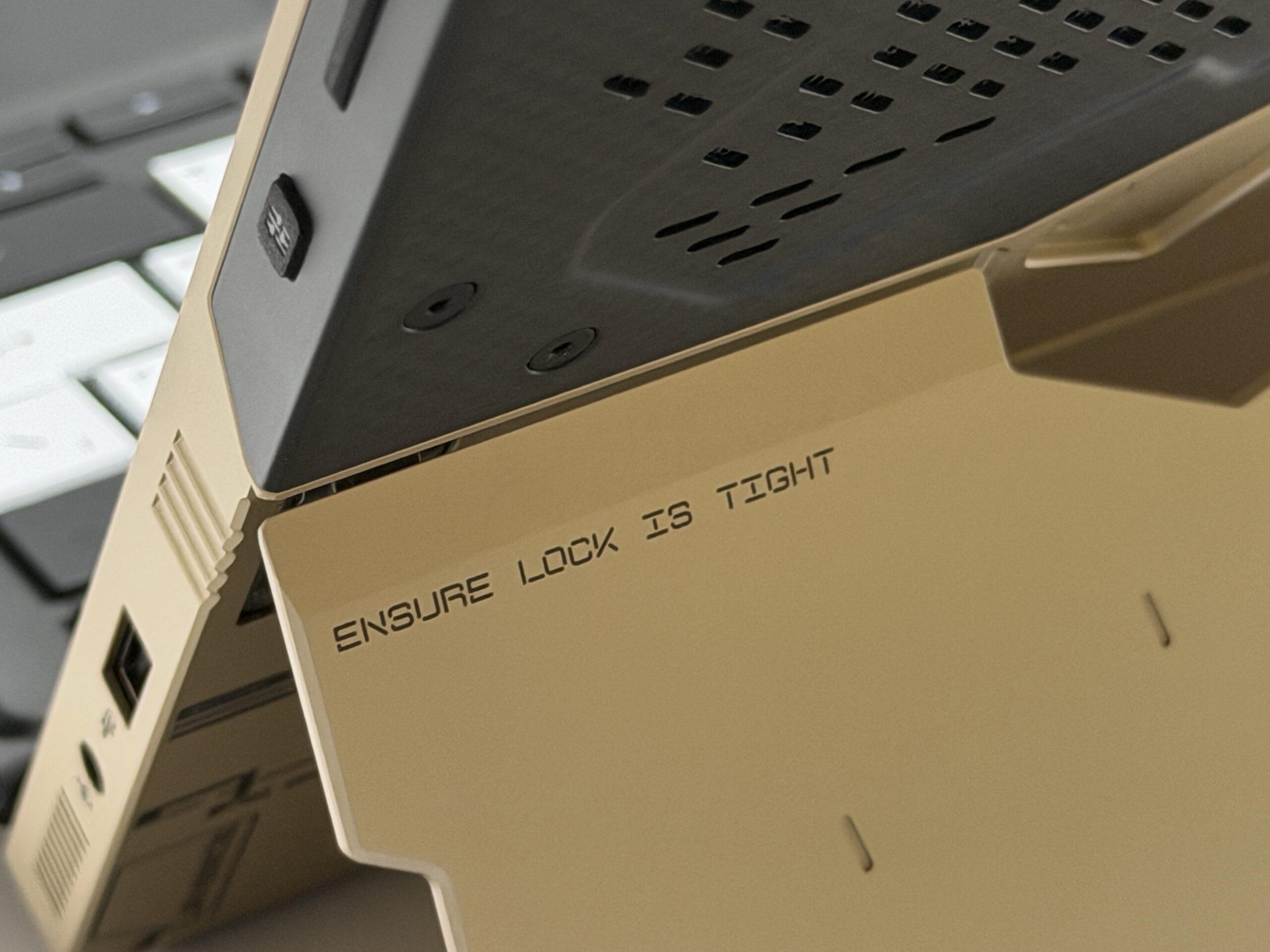
The basic Flow Z13 architecture also remains one of the strangest propositions in PC gaming. Instead of putting the processor beneath a conventional keyboard deck, the computer lives behind the display and works with a detachable keyboard. Remove that keyboard and you have an extraordinarily powerful Windows tablet. Reattach it, deploy the rear kickstand and it becomes a compact laptop. Add a controller and it starts making sense as an oversized portable gaming machine. Connect it to a desk setup and this ridiculous little slab can take on workstation duties. It’s the Swiss Army knife philosophy applied to enthusiast computing, except somebody replaced the corkscrew with an AMD superchip.
ASUS also includes a customized KJP carrying case with the Flow Z13-KJP, and honestly, it feels almost mandatory for a special edition this elaborate. When your AED 14,999 gaming tablet looks like it was issued to someone preparing for a particularly complicated Kojima mission, throwing it into an ordinary laptop sleeve would somewhat ruin the illusion.
The case carries the same distinctive KJP aesthetic as the machine itself, making the whole package feel more complete rather than treating the case as an afterthought. More importantly, it gives you an appropriate way to protect and transport a seriously expensive piece of hardware.
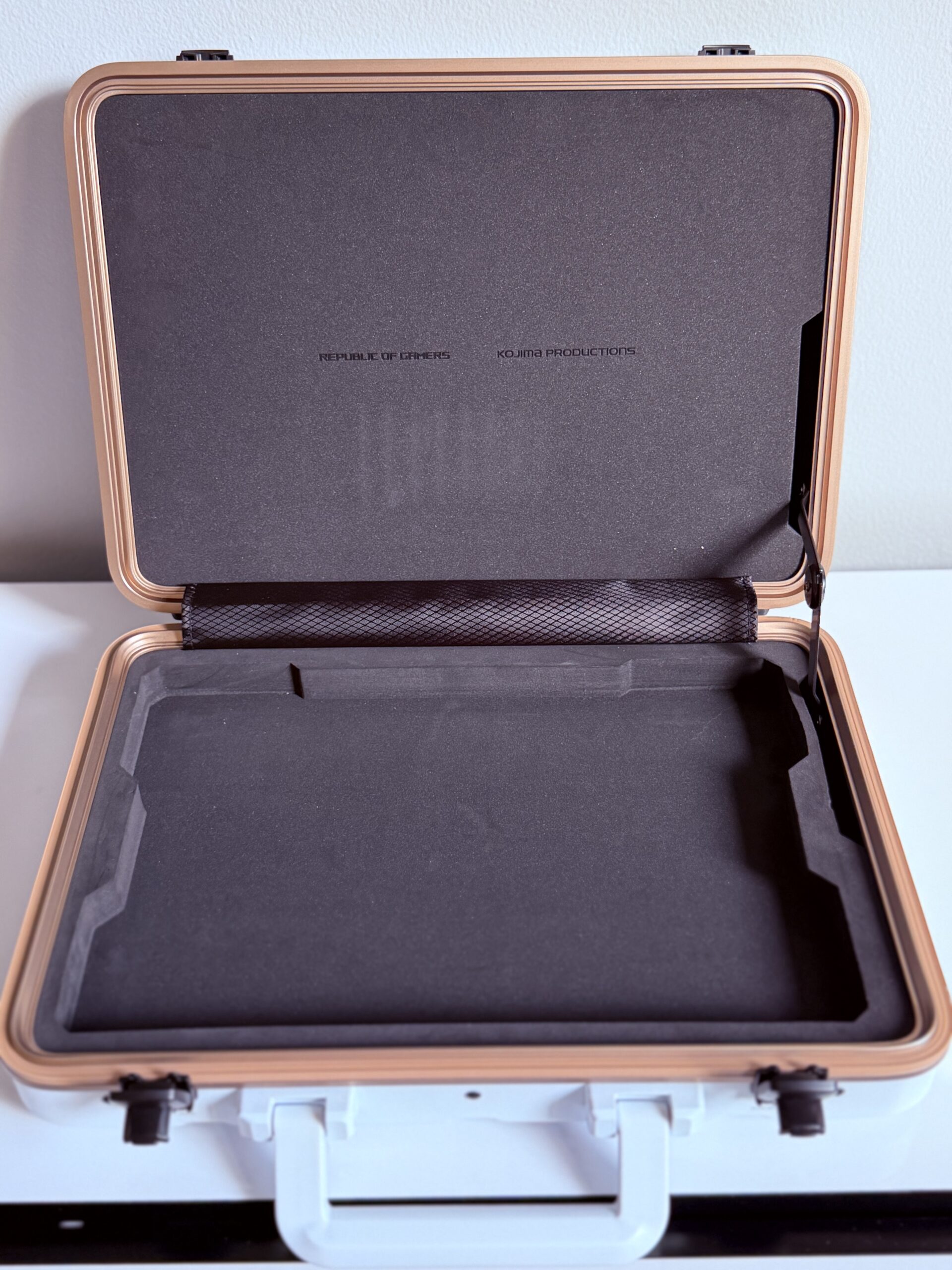
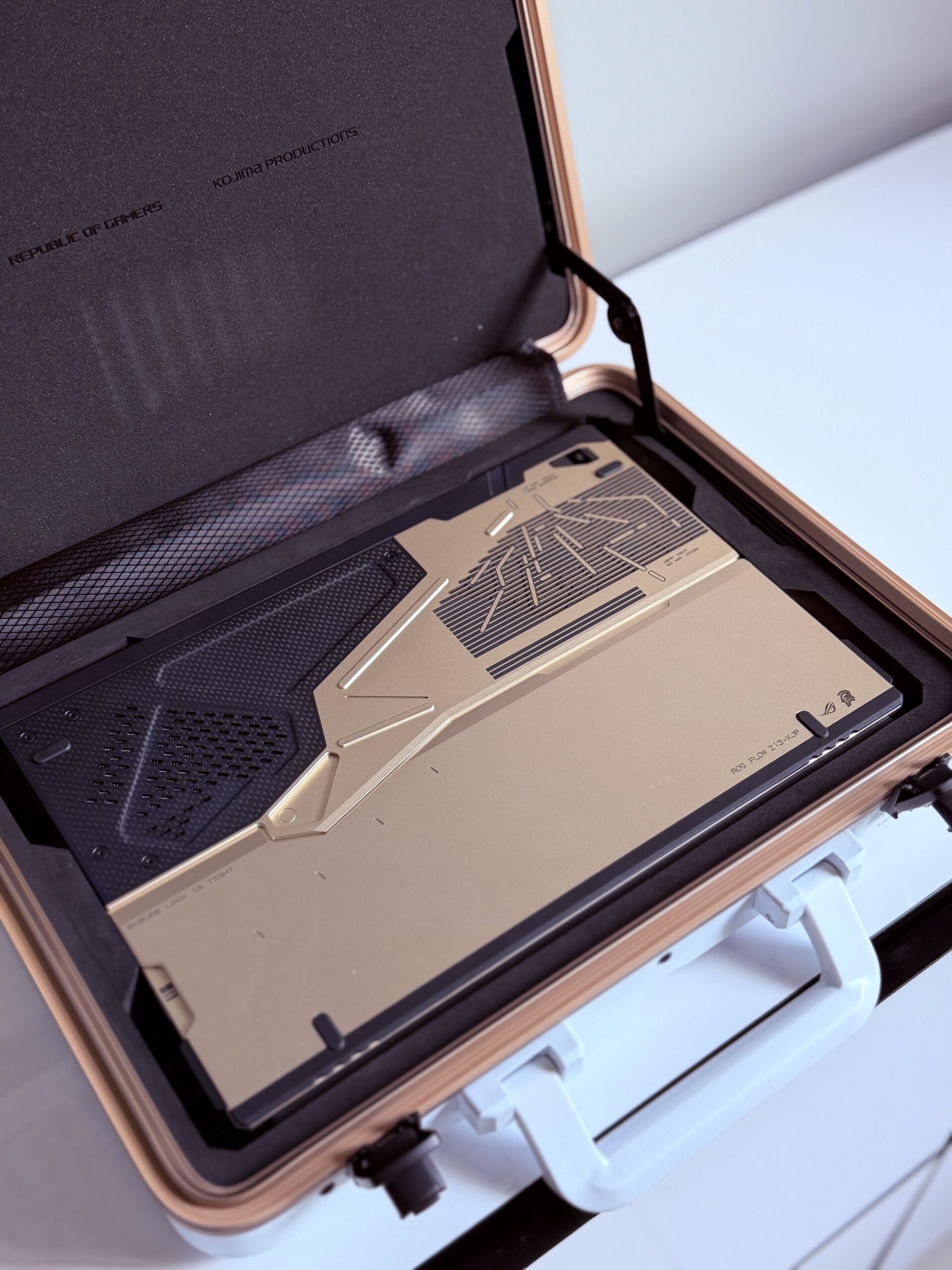
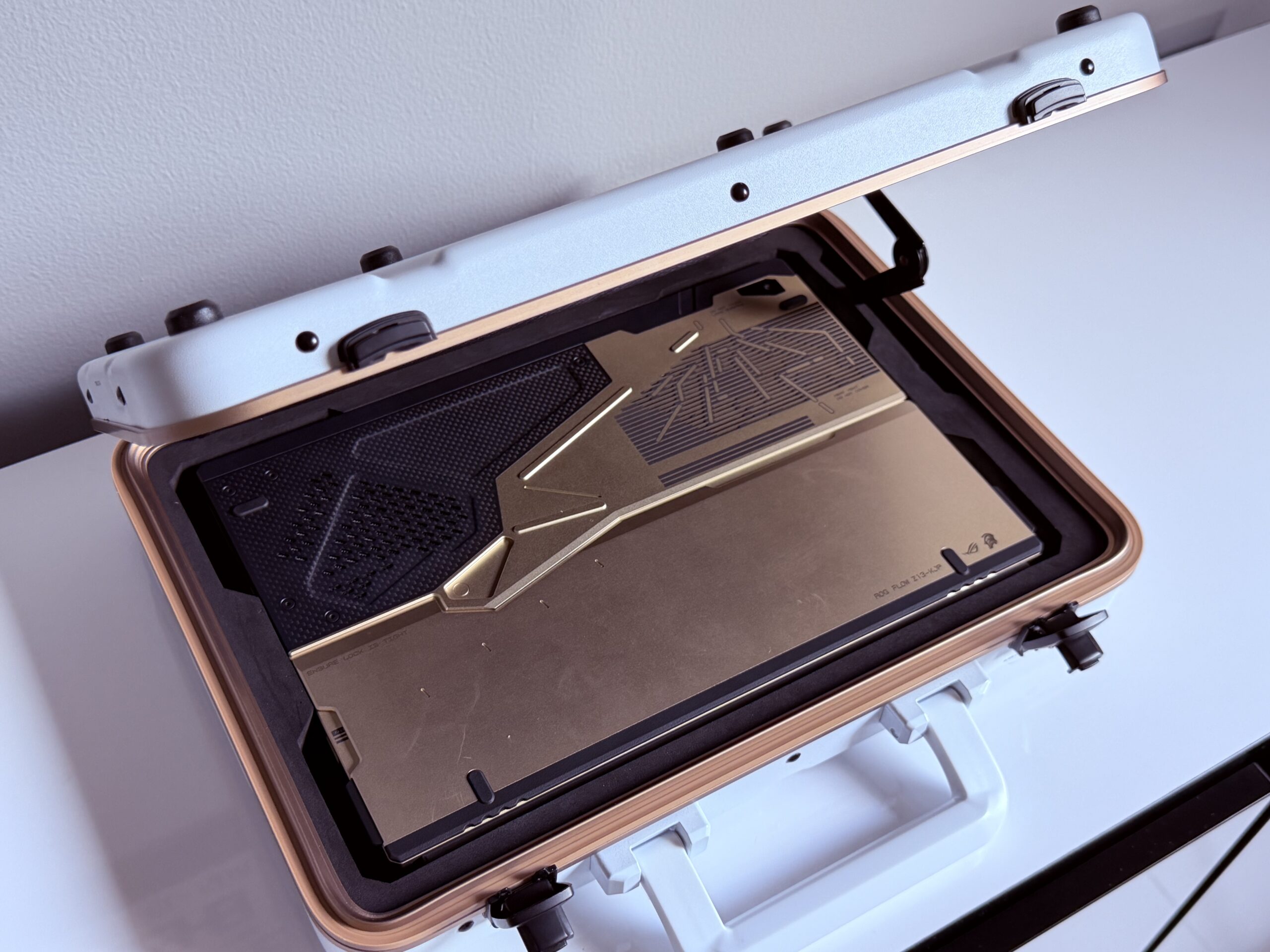
There’s something wonderfully theatrical about packing the Z13-KJP into its dedicated case and heading out with it. You’re technically just carrying a Windows PC, but visually it feels more like you’ve been entrusted with classified equipment that absolutely must reach its destination before the next 45-minute cutscene begins.
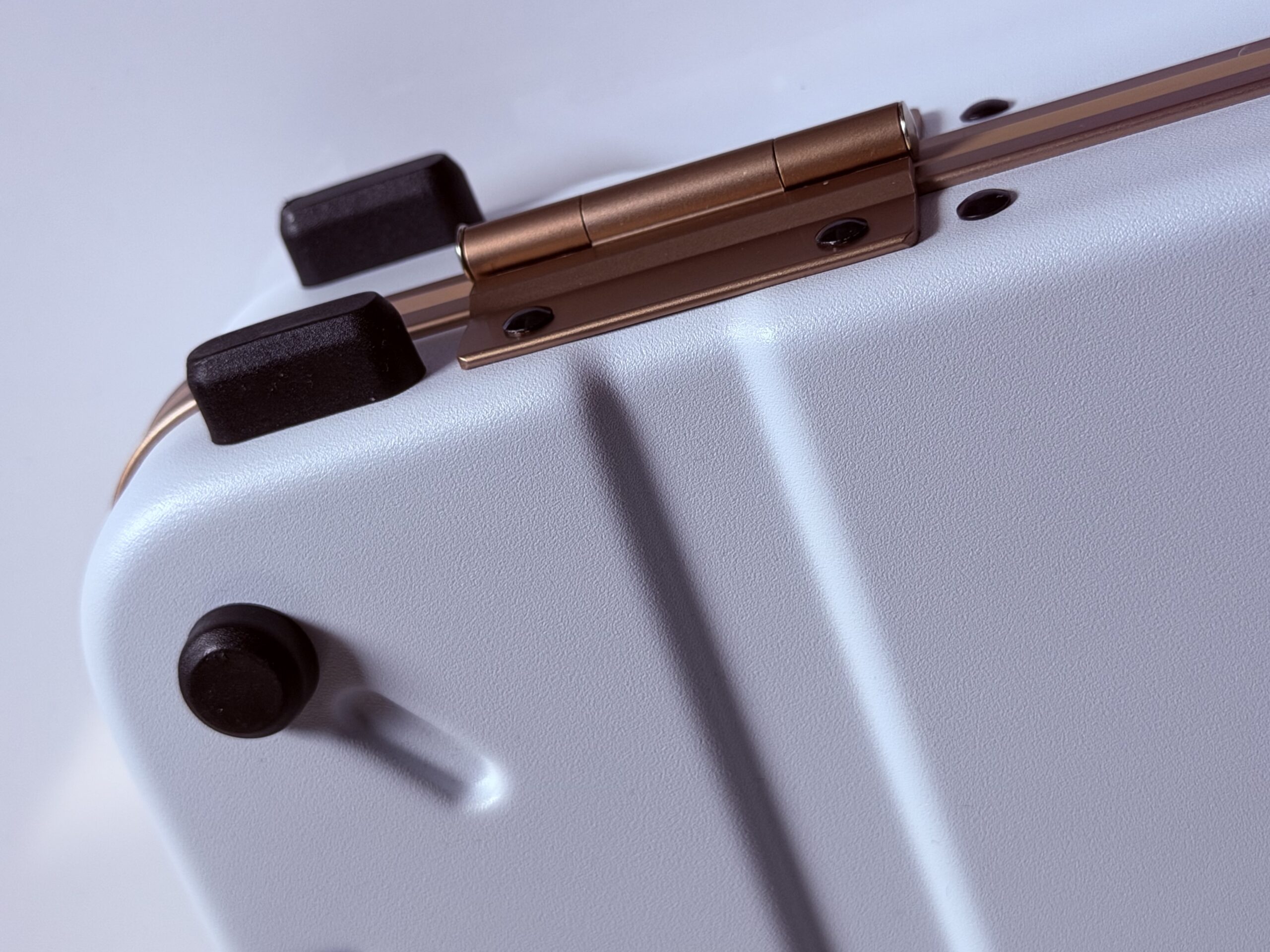
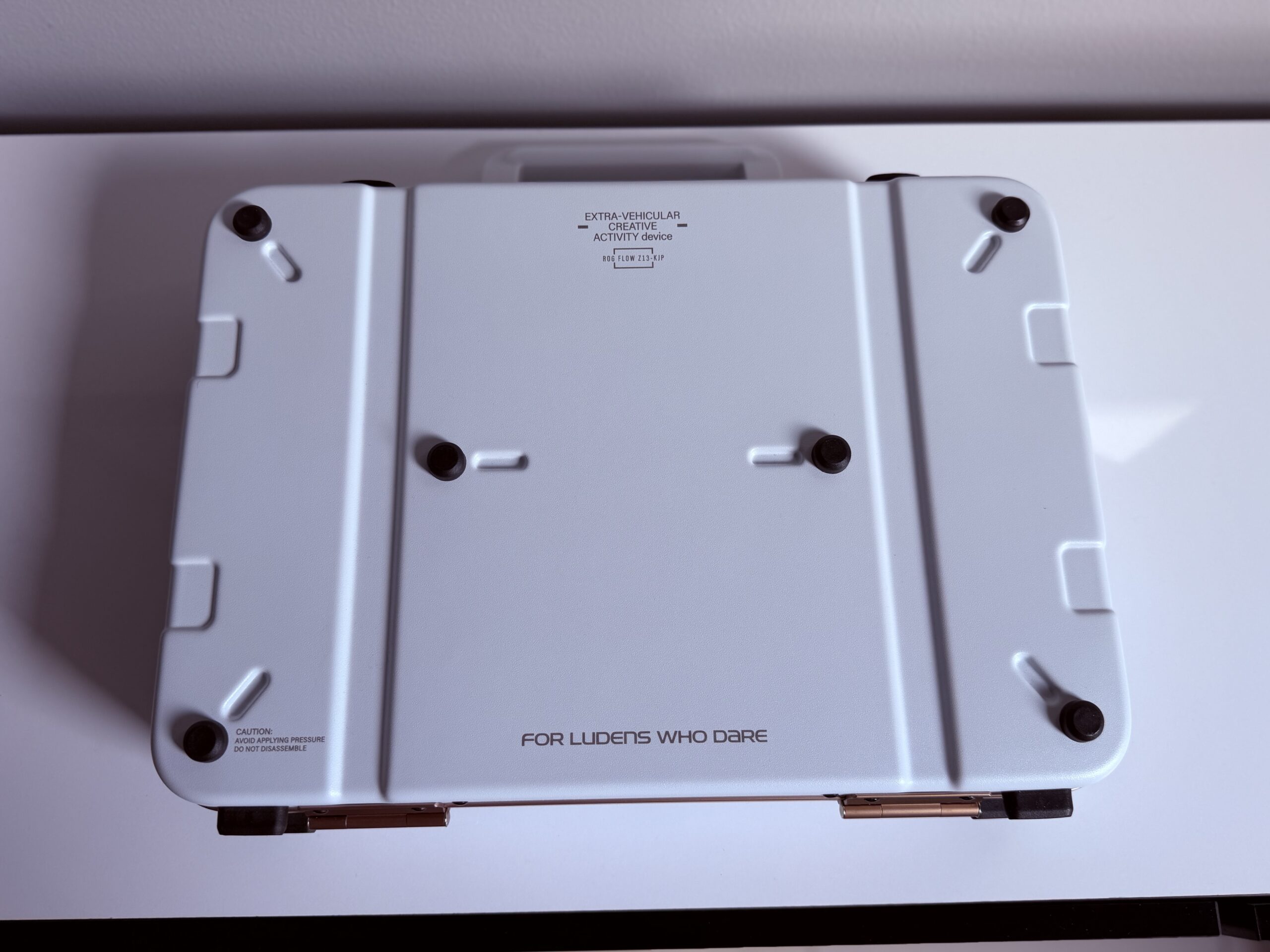
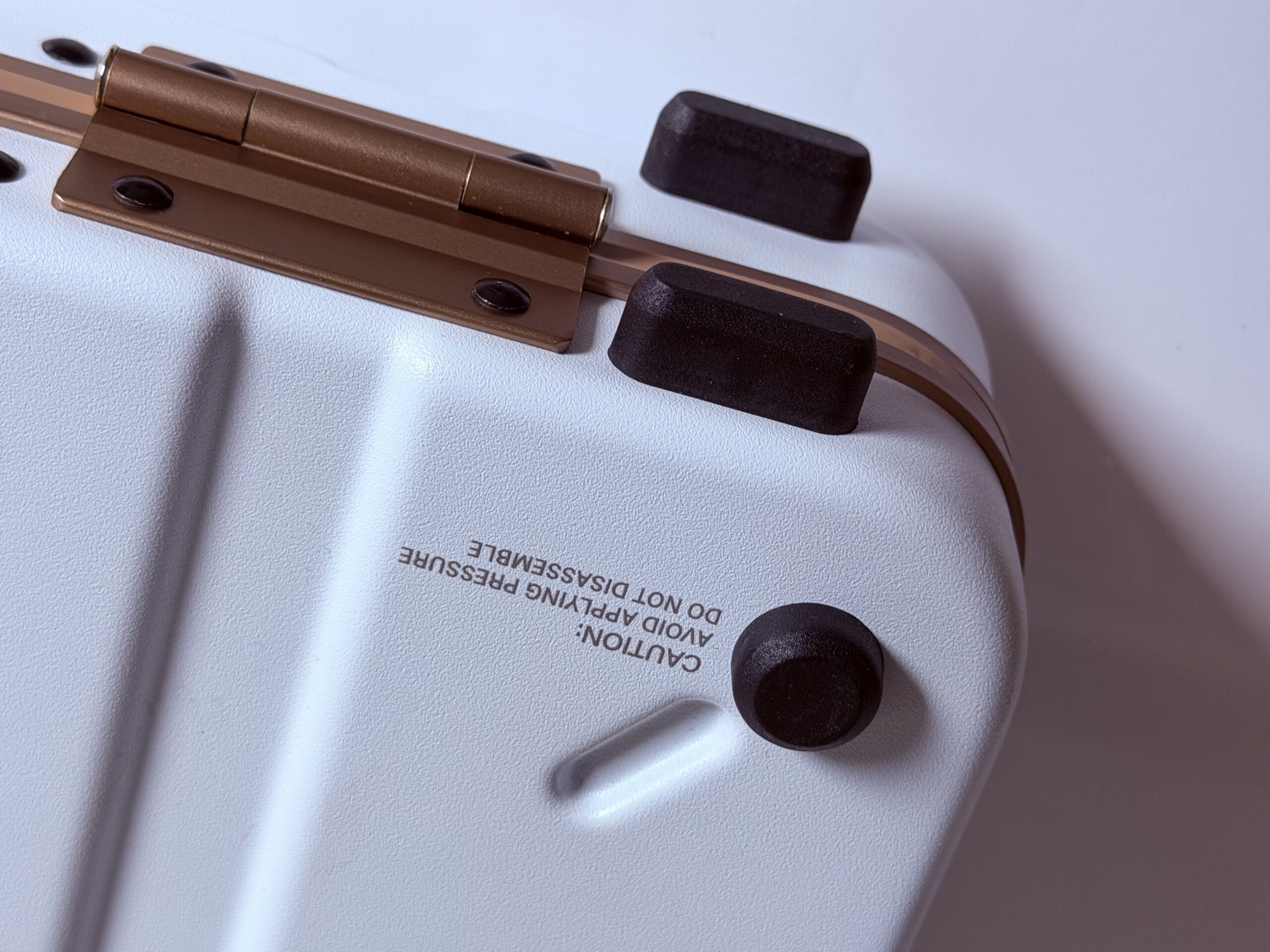
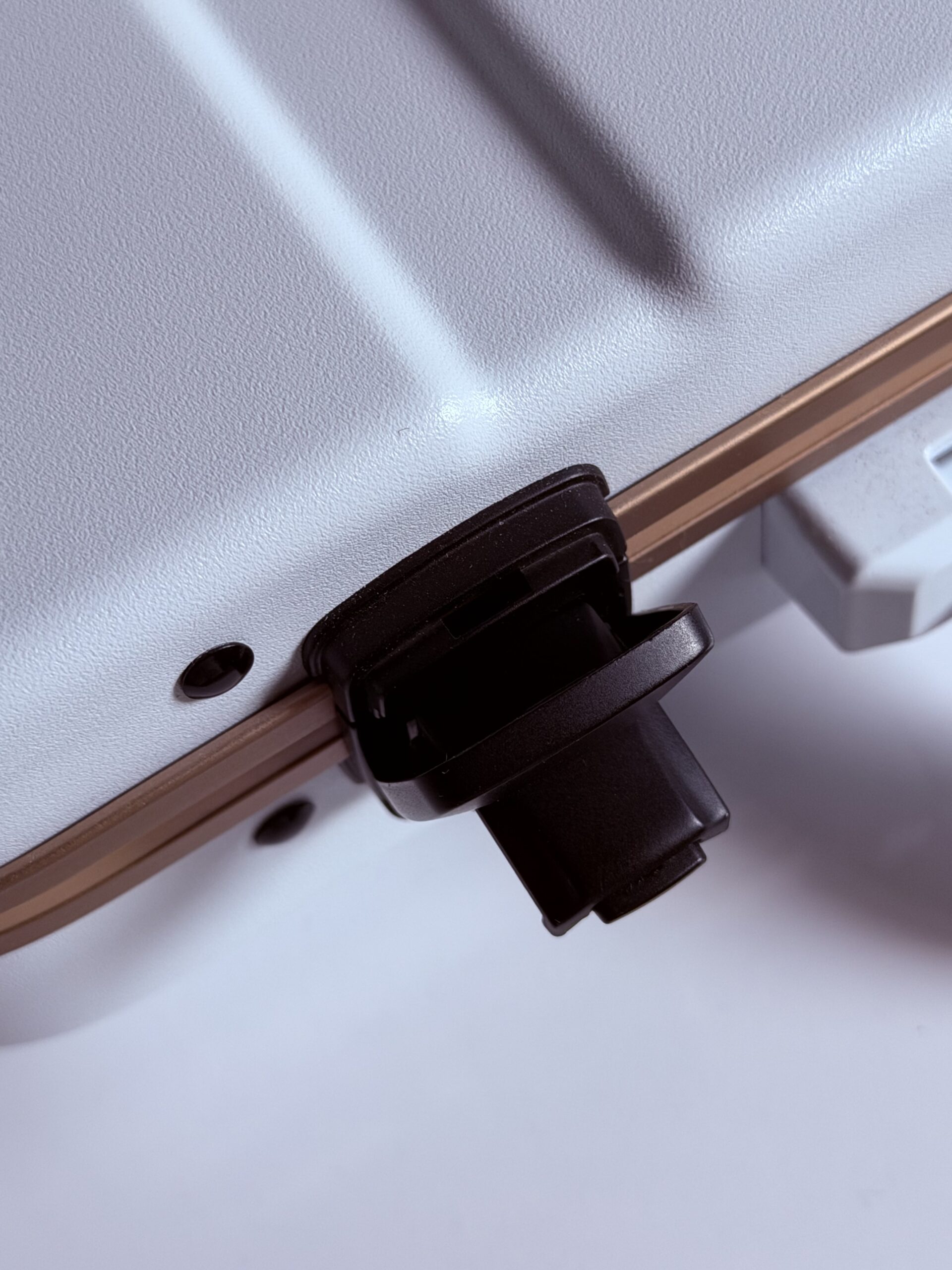
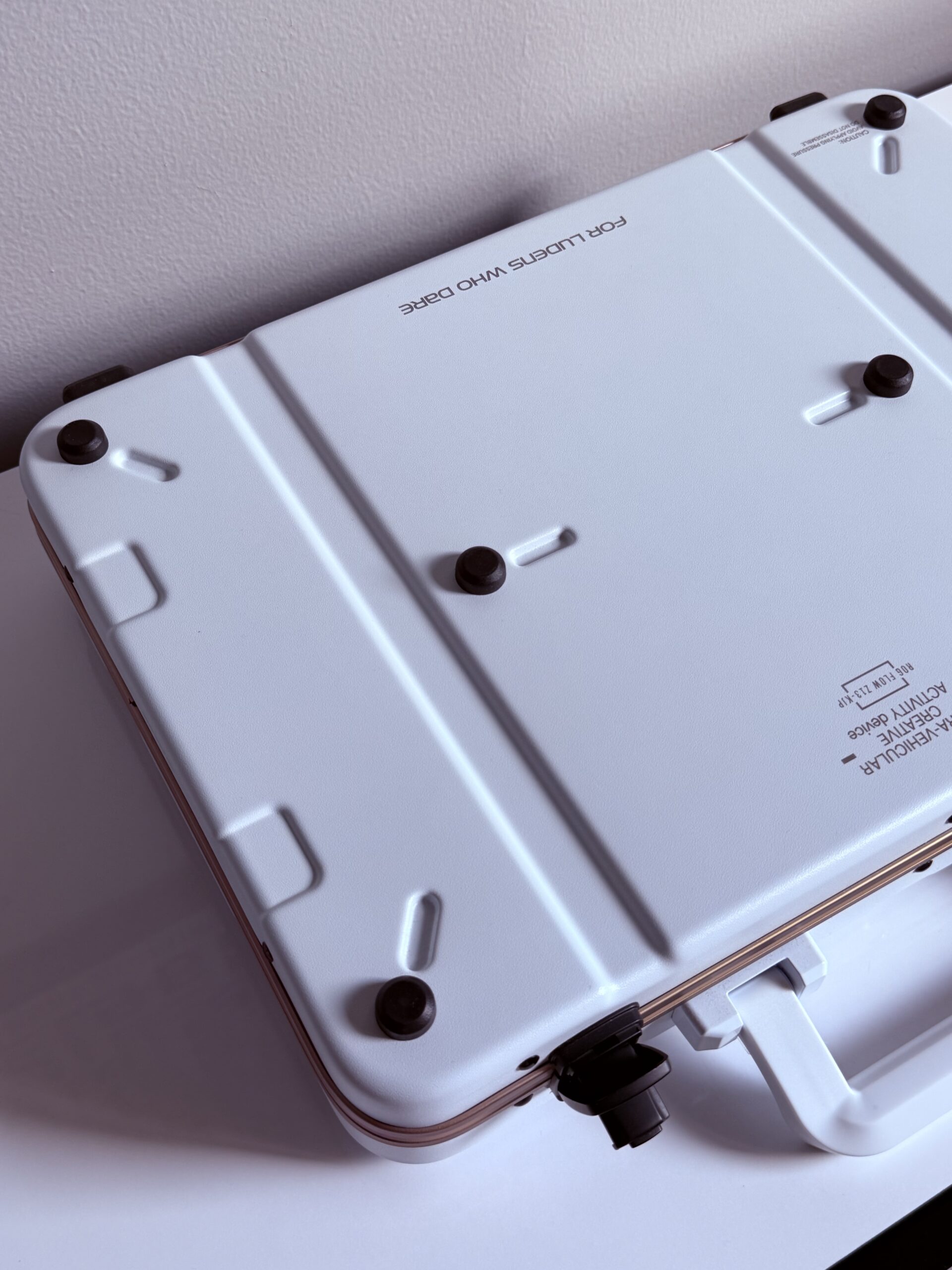
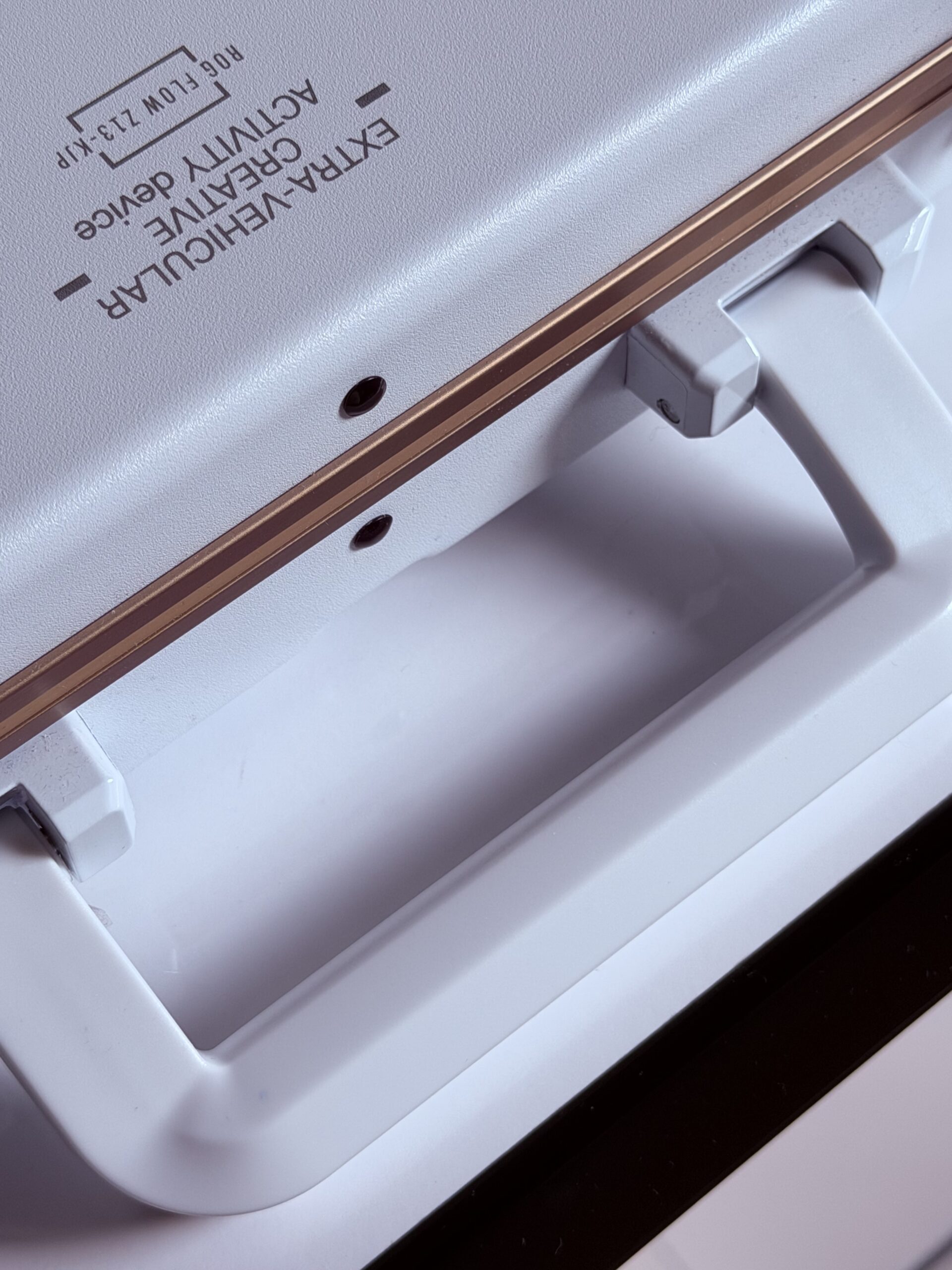
It’s a small detail compared with the Ryzen AI MAX+ 395 or that ridiculous 128GB of unified memory, but it’s exactly the sort of extra I want to see when buying a limited edition this expensive. If you’re going all-in on the Kojima treatment, you might as well commit to the bit.
AMD’s Ryzen AI MAX+ 395 is the real star
The Kojima treatment gets my attention, but the silicon is what makes the ROG Flow Z13-KJP genuinely interesting. At its heart sits AMD’s Ryzen AI MAX+ 395, paired with Radeon 8060S graphics and an AMD XDNA NPU rated at 50 TOPS. This is an unusually potent foundation for a machine that can still transform into a tablet, and it makes the Z13-KJP interesting even before we get into its collector appeal.
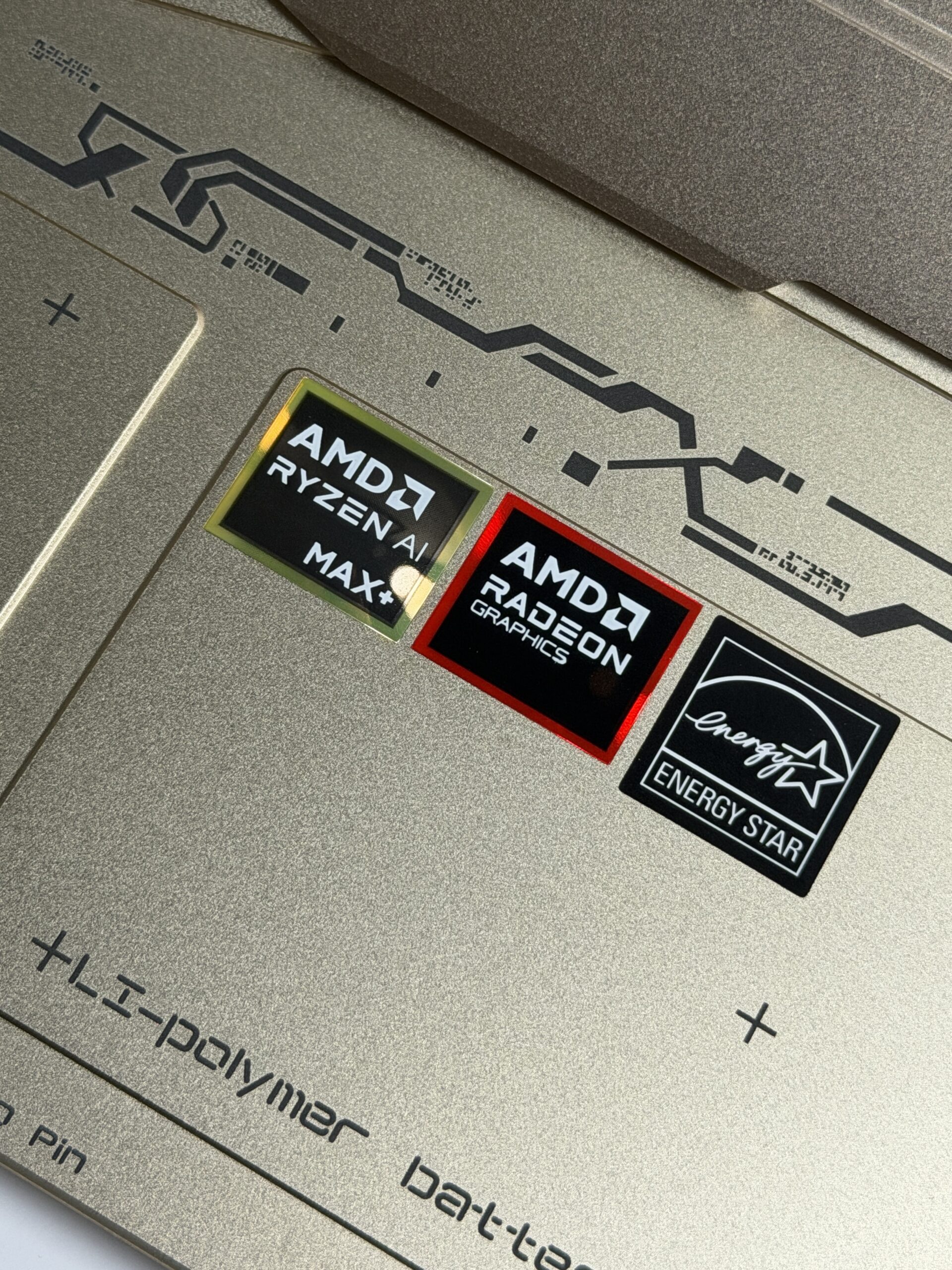
Then there is the memory. The Z13-KJP packs 128GB of unified memory in a quad-channel design. Read that sentence again while remembering that we’re discussing a compact 2-in-1 PC. There are workstation desktops sitting underneath desks right now feeling deeply inadequate. The unified approach also means the processor and graphics aren’t operating with the same rigid CPU-memory-versus-dedicated-VRAM division you get from a traditional gaming laptop built around a discrete GPU.
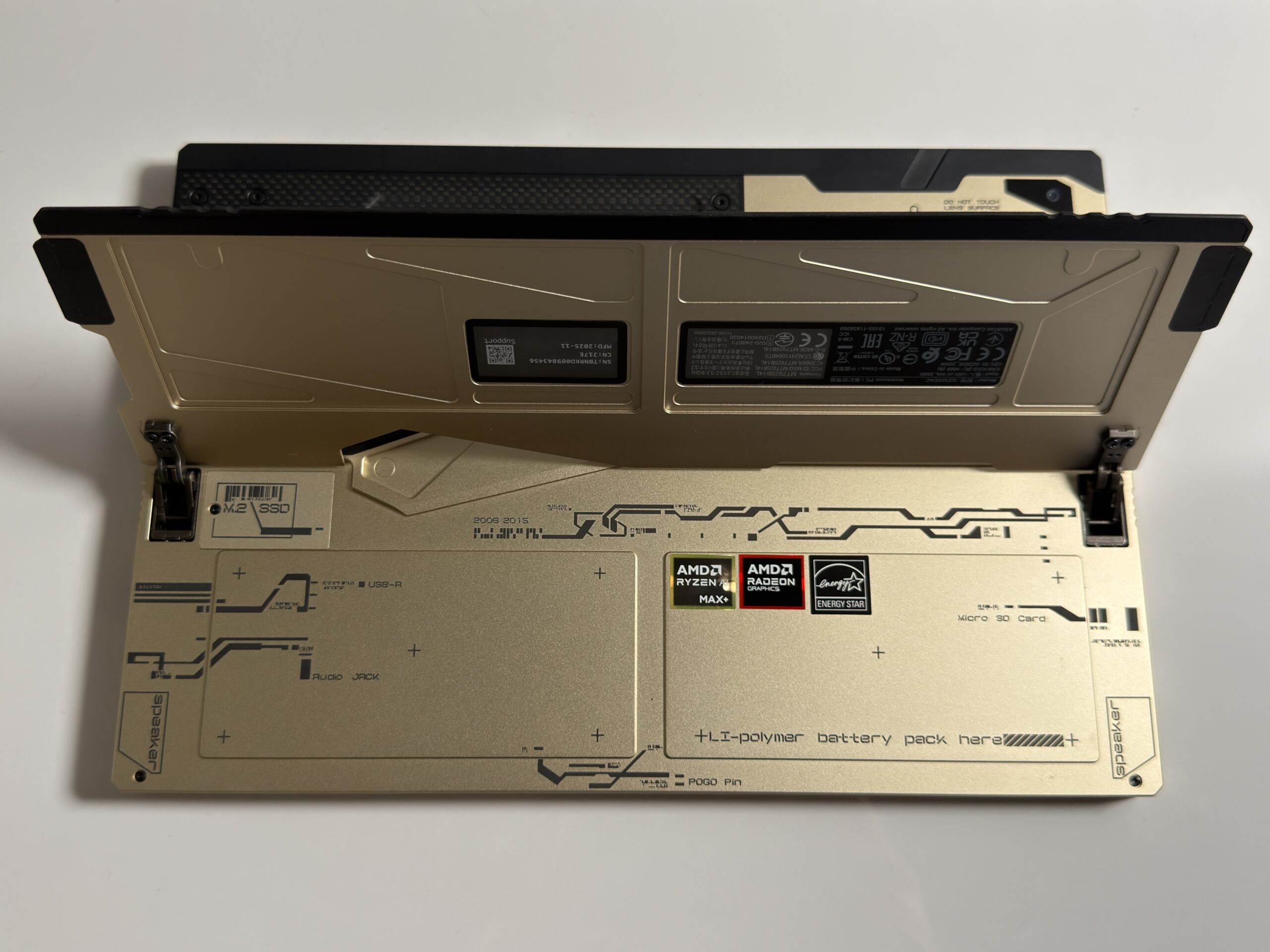
That’s where I think the Z13-KJP becomes fascinating beyond gaming. Huge memory capacity can be enormously useful for creators working with large projects, developers juggling demanding environments and enthusiasts experimenting with local AI workloads. A conventional gaming laptop with a discrete GPU may offer considerably stronger graphics performance depending on its configuration, but dedicated GPUs also come with fixed VRAM limits. Having 128GB of unified memory changes the conversation for workloads where memory capacity matters more than simply chasing the highest possible frame rate.
It also gives the KJP something many special editions lack: a technical reason to be interesting. Even if you removed every Kojima Productions reference from the chassis, I’d still look at a compact machine with a Ryzen AI MAX+ 395 and 128GB of unified memory and think, “Okay, that’s wonderfully ridiculous.” The collaboration simply makes the hardware look as unusual as its specification deserves.
Gaming without a conventional discrete GPU
The Radeon 8060S is where expectations need calibrating. This isn’t a conventional gaming laptop pairing a mobile processor with a separate GeForce or Radeon GPU and dedicated VRAM. Instead, AMD’s graphics hardware is part of the Ryzen AI MAX+ platform and taps into that enormous unified memory pool. That creates a very different kind of gaming machine.
I wouldn’t approach the Z13-KJP by sliding every graphical option to Ultra, enabling every ray-traced reflection known to humanity and demanding that the machine prove its honour. That’s not really the point. Technologies such as resolution upscaling become particularly useful in a device like this, allowing demanding games to balance image quality and performance more intelligently. The 180Hz display also gives competitive and lighter games plenty of refresh-rate headroom, while demanding AAA titles are where sensible settings become more important.
What appeals to me is the performance-to-form-factor equation rather than the pursuit of maximum GPU horsepower. Powerful gaming laptops are everywhere. A gaming PC that can shed its keyboard and become a tablet is considerably more unusual. The Flow Z13-KJP doesn’t need to replace a giant desktop-replacement notebook to make sense. It needs to deliver enough performance that carrying something this compact doesn’t feel like accepting an enormous compromise.
The display understands the mission
ASUS equips the Z13-KJP with a QHD display running at 180Hz, rated for 500 nits of brightness and 100% DCI-P3 colour coverage. That’s a strong combination because ASUS hasn’t simply chased resolution for the sake of making the specification sheet prettier. On a display this compact, QHD already gives you plenty of pixel density, while 180Hz is much more meaningful for gaming and general responsiveness.

The 100% DCI-P3 coverage also makes the display relevant beyond games. That’s useful when you’re dealing with creative applications, photography, video or anything else where broader colour reproduction matters. The 500-nit brightness figure is similarly respectable for a machine that’s likely to move between desks, couches, meetings and whatever futuristic command centre you’ve constructed around your Ludens figurines.
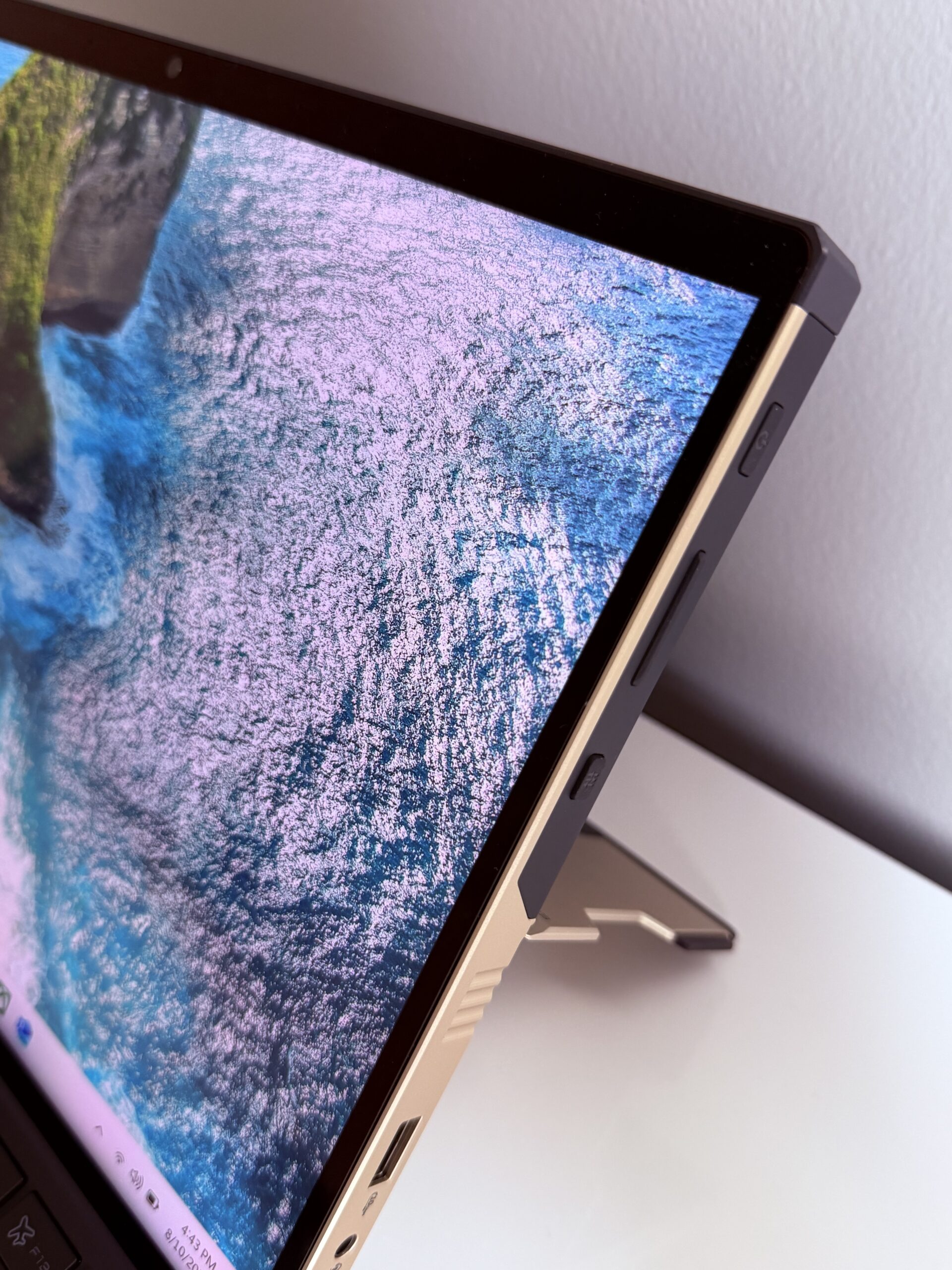
More importantly, the display specification matches the personality of the machine. Putting a basic 60Hz productivity panel on hardware this unusual would have been technological vandalism. A 180Hz QHD screen gives the Flow Z13-KJP the visual specification I’d expect from something positioning itself simultaneously as a gaming device, creator machine and enthusiast toy.
Cooling a tiny monster
Packing this much compute into a compact chassis creates an unavoidable thermodynamic boss fight. ASUS attacks it with a vapor chamber and liquid metal thermal interface material. That’s serious cooling hardware for a 2-in-1, but it’s also exactly what I’d expect when you’re putting a Ryzen AI MAX+ 395 into something that can be held like a tablet.
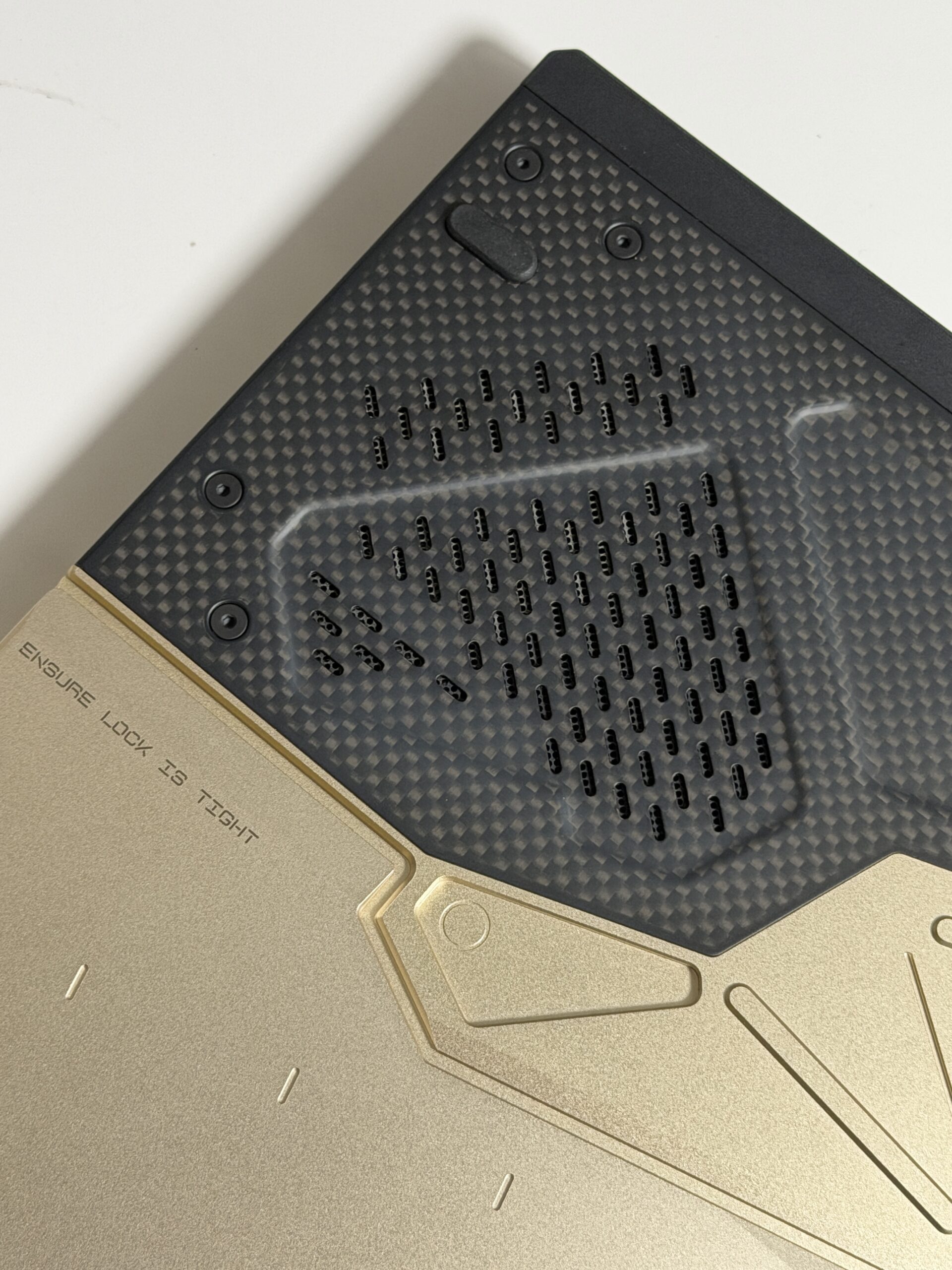
The architecture has one ergonomic advantage that I particularly like in principle: the primary heat-producing hardware sits behind the display instead of directly beneath your hands on a traditional keyboard deck. That doesn’t make heat magically disappear — physics remains stubbornly resistant to marketing — but it changes where that heat is concentrated when you’re using the machine with its keyboard attached.
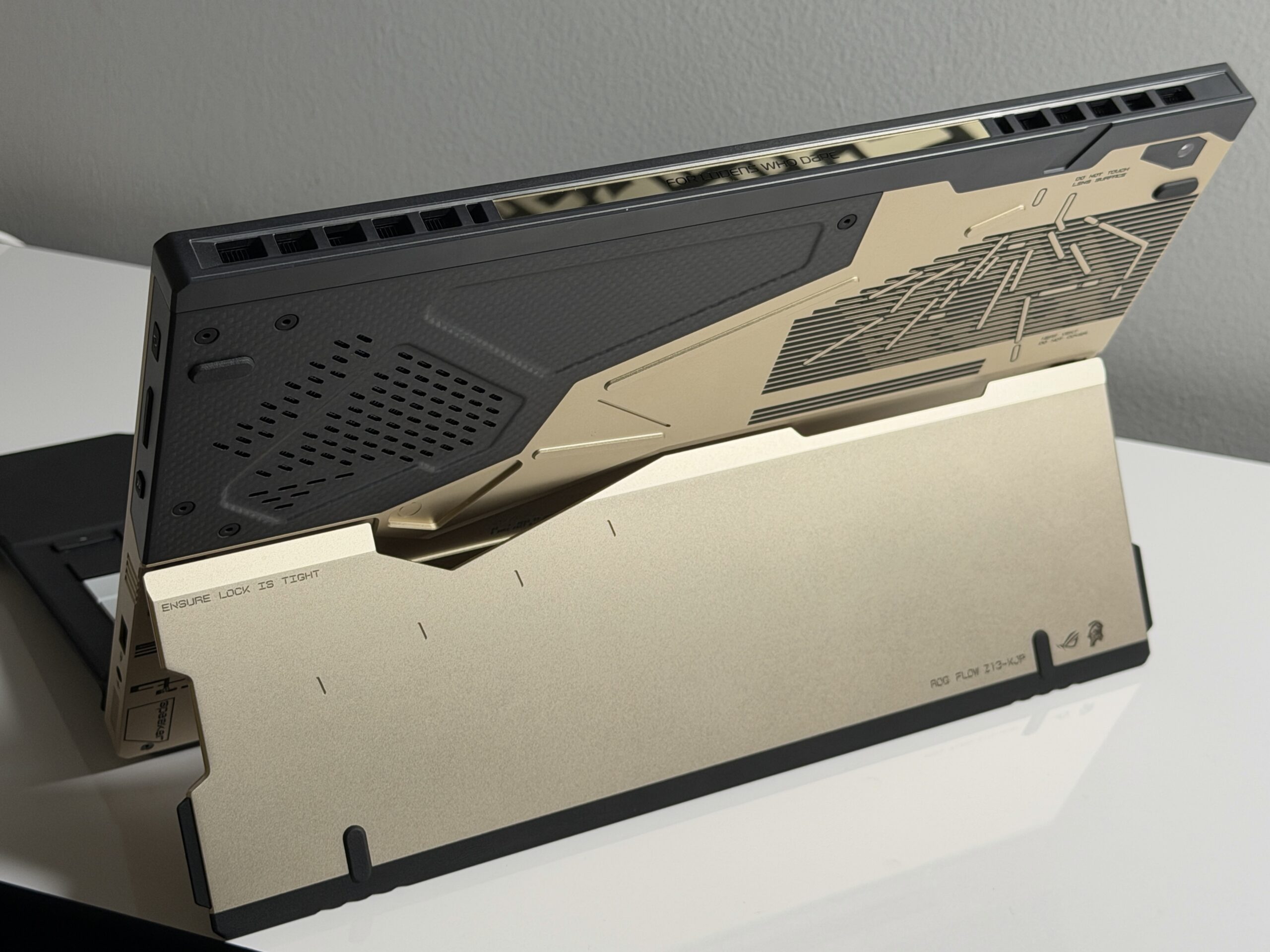
The kickstand design does create its own compromises. A detachable PC needs more desk depth than a conventional clamshell laptop, and I still prefer a traditional hinge when working in awkward spaces or balancing a machine on my lap. On a desk, however, the flexibility makes far more sense. The keyboard can get out of the way when you want to use a controller, and the screen becomes the actual computer rather than merely the lid attached to it.
Connectivity hasn’t been sacrificed at the altar of thinness
The Flow Z13 platform is refreshingly practical when it comes to connectivity. You’re looking at dual USB4 Type-C connectivity with DisplayPort and power-delivery support, USB 3.2 Gen 2 Type-A, a UHS-II microSD card reader and a 3.5mm audio connection, alongside HDMI 2.1 FRL support. Wireless connectivity includes Wi-Fi 7 and Bluetooth 5.4.
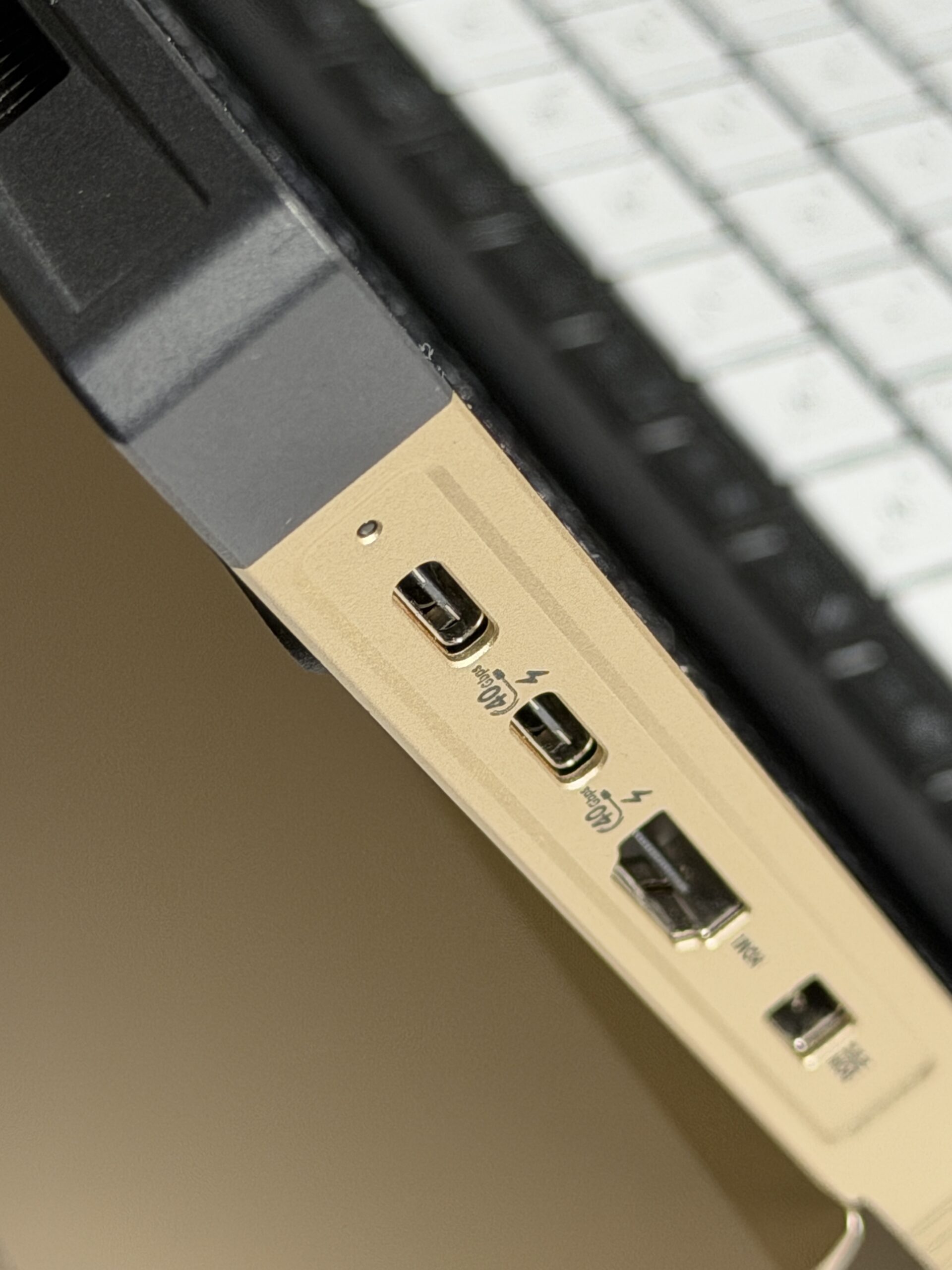
That’s the kind of selection I want on a machine aimed at enthusiasts and creators. USB4 matters because this is precisely the sort of PC I’m going to imagine connected to fast external storage, docks and additional displays. The microSD reader is useful for creators, while USB Type-A means a favourite mouse or peripheral doesn’t immediately require an adapter hanging from another adapter like some cursed technological Christmas ornament.
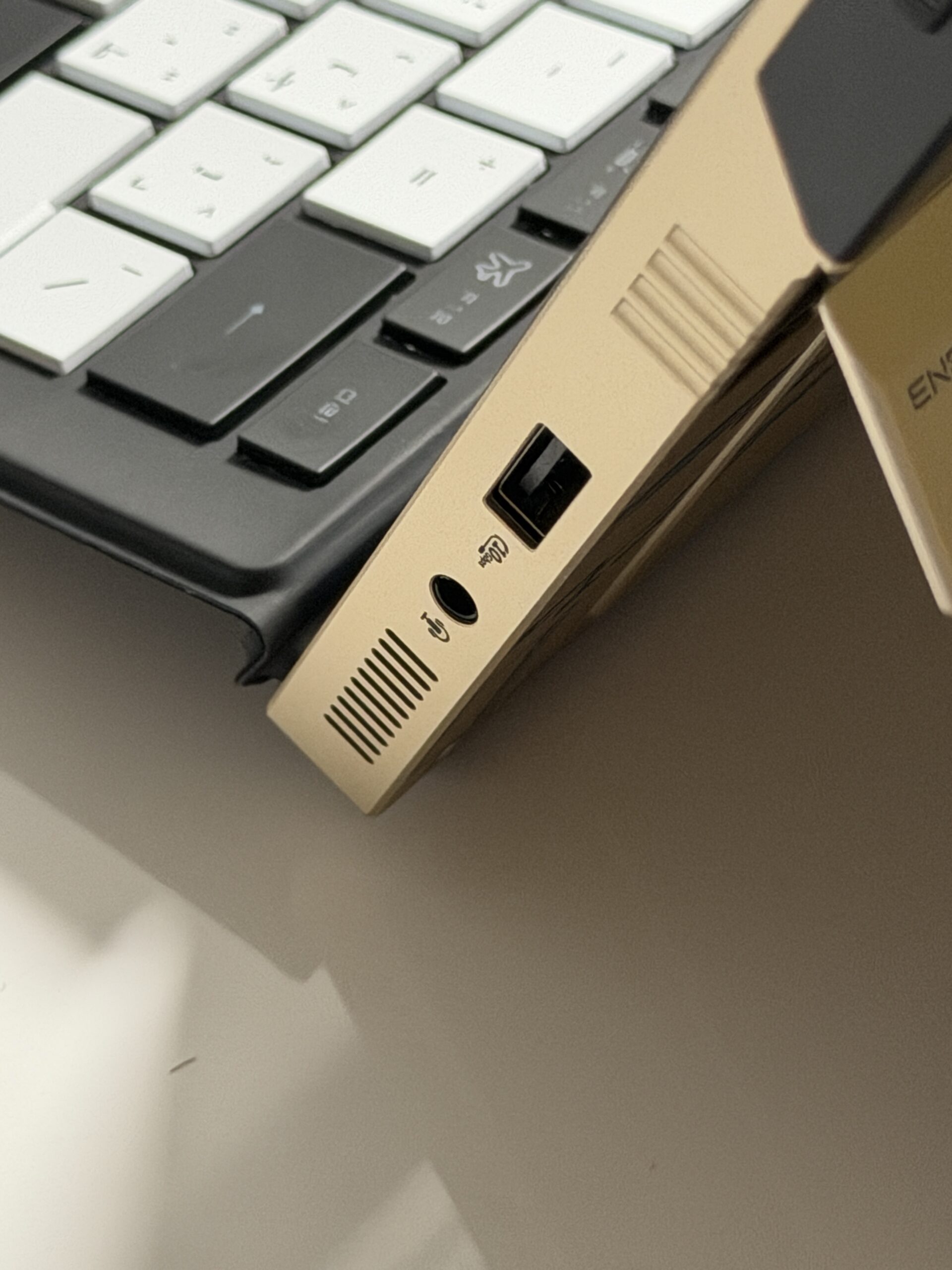
And yes, ports matter. A machine can have enough AI TOPS to negotiate peace between hostile robot civilizations, but if I need three dongles just to connect my everyday gear, I’m still going to complain.
Windows remains both the superpower and the awkward bit
The beauty of the Flow Z13 concept is that it runs full Windows 11. The problem with the Flow Z13 concept is also that it runs full Windows 11. You get actual PC applications, proper games, development environments, desktop browsers, professional creative software and decades of compatibility. But Windows doesn’t suddenly become the world’s most elegant tablet operating system simply because you’ve detached the keyboard.
That’s why I see tablet mode as an additional capability rather than the entire identity of the Z13-KJP. Watching media, browsing, drawing, using touch-friendly applications and gaming with a controller all make sense. Then you encounter a tiny legacy Windows interface element apparently designed for someone operating a precision mouse under laboratory conditions, and the illusion briefly falls apart.
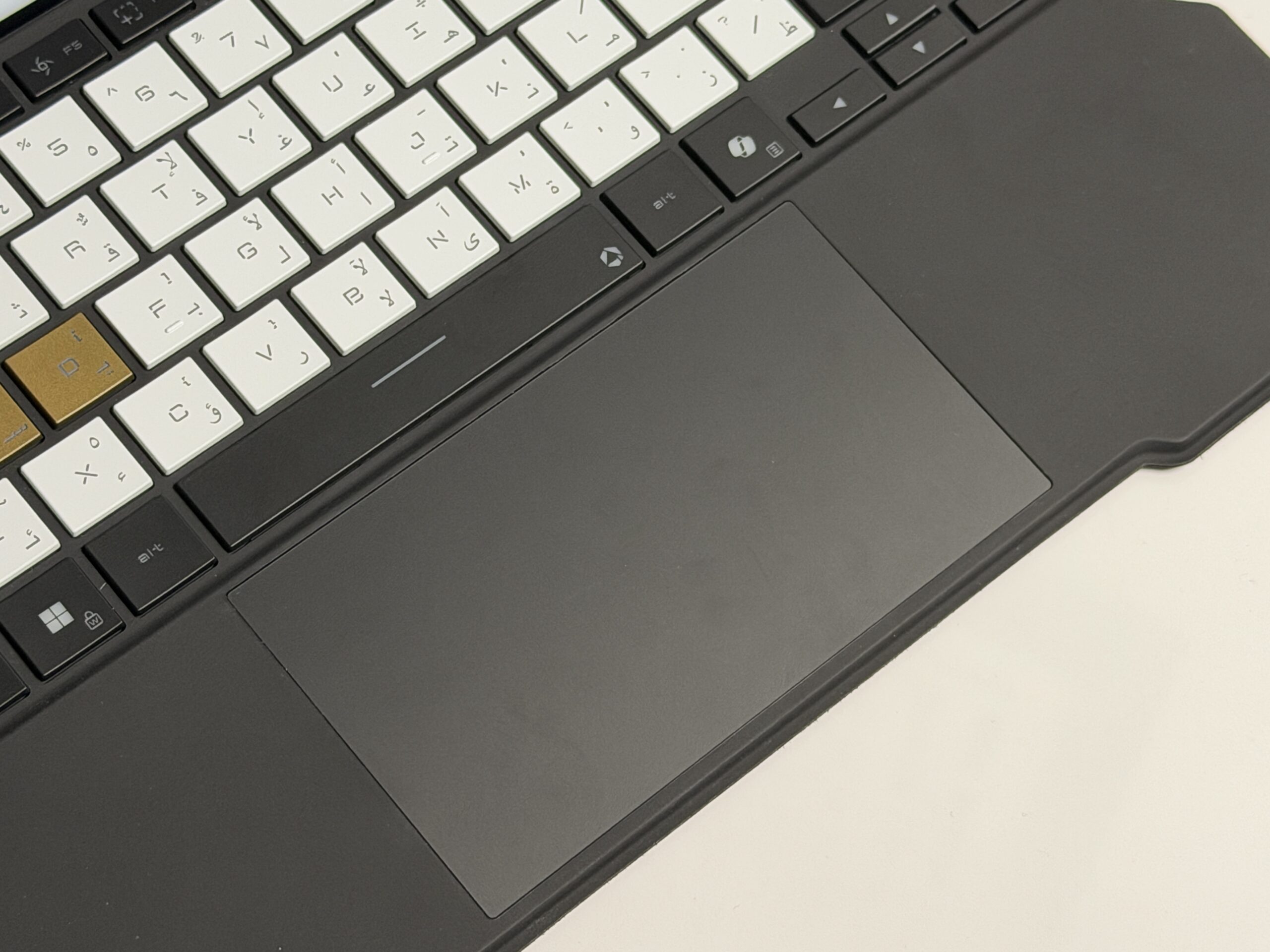
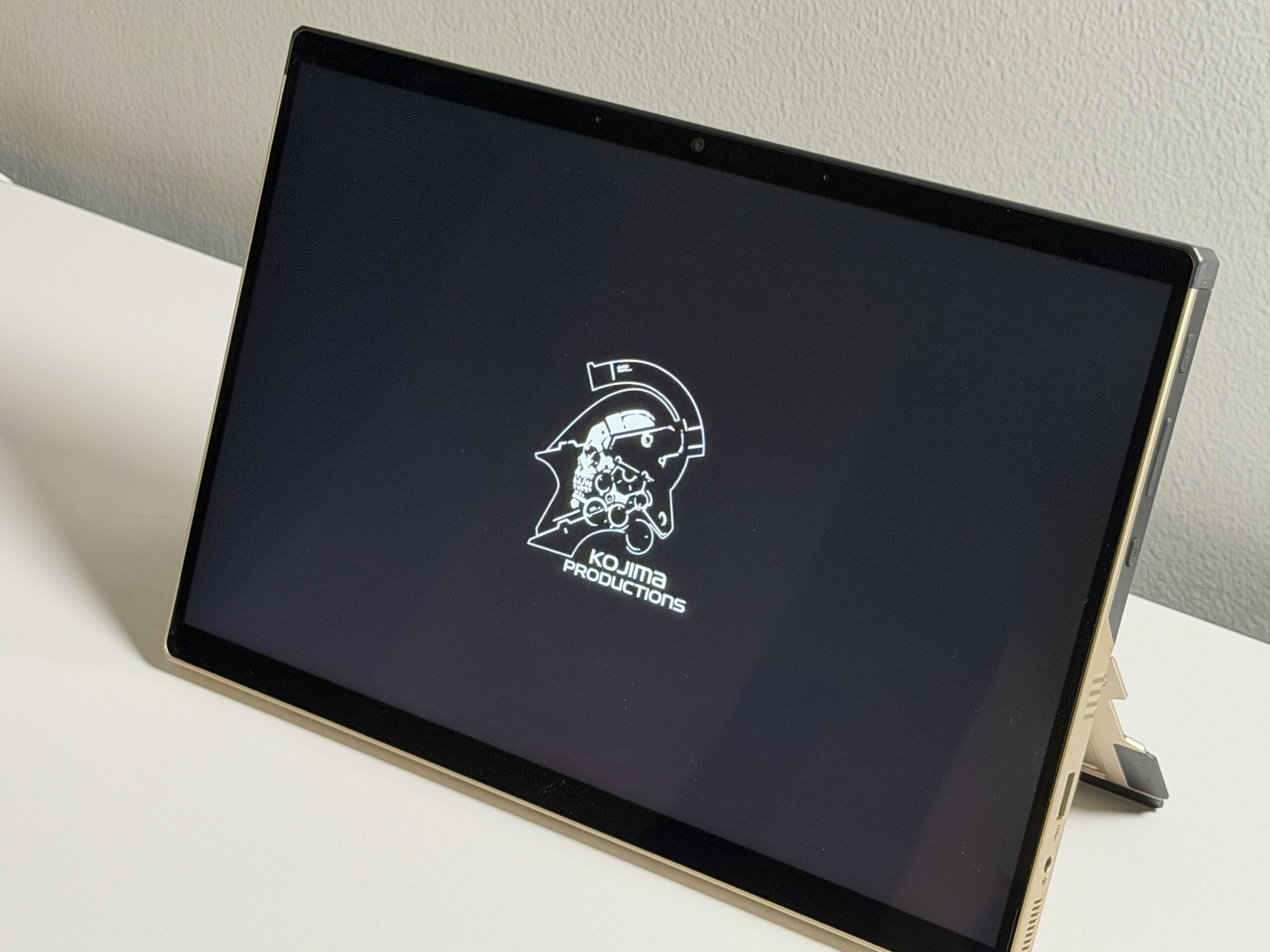
ASUS does at least embrace the theme properly on the software side. The Z13-KJP gets an exclusive Kojima Productions Armoury Crate theme with a custom interface, Ludens-inspired colour treatment and its own loading animation. Buyers also receive a PC game code for DEATH STRANDING 2: ON THE BEACH, redeemable through Armoury Crate. Normally branded software skins rank somewhere between “harmless” and “please stop,” but on a collector-oriented machine this elaborate, carrying the collaboration into the software experience feels appropriate.
128GB changes who this machine is for
The most interesting thing about the ROG Flow Z13-KJP isn’t actually Kojima Productions. It’s that outrageous memory configuration. Most gamers don’t need 128GB of memory. Most mainstream creators don’t need it either. If you’re buying this purely to play games, a large portion of that memory could spend its life sitting around like an army waiting for an invasion that never comes.
For the right enthusiast, however, it transforms what this machine represents. Local generative AI workloads can consume memory at a terrifying rate. Complex creative projects can do the same. Developers juggling virtual machines, development environments and enormous datasets understand exactly how quickly “surely this is enough RAM” becomes famous last words. Putting 128GB of unified memory beside this AMD platform inside such a compact device creates something that feels more like a tiny mobile workstation disguised as gaming merchandise.

That’s the geekiest part of this product, and I mean that as a compliment. Plenty of limited editions look unusual. Very few contain a hardware configuration unusual enough that I’d still want to talk about the computer even if somebody removed every collectible logo.
The price is from another dimension
Then we arrive at AED 14,999. At that level, conventional value calculations start smoking gently. You can buy extraordinarily capable gaming laptops for considerably less money. You can prioritise a powerful discrete GPU, choose a more conventional form factor and potentially still have money left for peripherals. If gaming performance per dirham is the only metric that matters to you, this is absolutely not the machine I’d recommend.
But comparing the Z13-KJP exclusively on frames-per-dirham misses its purpose. This is simultaneously a limited-edition design object, an unusually powerful Windows tablet, a 128GB mobile workstation and a gaming PC. Someone specifically attracted to that intersection isn’t necessarily comparing it with whichever conventional 16-inch gaming notebook offers the fastest GPU for the money.
That doesn’t suddenly make AED 14,999 cheap. It makes the target audience extremely narrow.
If you’re primarily interested in maximum gaming performance, I’d buy a conventional gaming laptop with a powerful discrete GPU. If your work can genuinely exploit enormous unified memory, however, and you value this unusual form factor, the calculation becomes much more interesting. And if you’re already the sort of Kojima Productions fan who knows exactly what Ludens is without opening another browser tab, ASUS has probably identified your financial weak point with alarming precision.
What makes the ROG Flow Z13-KJP special
I like products that are allowed to be weird. Consumer technology has become exceptionally competent but increasingly homogeneous: aluminium rectangles, black rectangles, glass rectangles and occasionally a black rectangle made from aluminium. The Flow Z13-KJP rejects that restraint spectacularly.
More importantly, its weirdness isn’t entirely cosmetic. The form factor is weird. The processor architecture is unusual. A gaming tablet with 128GB of unified memory is gloriously excessive. A detachable Windows machine using vapor-chamber cooling and liquid metal while driving a 180Hz QHD display sounds like something invented during an enthusiast forum argument at three in the morning.
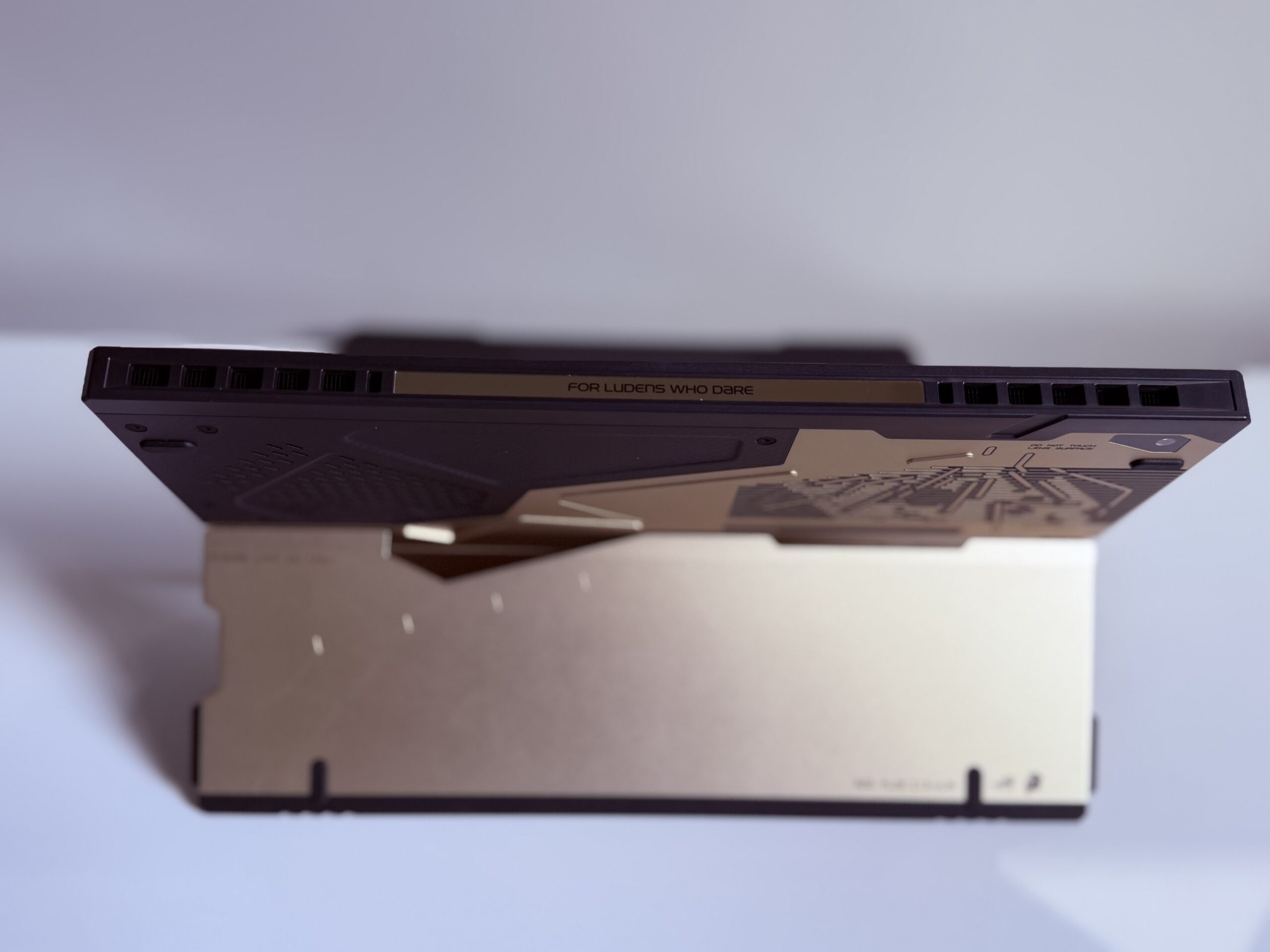
That’s why this collaboration works for me. Kojima Productions didn’t take an ordinary-looking computer and slap some branding on it. The Flow Z13 was already an unconventional idea, and the KJP treatment simply pushes that philosophy much further. Yoji Shinkawa’s Ludens-inspired design language feels entirely at home on hardware that’s already determined to ignore the usual definition of a gaming laptop.
There are obvious compromises. A conventional laptop is easier to use on your lap. A powerful discrete GPU is a better route if maximum gaming performance is your priority. The enormous memory pool is overkill for most buyers. The detachable design won’t suit everyone. And the price could cause your credit card to initiate an emergency meeting.
Yet none of those things erase what makes the machine compelling. The Z13-KJP isn’t trying to win the mainstream gaming laptop championship. It has wandered off, established its own category and planted a Kojima Productions flag there.
Final Verdict
The ASUS ROG Flow Z13-KJP is wonderfully excessive, combining a gaming tablet, portable workstation, local-AI machine and Kojima Productions collectible into one gloriously nerdy package. Ryzen AI MAX+ 395 power, Radeon 8060S graphics, 128GB of unified memory and a 180Hz QHD display make it far more than an expensive reskin.
Most gamers will get better value and fewer compromises from a conventional gaming laptop. But for creators, developers, AI enthusiasts and hardcore Kojima fans who want serious hardware in an unusually portable form, there’s very little else like it.
It’s expensive, impractical and technically fascinating — exactly the kind of weird PC I love.