

Nearly five decades after Garfield first appeared in newspapers, creator Jim Davis still has a soft spot for the comic strip that started everything. Despite producing thousands of Garfield installments since 1978, Davis has repeatedly identified the character’s debut strip from June 19, 1978 as his personal favorite.
It is an interesting choice, particularly because the first Garfield comic is far removed from some of the elaborate jokes and familiar running themes that later defined the franchise. There is no Odie, no hatred of Mondays and no extended argument about lasagna. Instead, the strip introduces Jon Arbuckle, establishes Garfield as the cat supposedly sharing his world, and immediately undermines the idea that Jon is really in charge.
That basic relationship would become one of Garfield’s most durable ideas. Jon may technically own the cat, but Garfield behaves as though the entire household — and eventually the comic itself — exists for his convenience. Even in the debut, his confidence, appetite and willingness to dismiss Jon are already in place.
The strip originally appeared in just 41 newspapers, a modest beginning for a character that would eventually expand well beyond the comics page into television, films, games and merchandise. Davis had previously worked on another strip, Gnorm Gnat, before developing Garfield, making the 1978 launch the point where his approach finally found a much larger audience.
Davis has returned to the debut when discussing his favorite Garfield comics over the years. The June 19 strip was included among his personal selections in the 2008 anniversary collection 30 Years of Laughs & Lasagna: The Life & Times of a Fat, Furry Legend!, which gathered more than 400 comics and highlighted 30 Davis favorites. It later appeared again among his choices in Age Happens: Garfield Hits the Big 4-0, released around the character’s 40th anniversary.
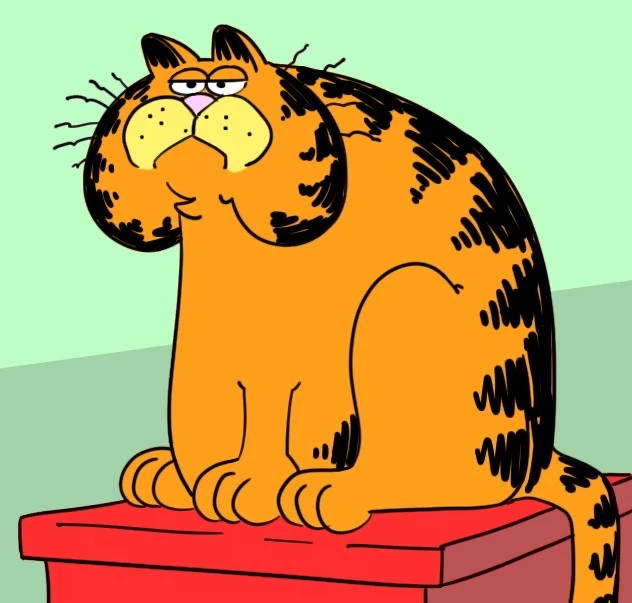
The consistency makes the selection more revealing than a simple bit of creator nostalgia. Garfield’s visual appearance changed considerably after 1978, with Davis gradually giving the character larger facial features and a body better suited to physical comedy. The early Garfield looks noticeably different from the version familiar from later animated series and movies.
His personality, however, required far less revision. The first strip already presents the essential Garfield dynamic: Jon believes he is introducing his comic, while Garfield behaves like the real attraction. That tension became flexible enough to support decades of jokes without requiring complicated storytelling.
For a comic character that has survived several generations of readers and multiple shifts in entertainment media, that simplicity may be the debut’s most impressive achievement. Garfield would become more expressive, more visually recognizable and surrounded by a much larger cast, but Davis appears to have understood the character’s central joke before the rest of the franchise even existed.