
TL;DR: No More Room in Hell 2 turns co-op zombie shooting into tense survival through permadeath, resource pressure and meaningful extraction. Some menu jank and unremarkable visuals hold it back, but players craving consequences with their zombie slaughter should absolutely investigate.
Zombie games have spent decades teaching us some terrible survival habits. Ammo counters hover conveniently on-screen, weapon attachments magically snap into place, death is often little more than a loading screen, and there is usually enough firepower lying around to make an apocalypse look suspiciously well-funded. No More Room in Hell 2 has very little interest in making me feel that comfortable.
Developed by Torn Banner Studios alongside original mod creators Lever Games, this sequel to the 2011 Source mod is an eight-player co-op PvE zombie shooter built around survival, extraction and permadeath. With the 1.0 release bringing the game to consoles alongside full cross-play, its identity is finally clear: this isn’t really about slaughtering thousands of zombies for the scoreboard. It is about getting in, managing increasingly bad circumstances and somehow getting your Responder back out alive.
And when all those systems click together, No More Room in Hell 2 understands something important about zombie games: surviving is far more exciting when dying actually matters.
Survival starts with inconvenient little details
What immediately separates No More Room in Hell 2 from more arcade-driven zombie shooters is its deliberate resistance to convenience. Information and equipment management require attention instead of being reduced to passive HUD elements, and that seemingly small distinction changes how I approached practically every encounter.
Checking ammunition, for example, requires deliberately inspecting what I have rather than glancing at a permanently displayed counter. Attachments aren’t simply absorbed into a weapon because I walked over them either; compatible equipment has to be manually fitted. The interface involved can feel fiddly, but the underlying philosophy works because inventory management is happening in a world that refuses to politely wait.
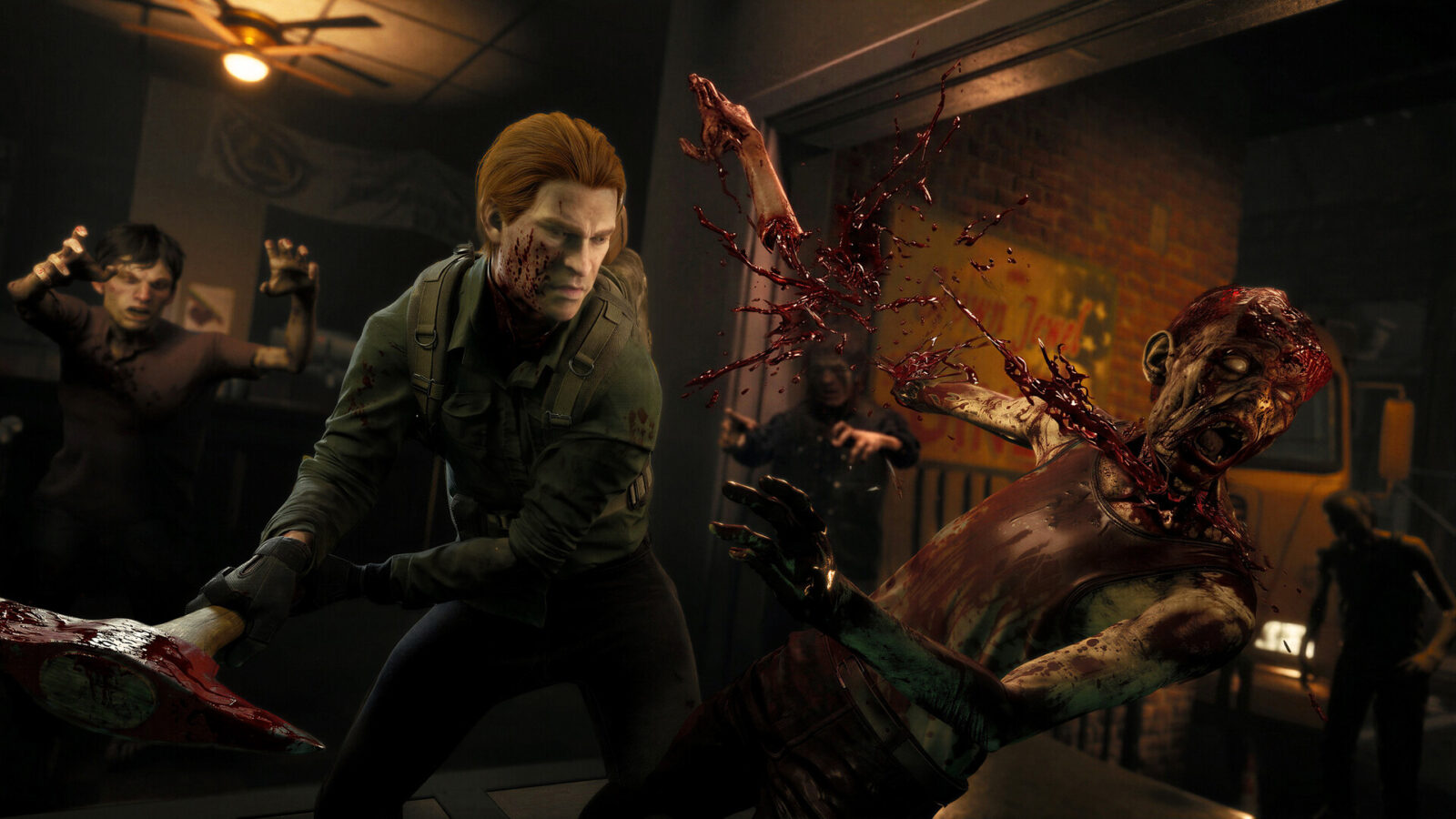
That creates tension in places where other shooters create downtime. Sorting equipment when you’re safe is mundane. Trying to deal with it when the undead are closing in suddenly makes every extra second feel expensive.
There are some wonderfully grounded touches too. Equip a torch before preparing a throwable and the character can hold the torch in their mouth while handling the explosive. It doesn’t revolutionise the genre, obviously, but details like this reinforce the physicality Torn Banner and Lever Games are chasing. Equipment feels like stuff you’re carrying and manipulating rather than icons living inside an invisible backpack.
The result is a game where friction frequently becomes part of the horror.
Permadeath gives every bad decision teeth
The defining system is permadeath, and it’s responsible for much of No More Room in Hell 2’s personality. Losing a developed Responder means genuinely losing them, which immediately changes the value of every bullet, detour and questionable decision.
That threat made me far less inclined to treat missions like disposable shooting galleries. Charging into an unknown space can potentially cost more than a quick restart, so stealth, positioning and resource management become meaningful considerations. Even relatively ordinary encounters gain tension because you’re constantly measuring potential reward against what you stand to lose.
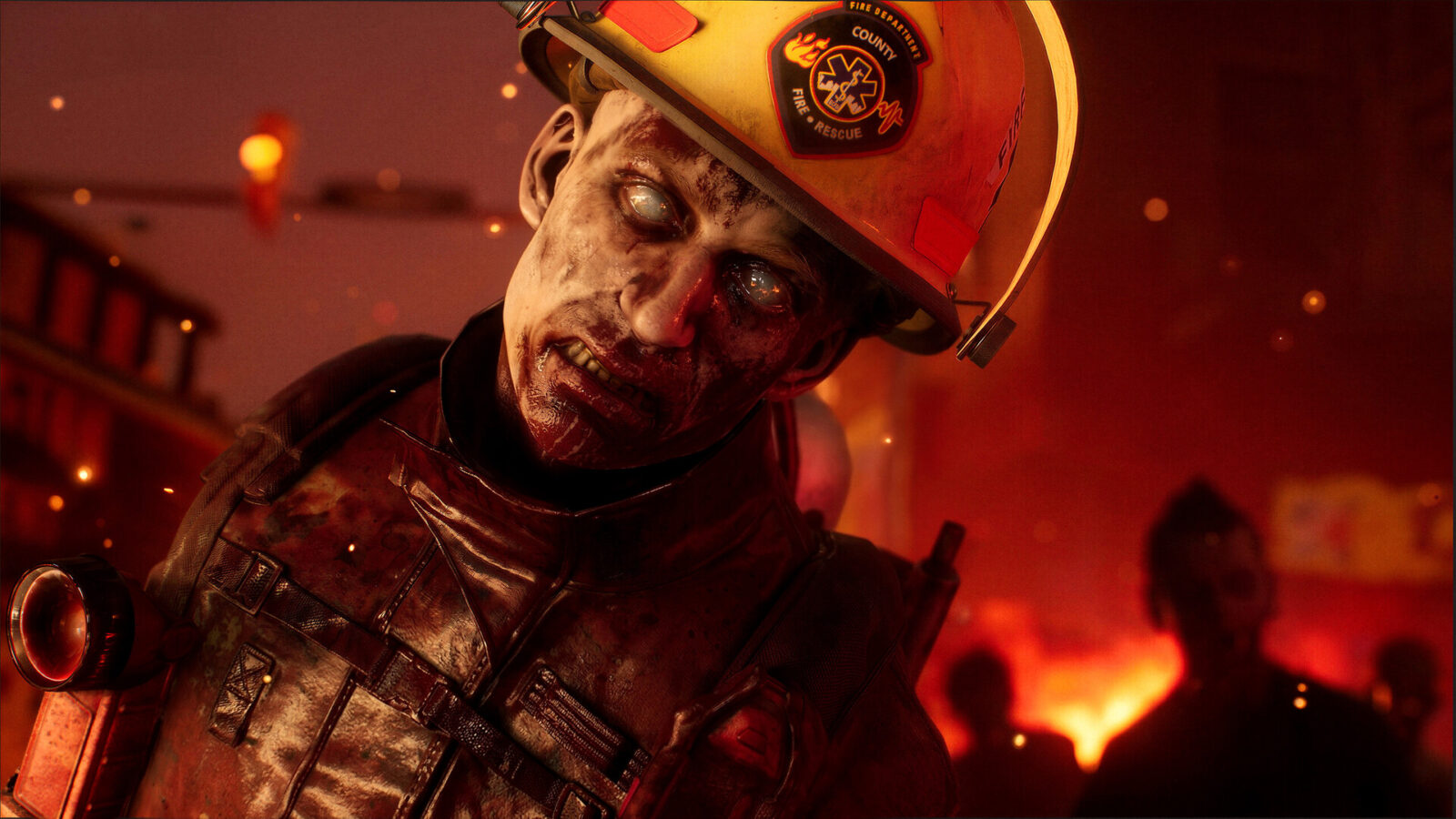
This is where the extraction structure makes sense. I’m not particularly interested in extraction mechanics simply because a game lets me haul possessions back to a menu. Here, extraction works because it completes the survival fantasy. You’re not gathering random junk to feed an economy for its own sake; you’re attempting to preserve a character whose continued existence gives the mission stakes.
The extraction itself can become wonderfully stressful. Supplies diminish, ammunition disappears and eventually firearms may have to give way to melee. At that point, trying to carve through a horde alone is a fantastic method of turning a promising run into an obituary. Reaching extraction doesn’t immediately erase the danger either, with players leaving via the rope one at a time. Suddenly cooperation stops being an optional bit of multiplayer etiquette.
Rescue Beacons soften the punishment without removing it
Permanent character loss isn’t going to appeal to everyone, and No More Room in Hell 2 does provide an escape hatch. Rescue Beacons can preserve a Responder after death, although using one occupies a loadout slot and doesn’t save the equipment that character was carrying.
More importantly, Beacons are expensive and single-use. That prevents them from becoming an unlimited supply of extra lives. You still need successful missions and sufficient supplies to afford that insurance, so reckless play remains costly.
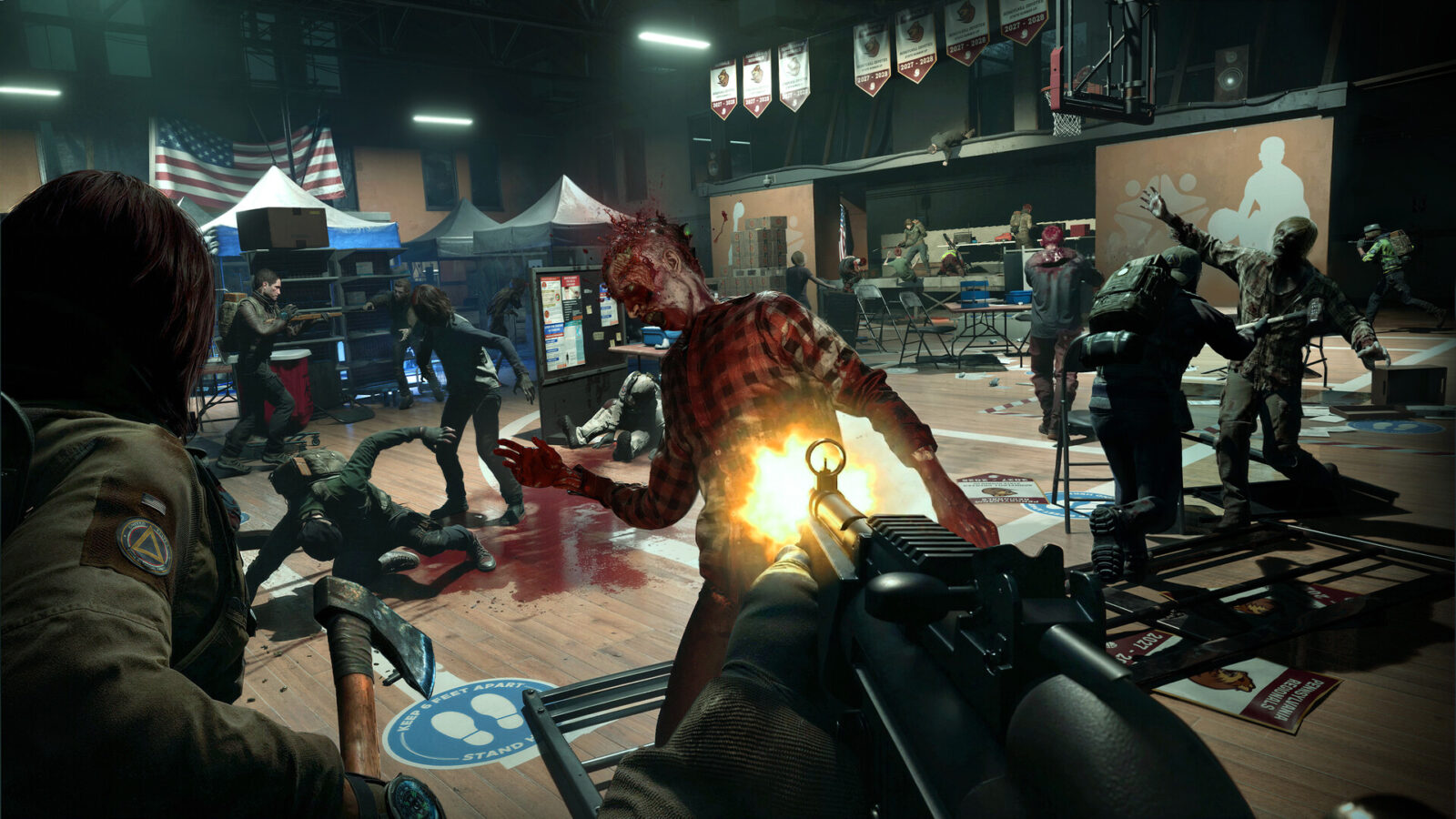
I like that compromise. Permadeath only creates meaningful tension if the game is willing to enforce consequences, but giving players a limited method of protecting an important character makes the system less brutally binary.
The 1.0 release also includes a Solo Mode where maps can be learned without permadeath. That is a sensible addition because map knowledge matters enormously in a game built around risk. Learning the basics without sacrificing characters gives newcomers room to understand how everything fits together before entering the proper meat grinder.
Weapons are choices, not just damage numbers
There is a healthy selection of firearms spanning pistols, rifles and shotguns using different ammunition types, but the weapon system becomes more interesting once resources start disappearing. No More Room in Hell 2 isn’t interested in letting the trigger solve every problem indefinitely.
Melee weapons introduce their own compromises. Larger options can consume more stamina and inventory space in exchange for greater damage, while blunt and bladed weapons and different effective ranges create further choices. Inventory capacity therefore becomes part of combat planning rather than merely storage administration.
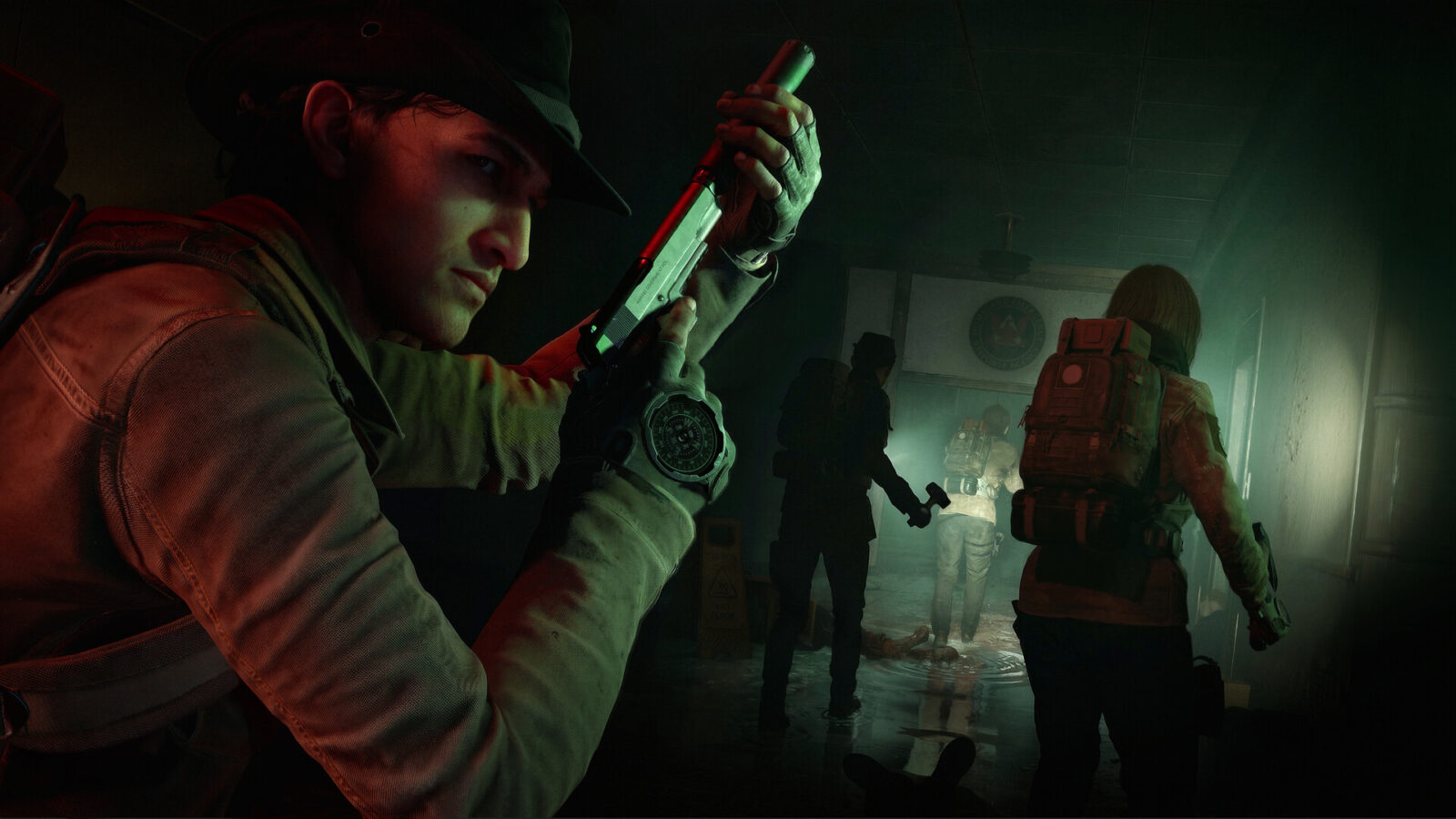
That relationship between weapons, stamina, ammunition and carrying capacity is important. A powerful tool isn’t automatically the correct tool if accommodating it creates problems elsewhere. Likewise, conserving ammunition isn’t simply something I did because bullets were scarce; it affected how close I was willing to let enemies get and how much physical risk I accepted to preserve resources.
When a mission deteriorates, those earlier decisions come back looking for payment.
Eight survivors don’t automatically make a team
The eight-player structure creates an interesting cooperative dynamic because survival becomes increasingly dependent on people behaving like an actual group. Early confidence can disappear remarkably quickly once ammunition runs low and the situation becomes crowded.
That’s when teammates matter most. Someone covering an escape or helping control a horde isn’t simply increasing the team’s damage output; they may be protecting hours of progression attached to somebody else’s Responder. Permadeath therefore adds social weight to cooperation.
It also makes chaotic teammates considerably scarier.
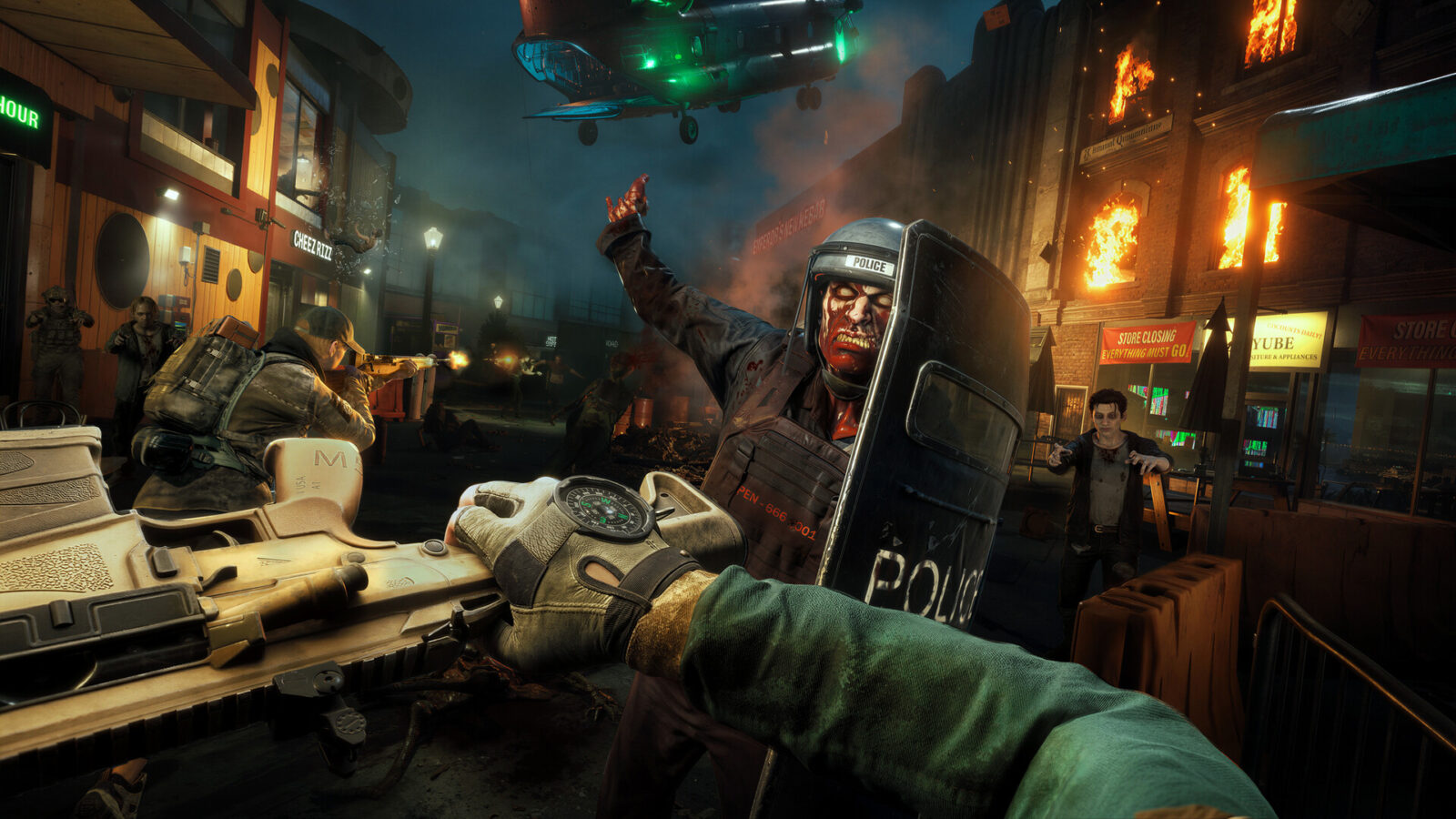
The strongest moments come when survival systems, resource pressure and co-op dependency collide. No More Room in Hell 2 doesn’t need to manufacture tension exclusively through huge scripted spectacles because its mechanics can generate it naturally. A bad resource situation followed by an ugly encounter is enough.
Elias Toufexis also provides a familiar presence as Sam Foster, the voice communicating with players during missions. His naturally gravelled delivery fits comfortably into a bleak zombie outbreak without turning the proceedings into melodrama.
The rough edges are harder to ignore outside missions
The 1.0 experience isn’t equally polished everywhere. On Xbox Series X, menu interactions can feel janky, with reported issues around customisations applying and loadouts equipping correctly. None of that fundamentally undermines the core survival experience, but friction designed to create tension inside a mission is very different from friction caused by a menu refusing to cooperate.
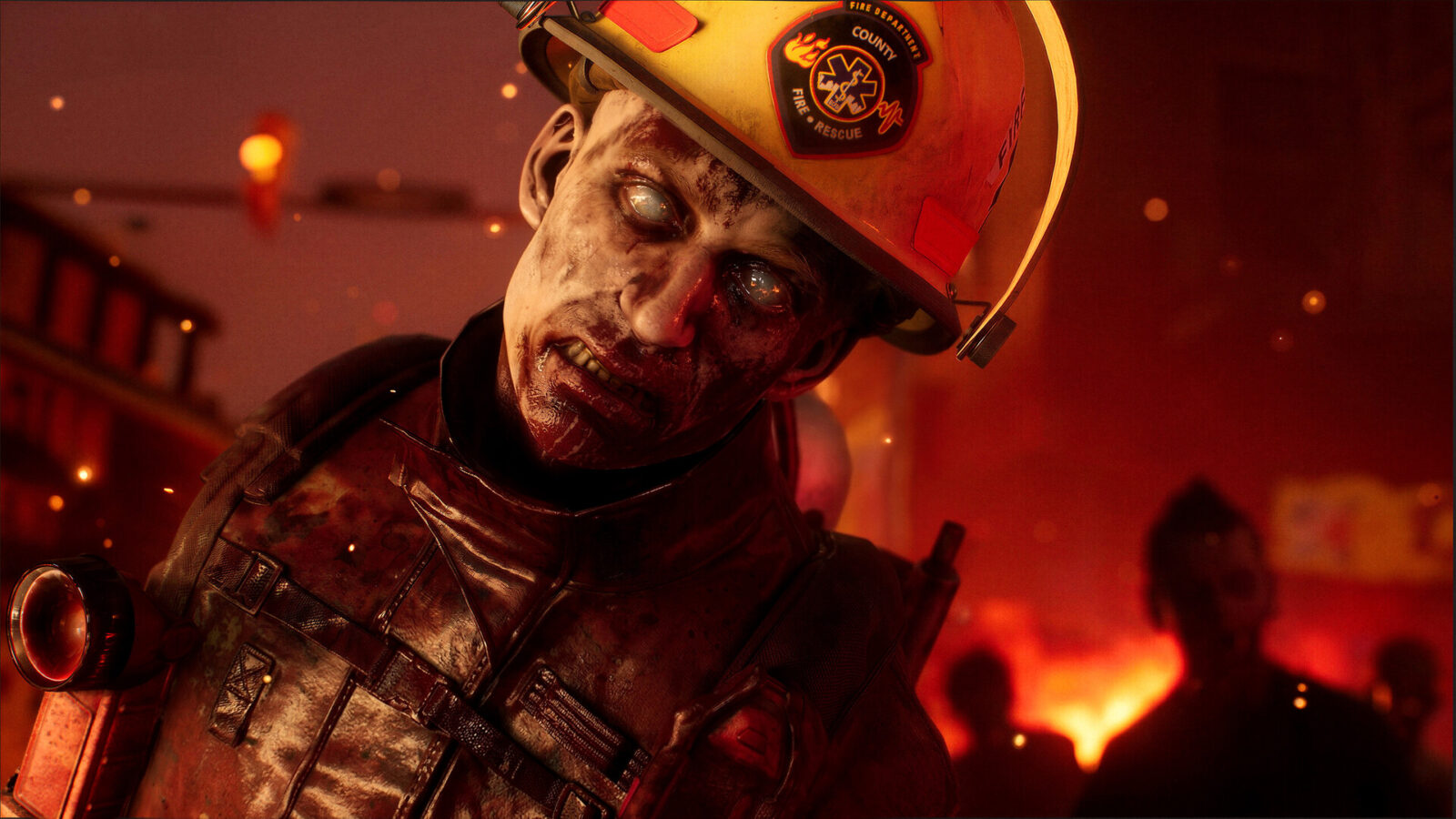
Visually, No More Room in Hell 2 is similarly functional rather than extraordinary. It does what the game needs, communicating environments, enemies and the grim atmosphere effectively, but this isn’t the kind of technical showcase that will have me wandering into walls because I was busy admiring the scenery.
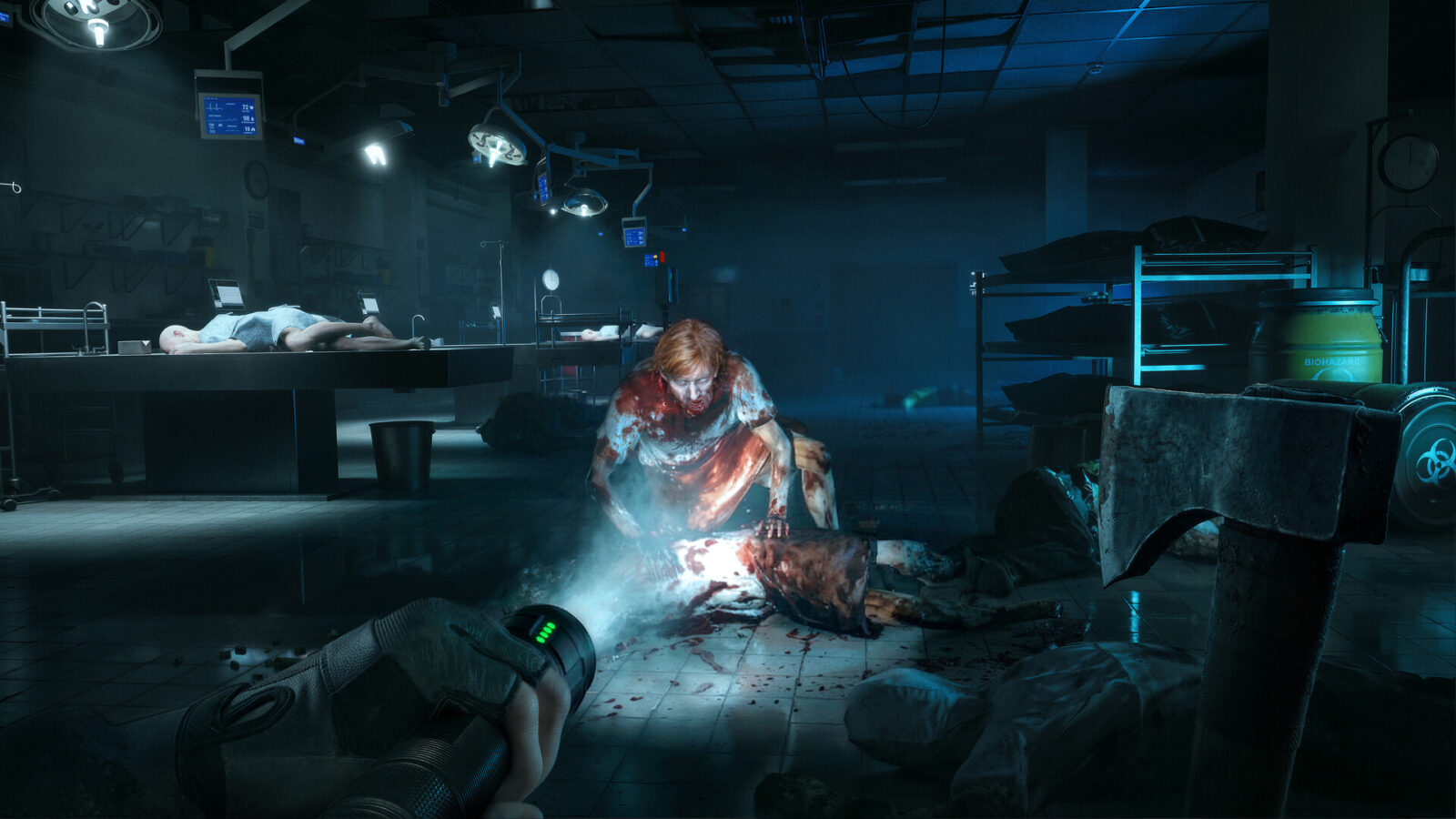
Fortunately, visual spectacle isn’t the primary attraction. The game’s strongest atmosphere comes from vulnerability and mechanical pressure. Darkness matters because equipment matters. Zombies become frightening because ammunition matters. Extraction becomes stressful because the character matters. Its presentation supports those systems rather than trying to replace them.
That distinction is ultimately why the experience works.
Verdict
No More Room in Hell 2 succeeds because it understands that the best zombie survival stories aren’t necessarily about how many undead you kill. They’re about the increasingly desperate chain of decisions required to avoid becoming one of them.
Permadeath is the crucial ingredient. It transforms ordinary encounters into calculated risks and makes ammunition management, melee choices, cooperation and extraction feel connected to the same survival objective. Rescue Beacons provide enough mercy to prevent character investment becoming unbearably punishing, while Solo Mode offers a sensible place to learn without immediately paying the ultimate price.
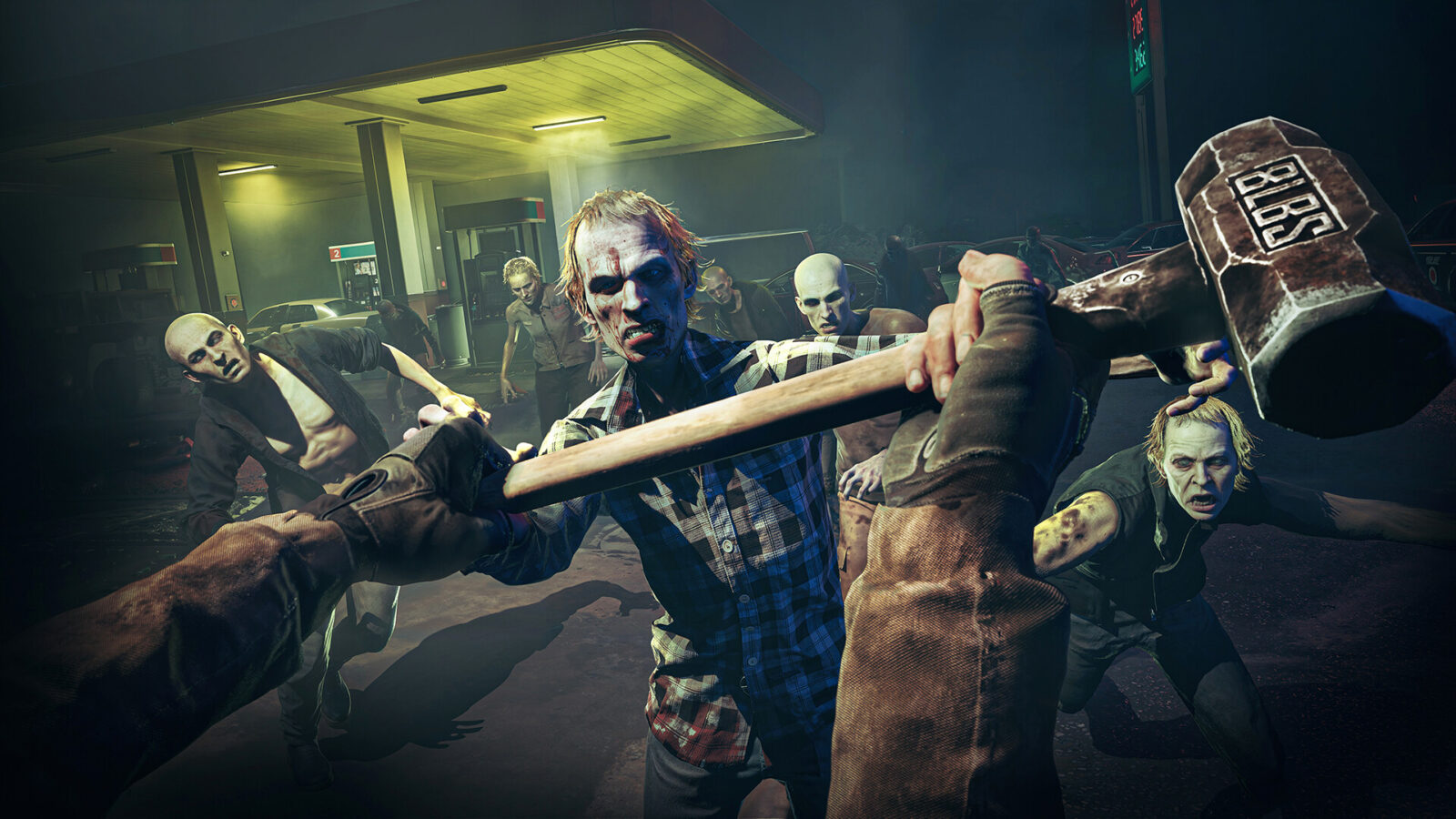
There are rough edges, particularly around the menus, and the visual presentation is solid rather than spectacular. Players wanting an effortless power fantasy may also find the deliberate equipment management and permanent consequences frustrating.
For anyone who wants zombie co-op where survival has genuine weight, however, this is precisely the appeal. No More Room in Hell 2 can be awkward, stressful and occasionally unforgiving, but those qualities feed directly into its strongest moments. When the ammunition is disappearing, the horde is growing and extraction suddenly feels very far away, the apocalypse finally stops feeling like a shooting gallery.