
TL;DR: Hell Let Loose: Vietnam delivers tense asymmetric warfare, superb sound design and meaningful teamwork, but poor visibility and silent squads can make its realism exhausting. Tactical FPS fans willing to communicate will find plenty to admire.
Hell Let Loose has never been interested in making war convenient. Its battles are slow, lethal, confusing and heavily dependent on strangers understanding that the microphone attached to their headset is supposed to be used. Hell Let Loose: Vietnam takes that philosophy into a conflict where poor visibility, asymmetric tactics and dense terrain make the formula even more demanding. The result is a tactical FPS that can produce extraordinary stretches of coordinated chaos, followed immediately by several minutes of hiking through vegetation before somebody you never saw sends you back to the deployment screen.
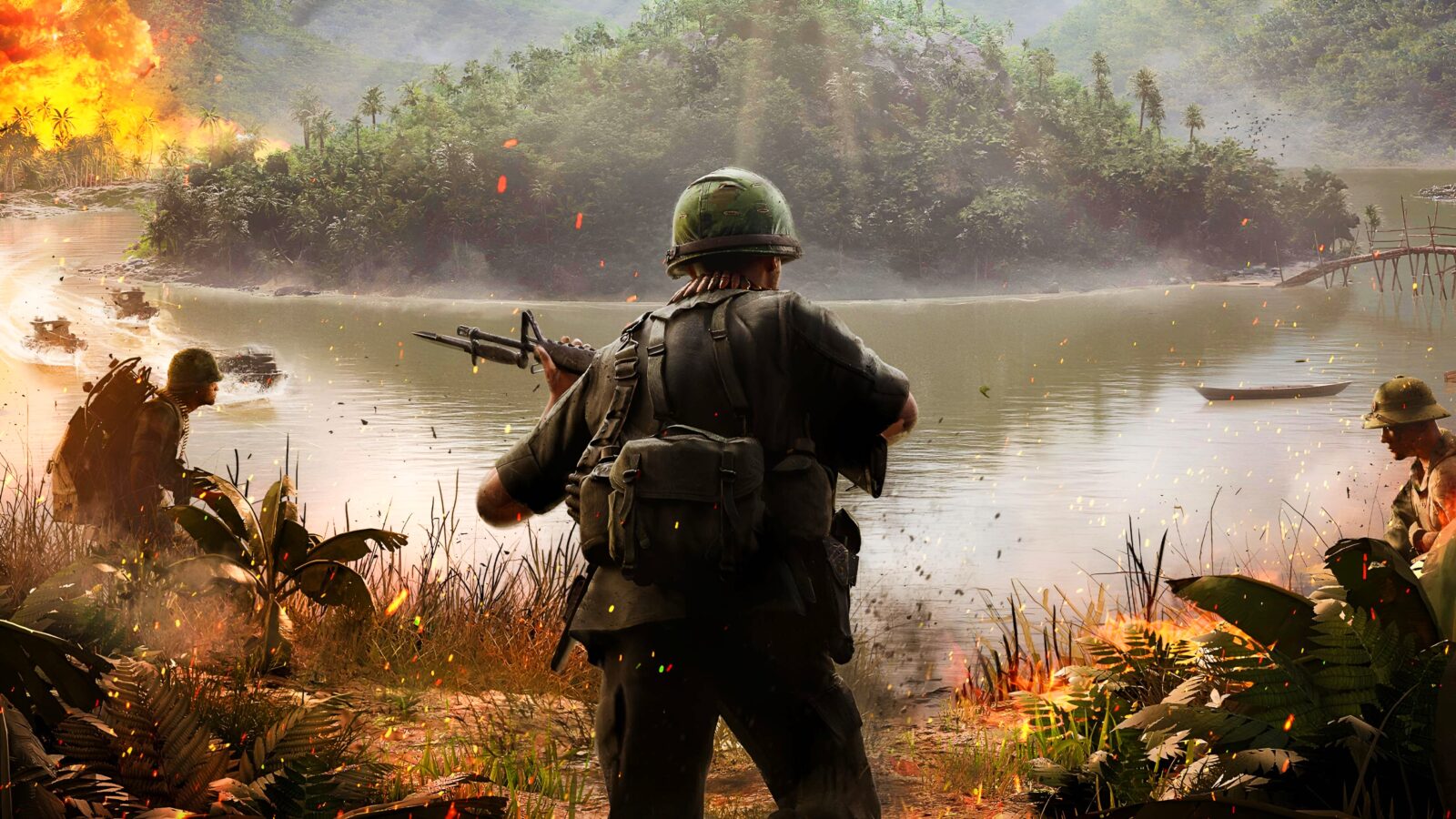
Developed by Expression Games and published by Team17, Hell Let Loose: Vietnam launches on August 13, 2026 for PC, PS5 and Xbox Series X. Rather than simply dressing the original game’s World War II framework in jungle fatigues, it builds its battles around the fundamental differences between the United States and North Vietnamese Army. That asymmetry is what gives Vietnam its identity, and when both teams understand how to exploit their respective advantages, it creates some seriously tense multiplayer warfare.
Two armies, two very different ways to fight
The biggest change is immediately apparent in how each faction moves around the battlefield. American forces have access to helicopters, giving squads the ability to relocate soldiers across these enormous combat spaces from the air. They’re powerful logistical tools, but they’re hardly magical fast-travel machines. Helicopters take time to move, announce their presence rather loudly and remain vulnerable to RPGs and anti-aircraft fire.
The NVA’s answer is considerably less theatrical but arguably more interesting. Its forces can construct tunnels connecting parts of the map, with up to four connected at once. Entering one lets you select an available exit before watching your soldier crawl through the network. Mechanically, it gives the NVA a way to shift infantry without exposing them to the same dangers as a helicopter, and strategically it changes how the opposing team has to think about territory.
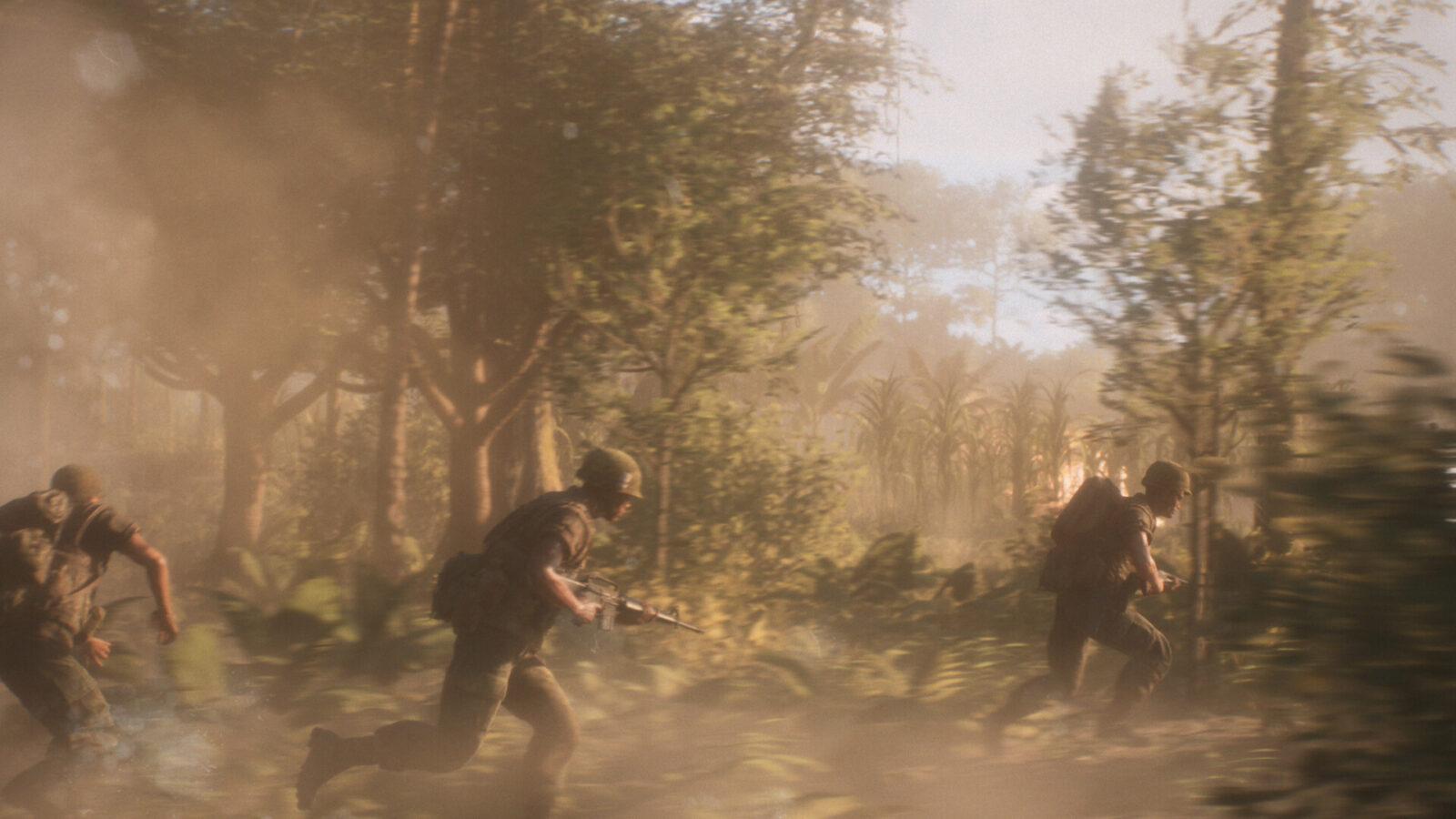
I found this asymmetry far more important than simply giving the factions different equipment. The US can project force through the sky; the NVA can effectively manipulate the ground underneath the battle. Suddenly, controlling an area doesn’t necessarily mean controlling every route into it. That uncertainty suits Hell Let Loose beautifully because the series has always been at its strongest when the map itself becomes part of the tactical problem.
There are questions around balance. The NVA’s ability to emerge from tunnel networks into environments already providing excellent concealment can make them extremely difficult to contain. Most battles can become prolonged contests over territory rather than obvious steamrolls, but there are situations where the combination of tunnels and jungle cover feels particularly punishing for the American side.
The jungle is sometimes your worst enemy
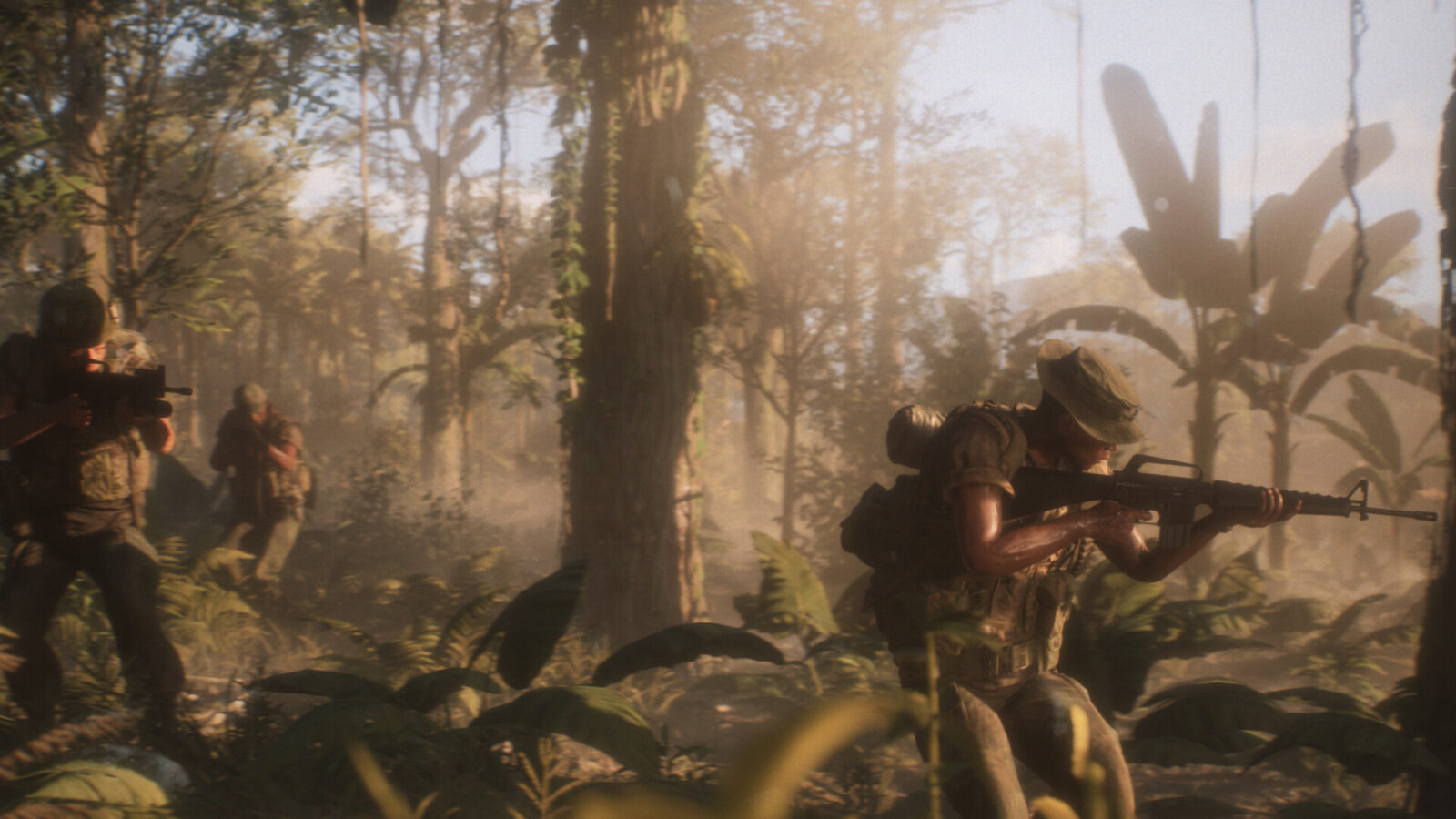
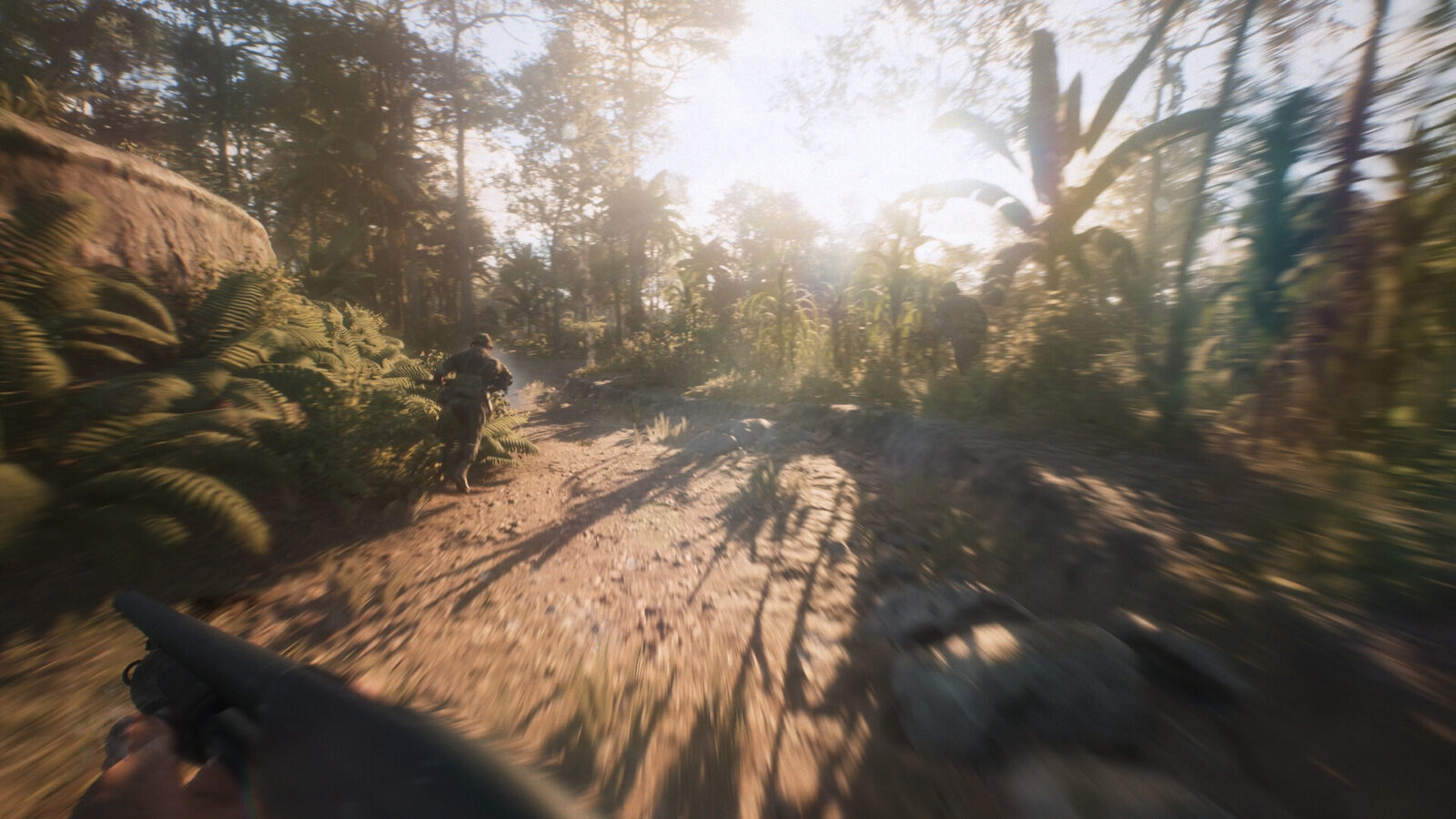
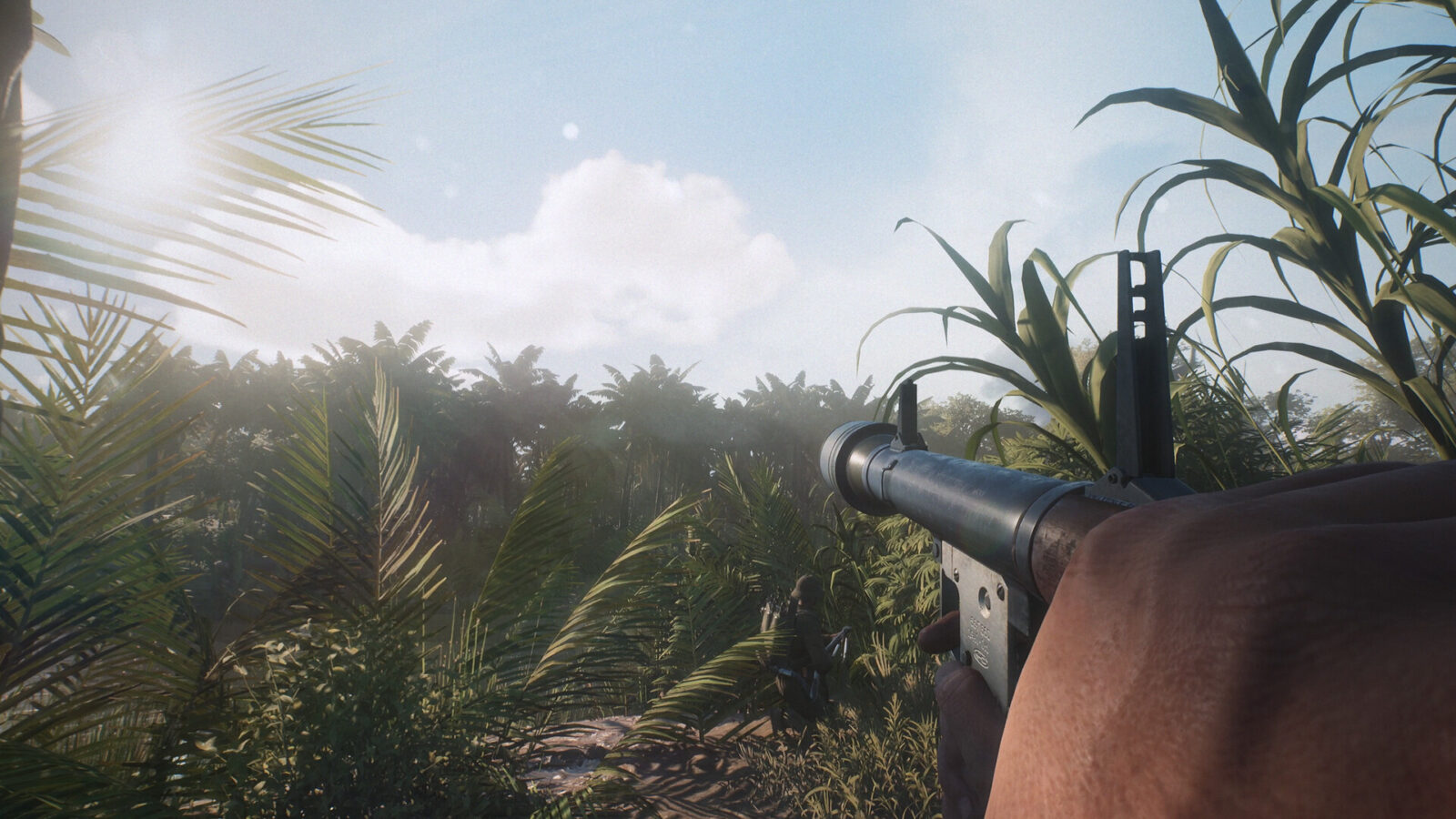
Hell Let Loose: Vietnam’s environments cover more than endless walls of green. Battles move through jungles, built-up areas, industrial spaces, sandy terrain and locations filled with structures and cover. Yet the vegetation naturally creates some of the game’s most distinctive engagements, and also some of its most frustrating.
This is an FPS where seeing the enemy first is enormously important because firefights are so lethal. Dense foliage therefore creates situations where you know shots are coming from somewhere ahead but have precious little visual information to work with. That tension can be fantastic when squads are communicating, marking threats and cautiously moving together. It feels considerably less fantastic after travelling hundreds of metres towards an objective only to be dropped by a well-hidden opponent before you’ve identified anything remotely human-shaped.
The urban and industrial fighting worked better for me because the danger becomes easier to read without becoming less deadly. Railway lines, warehouses, piers and cargo-filled spaces provide enough cover to create tactical movement while still allowing players to identify targets. These encounters retain Hell Let Loose’s lethality without making every death feel like the jungle itself has developed a rifle proficiency.
That’s the difficult compromise at the heart of Vietnam. Reduced visibility makes perfect sense for the conflict Expression Games is depicting, and removing it would undermine much of the atmosphere and tactical identity. But historical authenticity doesn’t automatically make frustration enjoyable. Hell Let Loose: Vietnam occasionally crosses that line.
Guns sound dangerous because they are
Once contact actually begins, the weapon handling delivers exactly the sort of intensity this format needs. The arsenal includes recognisable weapons such as the M16, Type 56, M60, RPD and M79 grenade launcher, and the differences aren’t limited to what you’re holding on screen. Audio plays a genuinely practical role in understanding the battlefield.
Individual weapons have sufficiently recognisable reports that experienced players can use gunfire as information. Hearing a machine gun nearby isn’t merely atmospheric noise; identifying its type can help establish whether the shooter is friendly or hostile. In a game where visibility frequently disappears behind vegetation, smoke, structures and distance, that audio feedback becomes another tactical sense.
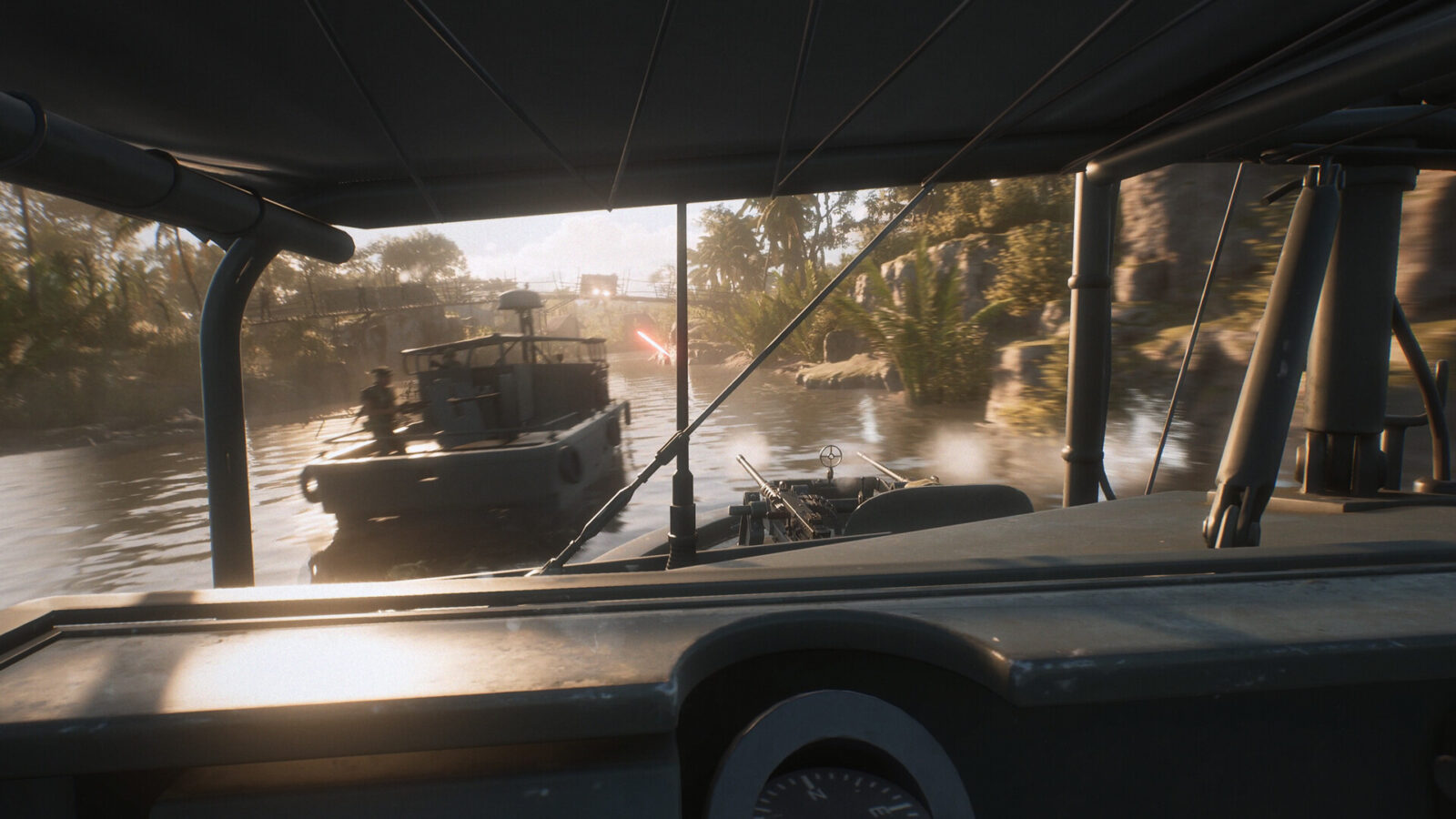
The wider soundscape is similarly essential to the experience. Hell Let Loose: Vietnam’s battles can be chaotic without turning into meaningless noise, creating the sense that dangerous events are unfolding beyond whatever tiny patch of battlefield you’re currently occupying. Weaponry also receives detailed historical analysis voiced by Royal Armouries expert Jonathan Ferguson, extending even to less glamorous equipment such as smoke grenades. It’s a geeky addition, absolutely, but this is precisely the audience that will appreciate it.
Your squad matters more than your kill count
The real make-or-break mechanic remains communication. Hell Let Loose: Vietnam simply isn’t designed around six people silently running toward objective icons and hoping individual shooting ability sorts everything out. Voice communication is effectively part of the combat system, because positioning, enemy sightings, movement and specialised roles become dramatically more useful when squads exchange information.
A coordinated squad can make even an ugly situation entertaining. A silent one can make the same map feel exhausting. That’s always been part of Hell Let Loose’s identity, but Vietnam’s visibility and asymmetric movement make teamwork feel even more necessary. The game asks you to trust information from teammates because you frequently cannot observe the entire situation yourself.
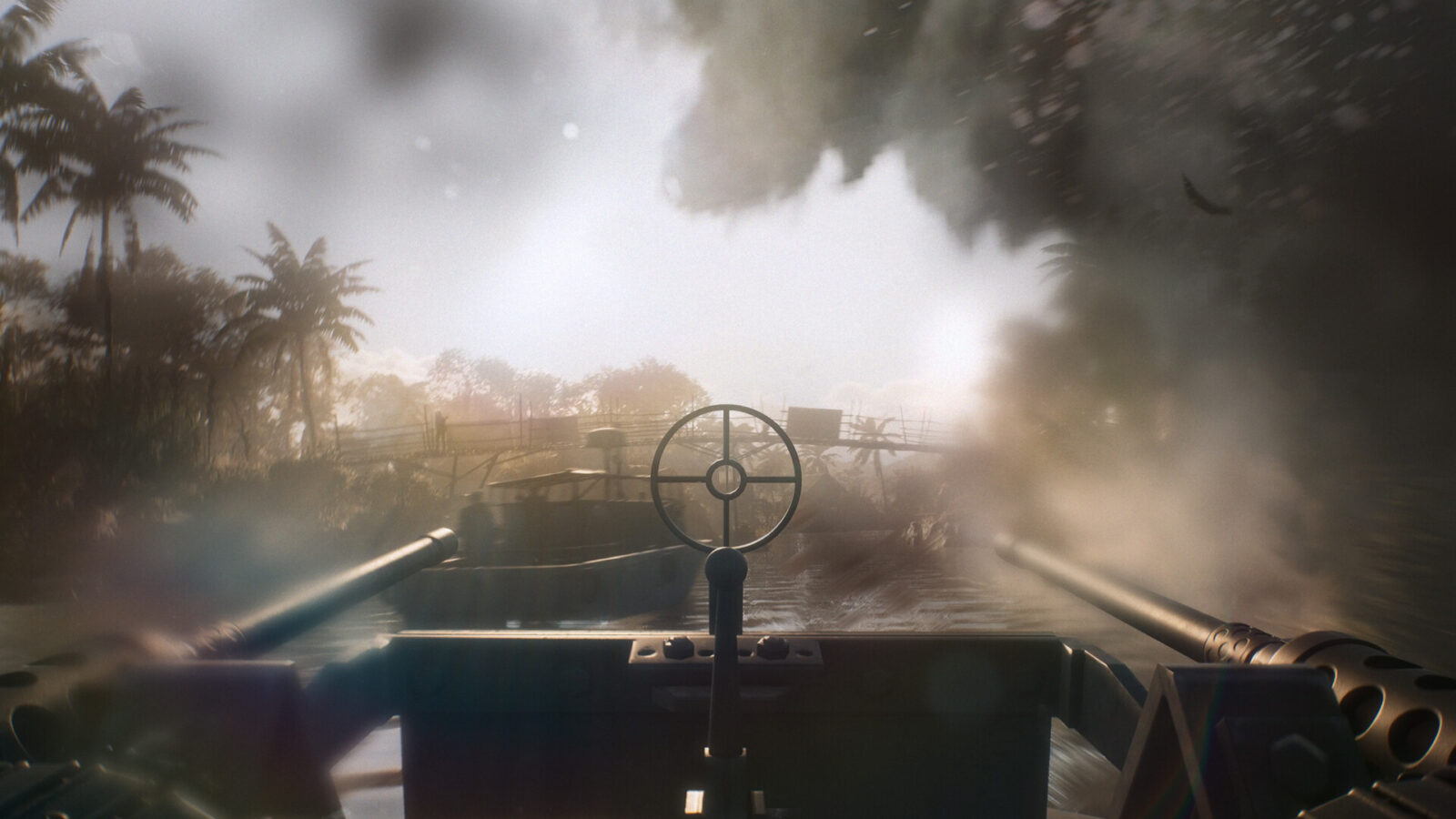
Its selection of roles reinforces that philosophy. Players can operate as riflemen, grenadiers, medics, pilots, tank commanders, sniper spotters and other specialists, with responsibilities extending beyond simply collecting kills. The medic is a perfect example: downed teammates can be revived provided they haven’t suffered certain catastrophic injuries, turning survival and recovery into another layer of squad management. Pulling a team back together under fire can be every bit as valuable as eliminating the person who caused the problem.
Importantly, Vietnam includes a comprehensive tutorial covering the fundamentals of its different specialisms. For a series with this many interconnected systems and unwritten multiplayer expectations, that matters. Hell Let Loose is still not something I’d recommend approaching like a casual run-and-gun shooter, but at least newcomers now receive a better introduction before the multiplayer community starts speaking in tactical shorthand.
Authenticity creates both the magic and the friction
What surprised me most is how consistently Hell Let Loose: Vietnam’s strengths and weaknesses come from the same design decisions. Huge maps create meaningful logistics but can produce long journeys after spawning. Lethal gunplay makes every successful engagement matter, yet can result in abrupt deaths with minimal opportunity to react. Dense terrain creates genuine uncertainty while occasionally reducing firefights to staring suspiciously at bushes.
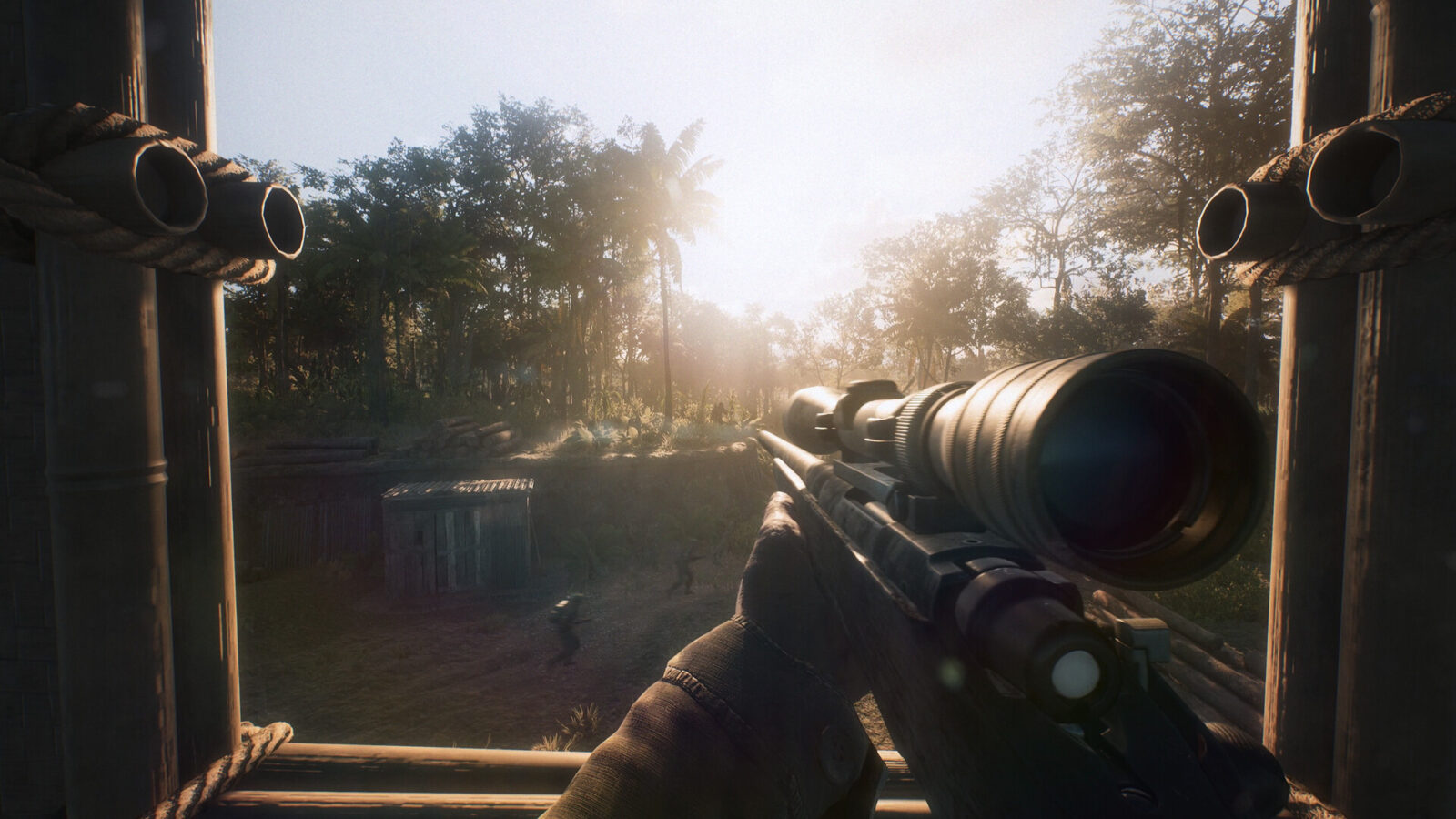
That contradiction is ultimately the price of admission. This isn’t Battlefield wearing a more serious expression. Expression Games wants individual soldiers to feel like small components inside a much larger operation, and Vietnam commits to that idea even when doing so makes the experience less immediately accessible.
When it works, the payoff is substantial. Coordinated pushes have weight because losing ground matters. Surviving an encounter feels significant because death isn’t a tiny interruption. Specialised roles matter because no single player can efficiently solve every tactical problem. The game can be frustrating, but its best moments emerge precisely because it refuses to smooth every rough edge into conventional multiplayer convenience.
Final Verdict
Hell Let Loose: Vietnam successfully transfers the series’ demanding tactical warfare into a setting that fundamentally changes how its two armies approach movement, positioning and battlefield control. Helicopters and tunnel networks aren’t superficial faction gimmicks; they shape the flow of matches and give the conflict a genuinely asymmetric character. Strong weapon handling, exceptional battlefield audio and meaningful specialist roles further reinforce a multiplayer experience where information and teamwork matter as much as shooting straight.
Its commitment to lethal, low-visibility warfare inevitably creates friction. Dense vegetation can turn certain deaths into exercises in bewilderment, long returns to the frontline aren’t always exciting, and the quality of any session remains heavily dependent on finding teammates willing to communicate. Players looking for immediate action and constant personal gratification will probably bounce off it hard.
For anyone who enjoys large-scale tactical shooters, however, those frustrations sit alongside some remarkably involving battles. Hell Let Loose: Vietnam understands that its most satisfying victories aren’t necessarily the ones appearing on a scoreboard. They’re the moments when a squad communicates, adapts and somehow turns complete battlefield chaos into something resembling a plan.