
TL;DR: Trails in the Sky 2nd Chapter combines one of the series’ strongest character-driven adventures with smart modern combat, expressive presentation and meaningful tactical depth. Some late-game backtracking and minor control quirks irritate, but this is a confident remake that knows exactly what to preserve and what to rebuild.
Some sequels want to tear everything down and start again. Trails in the Sky 2nd Chapter has a different job: finish what the first game started, deepen its characters, raise the stakes and modernise an RPG whose foundations are now more than two decades old. Falcom’s remake does that without treating the original like an embarrassing relic that needs to be hidden beneath layers of shiny new systems.
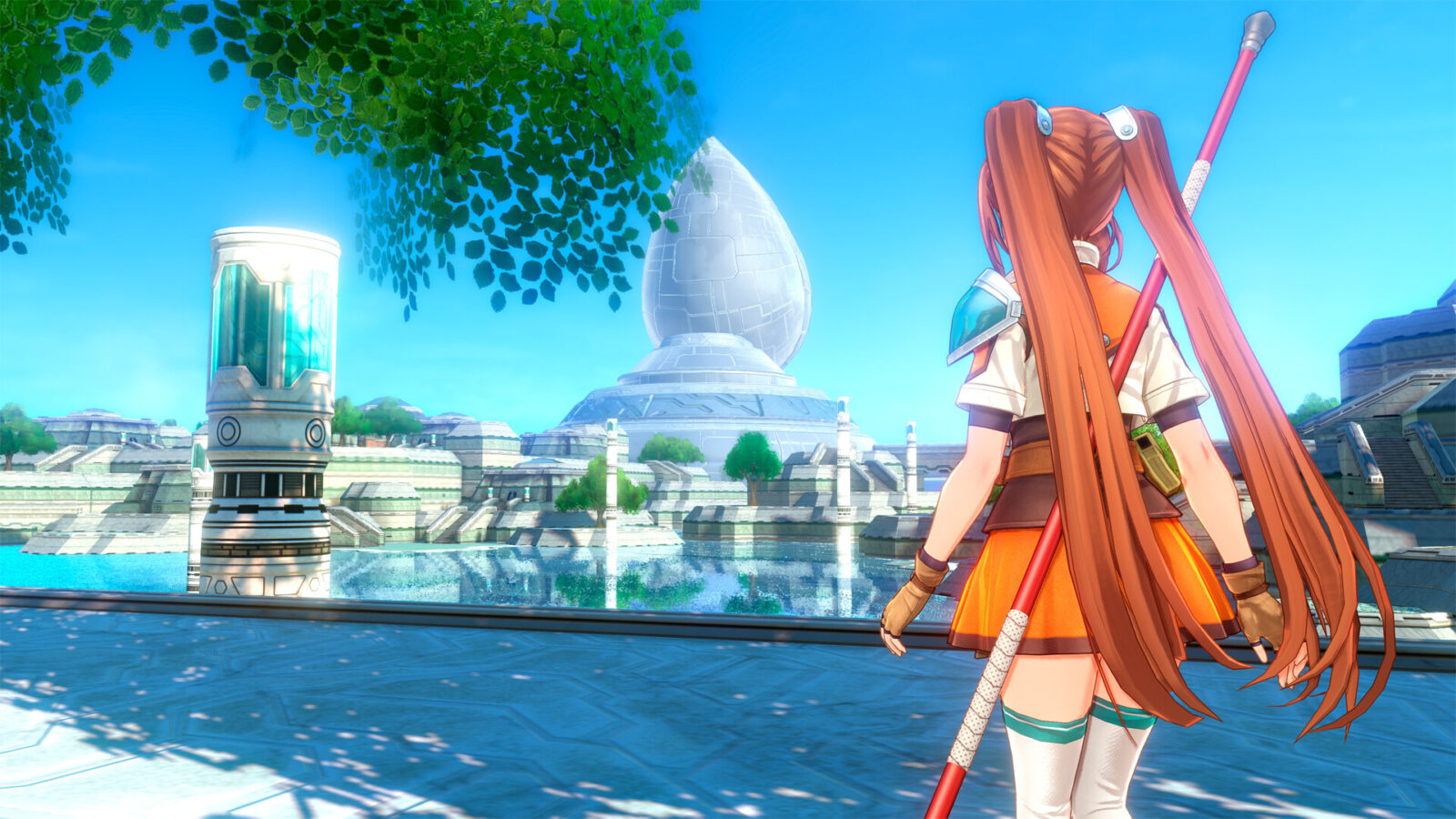
This is still unmistakably Trails in the Sky 2nd Chapter. Estelle Bright remains at the centre of the adventure, the Liberl Kingdom remains a place worth caring about, and the series’ obsession with characters, politics and ridiculously elaborate world-building is very much intact. But around that familiar core is a much more contemporary RPG, with fully realised 3D presentation, expanded voice acting and a combat system informed by years of Falcom experimenting across later Trails games.
The result is a remake that understands something surprisingly easy to get wrong: preservation does not require stagnation.
Estelle’s journey finally gets the presentation it deserves
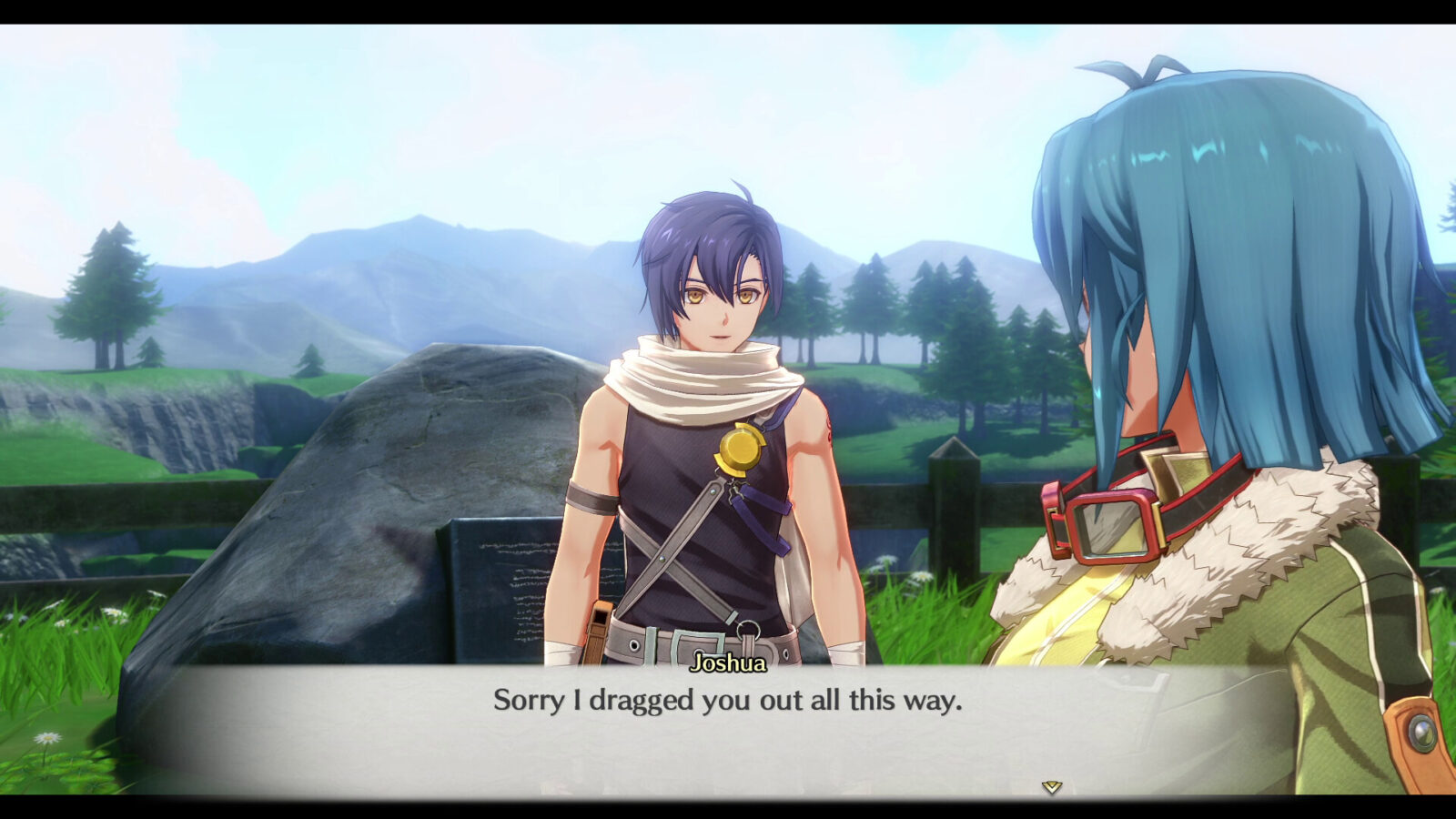
Trails in the Sky 2nd Chapter begins directly after the first game, and that continuity is crucial. Joshua has disappeared after confronting the truth about his past, leaving Estelle determined to find him and bring him back. At the same time, the darker forces exposed toward the end of the previous adventure begin moving into clearer focus, giving this chapter more immediate urgency than its predecessor.
That heavier setup works because Estelle remains such an effective emotional anchor. Her optimism and determination sit against Joshua’s much darker circumstances, giving the story a personal centre even as the wider political and conspiratorial machinery begins spinning faster. Trails has always been unusually patient about letting relationships develop, and 2nd Chapter benefits enormously from all the groundwork already laid.
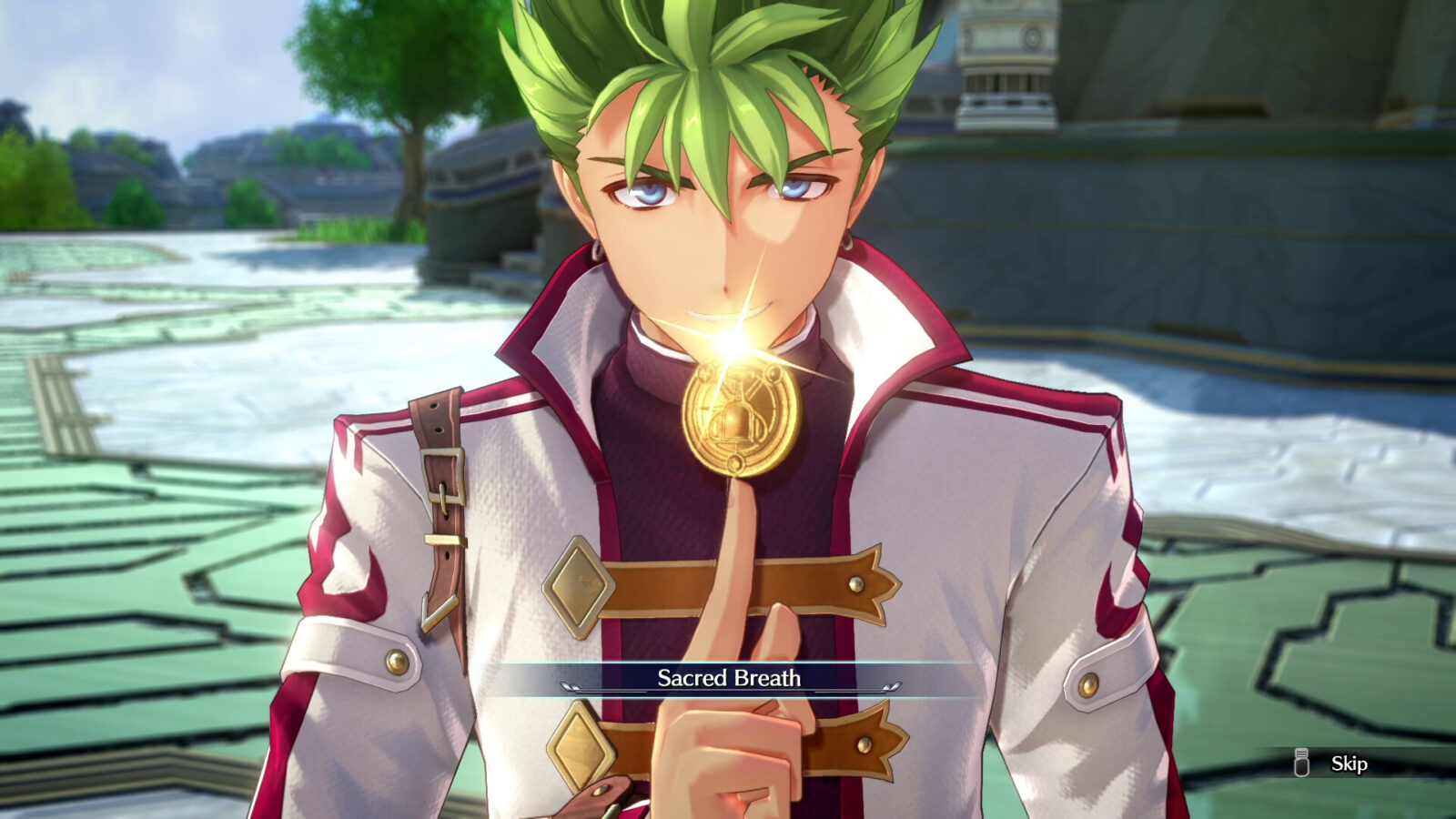
The supporting cast prevents that seriousness from turning Liberl into one enormous therapy session. Characters such as Olivier bring exactly the sort of theatrical nonsense this series needs, while encounters involving Blueblanc happily demonstrate that Trails can jump from genuine drama to gloriously excessive anime absurdity without completely snapping its tonal spine. The expanded voice acting also gives these personalities considerably more room to breathe, with Estelle and Joshua’s original actors returning for the remake.
Most importantly, the story remains focused. Later Trails games became famous — and occasionally infamous — for sprawling casts and increasingly elaborate narrative structures. 2nd Chapter feels comparatively disciplined. Its central emotional thread is clear, its major characters have room to matter, and Estelle and Joshua’s arcs are allowed to progress without disappearing beneath twenty-seven subplots and a small nation’s worth of playable heroes.
Returning to Liberl feels familiar without feeling pointless
Anyone coming directly from Trails in the Sky 1st Chapter will recognise much of the geography. The sequel once again sends Estelle through Liberl’s familiar cities and regions, but the changed order, new circumstances and different side quests give those places fresh context rather than making the adventure feel like somebody accidentally loaded the previous game’s save file.
That familiarity actually benefits the storytelling. Revisiting locations after the events of the first chapter reinforces the sense that Liberl is an interconnected country rather than a collection of disposable RPG zones. The world has history because you’ve already lived in it, met its inhabitants and learned how its communities fit together.
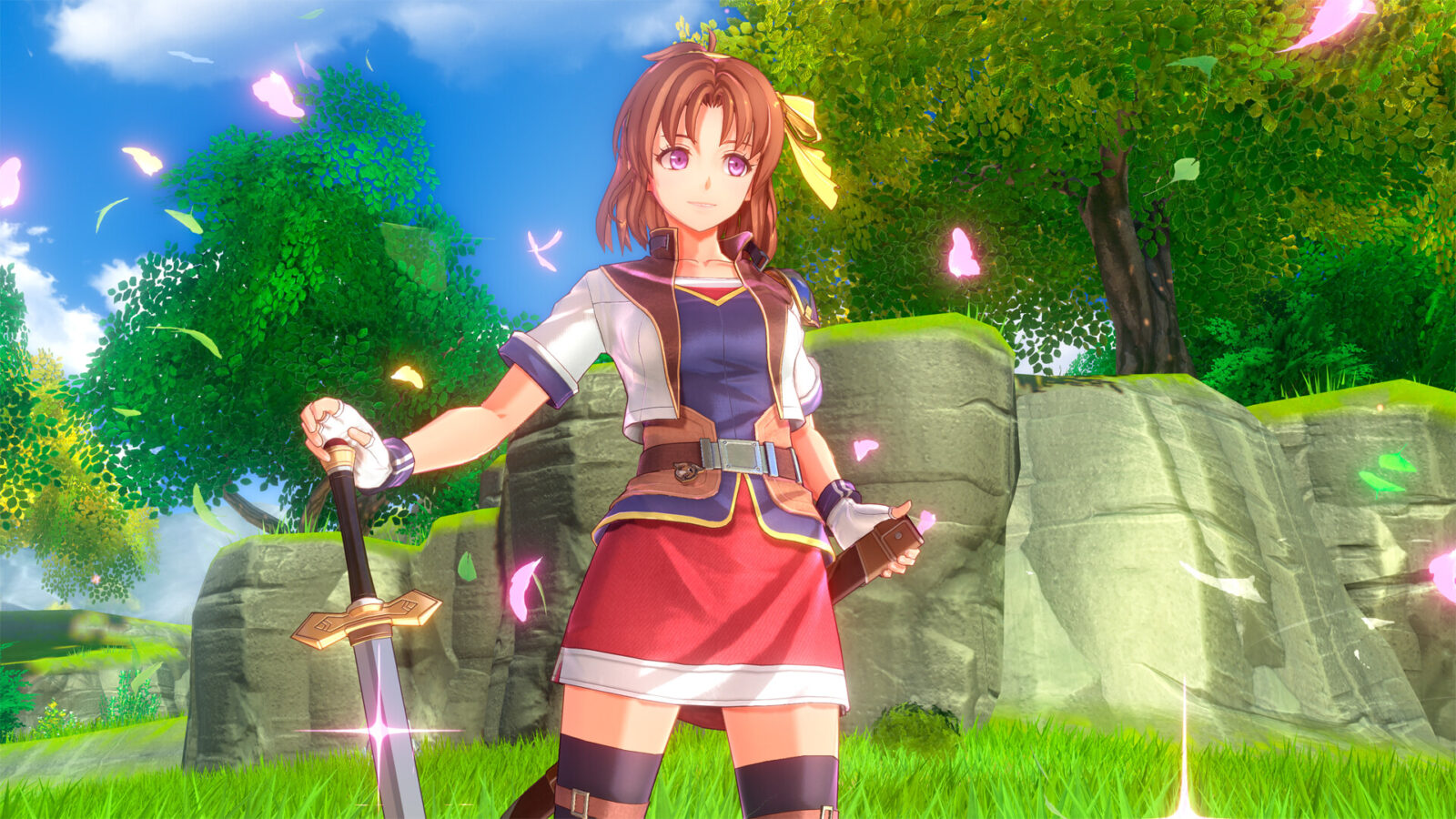
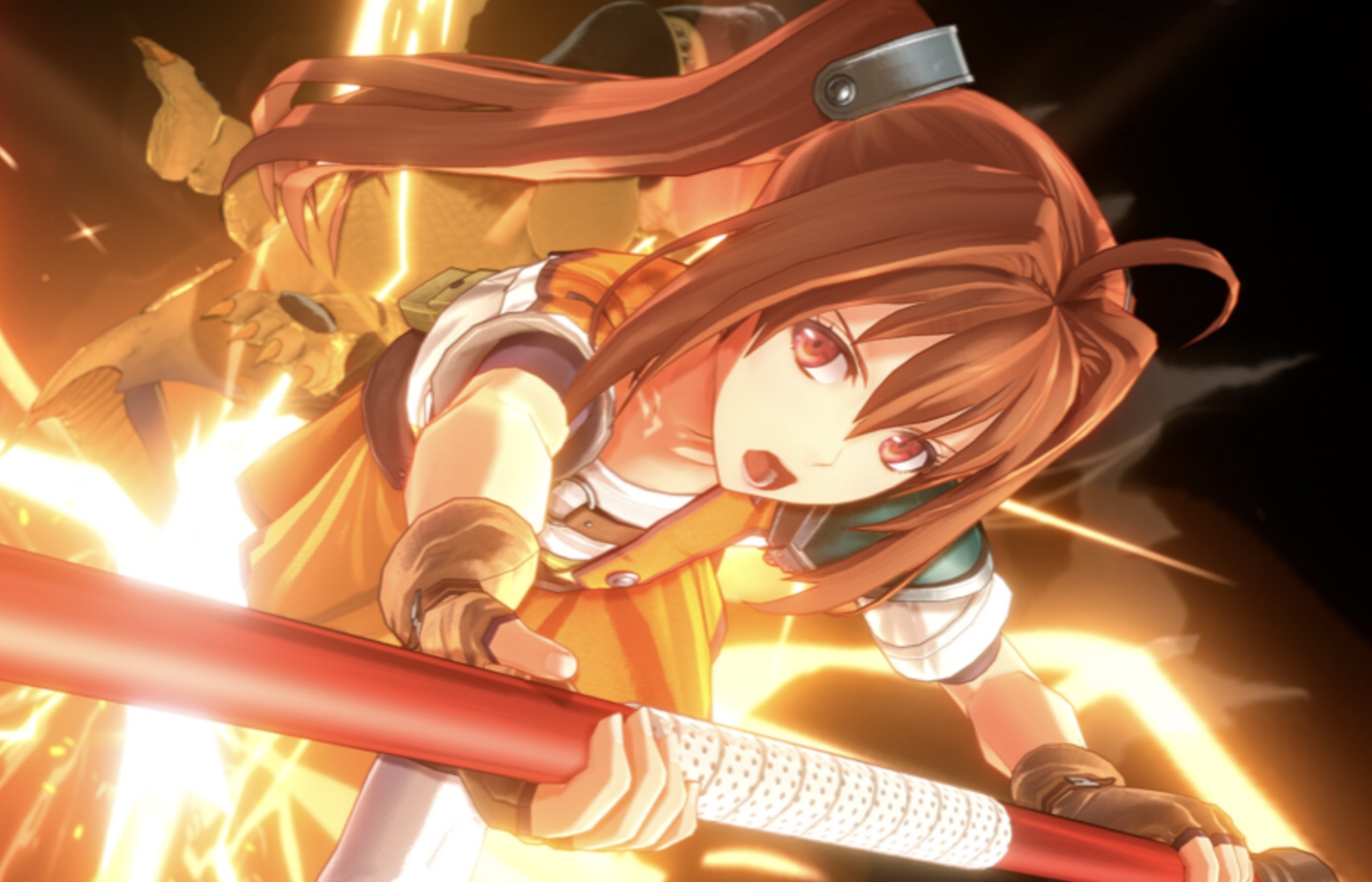
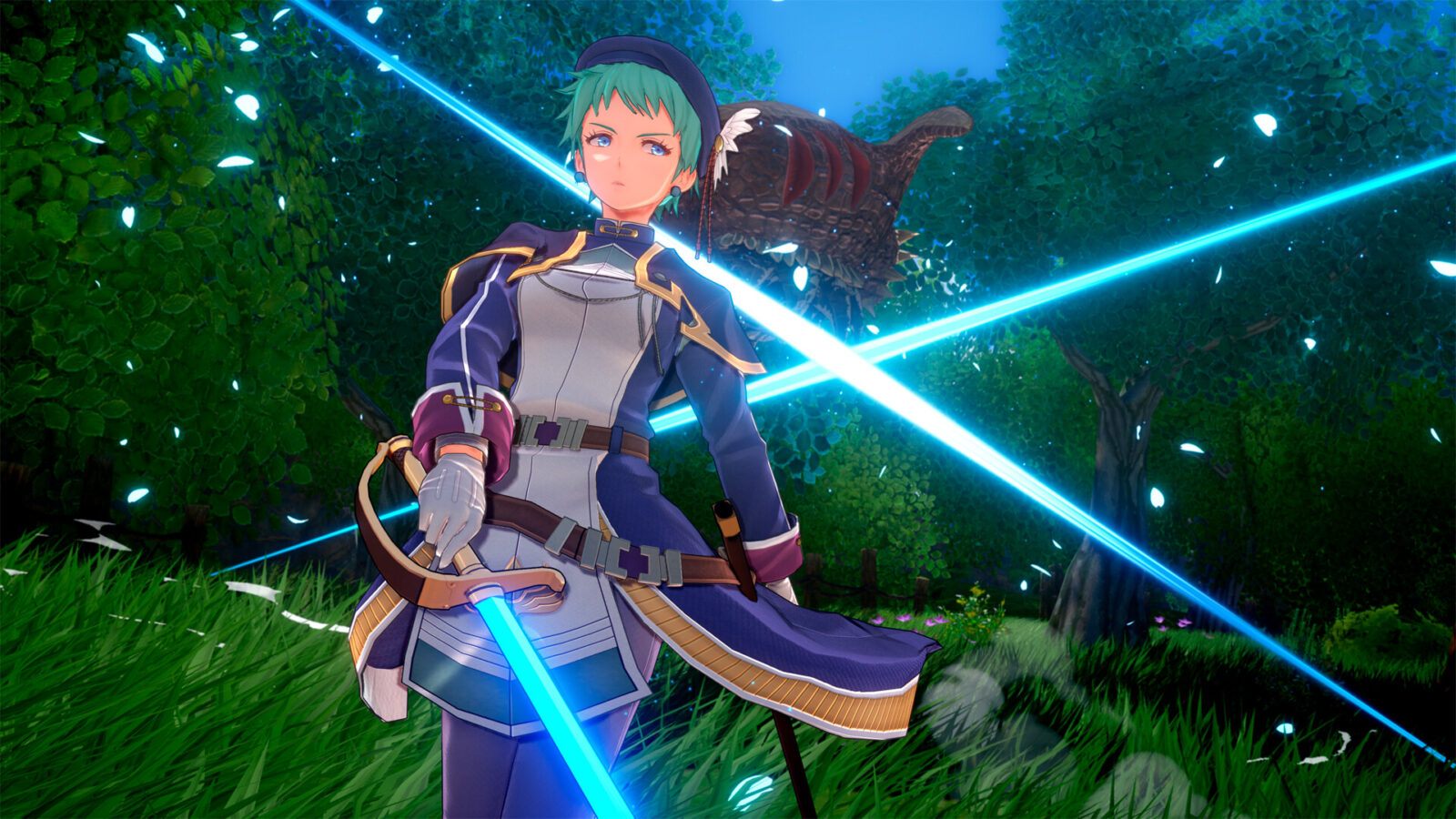
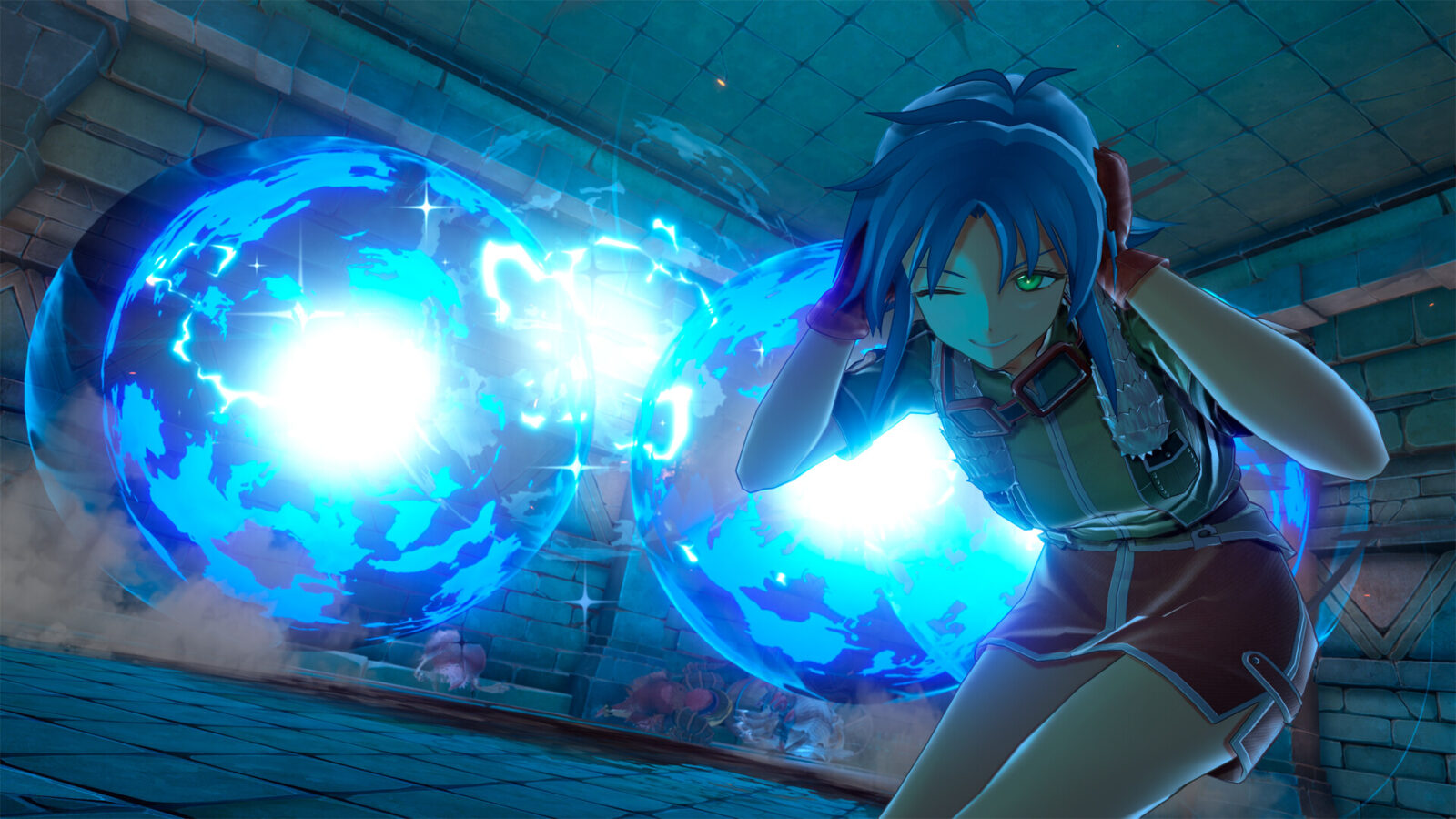
The remake’s presentation makes those return trips considerably more attractive, too. Its colourful anime-influenced art direction replaces the original game’s top-down sprite presentation with detailed 3D environments, expressive character models and more elaborate animation. Combat receives especially noticeable cinematic treatment, with dynamic camera work and closer views making Crafts and other attacks substantially more dramatic.
There is, however, a point late in the adventure where revisiting familiar territory becomes less charming. During the chapter immediately before the finale, story circumstances require another round of backtracking while previously unlocked fast-travel points need to be activated again. It’s an unnecessary speed bump at precisely the moment when the narrative should be flooring the accelerator.
Hybrid combat gives an old RPG much sharper teeth
The biggest transformation is combat, and this is where the remake stops behaving like a restoration project and starts confidently rewriting the rules.
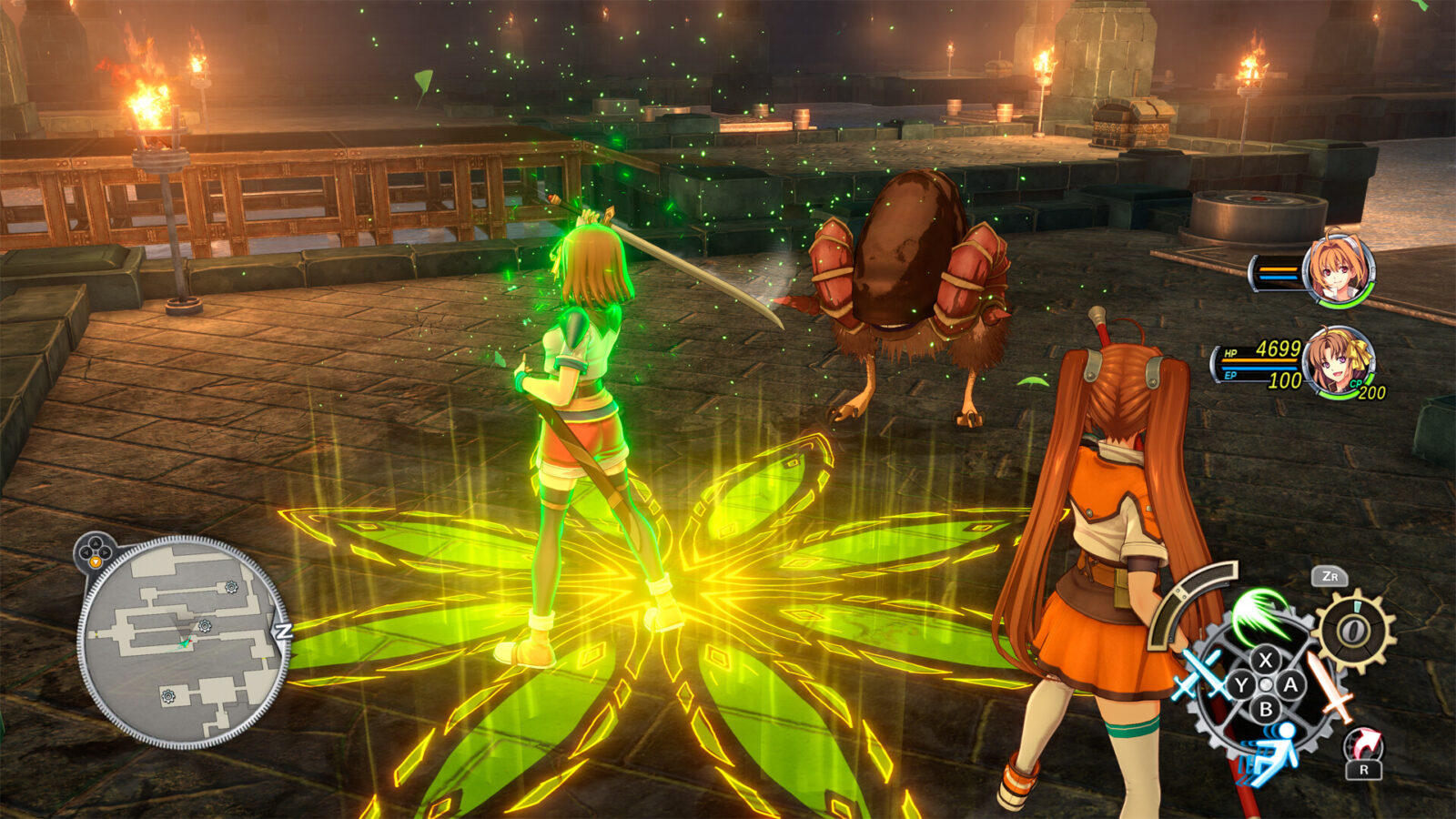
Rather than preserving the original’s purely turn-based battles, Trails in the Sky 2nd Chapter adopts the hybrid philosophy seen in the Trails through Daybreak games. Enemies can initially be attacked in real time through Quick Battles, letting you damage and potentially stun them before transitioning directly into the more tactical Command Battles.
It changes the rhythm dramatically. Lesser encounters don’t automatically demand the full ceremony of turn-based combat, while tougher opponents encourage you to think about how you enter the Command phase rather than simply treating the field portion as disposable button-mashing.
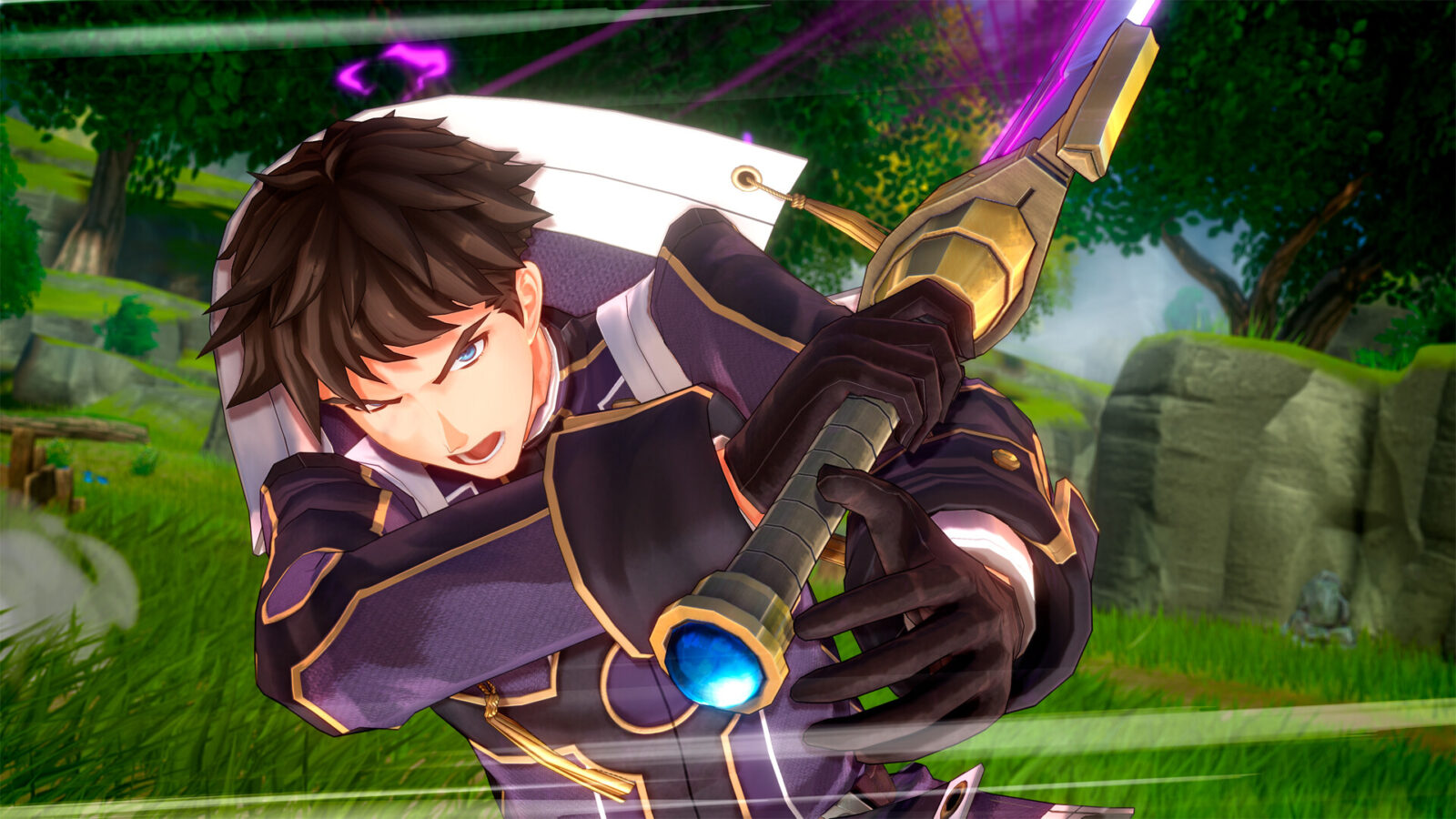
Brave Points add another layer. Critical hits, stuns and attacks against stunned enemies can build BP, which can then fuel coordinated Brave Attacks involving follow-ups, chains and group assaults. More interestingly, the remake connects BP to its real-time component through Brave Rush attacks, which inflict substantial stun damage during Quick Battles.
That’s where the system becomes more than a collection of mechanics borrowed from newer Trails games. Spending BP on a Brave Rush can help force a resilient enemy into a vulnerable state, but doing so potentially leaves fewer resources available once the Command Battle begins. Enter with an advantage while sufficiently prepared and you can instead open with a pre-emptive Brave Attack.
Those decisions give the two halves of combat an actual relationship. The real-time portion isn’t merely the corridor leading to the “proper” battle system; what you do there affects the tactical position you inherit afterwards.
The control layout isn’t quite as elegant as the underlying design. High-speed mode now requires pressing both bumpers rather than using the simpler single-button toggle found in previous Trails games, partly because Brave Rush demands its own input. It’s hardly catastrophic, but it’s an awkward compromise in a combat system that otherwise feels carefully reconsidered.
The timeline is still where Trails gets wonderfully nerdy
Underneath all those modern additions sits one of Trails’ enduring strengths: turn-order manipulation.
The timeline displays upcoming ally and enemy turns alongside bonuses that can provide effects such as HP recovery, critical hits or Zero Arts, which removes casting time and cost. This means combat isn’t simply about selecting the attack with the biggest number attached to it and watching health bars evaporate.
Crafts capable of applying Impede or Delay become tactical tools because altering an opponent’s action can change who receives an upcoming bonus. An enemy preparing a dangerous spell can be interrupted. Another can be pushed farther down the timeline. Suddenly you’re thinking several actions ahead, rearranging turns like an increasingly stressed JRPG wedding planner.
The remake pushes this further through bonus stealing. Certain Crafts can take an upcoming bonus, while offensive S-Crafts provide every character with some access to the mechanic. Multiple bonuses can now also stack on the same turn, creating opportunities to engineer particularly valuable combinations — assuming an enemy doesn’t steal them first and turn your carefully constructed plan into confetti.
Free movement during Command Battles adds another consideration. Characters can reposition without consuming their turn, and Crafts now include effects that make placement more meaningful. Kloe’s Kämpfer, for example, retains its debuffing role while gaining additional damage when attacking from the side.
The important thing is that these systems reinforce one another. Positioning, BP management, stun, turn manipulation and bonus stealing aren’t isolated gimmicks competing for attention. They’re different ways of controlling a battle, which gives encounters considerably more texture than simply cycling through strongest attacks until somebody falls over.
Orbments keep one foot firmly in the old school
For all the modernisation elsewhere, the Orbment system remains surprisingly loyal to the original game’s philosophy.
Quartz placement determines which Arts a character can access, creating a more restrictive approach to character building than some later Trails entries. Characters naturally suited toward magic can reach stronger spell combinations more effectively, while physically focused party members retain clearer specialisations.
Coming from the enormous build flexibility of later entries, that rigidity can initially seem like a backwards move. But it also gives party composition stronger definition. Characters aren’t blank RPG mannequins waiting for the player to install whichever build happens to be fashionable this week.
There’s something fitting about that restraint. Falcom has aggressively modernised the parts of Sky that benefit from twenty years of accumulated design experience while allowing one of its older progression systems to remain recognisably old-school. Not every mechanic needs to be sanded down into complete flexibility.
A remake that understands what actually needed changing
Visually, the biggest achievement isn’t simply that Trails in the Sky 2nd Chapter now looks modern. It’s that its presentation better serves the material.
Character expressions can carry emotional scenes more convincingly. Battles gain impact through sharper animation and more dynamic framing. The wider political turmoil underpinning Liberl can be presented with considerably greater visual presence than was possible through the original game’s sprite-based perspective.
That matters particularly for a series so dependent on dialogue and character relationships. Giving the cast more expressive models, animation and extensive voice performances isn’t decoration; it strengthens the delivery of a story that was always one of 2nd Chapter’s biggest assets.
There’s also a welcome sense that Falcom knew when to stop tinkering. The remake preserves the original story structure and side quests rather than manufacturing an enormous pile of new narrative content simply to justify the project.
That’s arguably its smartest decision. The goal isn’t to replace Trails in the Sky 2nd Chapter with something fashionable. It’s to make the qualities that worked in the original easier to appreciate through contemporary presentation and stronger combat.
Verdict
Trails in the Sky 2nd Chapter succeeds because its modernisation has purpose. The 3D overhaul and expanded voice work give Estelle, Joshua and Liberl far more expressive power, while the hybrid combat system transforms battles without throwing away the tactical identity that made Trails interesting in the first place.
Brave Points, Brave Rushes, positional movement and expanded timeline manipulation make combat substantially more dynamic, but it’s the way those mechanics interact that really sells the redesign. There are meaningful choices before and during Command Battles, and manipulating turn bonuses remains wonderfully satisfying when a carefully constructed plan comes together.
It isn’t completely frictionless. The high-speed control change is needlessly awkward, the Orbment system may initially feel restrictive to players accustomed to later Trails games, and the late-game backtracking temporarily drains momentum just when the story is preparing for its final push. None of those issues fundamentally undermine what the remake accomplishes.
For players who started with Trails in the Sky 1st Chapter, this is the continuation that journey deserves. For longtime Trails fans, it’s a fascinating example of Falcom applying lessons from later games without erasing the identity of an earlier one. And for anyone attempting to navigate this enormous interconnected series without first excavating a PSP from an archaeological site, the Sky remakes now provide a far more inviting route through its opening chapters.