

TL;DR: Ocarina of Time on Switch 2 blends classic Zelda dungeon and world design with modern movement, aiming and stunning presentation. It’s too easy and occasionally over-explains its puzzles, but it remains an outstanding adventure for veterans and newcomers alike.
Remaking Ocarina of Time is about the riskiest thing Nintendo could do with its back catalogue. This is the game that taught an entire industry how 3D action-adventure should work, and it carries so much nostalgia that any change can feel like sacrilege to someone. Nintendo EPD’s answer on Switch 2 is neither a faithful shot-for-shot recreation nor a ground-up reinvention. Instead, it keeps the bones of the original (the dungeons, the two-era structure, the compact Hyrule) and wraps them in the movement, presentation and small reactive touches of Breath of the Wild and Tears of the Kingdom. What I found is a game that feels instantly modern in your hands while still thinking like a classic Zelda in its head. That combination is mostly brilliant, though it comes with a few compromises veterans will feel.
Hyrule has never looked or sounded this good
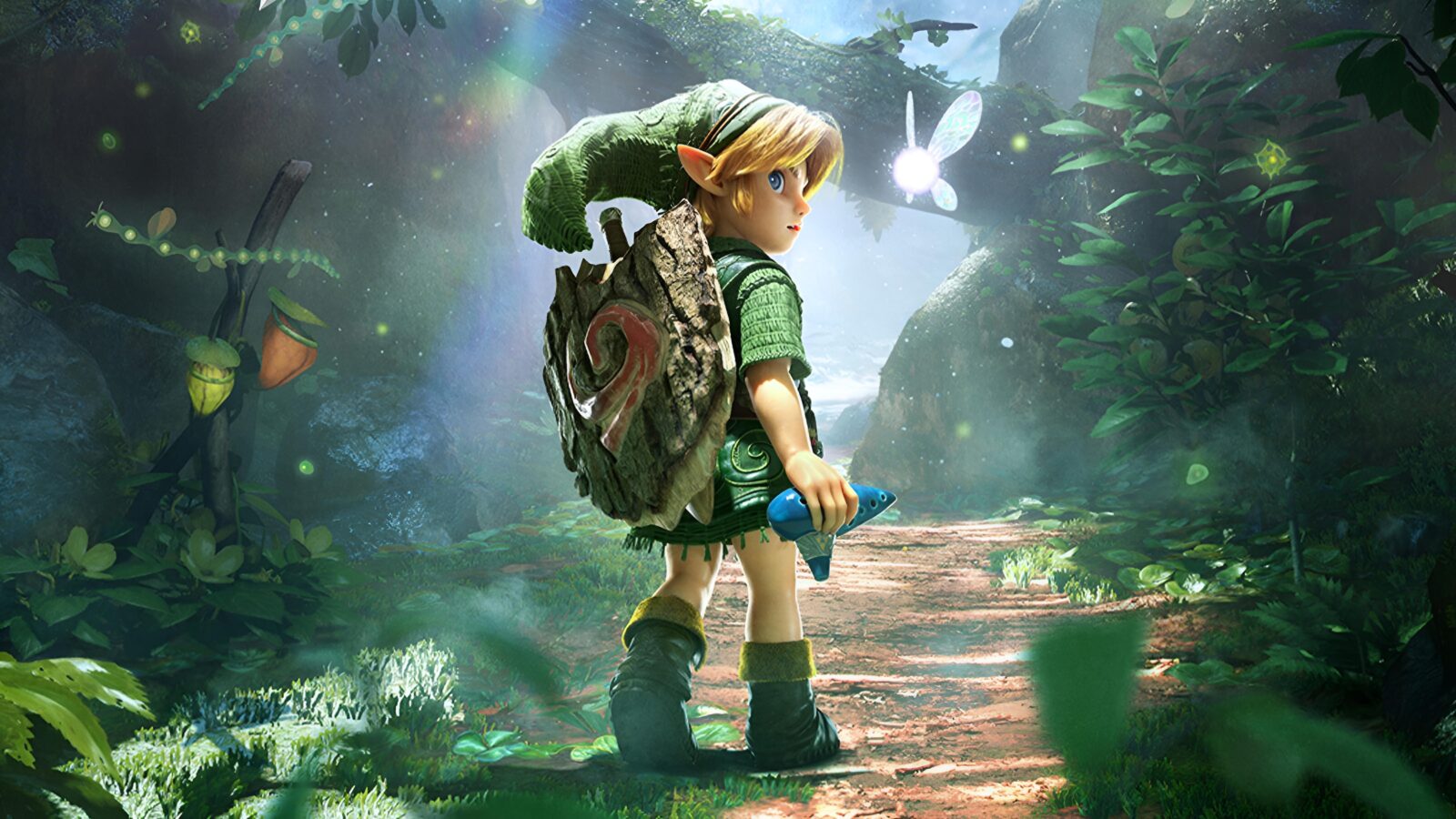
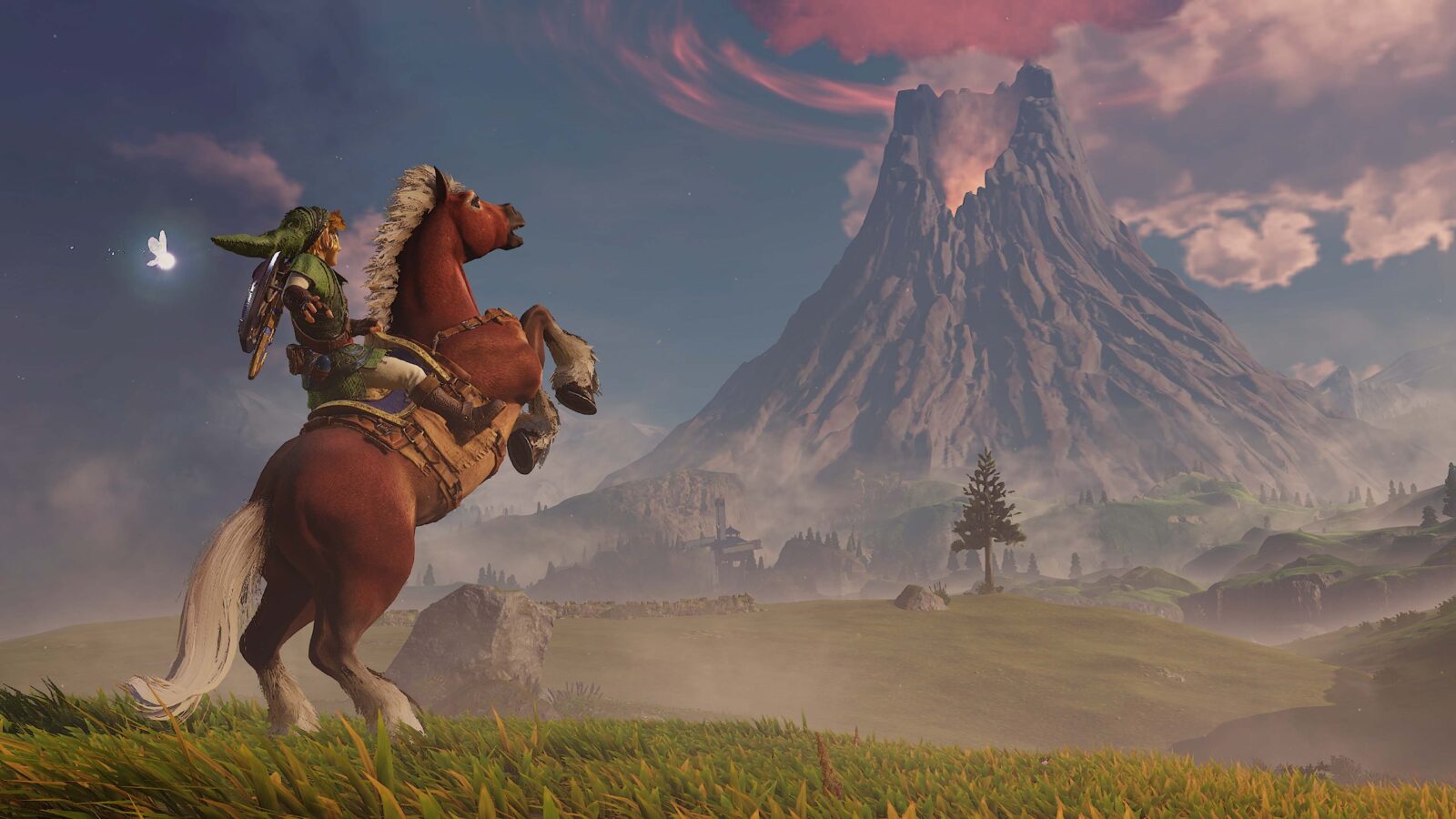
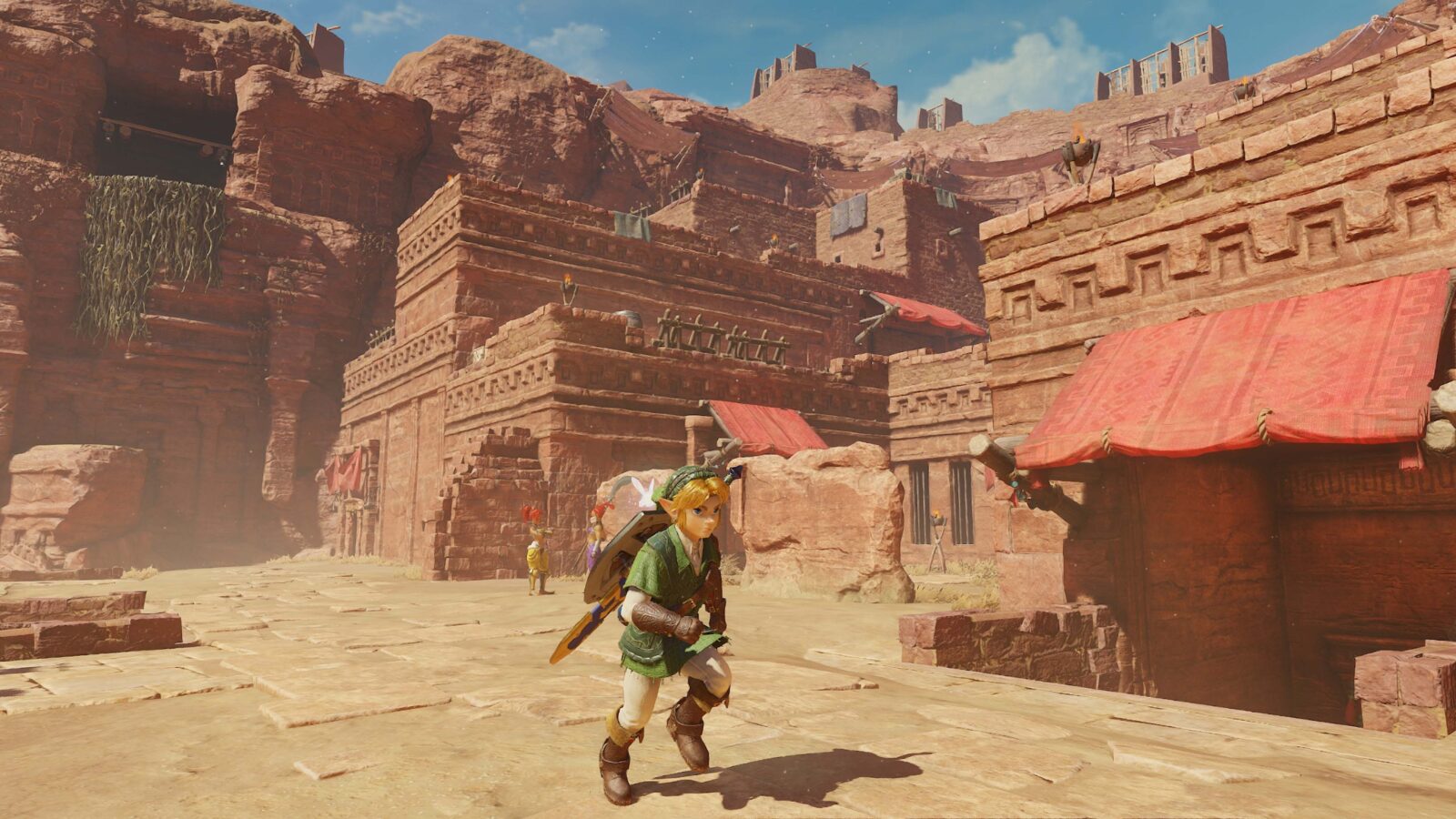
The art direction carries a soft, painterly warmth that makes the world feel lived-in rather than polished to a plastic sheen. Kokiri Forest, the volcanic slopes around Death Mountain and the open sweep of Hyrule Field all have a distinct mood, and the dungeons lean properly into eerie when they need to. What impressed me most is how much character lives in the small stuff. Bombchus are now styled like clockwork wind-up toys, Link visibly breathes and moves his fingers when he plays the ocarina, and cut grass settles back into the scenery naturally instead of vanishing in a puff. On the technical side, the game holds a steady 60 fps almost throughout, whether docked or handheld, which matters a lot for a game this reliant on timing your sword swings and sidesteps.
Audio gets the same level of care. Koji Kondo’s original score has been re-recorded with a small ensemble of live musicians, and hearing those melodies played by real instruments gives familiar tracks more warmth and texture without losing their identity. Combat sounds have real punch, with blades ringing off Link’s shield and Gold Skulltulas landing with a satisfying thud when you knock them loose. Navi and the supporting cast are now voiced, and the performances go deliberately big and theatrical, which suits a fairy-tale world better than restraint would. Link stays silent, but his facial animation does the heavy lifting, and I was surprised by how much personality a raised eyebrow or an excited glance can carry. Cinematic framing of key story beats also gives the narrative more emotional weight than the N64’s limited cutscenes ever could.
Movement that finally matches the ambition
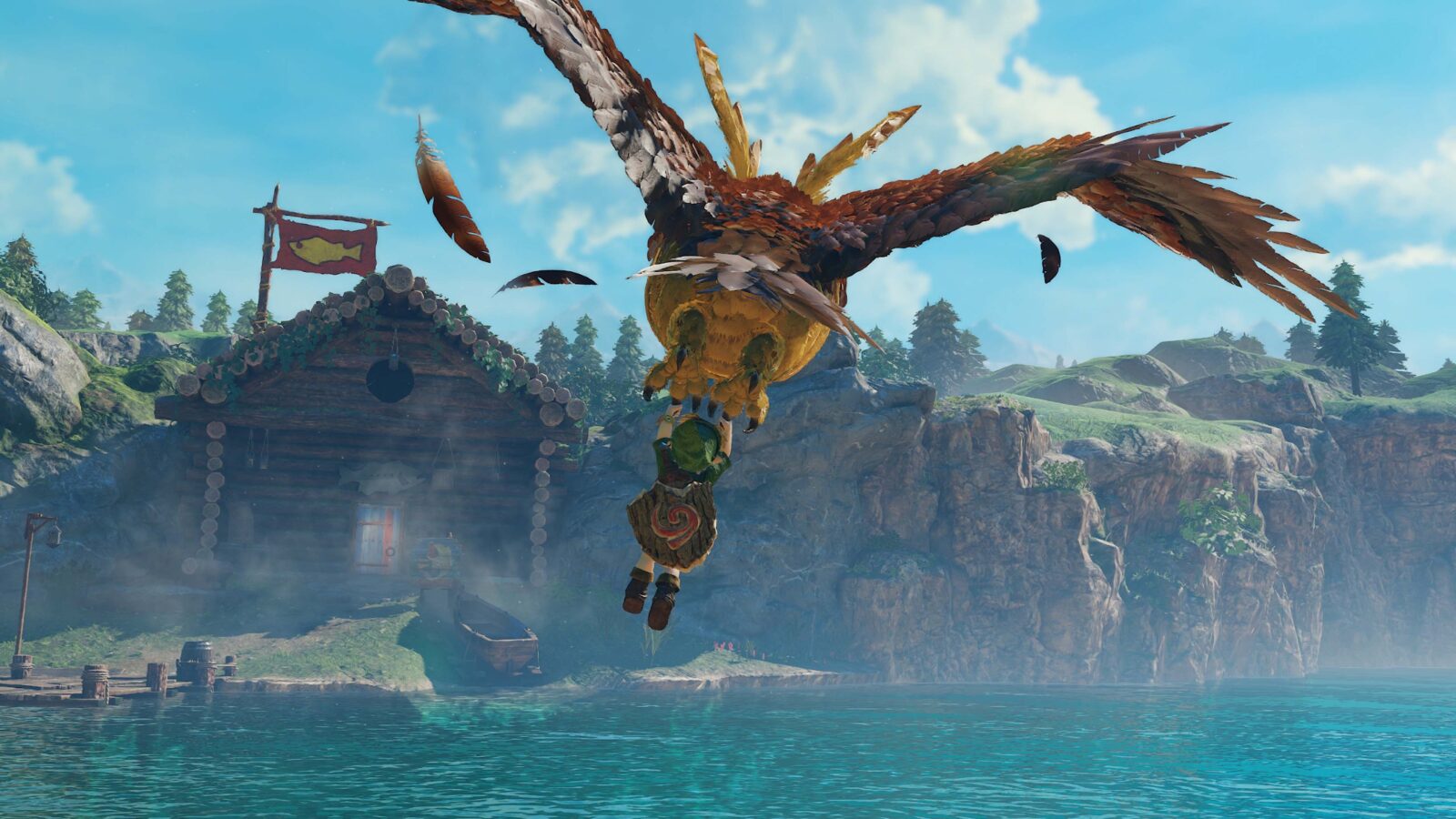
The single biggest improvement in this Ocarina of Time remake is how Link moves. He can now dash and jump on command rather than relying on the old automatic ledge leap, so platforming that once demanded careful alignment becomes quick and precise. Climbing is still restricted to clearly marked surfaces, which keeps the dungeons’ intended routes intact while borrowing the responsiveness of the newer games. The result is that even mundane errands, like crossing a narrow walkway or hopping between platforms, feel good in a way they simply didn’t before. For players coming from Tears of the Kingdom, the controls will feel immediately natural.
Item use benefits even more. Equipment like the slingshot and bow is now aimed from an over-the-shoulder third-person view, with optional motion controls, and you can move while aiming. That turns tools that were once situational into genuinely useful weapons, and I found myself reaching for ranged options far more often than I ever did on N64. Small systemic touches from modern Zelda also appear in sensible places. Wander into Death Mountain Crater unprepared and Link visibly struggles with the heat until his tunic catches fire, replacing the old abstract countdown timer with something you can actually see. It is a minor tweak, but it shows how carefully Nintendo blended new ideas into an old framework.
Combat is crunchy, readable and a little too forgiving
Swordplay still revolves around Z-targeting-style focus, reading an enemy’s pattern, dodging and punishing the opening. Each foe behaves like a small puzzle: you learn when a Stalfos is vulnerable after a leap, or how a Wolfos commits its whole body to a claw swipe and leaves itself exposed. Link’s quick sidesteps and backflips give you a lot of control, and hits land with a bright, chunky impact that makes encounters satisfying. The variety of enemy types across Hyrule keeps things from getting stale, even when you’ve figured out how to deal with each one. A new Hall of Fallen Foes adds a collectible hook, displaying statues of defeated enemy types and letting you rematch tougher ones, which scratched my completionist itch nicely.
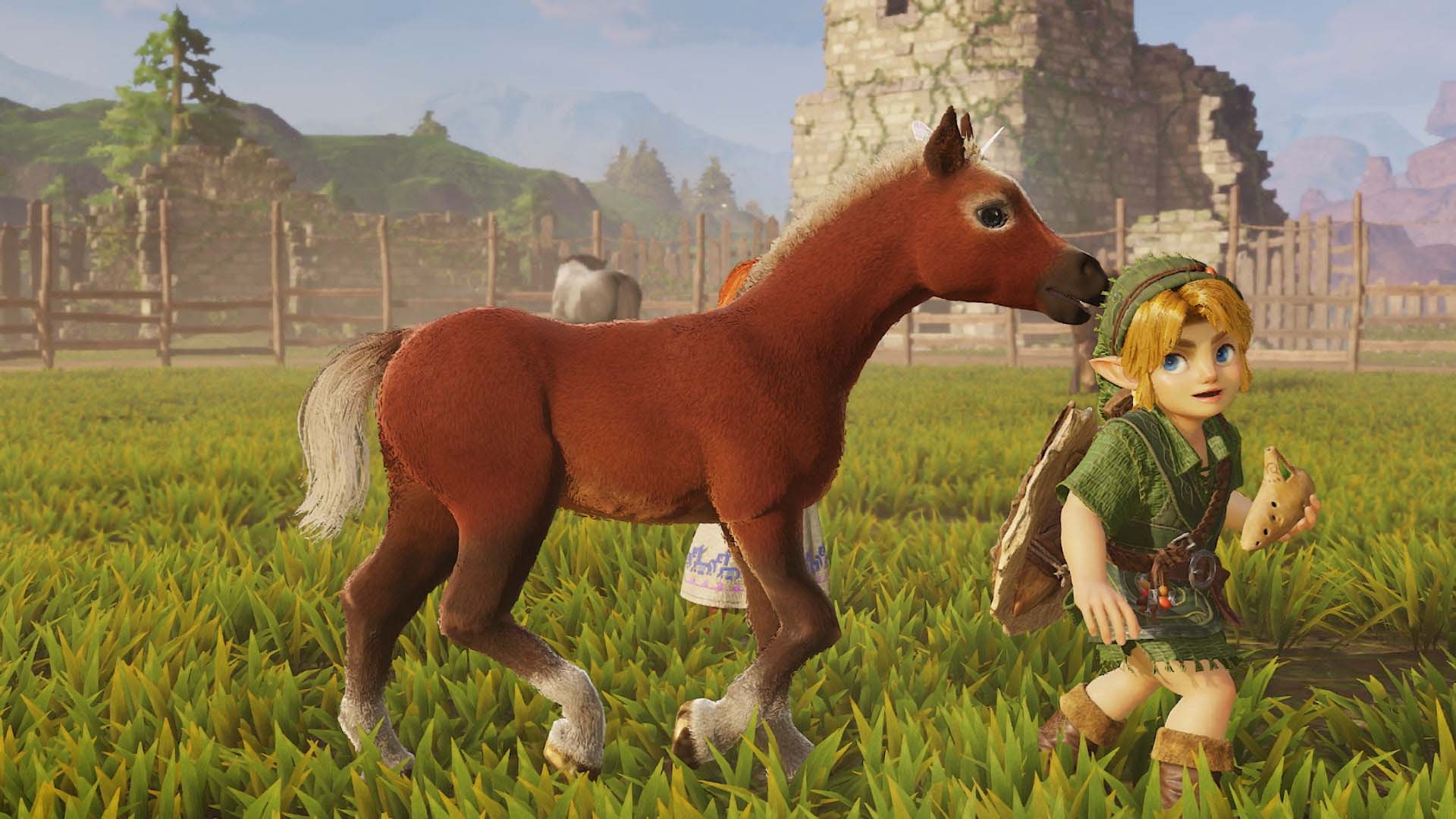
The catch is difficulty. Enemy counts and behaviour are still rooted in 1998 design, which was built to teach players how to fight in 3D for the first time, while Link now controls far better than the game around him expects. I enjoyed most fights, particularly cramped encounters against two enemies at once, yet I rarely felt in genuine danger. The same applies to side activities: archery ranges, races and similar minigames become much easier with motion aiming, free camera control and improved movement. A Hero Mode, which other recent Zelda releases like Skyward Sword HD, Link’s Awakening and Echoes of Wisdom offered at launch, would have balanced this out. Its absence also undermines one of the remake’s new items, Business Scrub Seeds, which summon a merchant anywhere so you can restock. With hearts and supplies this plentiful, I never needed them, and finding one in a hidden chest felt more like a consolation prize than a reward.
A compact world that rewards curiosity
Where the Ocarina of Time remake really shines is its world structure. Hyrule is dense and tightly connected, so returning to old areas with new gear never feels like a slog. You’ll pass suspicious cracked walls and unreachable ledges long before you have the tools to deal with them, and coming back later to cash in on that knowledge is one of the most satisfying loops in the series. Once you have Epona, crossing Hyrule Field becomes a joy, and warp songs plus clever shortcuts stitch distant regions together neatly. This is a very different kind of freedom from Breath of the Wild’s open sandbox, but it has its own rhythm, and I’d argue it’s more focused.
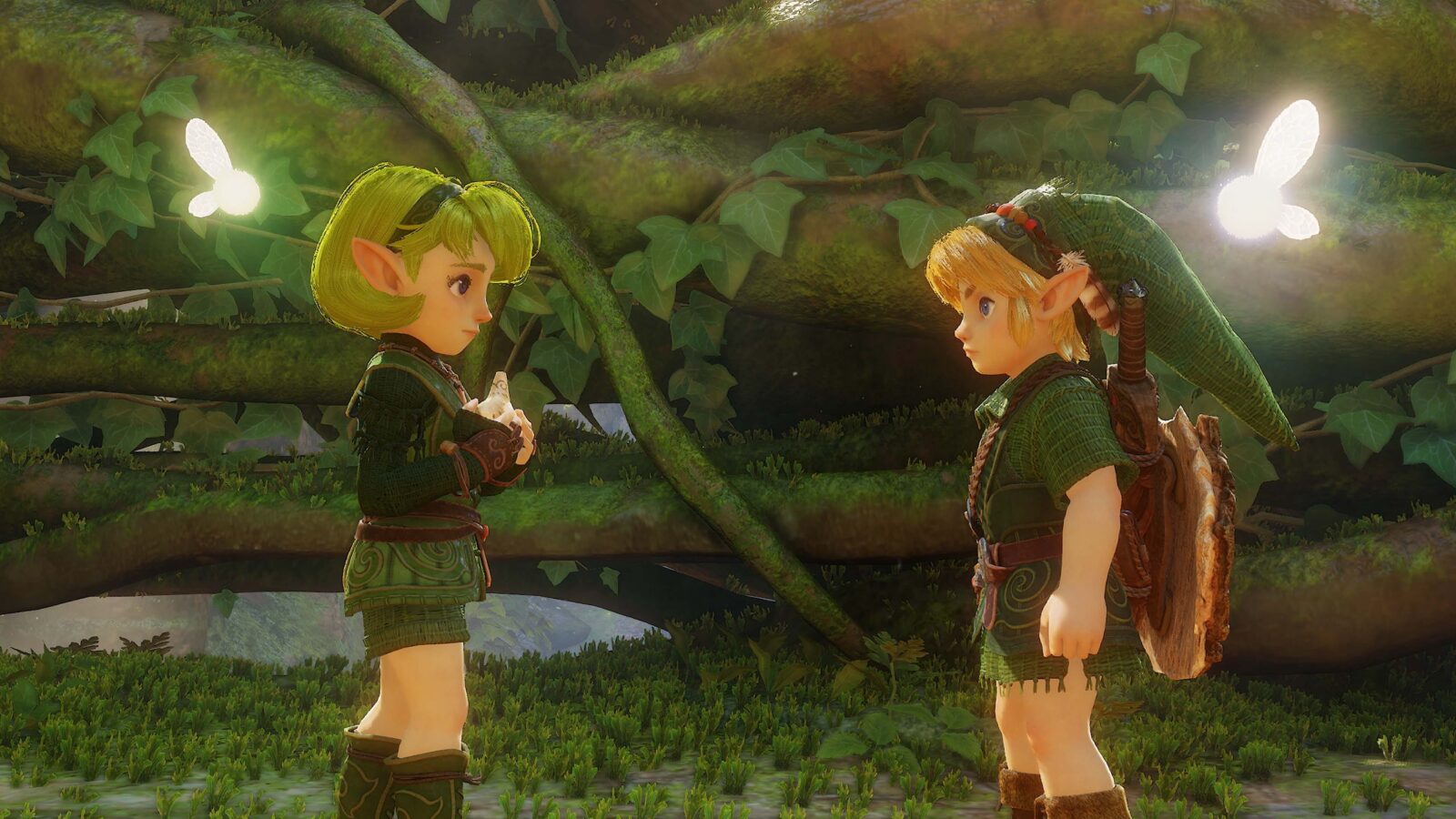
Guidance is pleasantly light. Navi rarely butts in uninvited, and the new quest log only offers broad direction rather than waypoint hand-holding, which leaves the job of figuring out the next step largely to you. That puts real weight on talking to people, and Hyrule’s residents are generous with rumours, requests and odd confessions that point you toward main quests, side quests or just a good laugh. Expanded dialogue means characters react to the latest story developments, and time now passes in towns, so NPCs follow simple day-night routines. Those routines are basic, mostly shifting people between daytime and evening spots, but they made towns feel more alive, and I enjoyed checking in to see what had changed. Side activities also feed into a sensible economy, since Great Fairies now charge a meaningful sum for their worthwhile magic upgrades, giving all that exploring a tangible payoff.
Classic dungeons, with a few too many signposts
The dungeons remain the heart of the game, and they are still a pleasure to work through. These are carefully constructed puzzle boxes where rooms interlock, discoveries in one wing affect another, and you’re constantly zooming out to consider the whole layout. The Forest Temple’s twisting corridors and the Fire Temple’s tense upward climb each have a distinct personality, and the balance of room-by-room puzzles, combat and larger structural thinking is still excellent. After years of open-ended physics solutions in modern Zelda, there’s something refreshing about a puzzle that has one correct answer you need to work out.
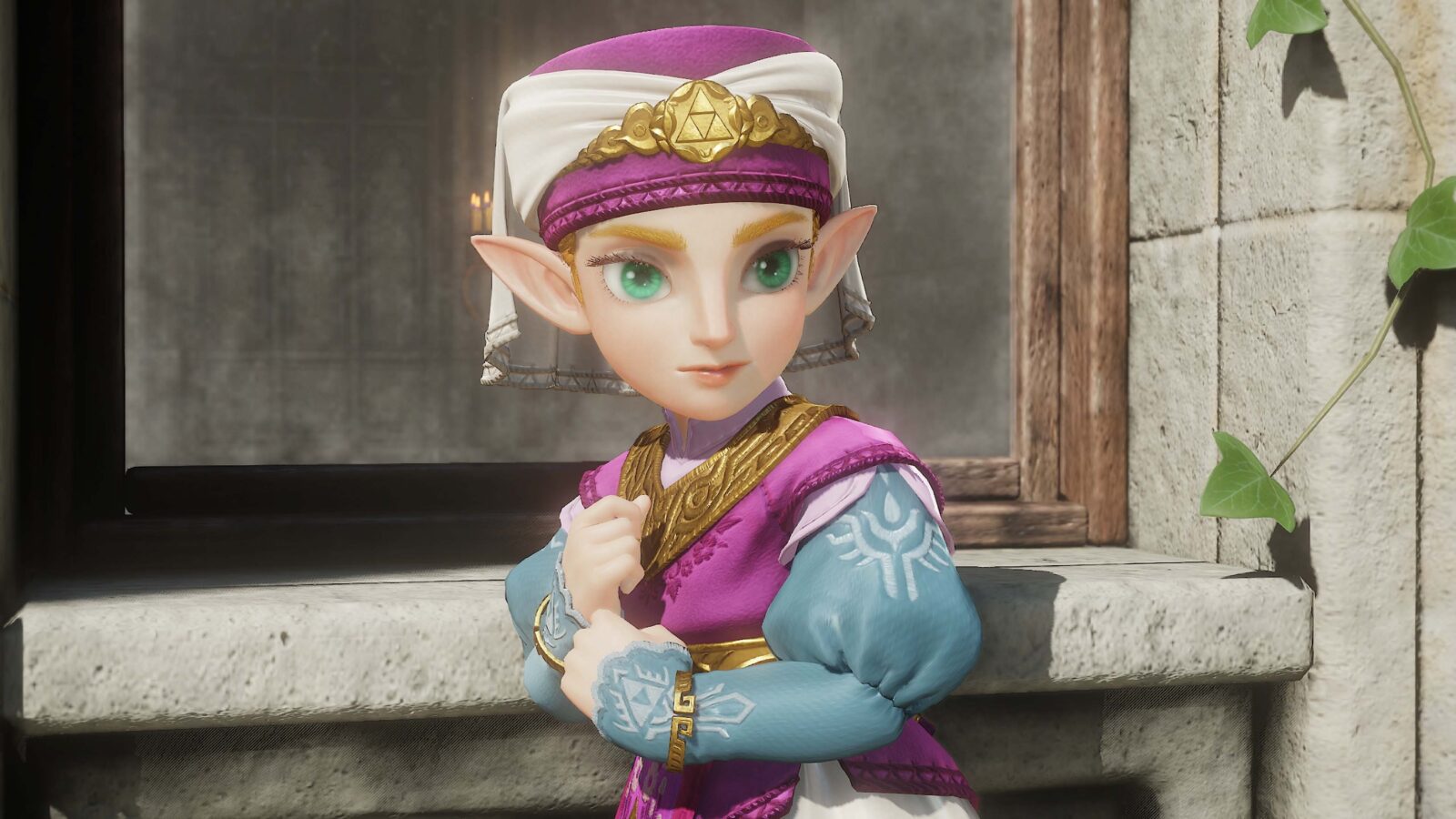
However, this is also where my biggest reservation sits. Nintendo has smoothed over long-standing pain points, but it often goes further than needed. Some locked doors now sit closer to their matching keys, which shrinks the area you need to mentally map. Several rooms with once-obscure solutions now feature blatantly obvious answers, occasionally with literal railings steering you toward them. Spots that used to require realising you needed the hookshot now display its unmistakable target marker, reducing the puzzle to symbol recognition. The infamous Water Temple has fewer small keys, and one hard-to-find key room is now optional rather than part of the critical path. The temple still tests your thinking as you manipulate water levels, and some puzzles have genuinely been improved, but the cumulative effect is fewer of those big Zelda breakthrough moments.
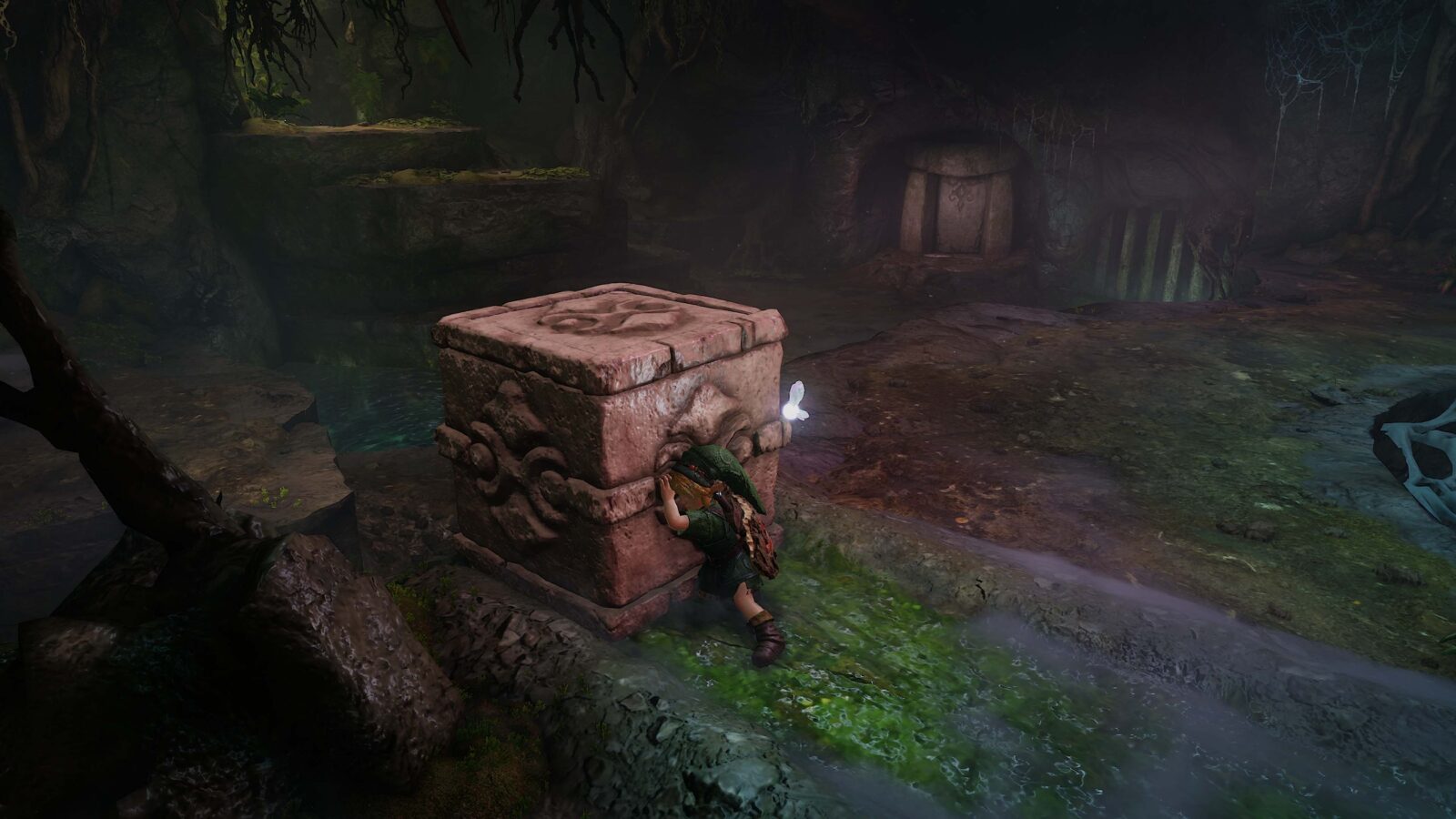
Veterans have a partial fix in Pro Mode, which strips away almost all of the interface, including the highly detailed minimap that otherwise shows chests and locked doors in each room. I’d strongly recommend experienced players turn it on from the start, as it restores some of the navigational challenge, and you can still check the full map from the pause screen. Bosses remain large, item-driven set pieces that fall quickly once you’ve cracked their weak points, which suits the new boss rush mode for anyone chasing faster times. Beloved quirks also survive, including deflecting Phantom Ganon’s attacks with an empty bottle, alongside masks that change how people talk to you, songs that trigger purely playful interactions, and hidden grottos that sometimes contain treasure and sometimes contain something delightfully pointless. The game never insists you find these secrets, which makes stumbling across them feel personal.
Verdict
The Legend of Zelda: Ocarina of Time on Switch 2 is the rare remake that works both as a respectful return for longtime fans and as a standalone adventure for players whose first Zelda was Breath of the Wild. Its biggest strengths are obvious within minutes: gorgeous art direction, a re-recorded soundtrack, expressive animation, a stable 60 fps and modern controls that make movement, aiming and combat feel better than ever. The dense, interconnected Hyrule is packed with characters, side quests and hidden surprises, and the classic dungeon design remains some of the best in the series. Its weaknesses are just as clear. The difficulty is too low for anyone comfortable with action games, a Hero Mode is sorely missed, and the dungeons are signposted more heavily than necessary, which dulls a few of their most rewarding moments. Pro Mode helps, but it can’t put back puzzle complexity that has been simplified. Even so, these are frustrations within an excellent game rather than flaws that undermine it. If you love traditional Zelda, want to see a landmark game at its most beautiful, or have never played it at all, this is an easy recommendation and one of the strongest reasons to own a Switch 2.