

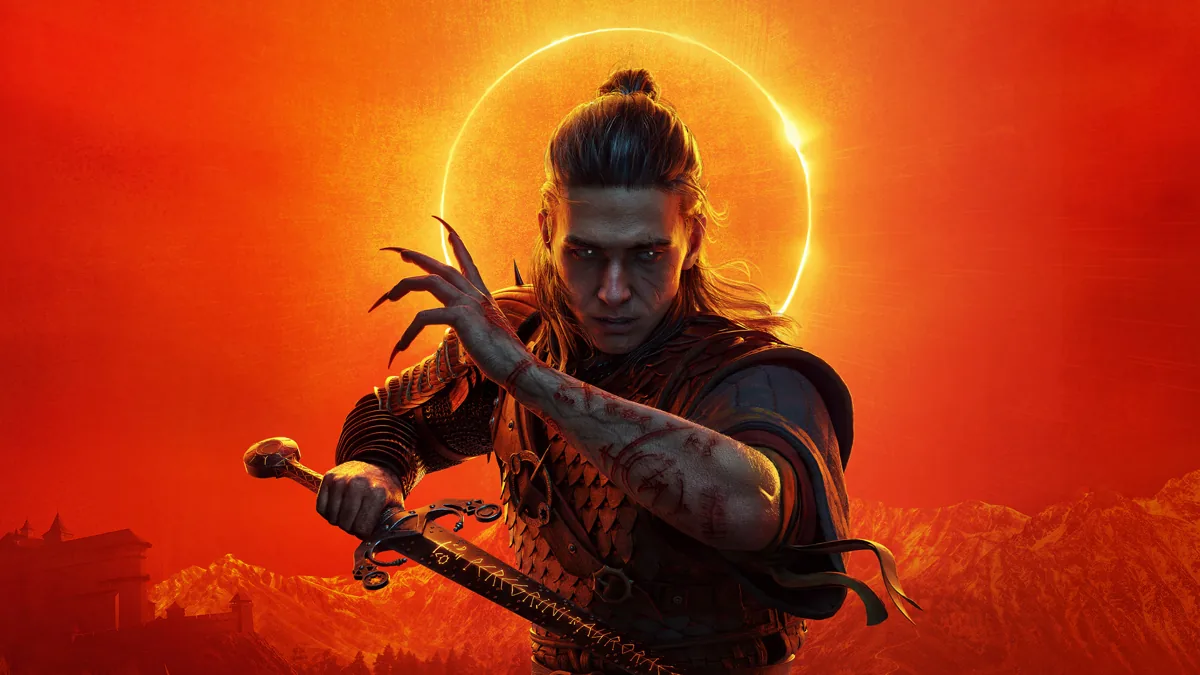
TL;DR: The Blood of Dawnwalker combines excellent vampire mechanics with a brilliant time-as-currency system that makes quests and progression genuinely consequential. Human and vampire forms dramatically change combat, exploration and character building, while strong writing gives its dark fantasy world plenty of personality. Some camera, targeting and technical issues draw blood, but they don’t drain the life from an otherwise superb RPG.
I’ve played enough vampire games to know that being one of the undead usually boils down to a familiar checklist: drink blood, avoid sunlight, acquire an unnecessarily dramatic wardrobe and brood somewhere with excellent gothic architecture. The Blood of Dawnwalker is much more ambitious. Rebel Wolves, a studio founded by former CD Projekt Red developers, has built a third-person open-world action RPG around the idea that vampirism shouldn’t merely determine what powers I unlock; it should fundamentally change how I explore, fight, build my character and approach quests. The result is an RPG that carries some obvious Witcher DNA while establishing an identity of its own through a genuinely clever day-and-night structure.
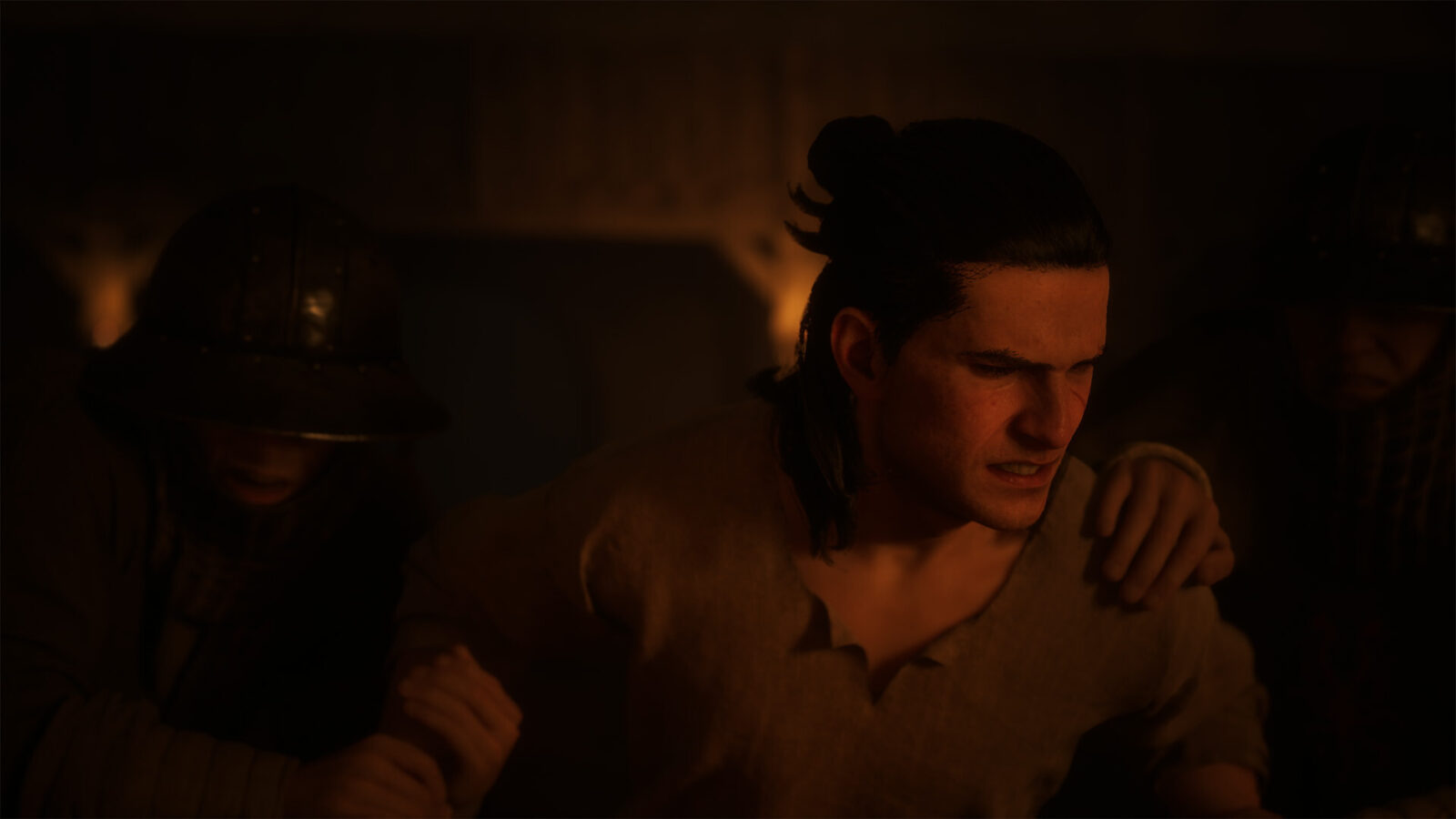
I play as Coen of Laslea, a protagonist caught between humanity and vampirism after his home is taken over by vampires and he becomes a Dawnwalker. By day, Coen remains human and relies on swords and witchcraft; after sunset, his vampiric side takes over with claws, blood feeding and supernatural traversal abilities. That split isn’t just cosmetic, either. The Blood of Dawnwalker builds quests, combat, equipment and even the passage of time around these two identities, creating an adventure where deciding when to do something can be every bit as important as deciding what to do.
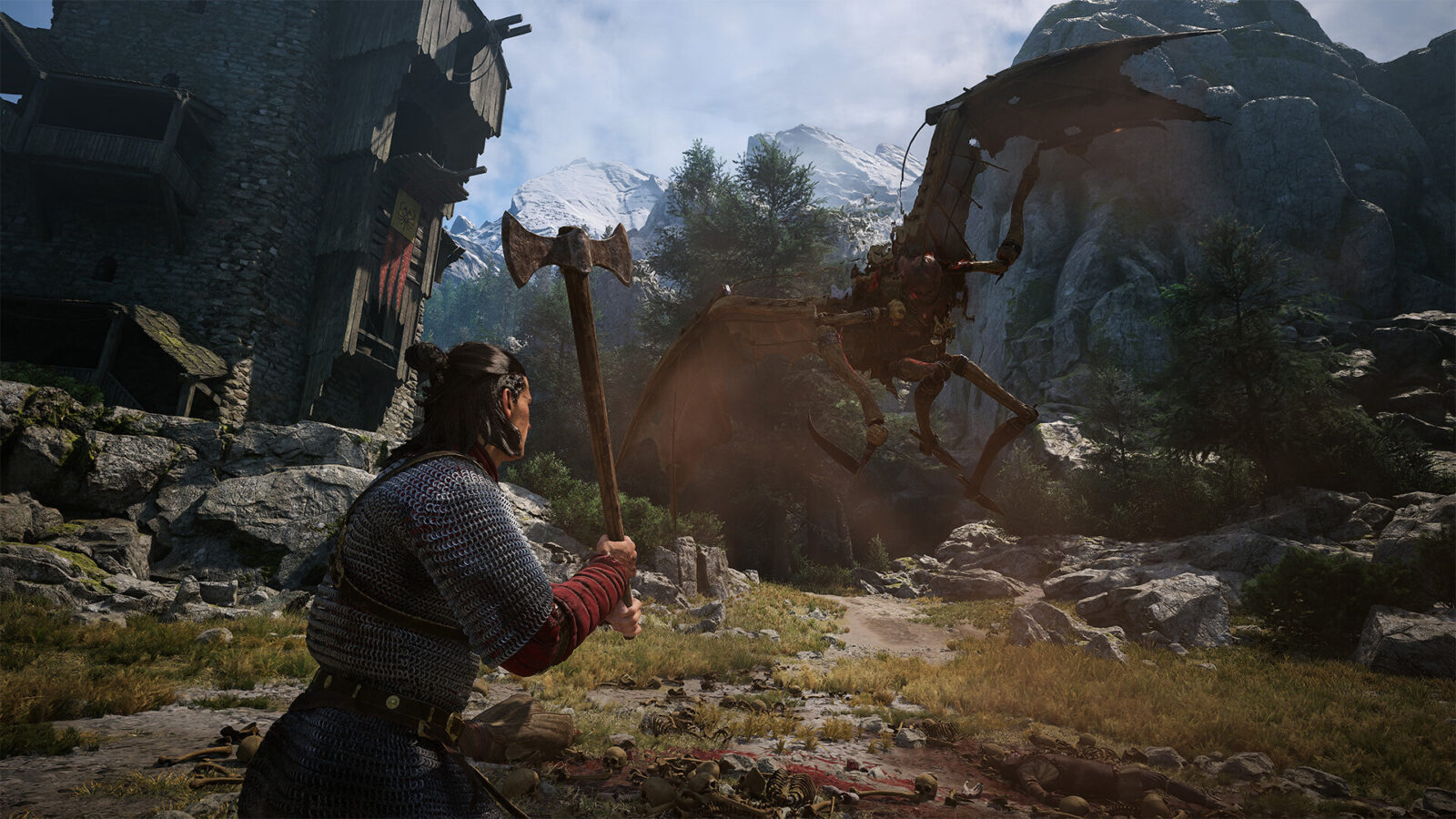
Being human and vampire feels like playing two characters
The day-and-night system is easily The Blood of Dawnwalker’s defining mechanic. During daylight hours, Coen fights primarily with conventional weapons alongside witchcraft, uses food and medicine to recover health and traverses the world like a relatively normal human being. Night turns him into something considerably more interesting: food becomes useless, blood becomes his source of healing, claws replace much of his conventional combat and supernatural abilities dramatically expand how he can move around the environment.
What makes this interesting is that I effectively have two builds to consider rather than one character who simply gains a few extra abilities after sunset. Equipment and abilities can be configured around the strengths of each form, with the game automatically handling the transition instead of forcing me to manually rearrange my inventory twice every day. It scratches that wonderful RPG itch of constantly tinkering with builds, except now there are two versions of Coen demanding attention. Apparently becoming half-vampire doesn’t simplify your life; it doubles the number of spreadsheets.
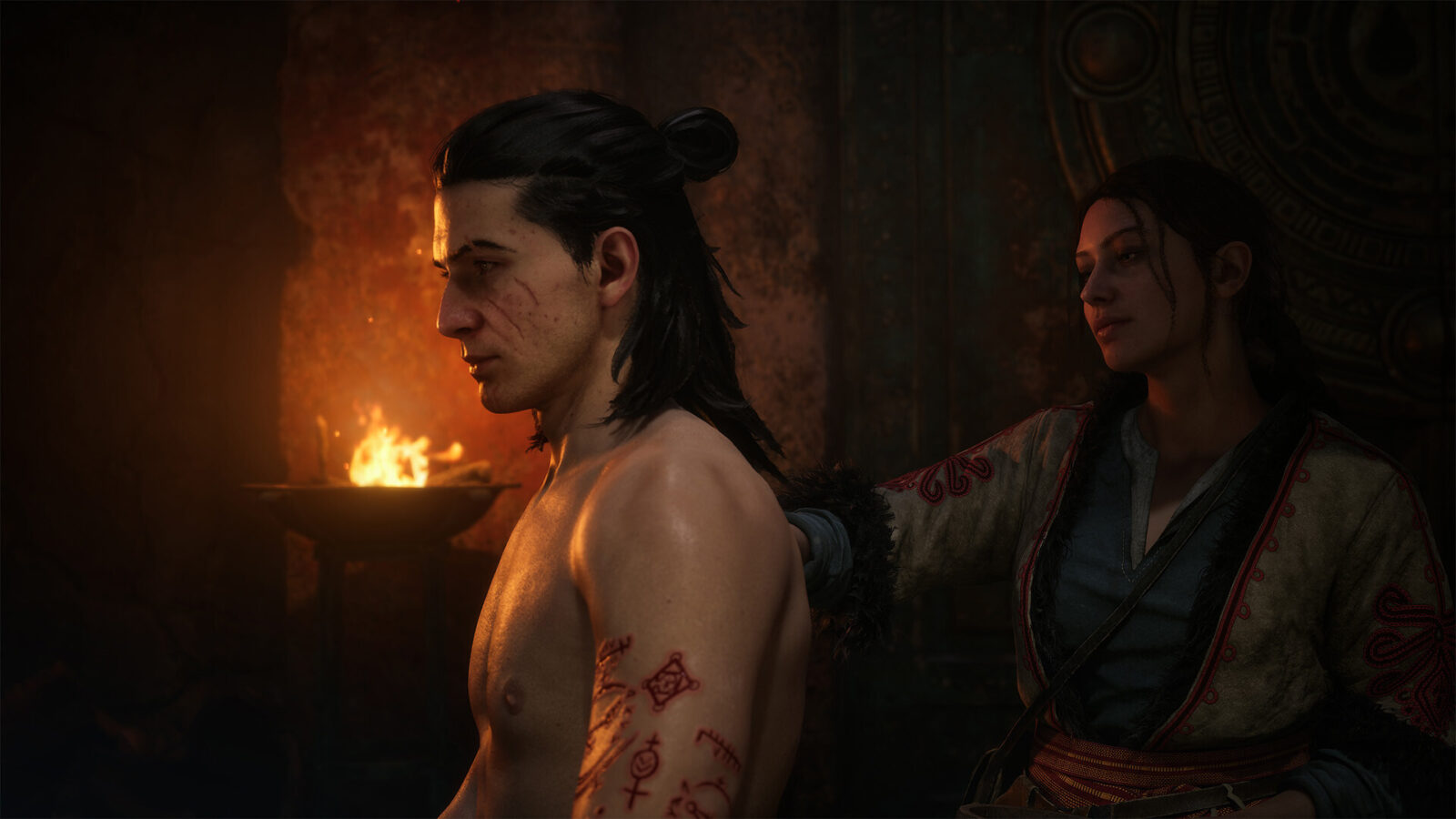
The world genuinely changes after sunset
The transformation also changes how I interact with Vale Sangora rather than merely altering my combat statistics. Certain activities depend on which form I’m using: Coen’s vampiric mobility can provide access to places that his human body cannot easily reach, while other activities specifically require his human abilities. NPC reactions and quest possibilities can also change depending on when and how I approach them.
That makes switching forms feel mechanically meaningful because nighttime isn’t simply daytime with the brightness slider turned down. Vampirism can open possibilities while simultaneously creating new complications, including Coen’s need for blood and the consequences of interacting with people while that hunger becomes dangerous. It gives the traditional videogame day/night cycle actual teeth — yes, that pun was inevitable — because I have reasons to think about the state I’m in before wandering into a situation.
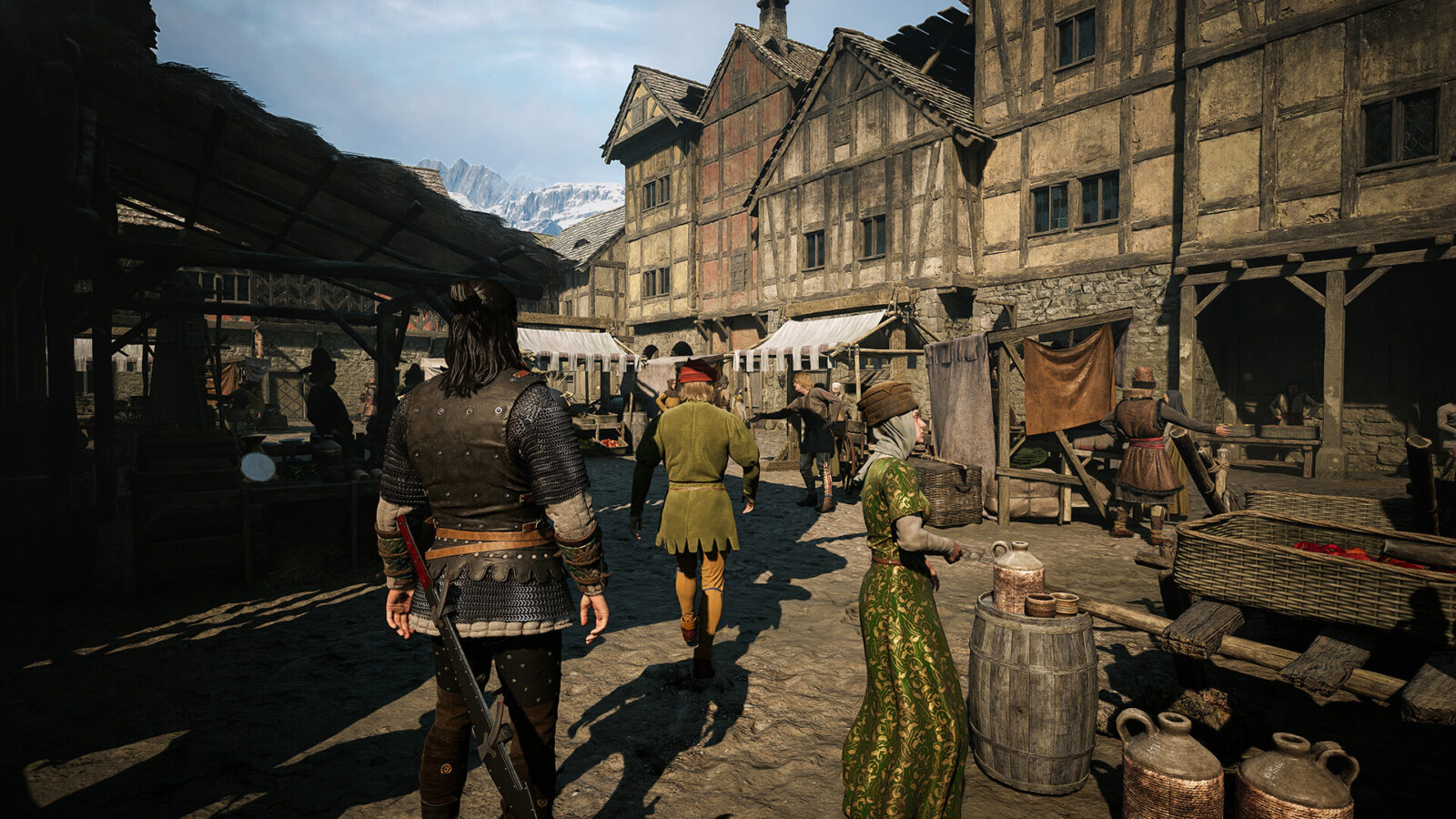
Time is The Blood of Dawnwalker’s most ruthless resource
The more fascinating system, however, is the actual passage of time. After the opening chapter, Coen has 30 days to bring Brencis’ rule to an end, but this isn’t Majora’s Mask with an enormous clock constantly bullying me from the corner of the screen. Exploring doesn’t automatically consume that precious resource. Instead, specific actions advance time, effectively turning hours into a currency that I have to spend deliberately.
That single decision transforms how I think about traditional RPG busywork. Learning certain skills costs time in addition to skill points, while helping someone can consume hours that could have been spent pursuing something more important. I can’t simply vacuum every quest marker from the map like an open-world Roomba and assume the universe will patiently wait for me. The game forces prioritisation, and suddenly helping a random villager isn’t merely a question of morality or XP; it’s a question of whether that person deserves part of the most valuable resource I have left.
Not seeing everything is part of the design
I’m usually the kind of RPG player who dislikes leaving unexplored markers behind. There’s always that irritating little voice insisting that the suspicious cave three kilometres in the opposite direction might contain a sword I’ll replace fifteen minutes later. Dawnwalker’s finite timeline deliberately fights that instinct because completing everything in a single run isn’t really the point. The time restriction forces compromises between side quests, character progression and pursuing the larger objective.
More importantly, those choices can have substantial consequences. Characters and storylines can be missed entirely, while different actions unlock different possibilities later in the adventure and contribute towards alternate endings. The supplied material describes dramatically different subsequent playthroughs uncovering content absent from the first run, including an intentionally direct rush towards the conclusion that produced another outcome entirely. That gives replayability an actual narrative purpose rather than simply offering New Game Plus and asking me to collect everything again with larger numbers.
Vale Sangora is full of people worth remembering
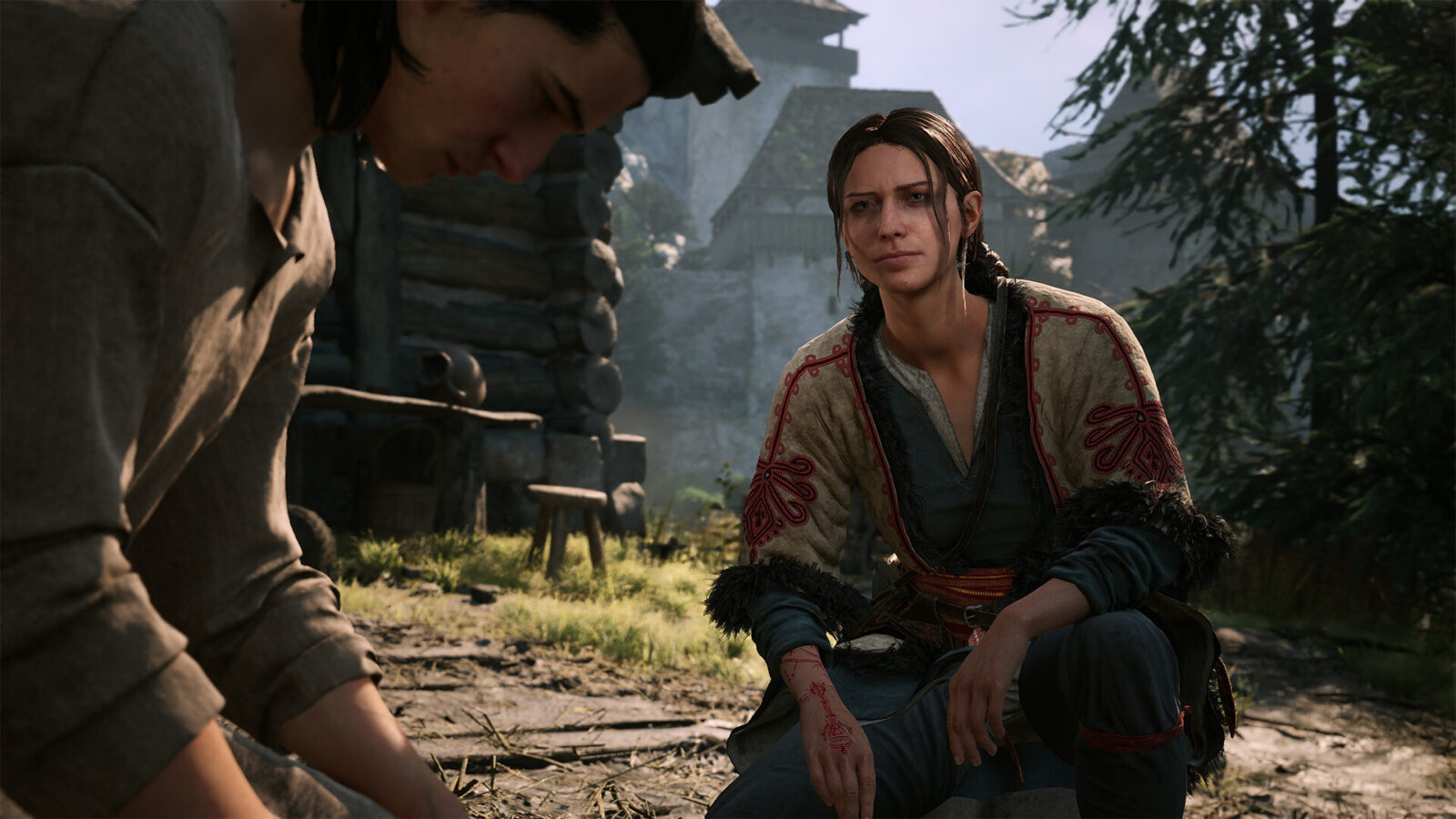
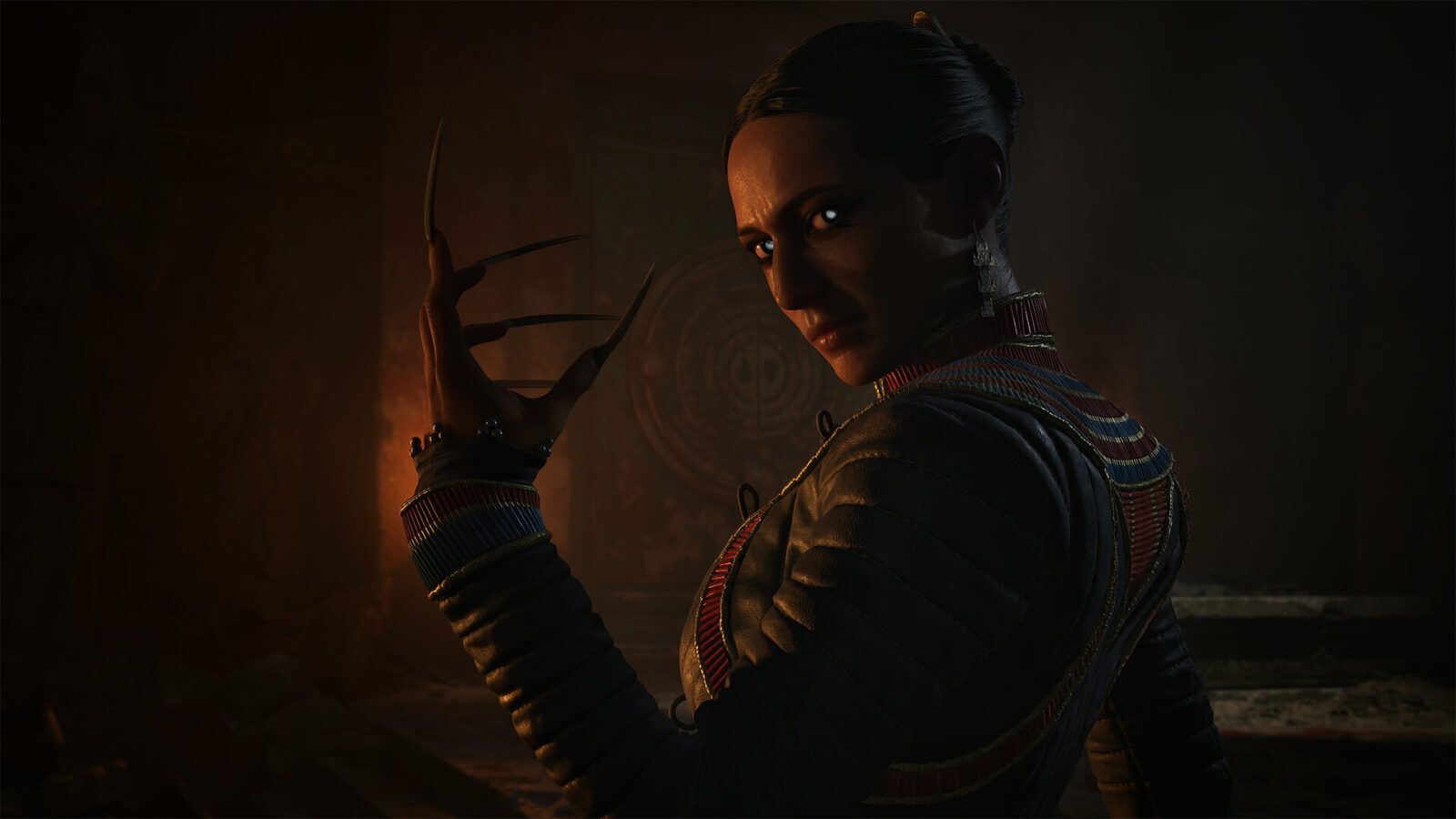
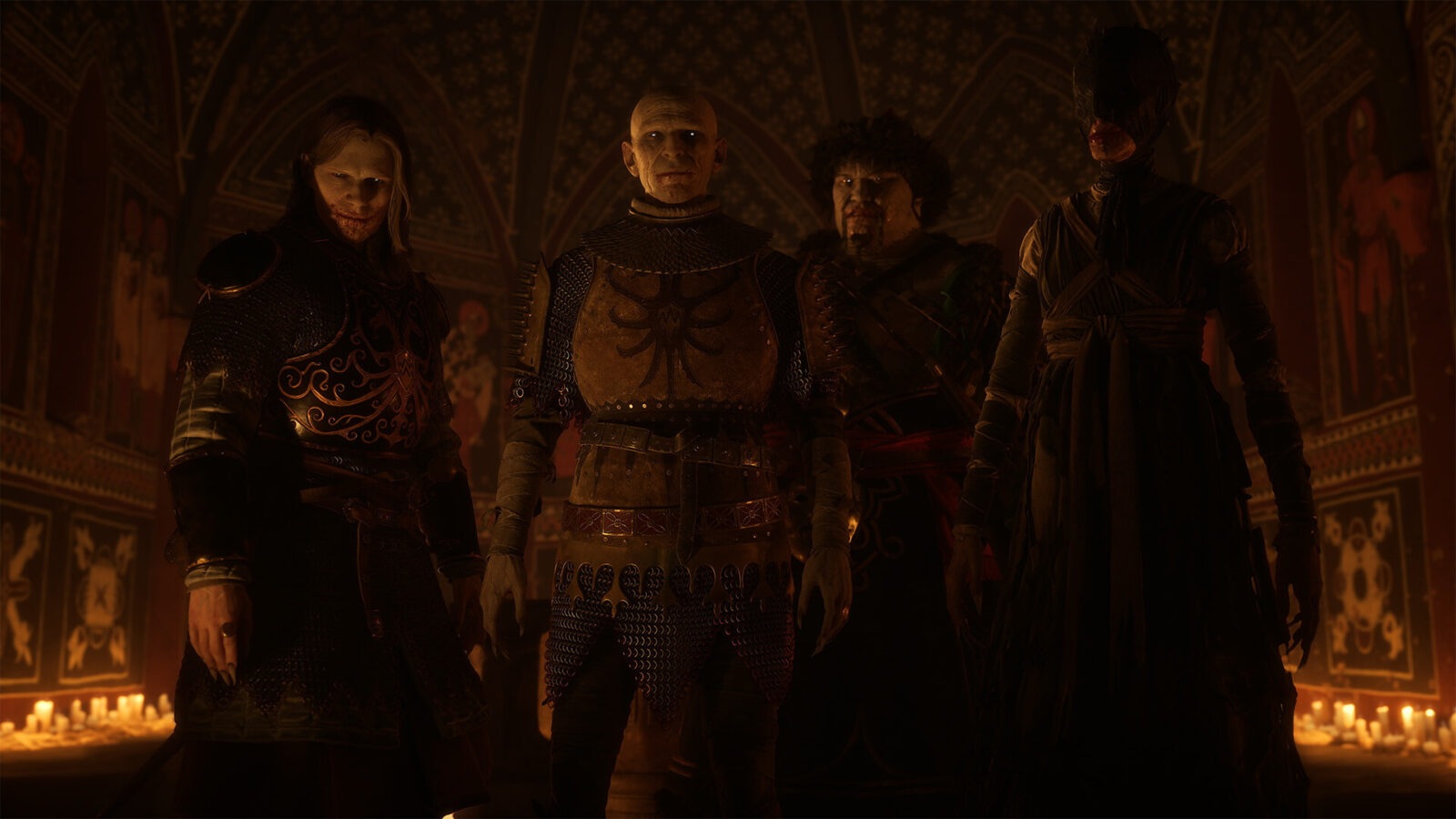
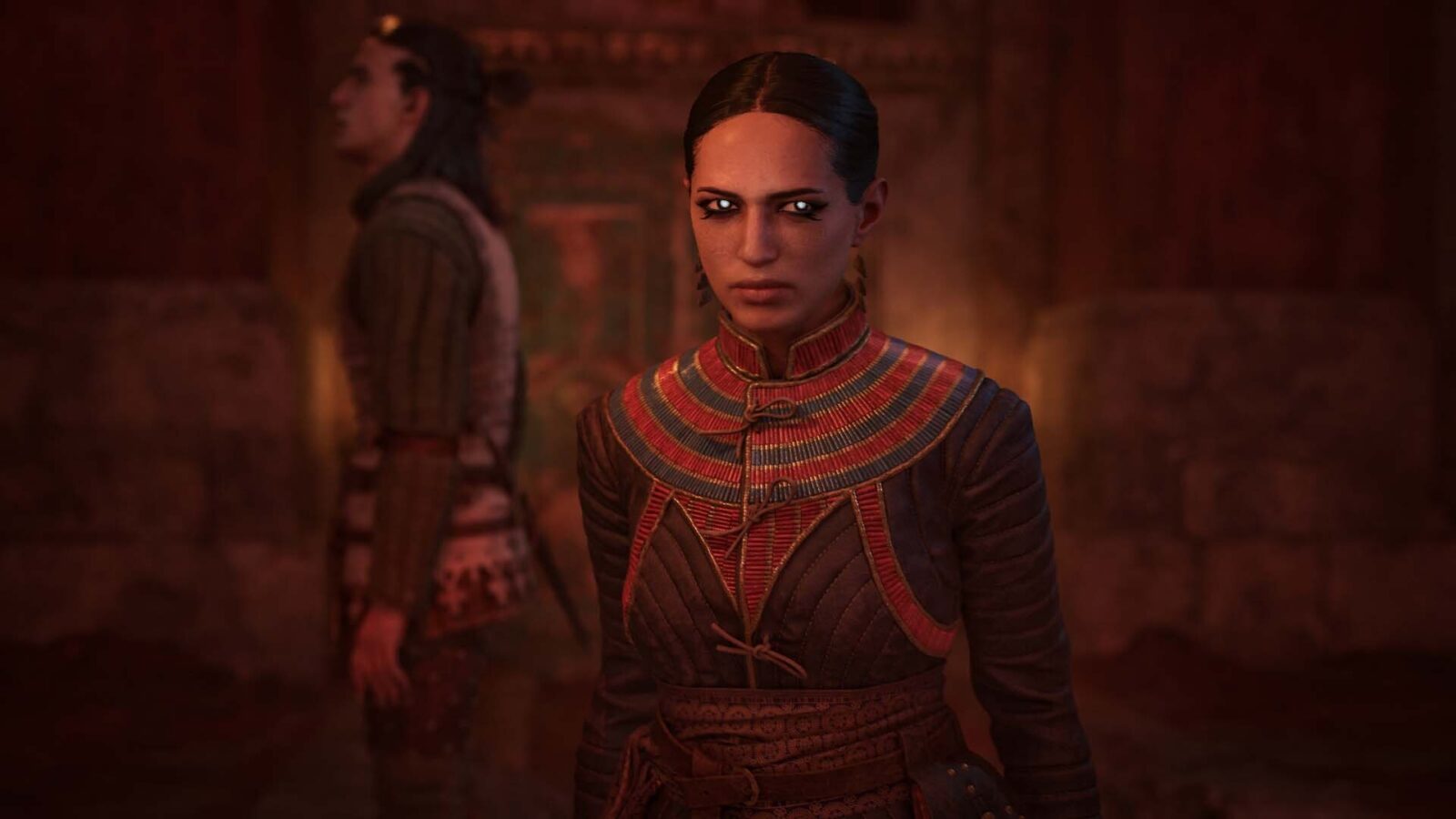
A great RPG needs more than clever systems, and The Blood of Dawnwalker surrounds Coen with characters who aren’t conveniently divided into glowing GOOD and EVIL folders. Anca, a witch who teaches Coen magic, rebel leader Crake and allied vampire Lacra represent very different personalities and moral positions, while antagonists such as Brencis and Ambrus aren’t presented merely as creatures waiting for me to reduce their health bars to zero.
The vampire occupation itself creates some surprisingly uncomfortable questions because the people opposing Coen aren’t universally incompetent monsters and the people helping him aren’t universally heroic saints. That’s much more interesting than another straightforward humans-good-vampires-bad storyline. When an RPG can make me understand why someone believes something reprehensible without requiring me to agree with them, the writing is doing useful work. Moral ambiguity is far more effective when it emerges from convincing characters rather than a dialogue wheel labelled “be nice” and “commit war crime.”
Combat demands more than hammering the attack button
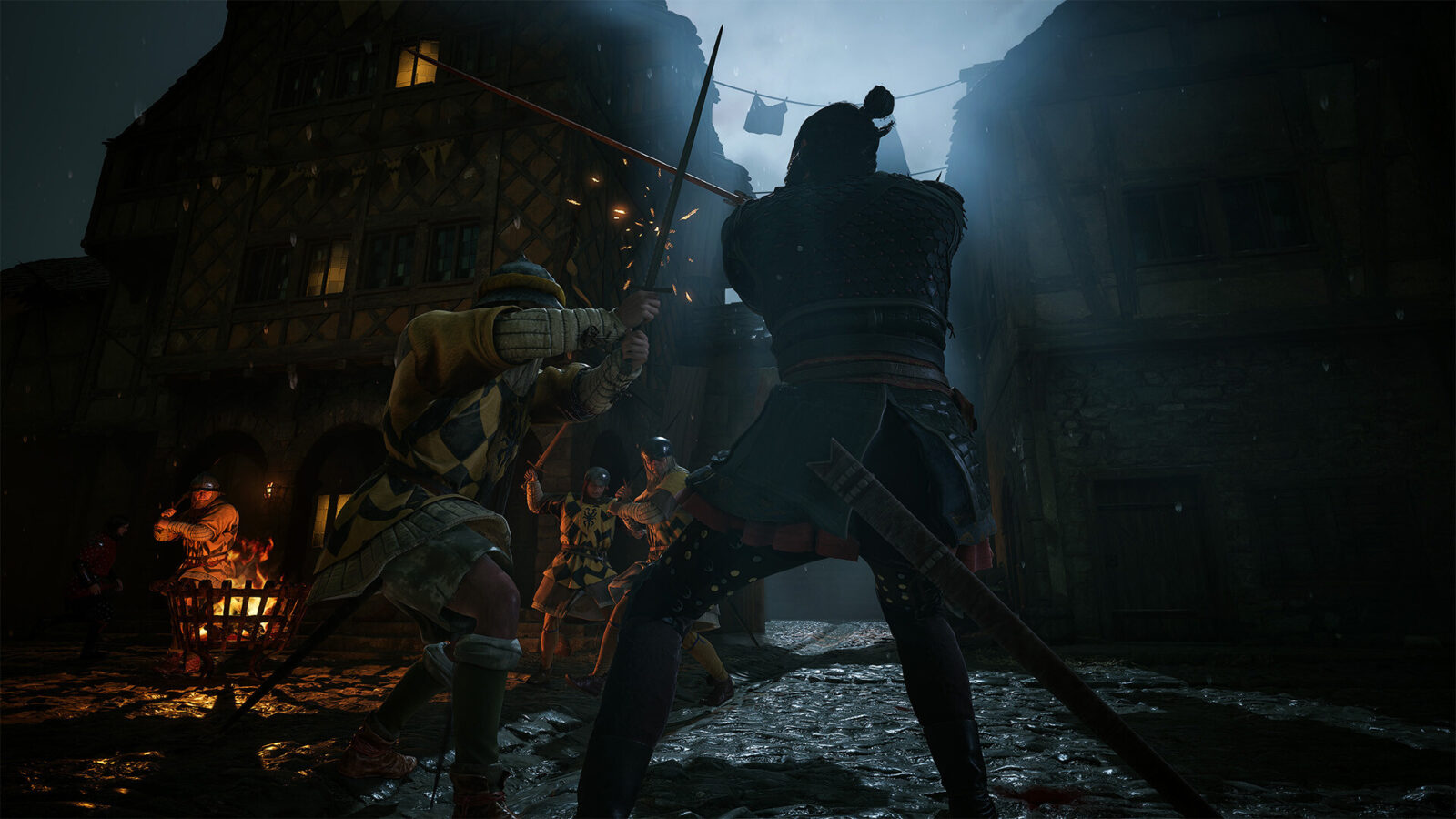
Combat is built around directional defence, with incoming attacks requiring the correct parry direction if I want to create the best opportunities for retaliation. Standard blocking remains available but consumes stamina and doesn’t provide the same offensive advantage, making parrying an important part of becoming genuinely effective in fights. It’s a system that inevitably brings For Honor to mind, although it’s wrapped inside a broader action-RPG structure of standard attacks, weapon-specific manoeuvres and cooldown-based abilities.
The trade-off is a steeper learning curve than anyone expecting straightforward Witcher-style swordplay might anticipate. Getting comfortable with directional parries requires practice, particularly when several enemies decide personal space is merely a suggestion. The important part is that improvement isn’t exclusively determined by stats; learning the combat system itself matters. That’s exactly what I want from action-RPG combat because watching damage numbers increase is satisfying, but realising I’ve become better at fighting is considerably more rewarding.
Human and vampire combat keep fights from going stale
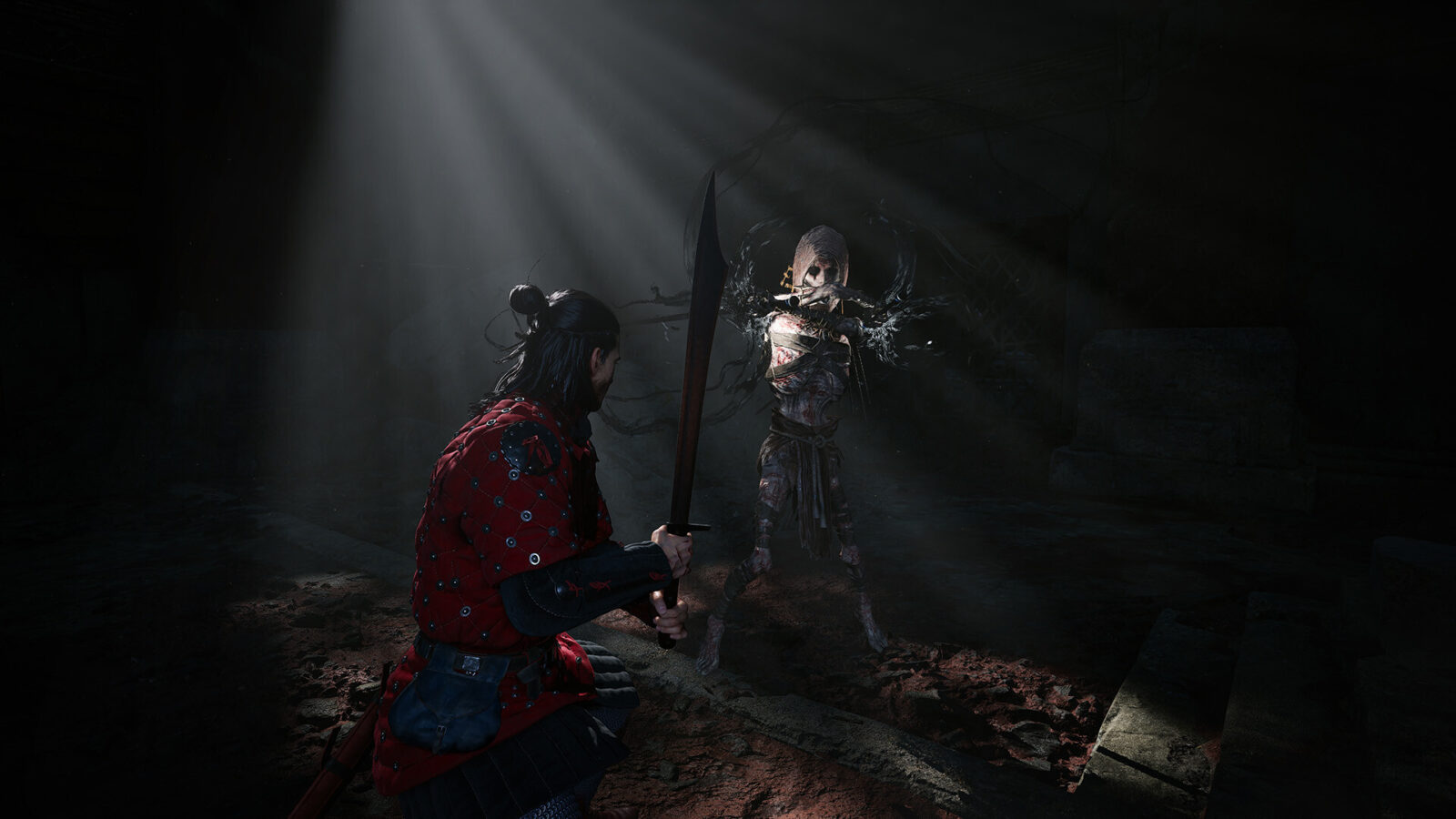
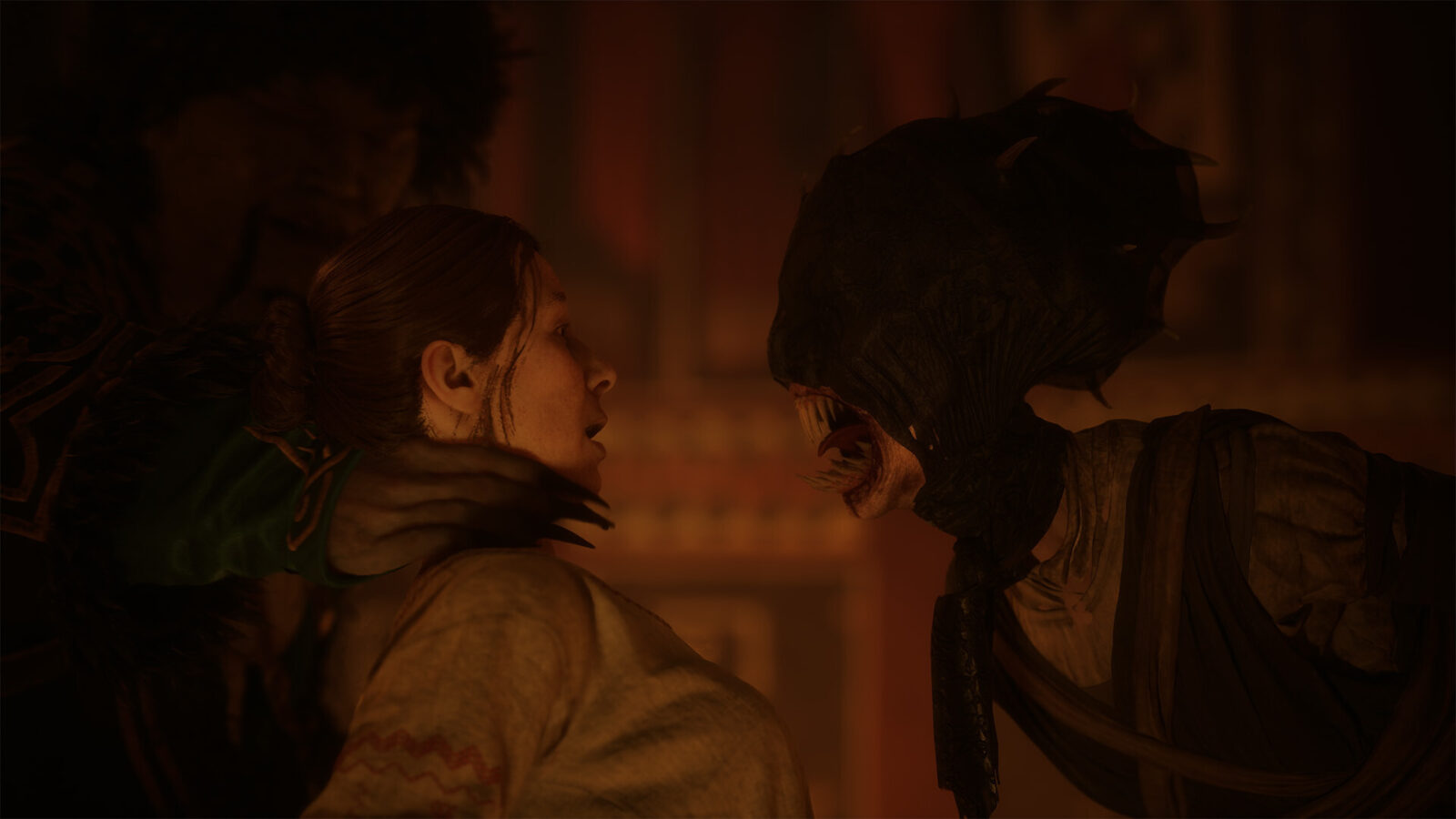
The two-form structure also helps combat avoid becoming repetitive because human Coen and vampire Coen approach encounters differently. Human abilities combine weapons with witchcraft, including spells capable of applying debilitating effects at potentially significant cost. Vampire Coen becomes much more physically aggressive, relying on claws, feeding and supernatural abilities such as a banshee-like shriek.
That difference encourages separate character-building strategies instead of making the vampire form an obvious upgrade that renders humanity pointless. I like that balance because one of the easiest mistakes a dual-form game can make is giving me one form that’s clearly more fun and then periodically forcing me to use the boring one. Here, the distinction is fundamental enough that both sides of Coen have their own tactical identity, and switching between them changes how I think about the next encounter rather than merely changing the colour of my abilities.
The combat still has a few fangs pointing the wrong way
The Blood of Dawnwalker isn’t completely free of combat frustrations. Target lock can struggle when I’m trying to focus on a particular enemy, while the camera occasionally finds awkward positions during fights. Neither problem destroys the combat system, but both become considerably more noticeable in a game where correctly reading an incoming attack and responding in the right direction matters.
Enemy variety also isn’t flawless. Although the broader roster provides reasonable variation, common wildlife such as wolves and boars appears frequently enough to become repetitive. It’s practically an open-world RPG tradition at this point: apparently no fantasy ecosystem can function without approximately nine million wolves volunteering to attack heavily armed protagonists. The important thing is that these annoyances sit around an otherwise engaging combat system rather than defining it.
Vampiric movement makes exploration more interesting
Nighttime Coen’s traversal abilities are another reason the two-form system works. As a vampire, he can use supernatural movement techniques including travelling as smoke, moving across walls and ceilings and transforming into a wolf. Some exploration activities specifically depend on these abilities, including reaching certain lookout locations.
That’s much more compelling than treating exploration powers as glorified keys for colour-coded doors. Tying movement directly into Coen’s identity reinforces the fantasy of becoming a supernatural predator while simultaneously changing how I perceive the environment. A structure that looks inconvenient during daylight can become an entirely different navigation problem after dark, giving the day/night cycle another purpose beyond quests and combat.
The technical side is relatively well behaved
Open-world RPG launches have conditioned me to approach technical performance with roughly the same confidence I’d approach a suspicious chest in Dark Souls. The PlayStation 5 version described in the supplied material isn’t flawless, with occasional frame-rate irregularities, camera clipping and enemies sometimes disappearing through geometry after being killed. Blurry clothing and facial textures are noted as the most recurring visual distraction.
The encouraging part is what’s apparently not happening. The supplied testing reports no hard crashes or broken questlines, with most technical problems characterised as relatively minor and infrequent. That assessment was also based on the 30fps quality mode rather than the subsequently announced 60fps performance option, so I wouldn’t draw conclusions about that mode without separate testing. Given the genre’s history of launching in states that occasionally resemble public beta tests, relatively mundane imperfections are almost refreshing.
The Witcher comparisons are unavoidable, but Dawnwalker earns its identity
There’s no escaping the obvious comparison. The Blood of Dawnwalker comes from former Witcher developers and features a scarred protagonist roaming a grim fantasy world, fighting monsters with blades and supernatural powers. Somewhere, Geralt is probably preparing an intellectual-property complaint while quietly admitting the whole thing looks familiar.
But the further I look into Dawnwalker’s systems, the less useful that comparison becomes. The human-vampire transformation, action-driven passage of time, dual character builds and quest consequences create a structure that meaningfully separates it from The Witcher 3. The resemblance gives me an easy reference point for understanding the kind of RPG Rebel Wolves has built; the important thing is that Dawnwalker doesn’t appear satisfied with simply rebuilding somebody else’s greatest hits.
Verdict
The Blood of Dawnwalker takes an immediately familiar dark-fantasy action-RPG foundation and gives it an identity through systems that actually affect how the adventure is played. Switching between human and vampire changes combat, traversal, equipment, healing and quest possibilities, while the limited 30-day structure turns time into a resource that forces genuinely uncomfortable decisions. Add a morally complicated cast, multiple possible outcomes and directional combat that rewards actual mastery, and there’s considerably more happening here than “The Witcher, but Dracula.”
There are imperfections, particularly around targeting, camera behaviour, repetitive wildlife encounters and some technical rough edges, while the directional combat’s learning curve won’t appeal equally to everyone. But those weaknesses don’t undermine the ambition behind its strongest ideas. The Blood of Dawnwalker understands that the vampire fantasy becomes far more interesting when vampirism changes the rules rather than merely giving me pointier teeth and a new skill tree. For RPG players who enjoy consequential choices, character builds and worlds that refuse to let them see everything in one obsessively completionist run, this looks like exactly the sort of adventure worth losing some sleep over.