

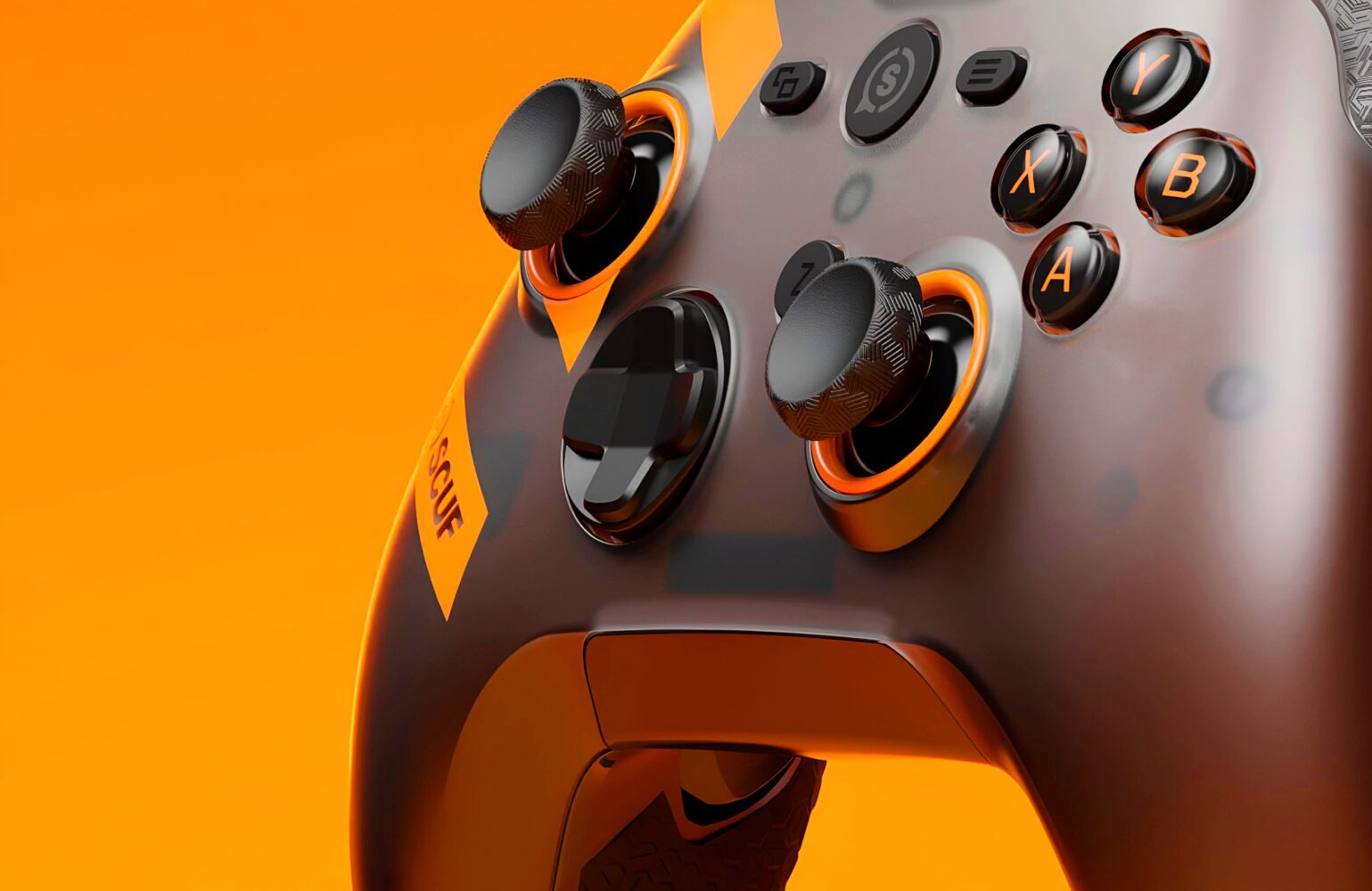
TL;DR: The SCUF Nemesis Pro 8K PC offers up to 8,000 Hz polling over both wired and wireless connections, TMR sticks, Omron mechanical buttons, an excellent hybrid D-pad, four paddles, instant triggers and up to 64 hours of battery life. It’s light, very fast and highly customisable, but at $199.99 with no rumble or charging dock, it’s best suited to serious competitive players.
PC players who use a controller hear the same complaints from the mouse-and-keyboard crowd: controllers are slow, aim assist carries you, and you’d be better off with a proper mouse. The SCUF Nemesis Pro 8K PC is SCUF’s answer, and I loved it. Its main feature is a polling rate of up to 8,000 Hz over both USB-C and a 2.4 GHz wireless dongle, which is the kind of number you normally see on esports mice. SCUF also targets under 1 ms of PC latency at 8K over wireless, which is not something you usually expect without a cable. I’ve tried more controllers than I’d like to admit, and none of them kept up with my inputs the way this one does.
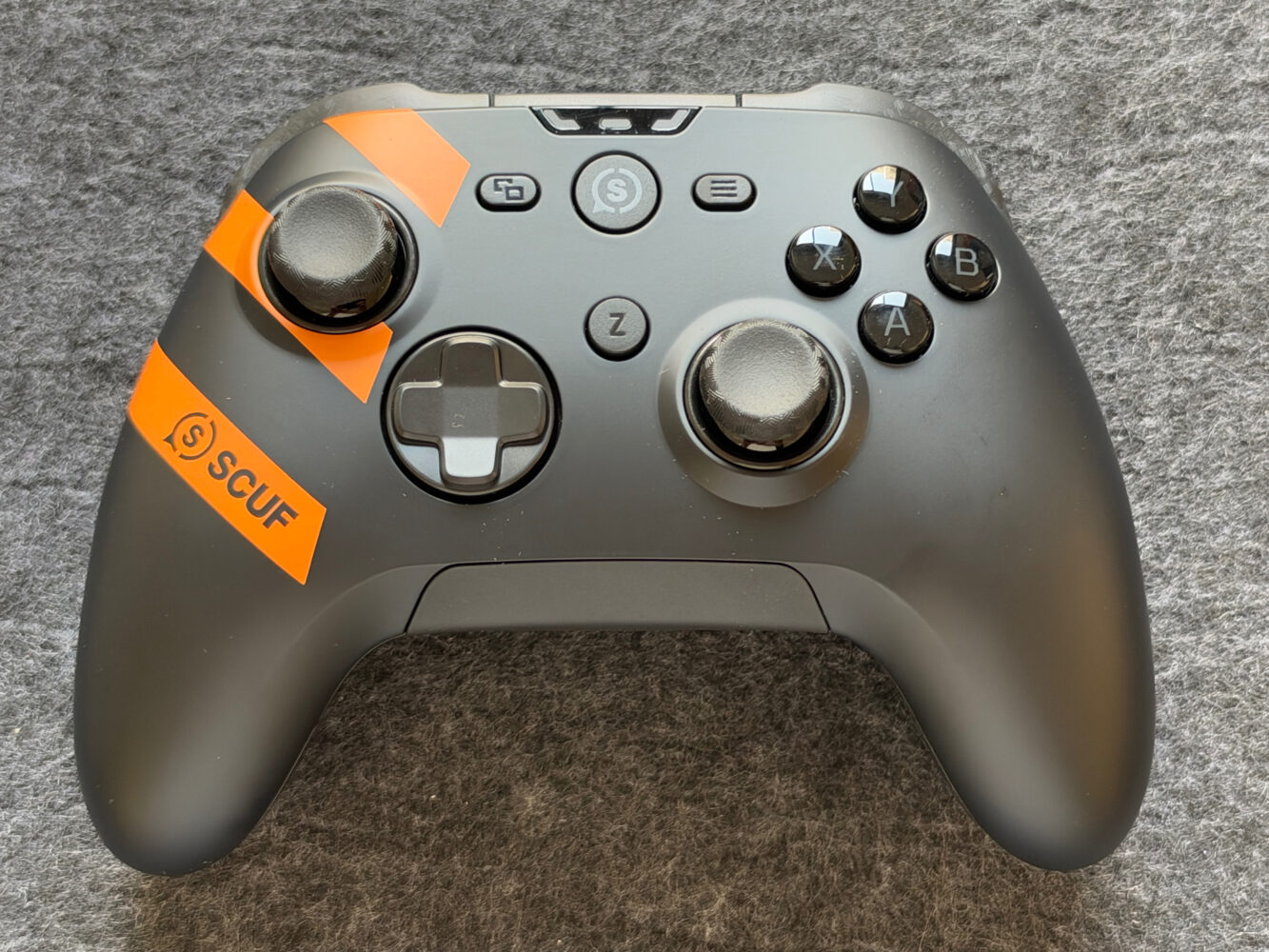
The range has two models built on the same chassis. The wireless model I’m reviewing costs $199.99, and the wired-only model costs $119.99. Both run on Windows 10 and 11, and both come with a one-year warranty. The standard colours are Steel Gray, Black, Smoke, White and Light Gray, and there are creator editions from Swagg, ZooMaa and Dekii at $139.99 wired and $219.99 wireless. SCUF built its name on Call of Duty League rosters and pro creators, and the Nemesis Pro packs that experience into a pad designed specifically for PC. It is aimed at the kind of player who cares about frame times and dead zones.
8,000 Hz explained without the marketing
Polling rate is how often the controller tells your PC what your hands are doing. At 1,000 Hz that happens every millisecond, and at 8,000 Hz it happens every eighth of a millisecond. You won’t feel each individual update, but you do notice the overall effect: aiming feels tighter and more direct, and the controller no longer seems a step behind what you meant to do. I’ve never had a gamepad feel this close to a mouse. The wireless model keeps the same configurable range from 125 Hz to 8,000 Hz as the wired one, so playing from the sofa doesn’t cost you speed.
There’s an important detail that many buyers will miss. The controller ships set to 1,000 Hz, so you need to open the companion app and turn on 8K yourself. If you skip that step, you’re paying for a feature you aren’t using. SCUF also notes that some games don’t support polling rates above 1,000 Hz, so not every title will benefit, and very high polling uses more CPU time on older systems. This is why the adjustable range is useful. You can run 8K in competitive shooters and lower it for everything else.
A PC-first chassis with smart choices and one notable omission
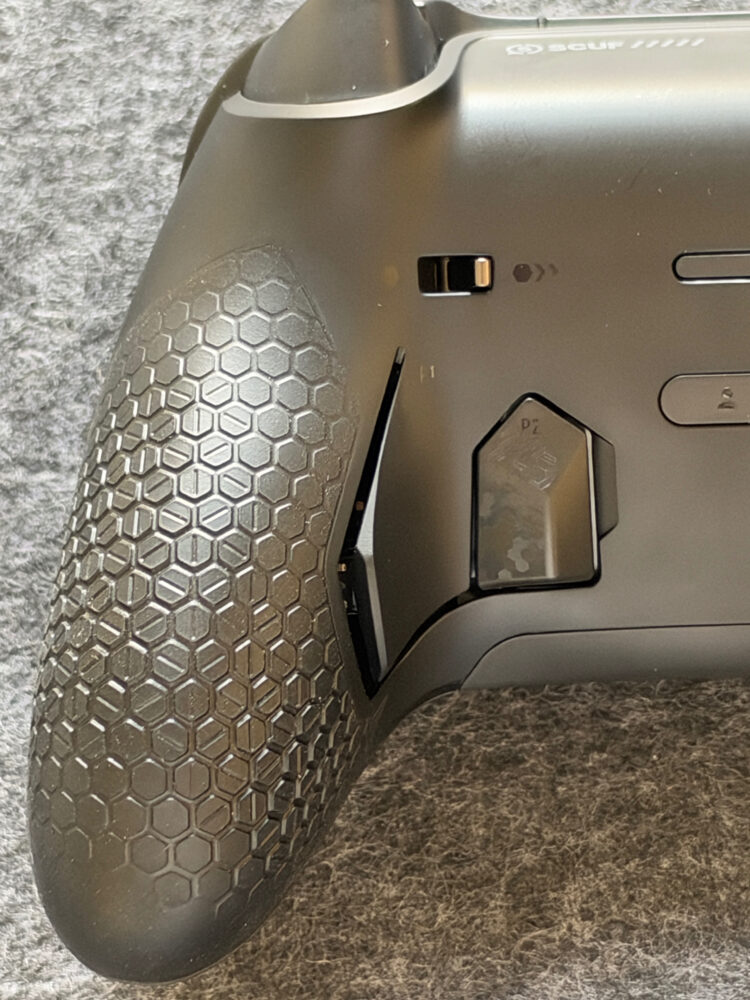
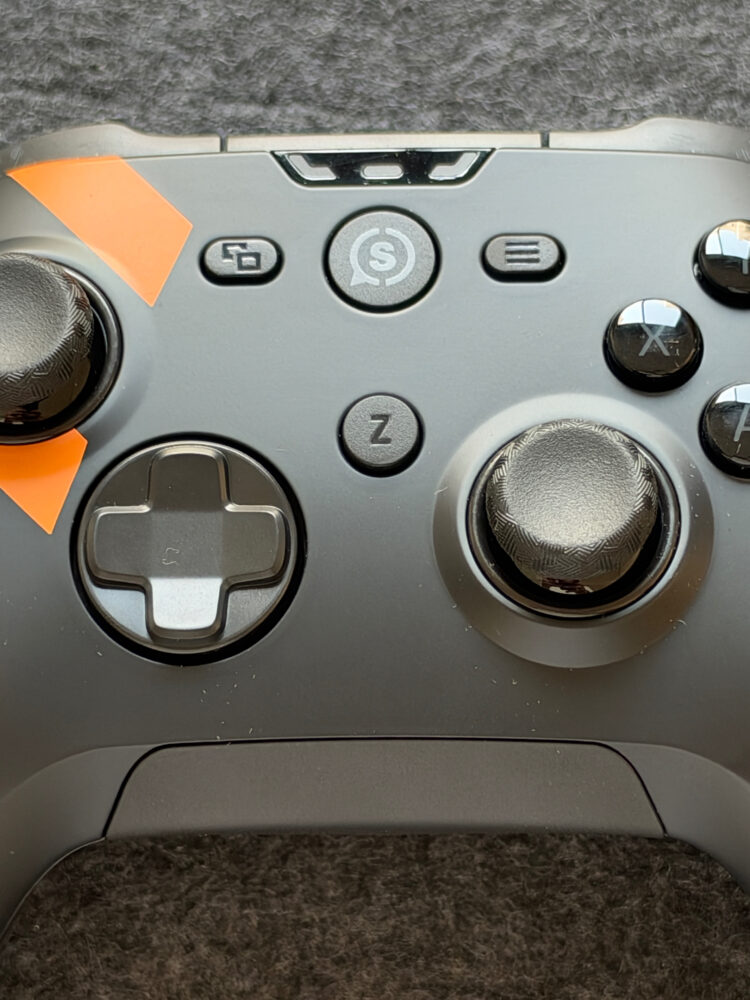
The Nemesis Pro uses an Xbox-style offset stick layout with contoured bumpers, so it feels familiar as soon as you pick it up. The front has a power button with the SCUF logo, View and Menu buttons, a dedicated remappable Z button, a status light and a profile status LED. Media and audio controls aren’t included, which I don’t miss on a PC controller. On the back, the wireless model adds a two-position switch for moving between wired and wireless play. Plugging in a cable doesn’t silently override the wireless connection, which I appreciate because it removes any confusion about which mode you’re in.
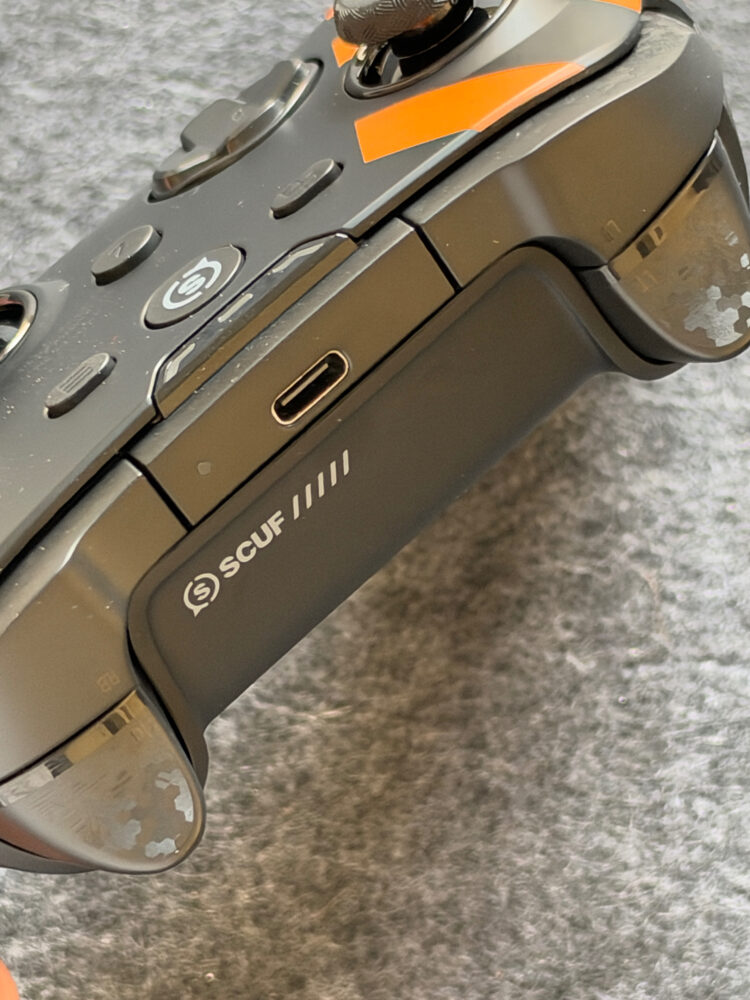
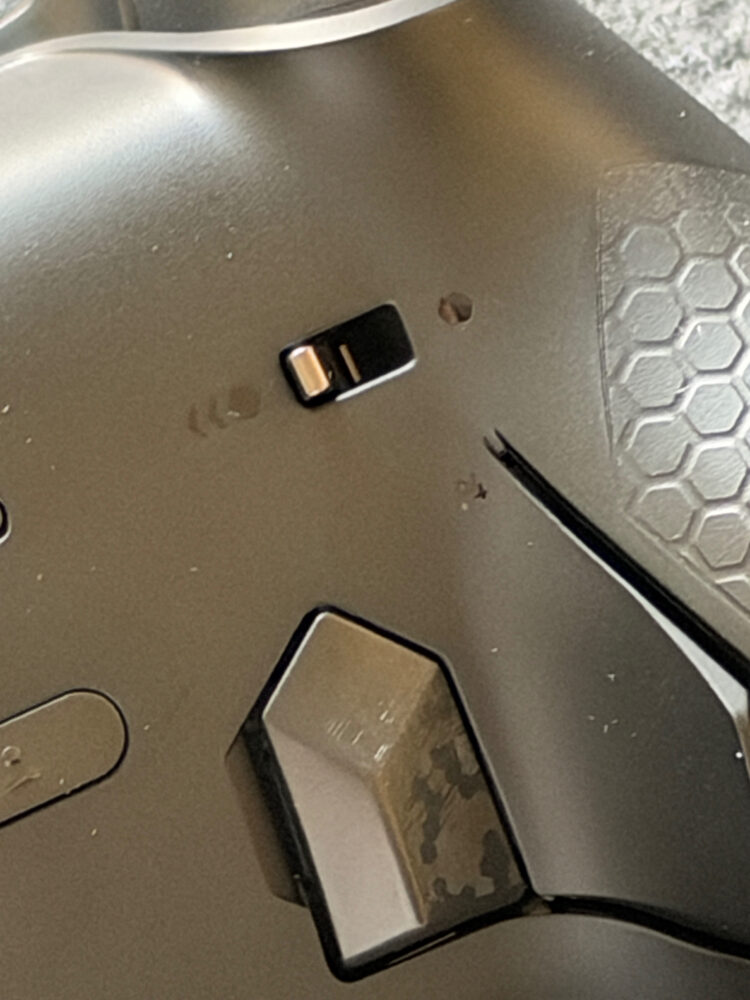
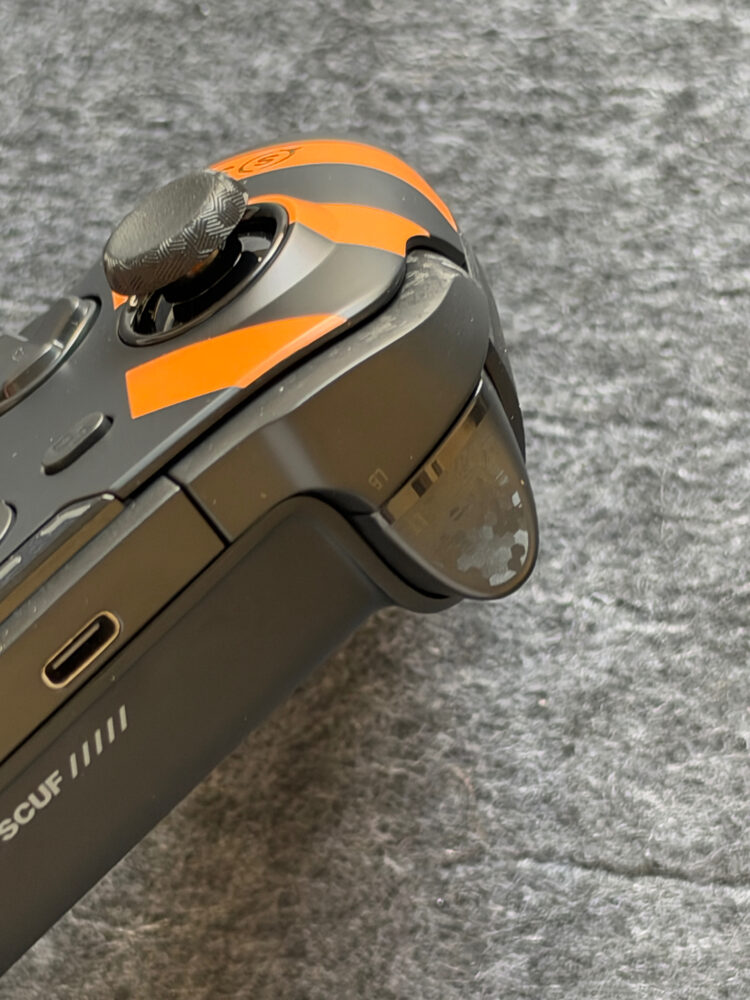
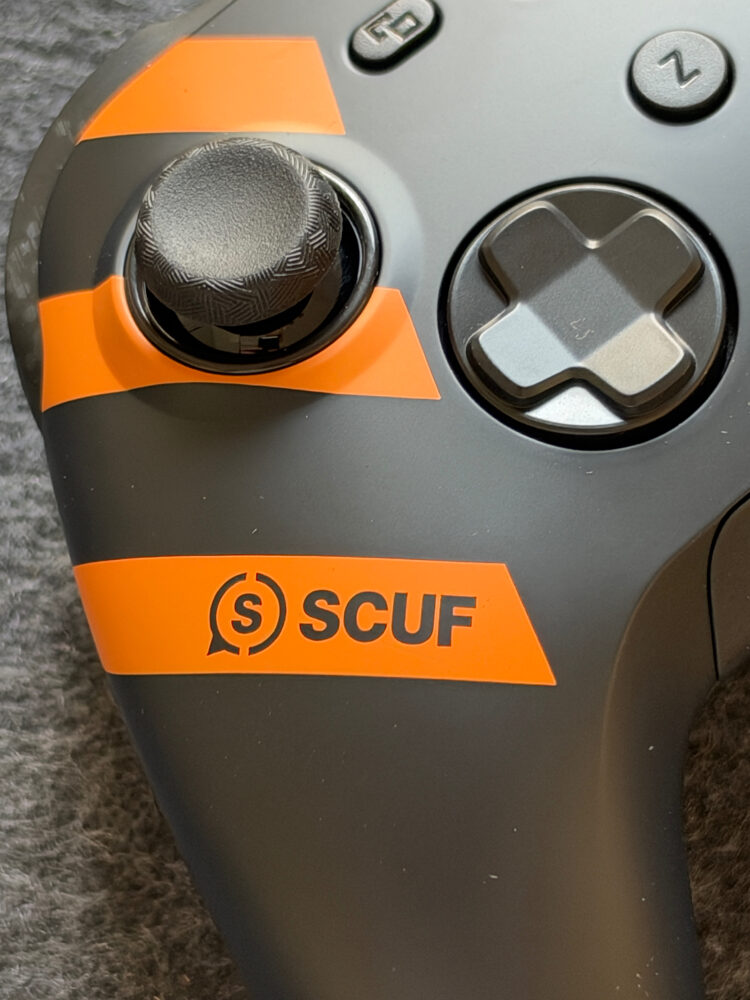
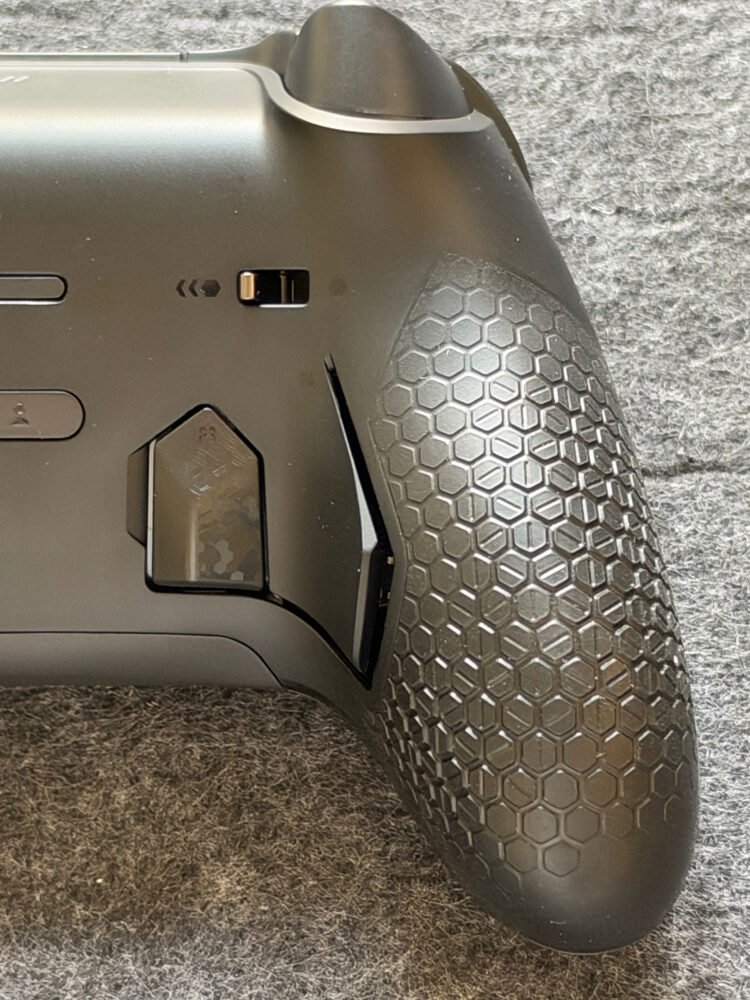
The grips are textured with a honeycomb pattern that stays secure when your hands get sweaty during long sessions. The controller is noticeably light and comfortable to hold for hours, partly because it doesn’t have rumble motors in the grips. I’ll admit I do miss rumble in big cinematic single-player games, and some buyers will consider that a dealbreaker. For competitive play, though, rumble works against precise aim, so I’m happy to give it up. One bonus for existing SCUF owners is that current Valor Pro faceplate kits fit the Nemesis Pro, so your custom faceplate collection carries over.
TMR sticks and a D-pad worth bragging about
Both thumbsticks use TMR (Tunnel Magnetoresistance) sensors, which SCUF positions as its anti-drift and long-life design. Compared with Hall effect sticks, TMR offers higher resolution and a more linear output, so the sticks feel like the traditional analog sticks you’re used to without wearing out the same way. In practice they’re very smooth and precise and return cleanly to centre. Anti-friction rings around each stick reduce scraping against the shell. Those rings can be removed, although you’ll need a plastic pry tool to get them out.
The box includes a tall domed thumbstick and a short domed thumbstick alongside the stock concave sticks. SCUF’s recommendation for shooters is the tall dome on the right for finer aim through a scope and the short dome on the left for quick movement, and that combination worked best for me. The hybrid D-pad also comes out once you pull the faceplate off, and it’s one of the best D-pads I’ve used on a premium controller. It’s precise, solid and has none of the loose wobble that ruins diagonals. I don’t usually get excited about D-pads, but this one impressed me.
Omron clicks, instant triggers and paddles you’ll actually use
The ABXY buttons use Omron mechanical switches, the same kind of tactile click you get from a good gaming mouse. Their short rebound time lets you press the same button repeatedly faster, which helps in games where you’re spamming jump or a quick melee. Each press feels crisp and deliberate. The buttons are slightly smaller than average, but I stopped noticing after a few minutes. The bumpers have a similarly firm click.
Each trigger has a switch on the back. In instant mode the trigger uses a mechanical switch for a short, mouse-like click, which is ideal for shooters. Switching back gives you full analog travel for racing games, and in that mode you can adjust dead zones and curves. There are four remappable rear paddles (P1 to P4). The inner pair can be removed and replaced with the included blanking plates if you find you’re pressing them accidentally. Once you map jump and crouch to the paddles, you never have to take your right thumb off the aim stick, and going back to a controller without paddles feels limiting.
Profiles and app tuning that go deep
Three onboard profiles come preloaded: Shooters (blue), Sport (red) and Racing (green). You switch between them with a Profile Button on the back. If you don’t want to use software, you can remap the paddles and the Z button directly on the controller with Hardware Remapping Mode. Hold the Profile Button, press a paddle together with the button you want it to copy, and the LED confirms the change. It’s quick and a little satisfying. Holding Power, Y and B for five seconds returns everything to factory settings if you get carried away.
The Nemesis Pro 8K PC Companion App for Windows goes much further. It supports remapping across 21 inputs, renaming profiles with custom colours, adjusting stick and trigger dead zones, and choosing response curves including Exponential, Linear, Dynamic, Aggressive and fully Custom. You can also adjust sample rate and output shape, and there are anti-deadzone and anti-drift options that will matter to players fine-tuning their aim. Changes save directly to the controller’s memory, so your setup goes with it to any PC. Calibration is available as a guided process in the app or through a button combination, and SCUF recommends recalibrating after swapping faceplates.
Battery life is excellent, the price is the hard part
The wireless model is rated for up to 64 hours of active use. That’s a lot of gaming, and if you do run low, you charge over the same USB-C cable you use for wired play. The box contains the controller, the 2.4 GHz dongle, a removable USB-C cable, inner paddle blanking plates and the two domed thumbsticks. The quick start guide is digital only. There’s no charging dock or carrying case, and at $199.99 I’d expect at least one of those to be included.
Competition is the real issue. Controllers around $100 now offer TMR sticks, mechanical buttons, paddles and instant triggers, and even pads under $50 have trigger stops. What the extra money buys here is wireless 8K polling, a very good D-pad, a light build, onboard hardware remapping, 64-hour battery life and faceplate compatibility with SCUF’s existing range. For competitive players, those advantages make the price easier to justify. Casual players will be fine with a cheaper option, or with the $119.99 wired Nemesis Pro, which has the same performance features without the wireless.
Verdict
The SCUF Nemesis Pro 8K PC is the most enjoyable PC controller I’ve used in a long time. The 8K polling over both wired and wireless connections makes aiming feel much closer to a mouse. The TMR sticks are smooth and built to resist drift, the hybrid D-pad is excellent, and the Omron buttons, instant triggers and four paddles make every input feel fast. On top of that you get 64 hours of rated battery life, onboard profiles, hardware remapping and a capable companion app, which makes it equally suitable for a tournament setup or a living room PC.