



The early hours of Grand Theft Auto VI put you in the flip flops of Jason Duval, as he splits his time between doing drug runs for his surprisingly nice boss, and fixing up his house preparing for the imminent arrival of his estranged ex-girlfriend Lucia who is about to be let out of prison.
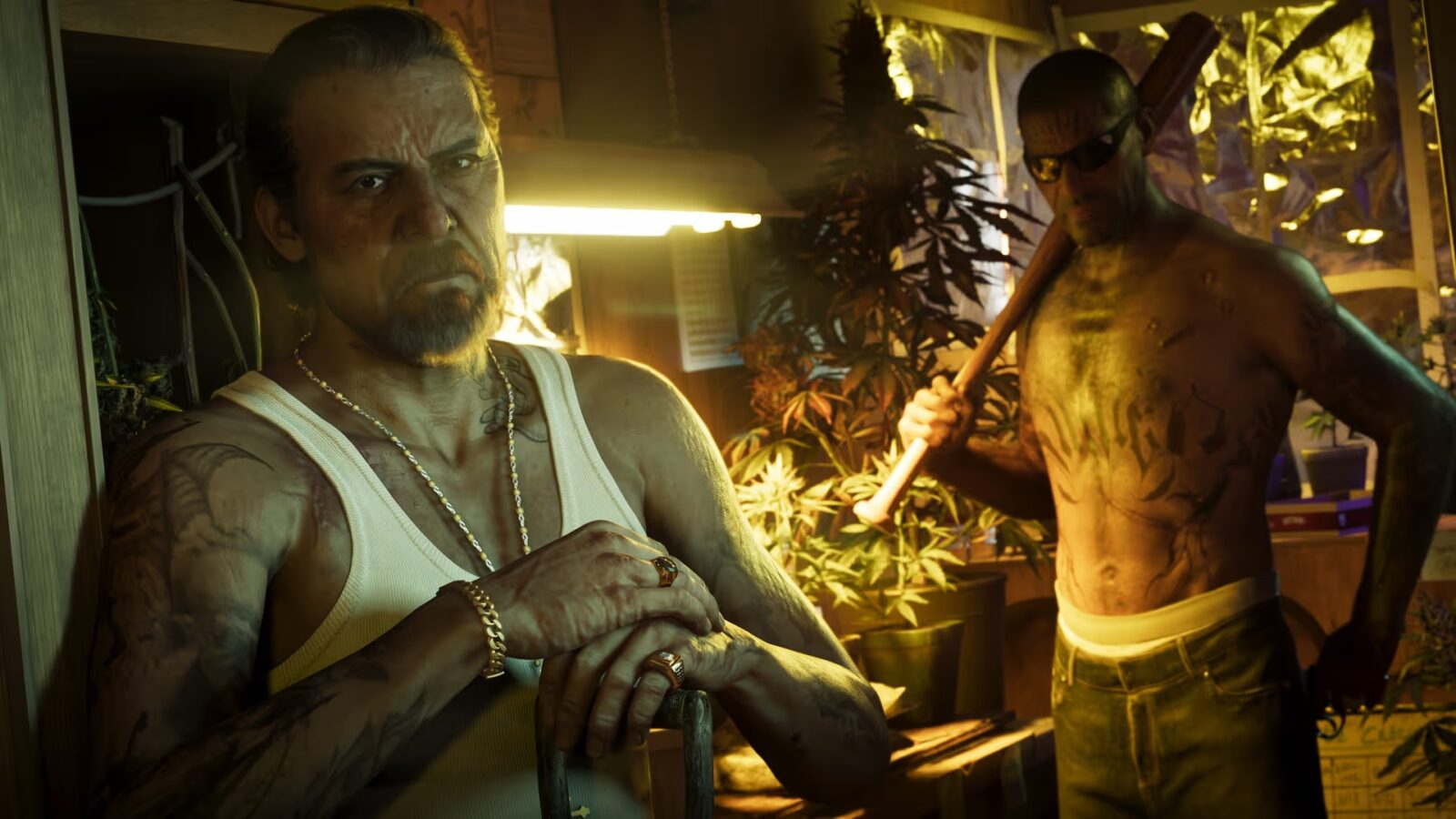
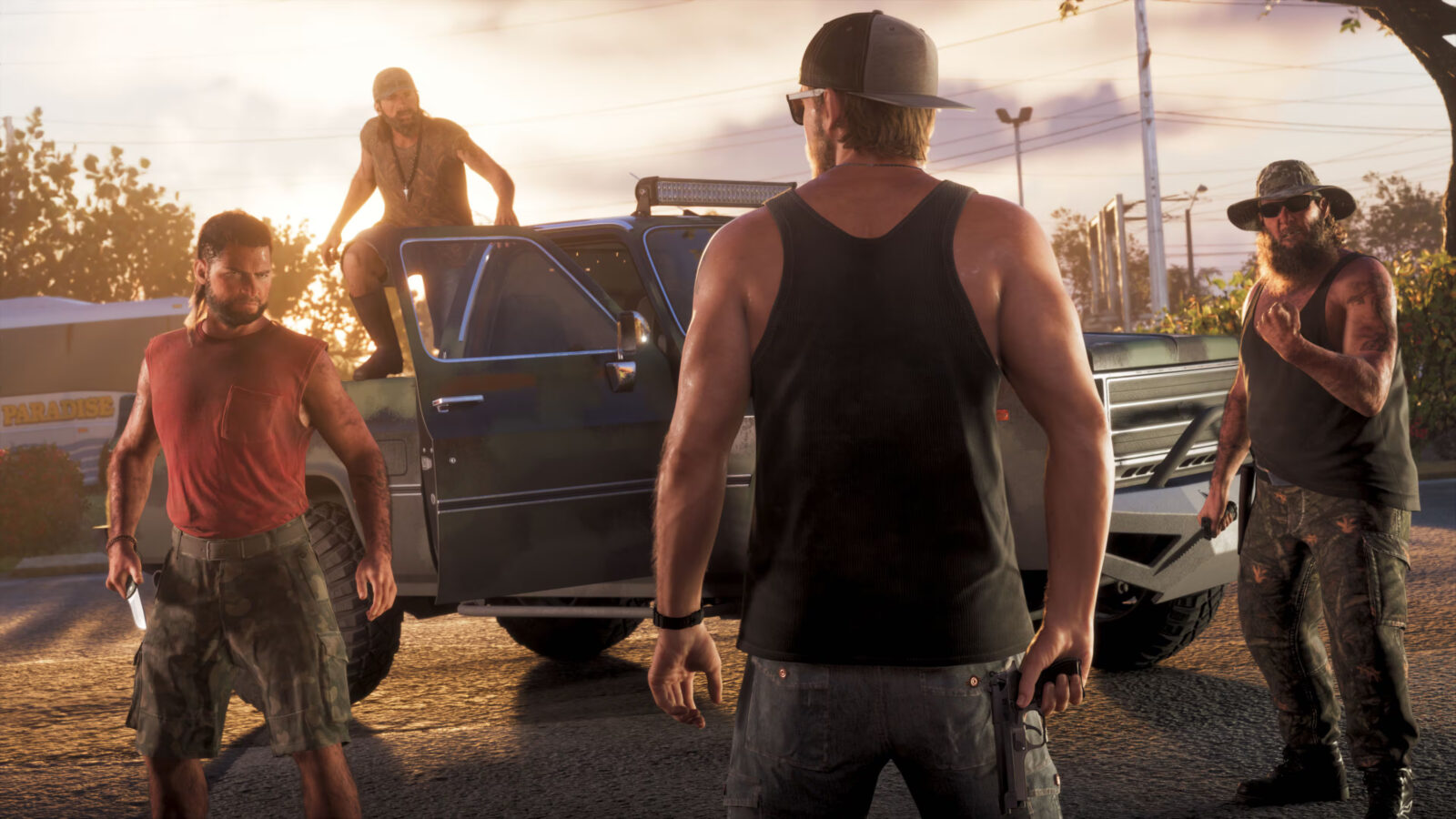
Shoot up a gang hideout, fix the roof, get in a car chase drive-by shooting, paint the bedroom, fight off an ambush outside a gun store, buy groceries. GTA VI is like playing The Sims or Animal Crossing, where your cosy gameplay loops keep getting interrupted by bursts of shocking violence.
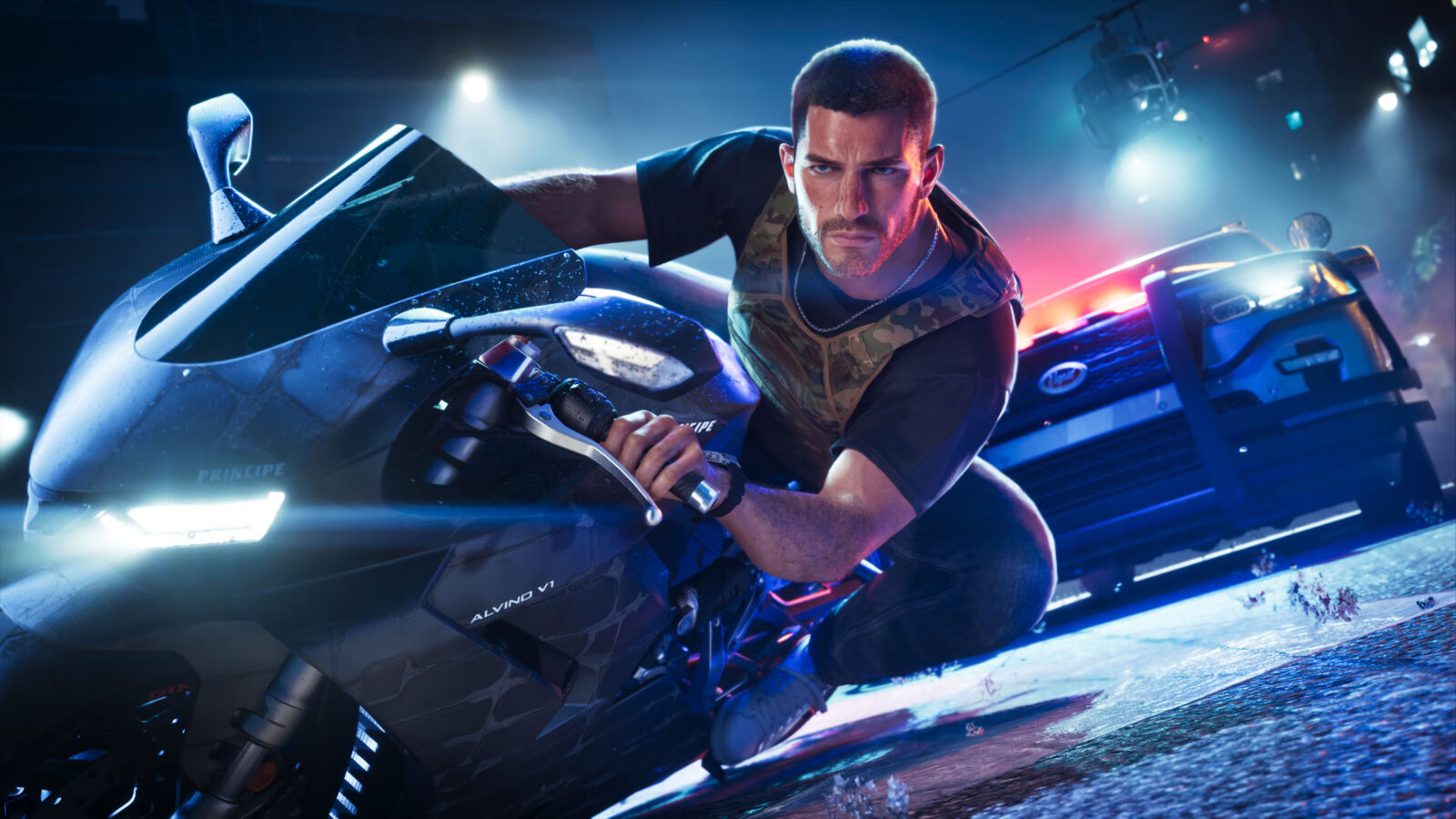
Much of the first chapter has you grappling with this tonal whiplash where the reality of the two protagonist’s lives keeps catching up with their attempts at domestic bliss. And through all of this, Rockstar Games elegantly tutorialises the vast wealth of interlocking gameplay systems that form your moment to moment experiences in the game.
Between your scripted story missions is a wealth of side activities, multi-stage side quests with their own self-contained storylines, and a seemingly endless assortment of random NPC encounters that are some of the most delightfully unhinged vignettes I’ve seen in an open world game.
I’ve spent roughly 60 hours in Leonida, and I’ve only just started chapter 3, constantly finding reasons to put off the next story mission. There’s always something happening just beyond the corner of your eye.
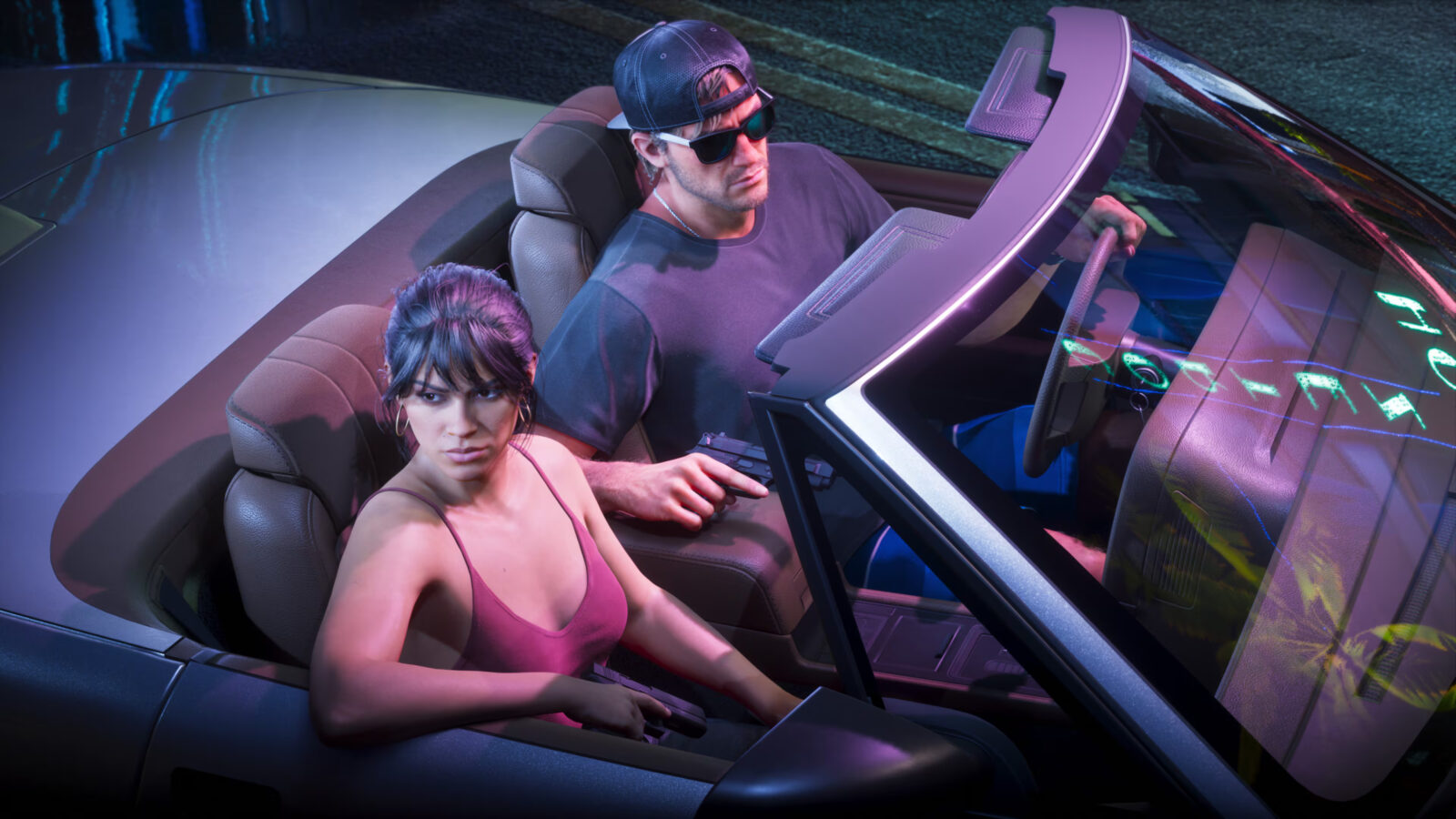
A suspicious character, an interesting storefront, a side activity, a stretch of coastline worth exploring, or a particularly lovely sunset that makes you want to drop whatever you were doing and just go for a drive. I’ve encountered no less than three different things that made me go “oh hey what a nice easter egg” only to find them triggering entire questlines that take what seems like a one-off gag to its logical conclusion. It’s the sort of game that constantly makes you forget what you originally switched it on to do.
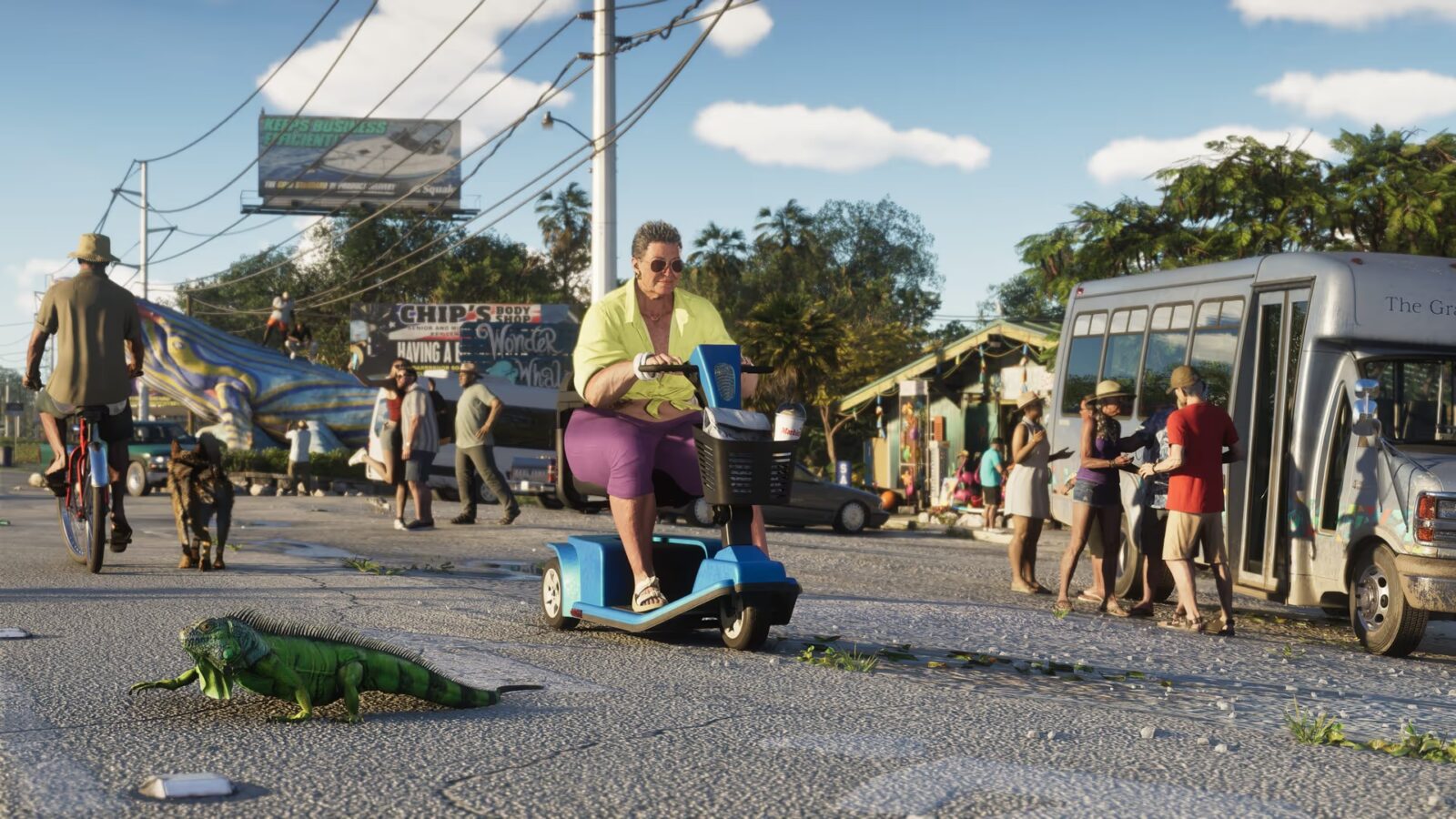
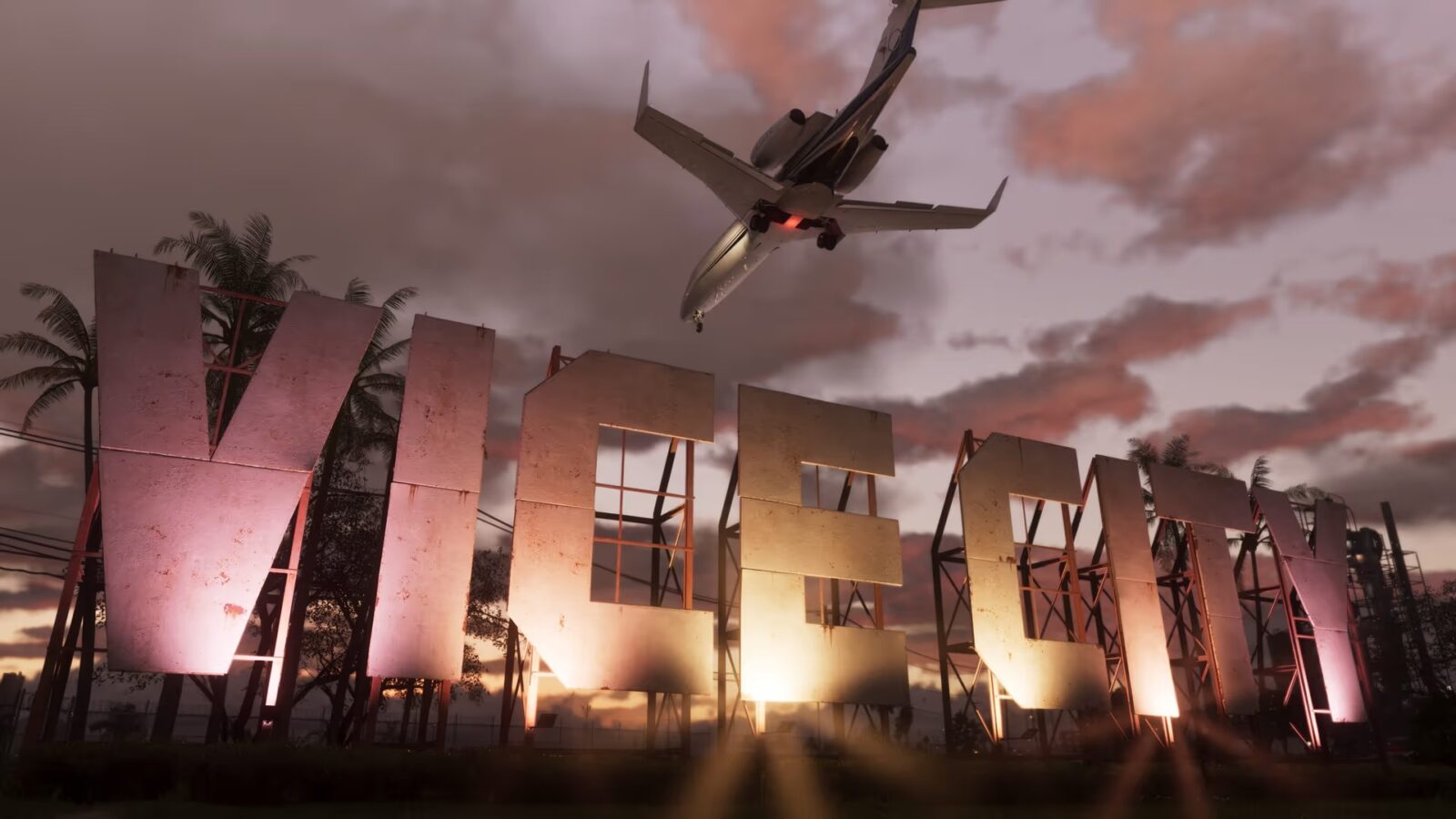
The most immediately striking thing about GTA VI is just how well-realised its world is. Leonida is a dense, vast playground, and Vice City is arguably the most convincing simulation of a city I’ve seen in a game.

The visual fidelity is extraordinary, yes, but what impresses me more is the sheer consistency of the presentation. Think about the beginning of Uncharted 4 where you explore Nathan Drake’s attic: a room packed to the gills with details, an obsession with the minutiae that make a living space feel… lived in. Think about any given level in, say The Last of Us Part II. Remember all of the tiny details like foliage, ground textures, architecture, interactable elements like the rope physics, breakable windows, car doors, and so on.
Now imagine that level of detail applied on the scale of, say, Ghost Recon Wildlands, and you have a close approximation of what Rockstar Games have achieved here.
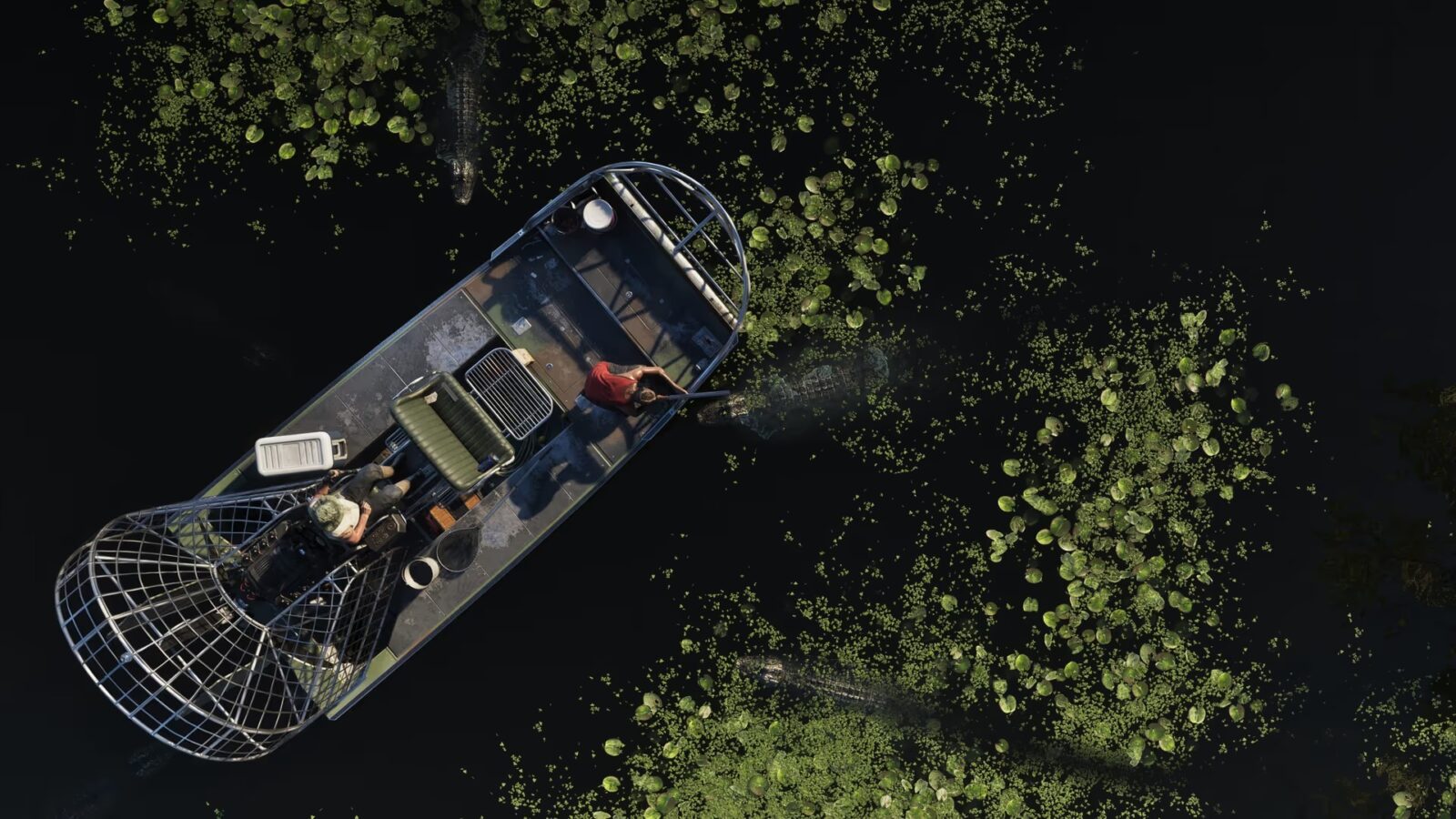
Seemingly nonexistent LODs with a draw distance that stretches on for miles, strand-based hair applied to every single character and NPC across the entire game, across hundreds of varied hairstyles and outfits, hundreds of unique NPCs with pathfinding, AI, voices, animation, physics, and emergent interactions active at all times, countless volumetric lights casting soft shadows, ray-traced reflections on every surface hard and soft, ray traced global illumination applied across every single location and scene working with the real-time lighting and dynamic weather and day/night cycles to make sure no location ever looks the same way twice, every single vehicle, creature, prop, rock, weapon, and door is an object with physics applied to it.
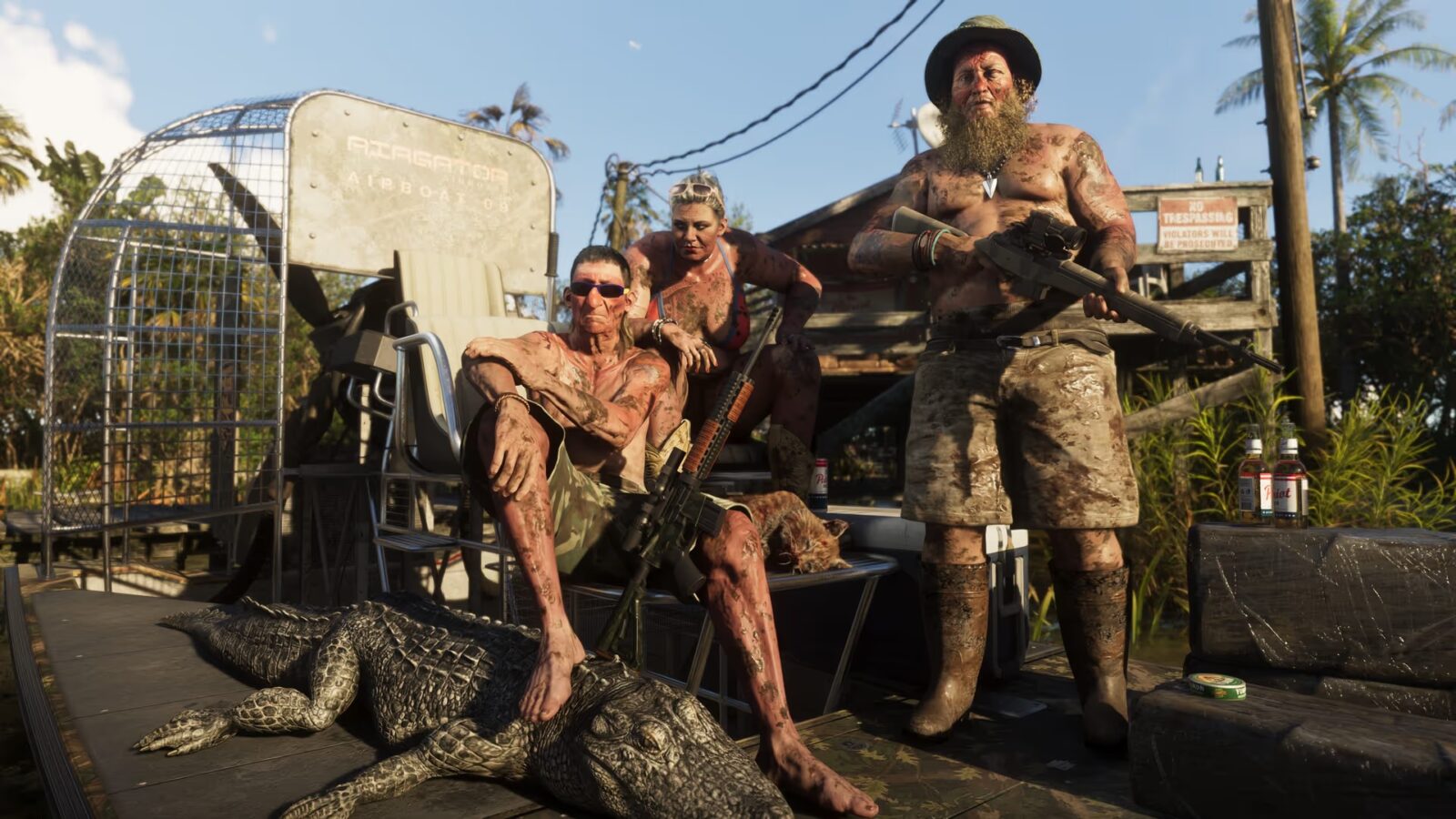
All of these simulations run with few to no glitches, all of these visuals are delivered in a pristine 1440p with no artifacting, and all of the above running at a largely stable 30fps on a base PS5. Not a supercomputer, not even a high-end PC, but a console.
This isn’t just about character models, detailed interiors, or the almost ridiculous attention paid to individual objects. It’s about how all of these elements come together. Because Rockstar applies these features and systems with an impeccable level of restraint. They’re never flexing or showing off just what this game can do because it’s all right there. Walking on the beach in GTAVI feels like walking on a beach. Driving around Vice City at night just feels like driving around a city at night.
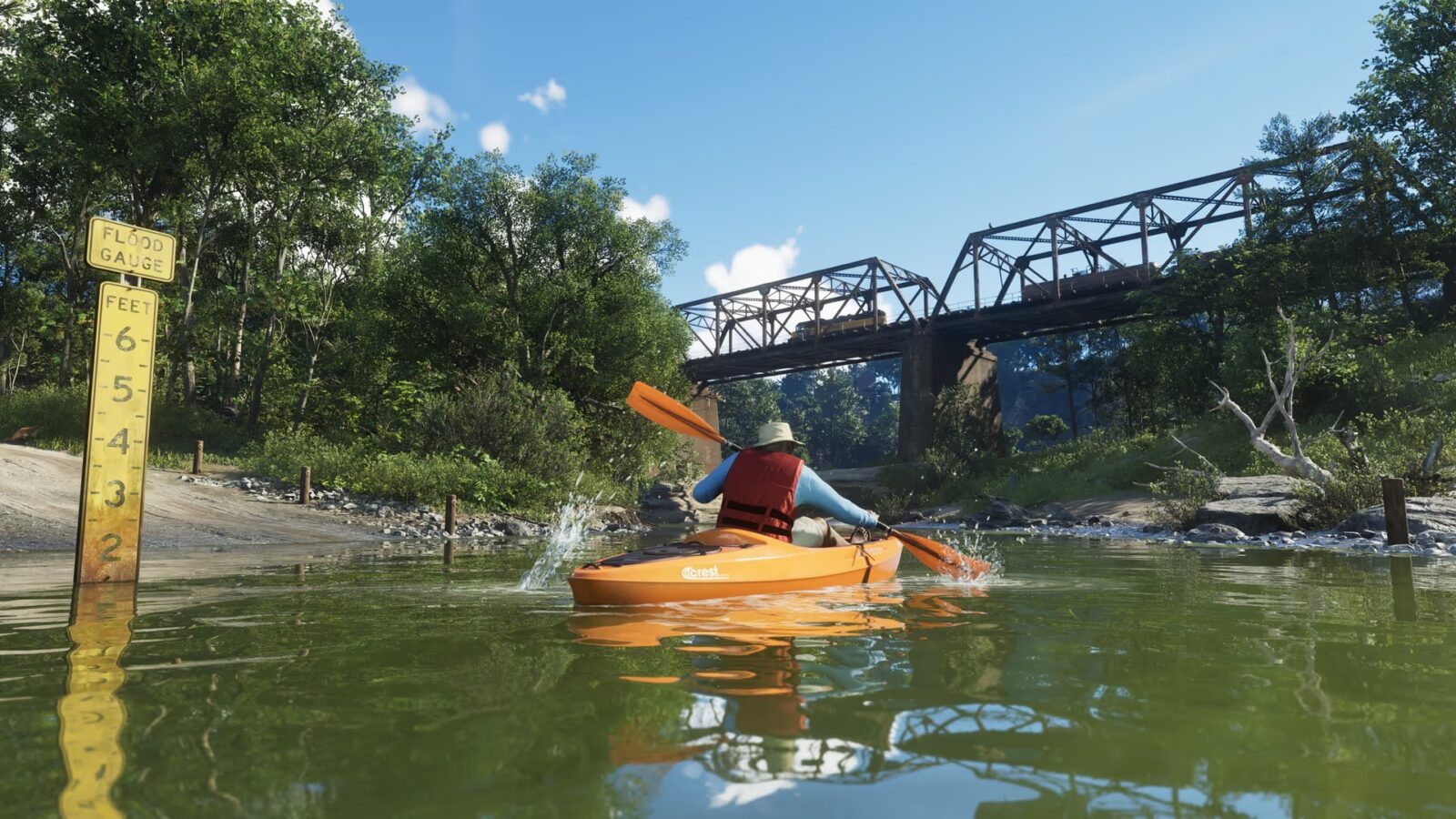
And once you’ve played it for a while, you actually stop noticing the details because they all come together in a way where it stops feeling like a directed creation and just starts feeling like… a place.
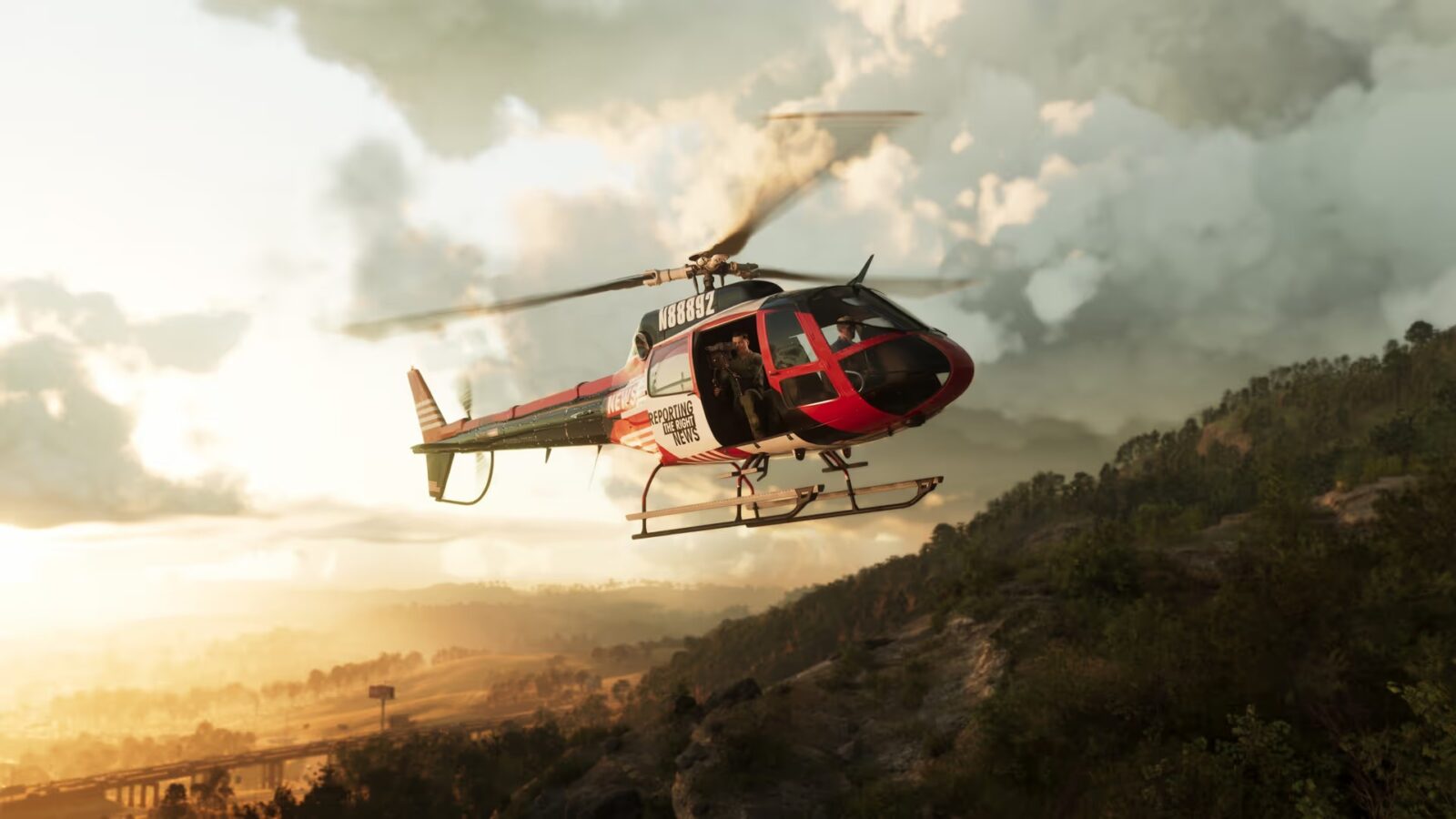
Rockstar has always been particularly good at making its open worlds feel lived in, but GTA VI takes that philosophy to an entirely different level. NPCs are constantly interacting with their surroundings, having conversations, getting into altercations, filming things on their phones, and generally behaving like people who have somewhere to be. You can spend an unreasonable amount of time just observing the world around you. Even the smallest interactions, from stopping for food to checking your phone, feel considerably more deliberate than they have any right to.
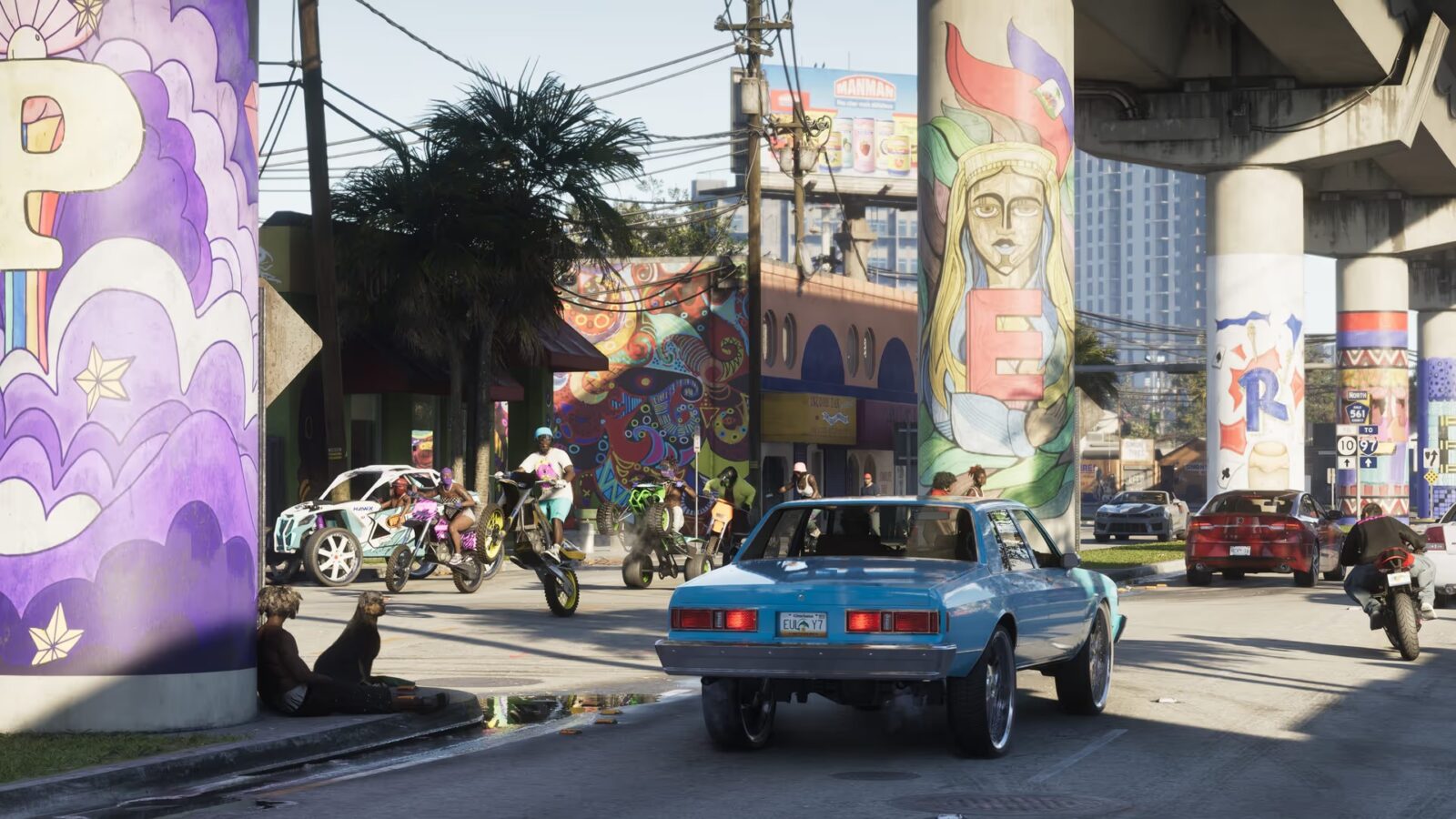
This attention to detail extends to the game’s immersive systems, which are arguably its greatest achievement. There’s a whole lot of life simulation baked into the criminal sandbox. Your characters have physical needs, routines, relationships, and a growing collection of activities to occupy their time.

You can work out, eat, shop, change your appearance, explore, participate in recreational activities, and generally indulge in the sort of mundane interactions you’d expect to see in something like The Sims. None of this feels particularly demanding, either. Rockstar understands that the pleasure is in having the option to engage with these systems, rather than forcing players to micromanage every aspect of their virtual existence.
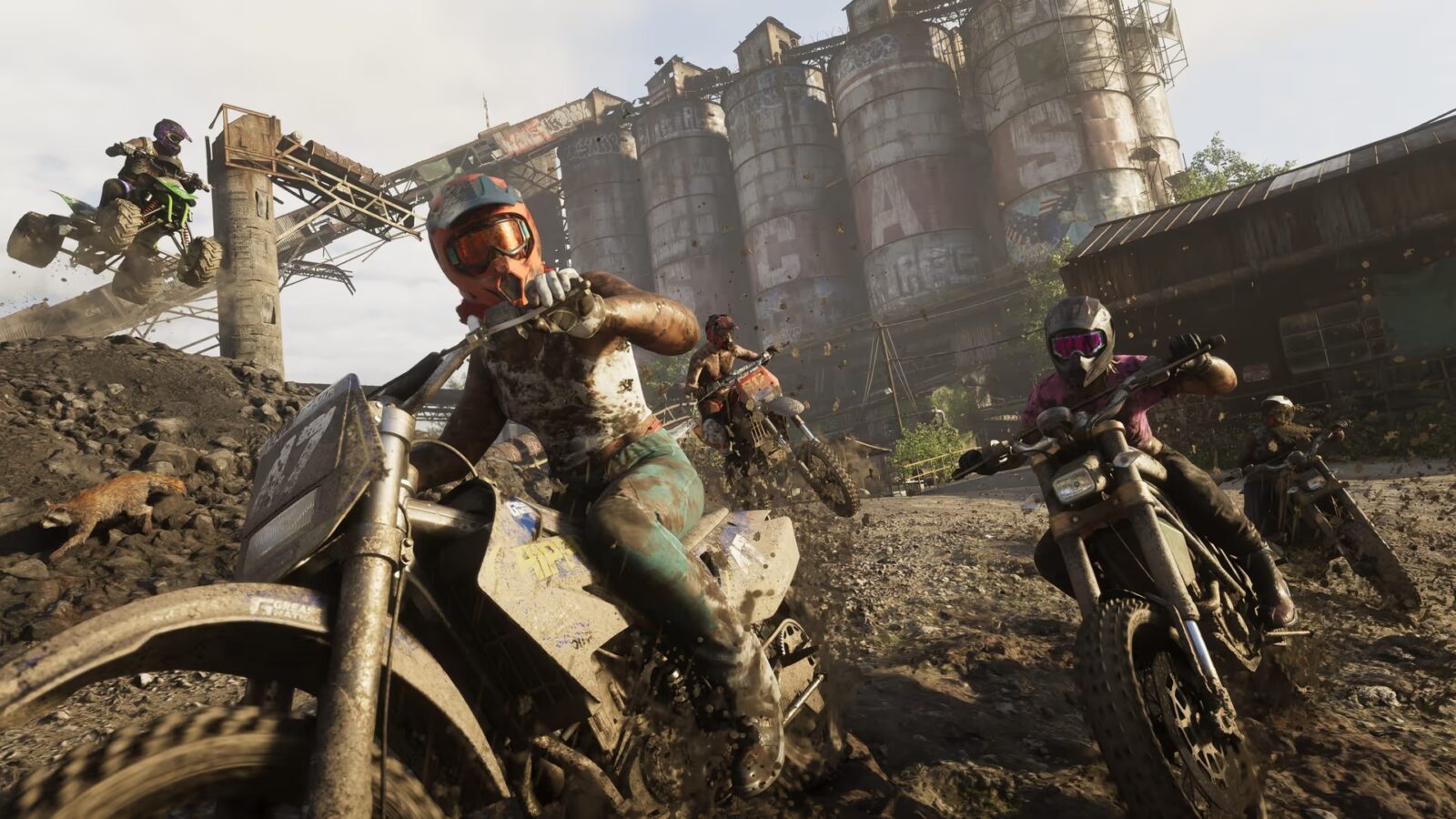
The progression systems are another area where GTA VI feels like a considerable evolution. Activities aren’t just there to pad out the map or provide an excuse to earn some extra cash. Many of them feed into character development, improving stats, developing abilities, and opening up new ways to engage with the world.
There’s a genuine sense of gradually building a life for Jason and Lucia, even if that life happens to involve considerably more firearms and felony charges than most. The dual-protagonist setup also adds an interesting dimension to progression, with both characters offering slightly different perspectives on the experience. It’s a more involved approach to character development than simply unlocking increasingly powerful weapons or ticking off skill trees.
The moment to moment gameplay, meanwhile, is where GTAVI feels the most familiar even if it comes with some welcome refinements of the Rockstar formula. Driving here is an absolute delight, with a fantastic variety of vehicles and a world that makes simply getting from one destination to another entertaining.

The handling has enough weight and personality to make different vehicles feel distinct, while the traffic and environmental density ensure that even routine journeys can turn into spectacular disasters. There are a ton of racing-related side quests in the game from track to street to off-road, and we finally have good enough vehicle handling in GTA that the racing here feels just like playing a racing game. At least 25 of my 60 hours so far we spent taking part in these, and believe me when I tell you after a while I forgot what game I was even playing.
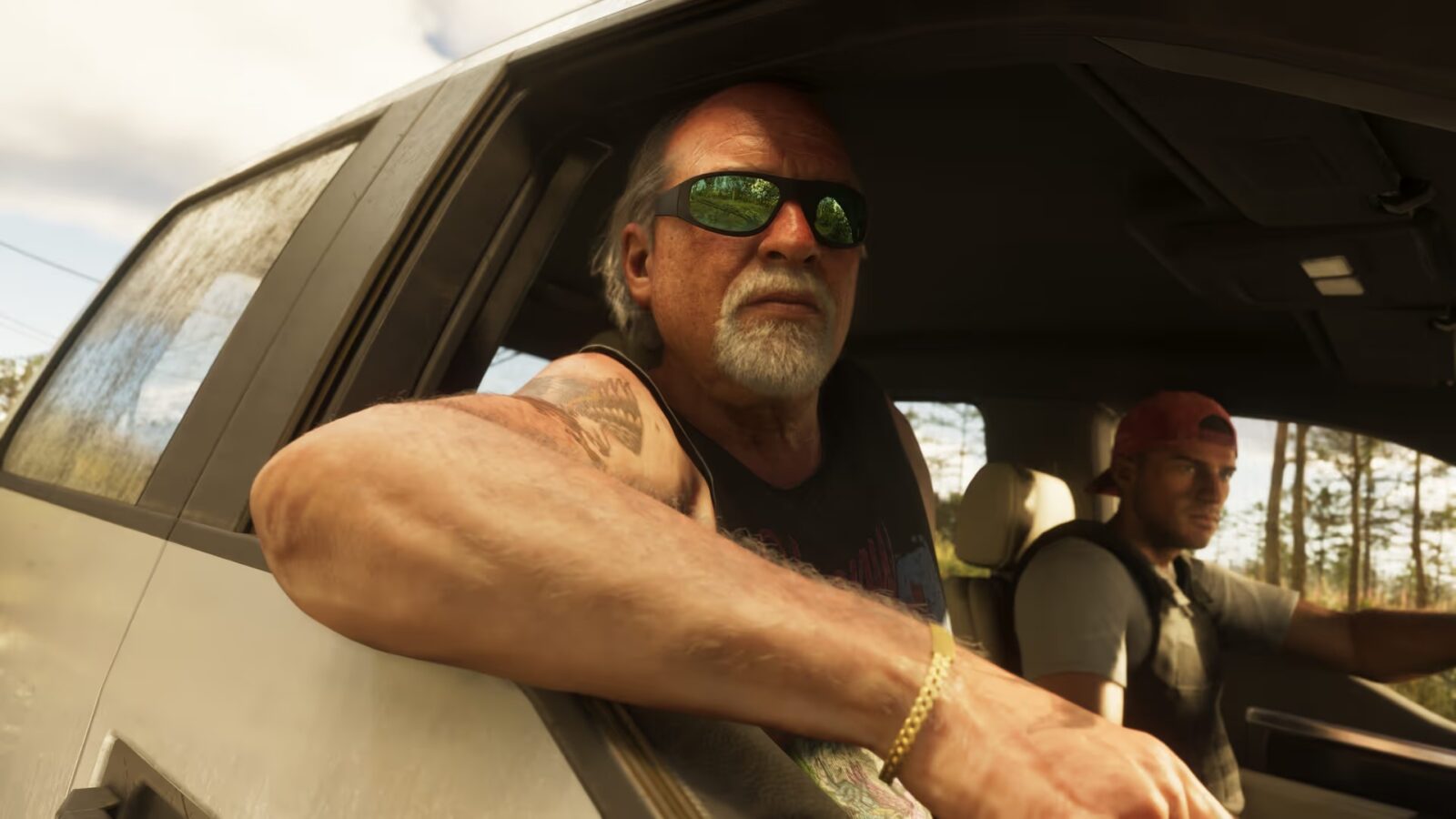
Shooting and combat are less revolutionary, retaining the familiar cover-based mechanics that have defined the series for years. There’s certainly room for improvement here, particularly when it comes to the responsiveness of certain interactions, but the variety of situations Rockstar creates around these mechanics goes a long way towards keeping things interesting.
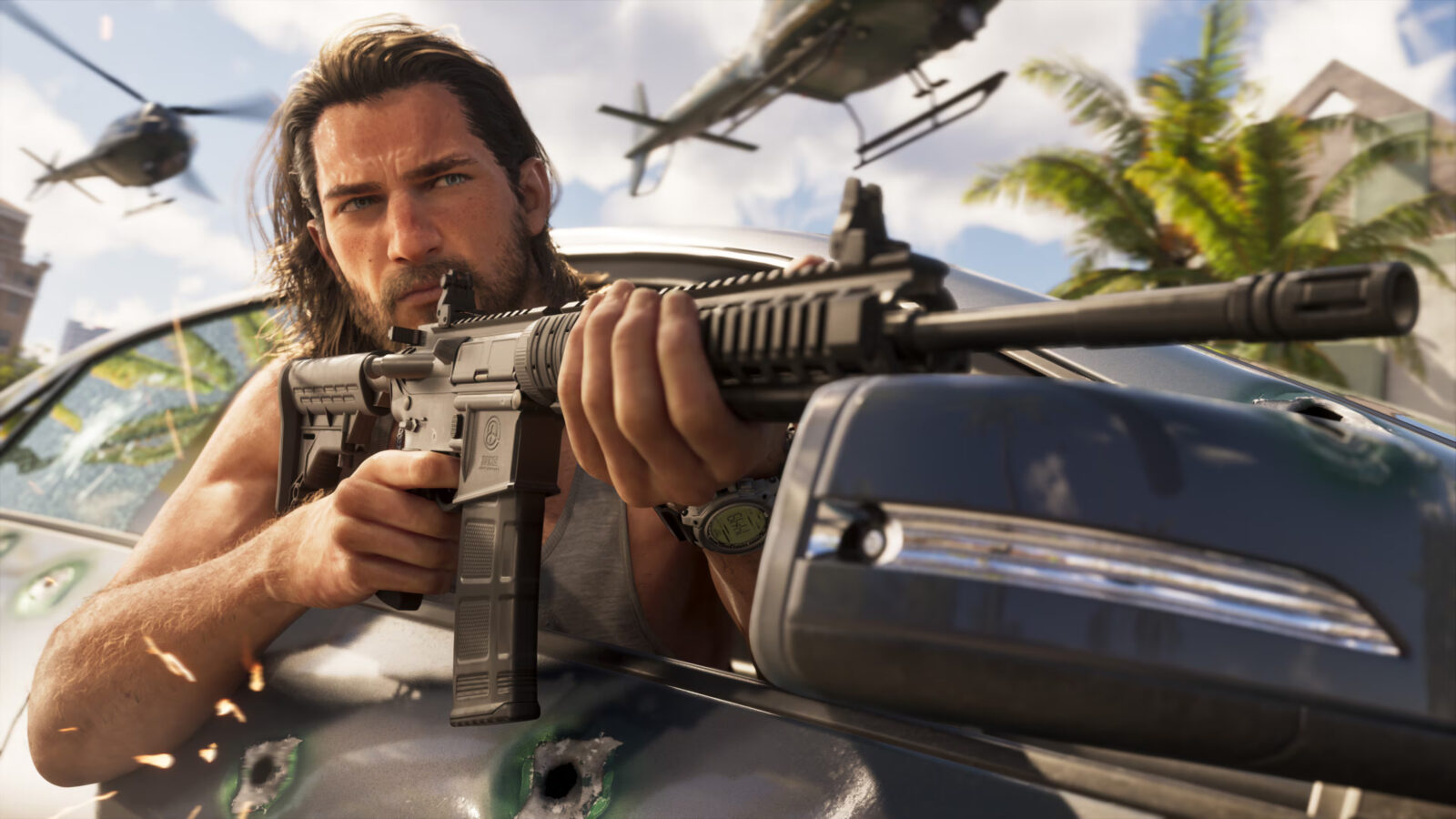
Both driving and shooting are best showcased in the game’s main story missions which are so good, it feels like playing a linear “cinematic” Naughty Dog game. The setpieces I’ve seen so far have all made my jaw drop with how exhilarating they have been.
I do wish some of the game’s systems were a little more intuitive. The commitment to realism occasionally comes at the expense of convenience, and there are moments when interacting with the world feels more cumbersome than it needs to be. There’s a learning curve to understanding how everything works, and the sheer number of contextual interactions can make the controls feel unnecessarily complicated. It’s a relatively small complaint in the grand scheme of things, but one that becomes more noticeable the longer you play.
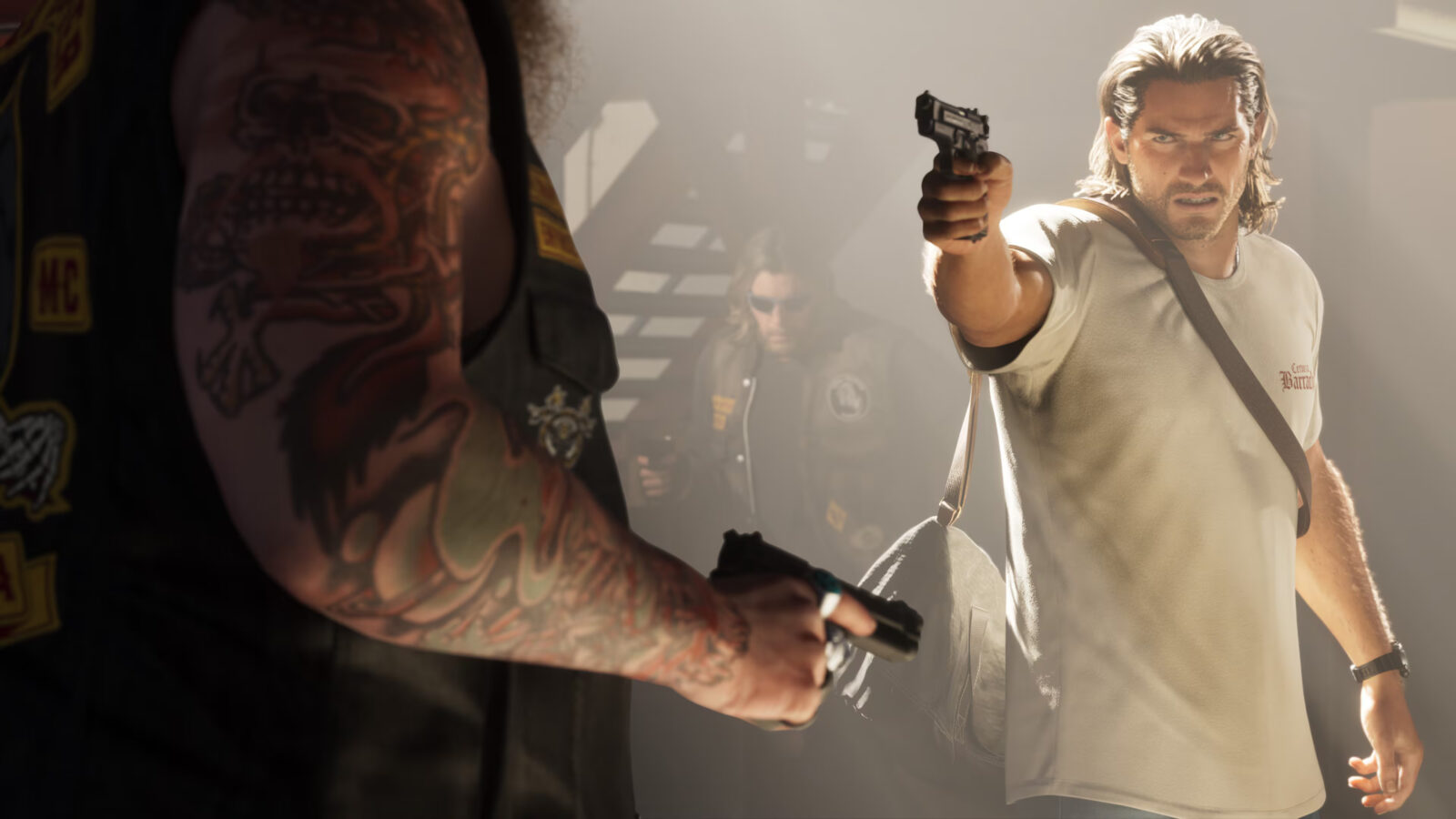
I also imagine a lot of these seemingly unnecessary actions and features will really come into play once the inevitable GTAVI Online drops. Being able to open the trunk of every car, use turn signals, hazard lights, etc. may seem pointless now, but it makes my imagination run wild when I think of all the ways it’ll help me and my buddies plan and execute things in co-op missions down the line.
It’s also worth pointing out that, despite my 60 hours with the game, I’ve only completed its first two chapters. That’s partly a testament to how much there is to do outside the main campaign, but it’s most why I’m reluctant to make sweeping statements about its overall narrative or how its various systems evolve later on. What I can say is that I’ve barely scratched the surface of what Leonida has to offer, and the prospect of discovering what else Rockstar has tucked away is genuinely exciting.
Because despite all the things GTA VI has gotten right, the biggest question mark for me is still its story. Jason and Lucia represent two different – sometimes opposed – gameplay ethos within the same sandbox, but I’m yet to see that play into the story in any meaningful way (granted I’m still less than halfway done). How much I love this game overall will really be governed by how this story plays out.
But even this early on, as someone who loves exploring and getting lost in virtual worlds, Grand Theft Auto VI is a treasure.