
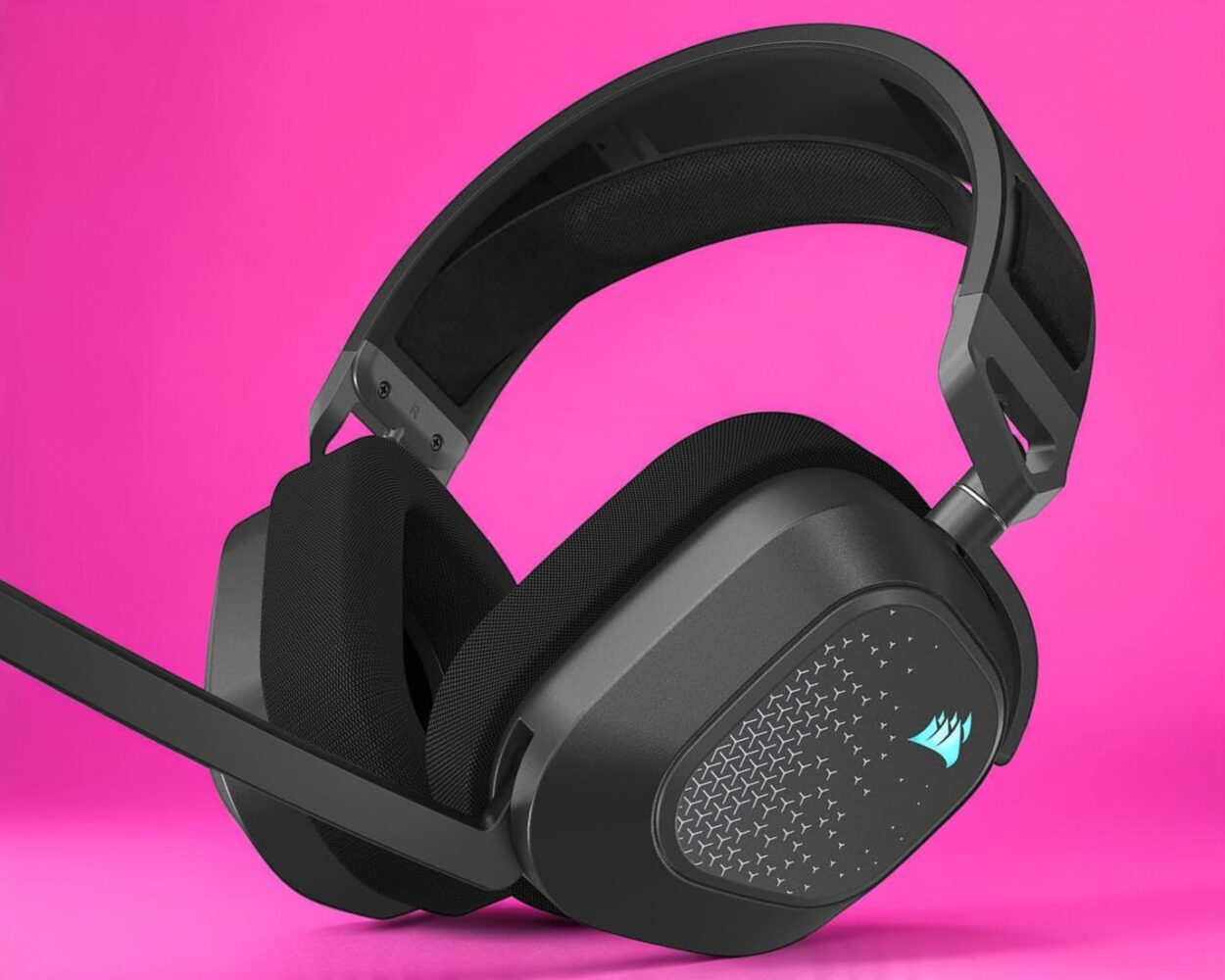
TL;DR: CORSAIR’s HS80 v2 MAX Wireless pairs a redesigned 50mm non-Newtonian diaphragm driver with a broadcast-grade 10mm mic, simultaneous 2.4GHz and Bluetooth wireless, and up to 110 hours of battery life. It’s a headset built around genuinely useful engineering rather than gimmicks, though its best extras, Dolby Atmos and NVIDIA Broadcast, come gated behind PC-only and RTX-only requirements.
Gaming headsets have hit a weird plateau where every manufacturer swears theirs delivers “competitive audio,” yet most of the actual innovation these days happens in the unglamorous stuff: battery chemistry, driver damping, and whether the software layer actually adds value or just sits there as bloat. CORSAIR’s HS80 v2 MAX Wireless is the company’s answer to that plateau, and it leans hard into the boring-but-important upgrades rather than chasing another flashy gimmick. This is a wireless gaming headset built around 50mm non-Newtonian laminate diaphragm drivers, a broadcast-grade 10mm microphone, simultaneous 2.4GHz and Bluetooth connectivity, and a battery rating that stretches into triple digits. It’s the sequel nobody was clamoring for by name, but the spec sheet suggests CORSAIR spent its time in the right places.
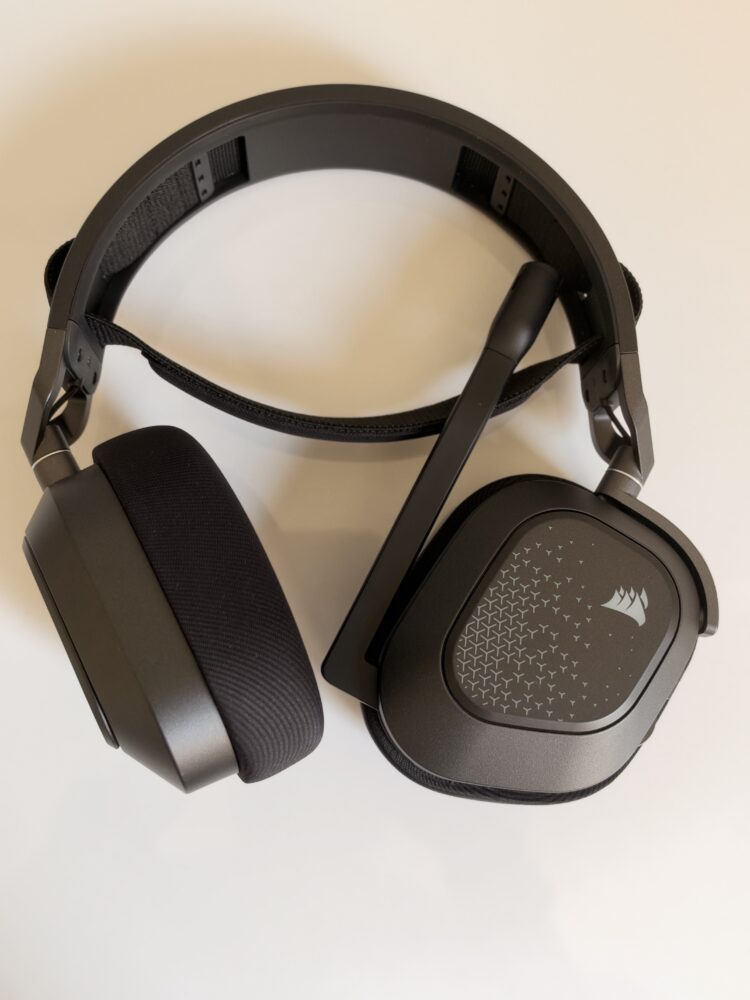
The pitch here is refreshingly specific rather than vague marketing-speak: hear footsteps and secondary cues cut through the instant an explosion or gunshot clears, thanks to drivers engineered to damp residual vibration faster than a standard diaphragm. That’s a real, tangible problem in competitive shooters, where the moment after a grenade goes off is exactly when you need your ears working again, and it’s the kind of claim that’s at least testable rather than just “premium sound.” Whether it delivers in practice is something only hands-on listening can confirm, but the engineering rationale checks out on paper.
Driver tech and the non-Newtonian diaphragm
The headline feature is CORSAIR’s redesigned 50mm neodymium driver with what the company calls a non-Newtonian laminate diaphragm, and the material choice is more than just marketing flavor text. Non-Newtonian materials change their physical properties under stress, essentially the same principle behind that “cornstarch and water” science experiment, but applied here so the diaphragm can absorb and dissipate the shockwave from an explosion or gunshot faster than a conventional material would. Ordinary diaphragms tend to keep vibrating slightly after a loud transient, which smears the audio that follows immediately after, and if a footstep or a reload sound is buried in that smear, you’re a half-second slower to react than the player who heard it cleanly. Combined with a frequency response spanning 20Hz to 20kHz and a sensitivity rating of 113dB, CORSAIR is positioning this less as a “big bass” headset and more as a “clean recovery” one.
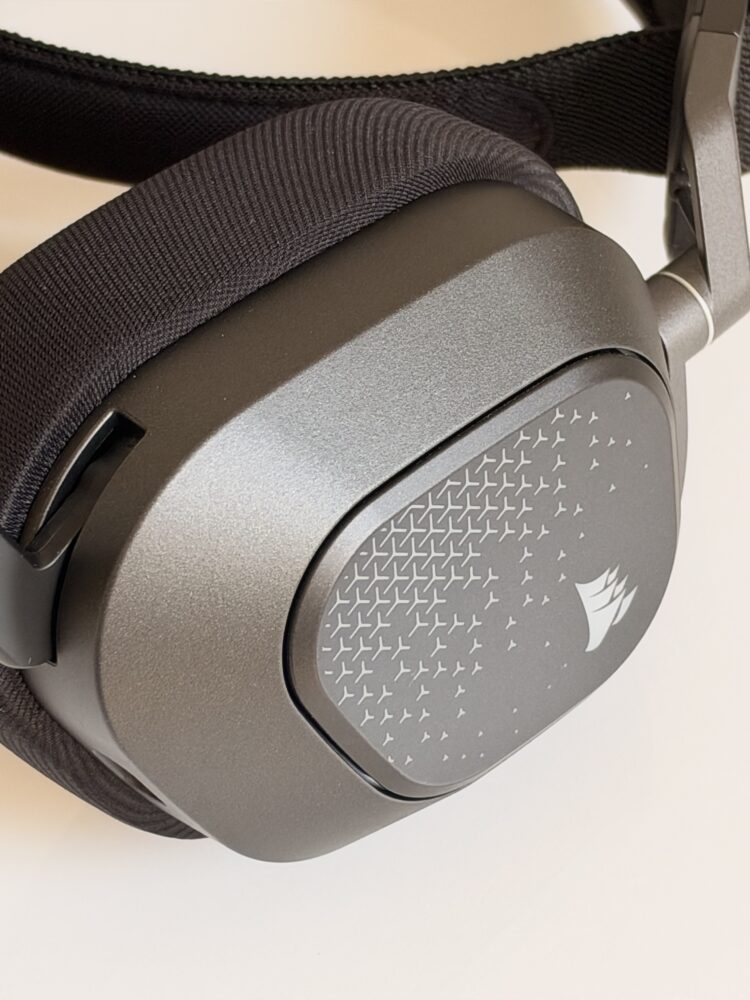
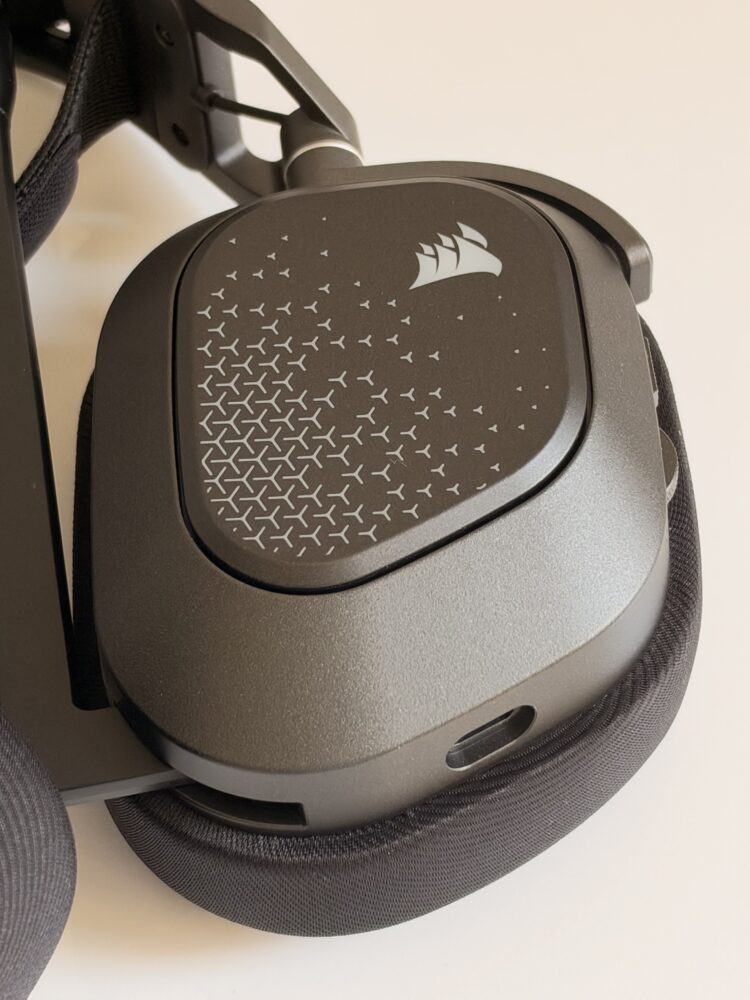
Layered on top of the hardware is Dolby Atmos spatial audio support, which places in-game cues in a genuine three-dimensional field rather than the flatter left-right panning older stereo headsets rely on. That matters specifically for the footstep-and-callout use case CORSAIR is chasing here, since knowing a reload happened isn’t nearly as useful as knowing it happened behind you rather than to your left. It’s worth flagging that Dolby Atmos on this headset is PC-only and requires the separate Dolby Access app, so console players and anyone hoping for plug-and-play spatial audio on PlayStation should adjust expectations accordingly. That’s a real asterisk given how heavily CORSAIR markets the spatial positioning angle, and it’s one of the more meaningful caveats in this entire package.
Microphone and voice comms
CORSAIR paired the HS80 v2 MAX with a broadcast-grade 10mm omni-directional mic capsule rated at -42dB sensitivity, backed by a built-in pop filter to tame harsh plosives without needing an external foam windscreen. That’s paired with NVIDIA Broadcast mic enhancement, which uses AI processing to strip out keyboard clatter, fan hum, and general room noise so your squad hears your voice rather than your mechanical switches. The catch worth knowing upfront is that NVIDIA Broadcast requires a compatible GeForce RTX graphics card, so this isn’t a universal feature, it’s a bonus reserved specifically for NVIDIA-equipped rigs, and anyone running an AMD or Intel GPU will be relying on the mic capsule’s natural noise rejection alone.
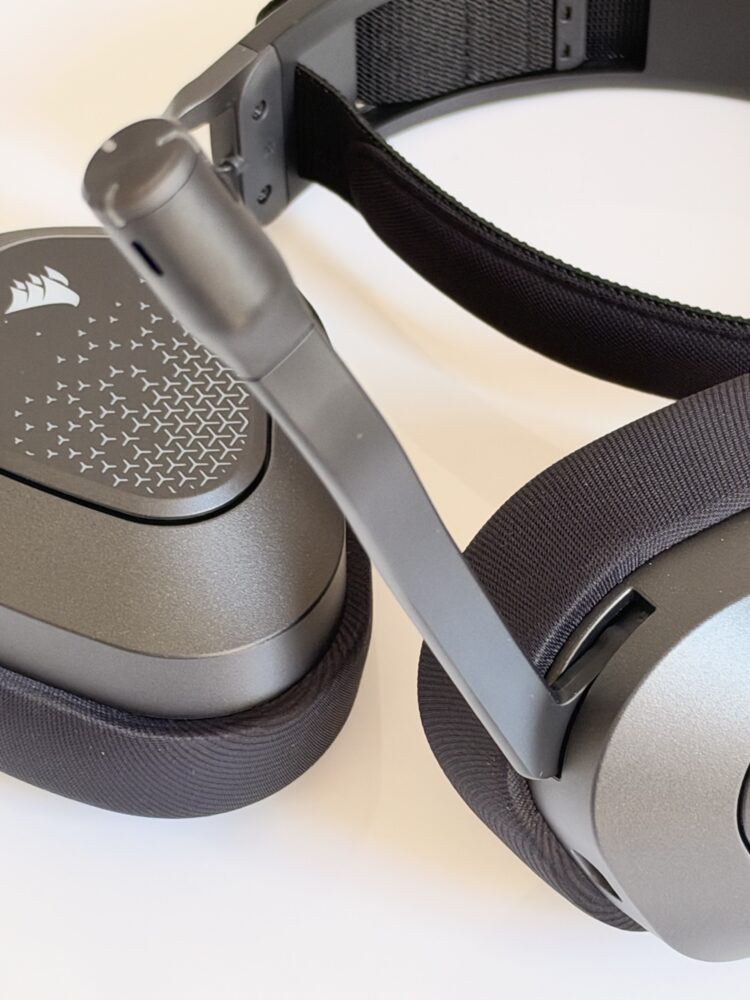
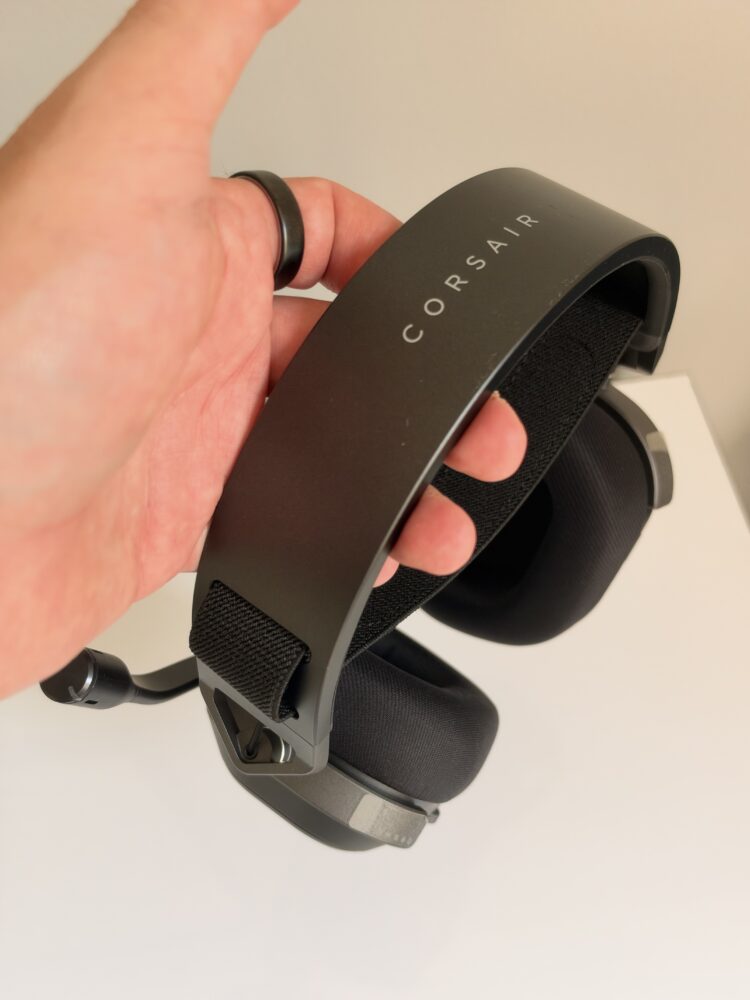
The physical mute mechanism is refreshingly analog in a world of touch sensors and app toggles: flip the boom up and the mic mutes, flip it down and you’re live again, no fumbling for a button mid-clutch. CORSAIR also recommends bending the flexible boom to roughly a 30-degree angle near the corner of your mouth as a starting point, adjustable from there if you’re coming in too hot or too quiet, which is a sensible piece of practical guidance that a lot of headset manuals skip entirely.
Comfort, build and everyday wearability
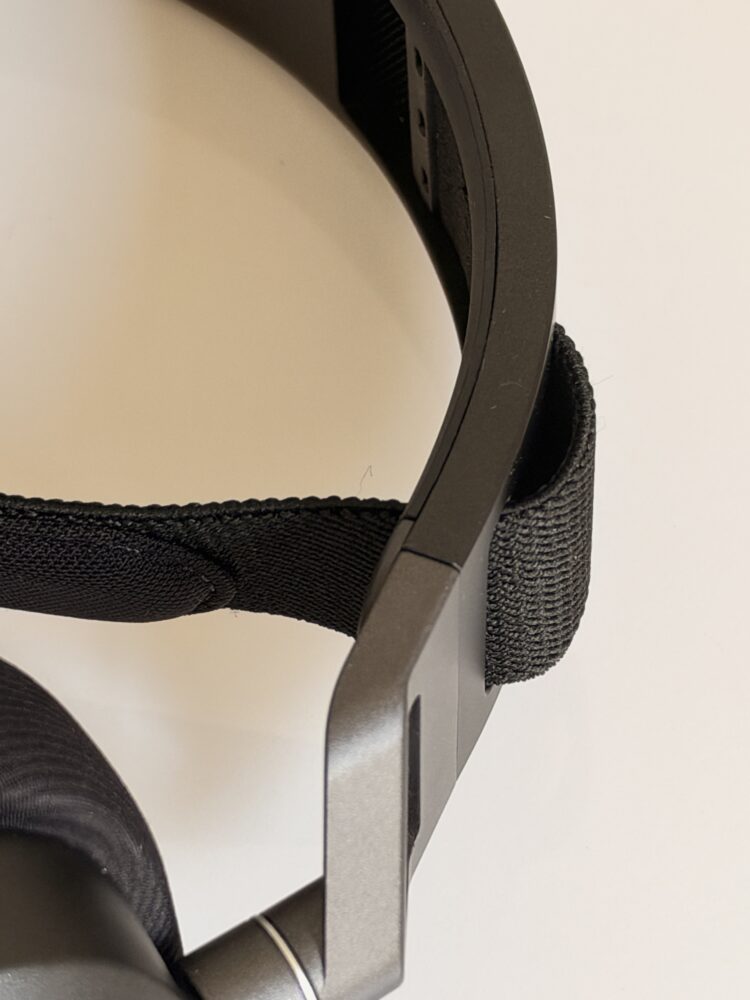
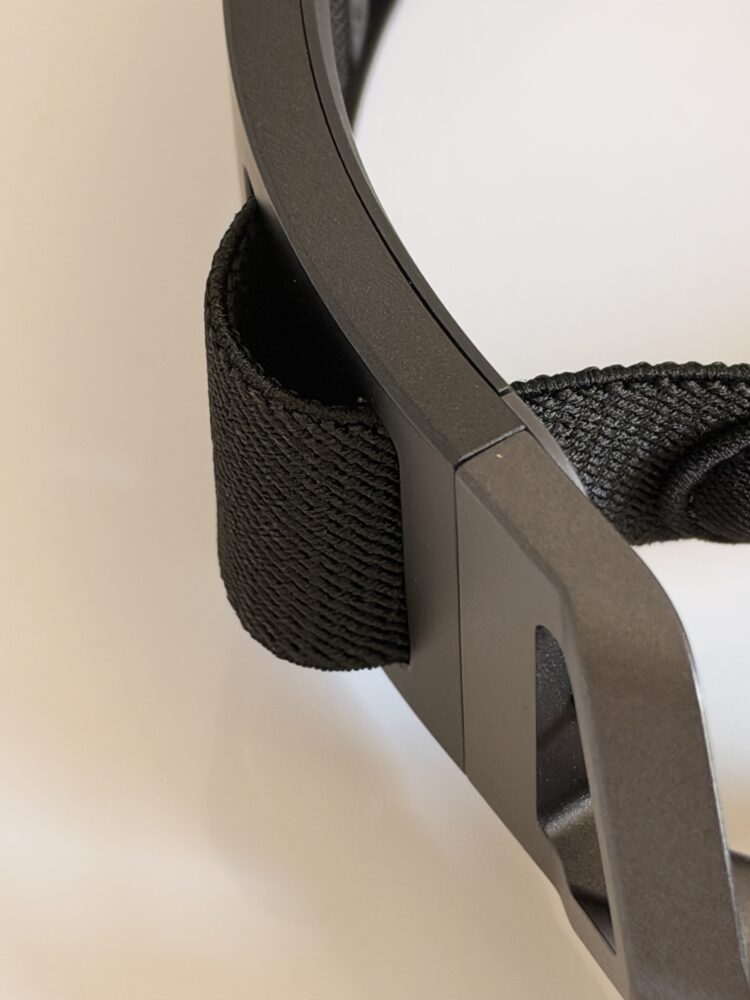
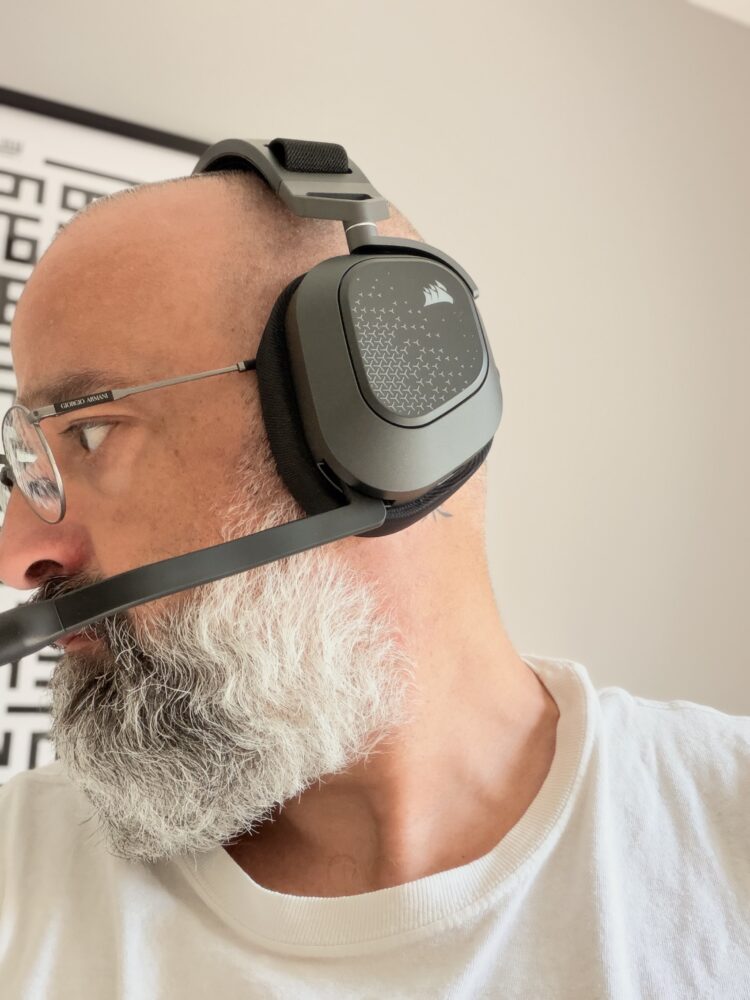
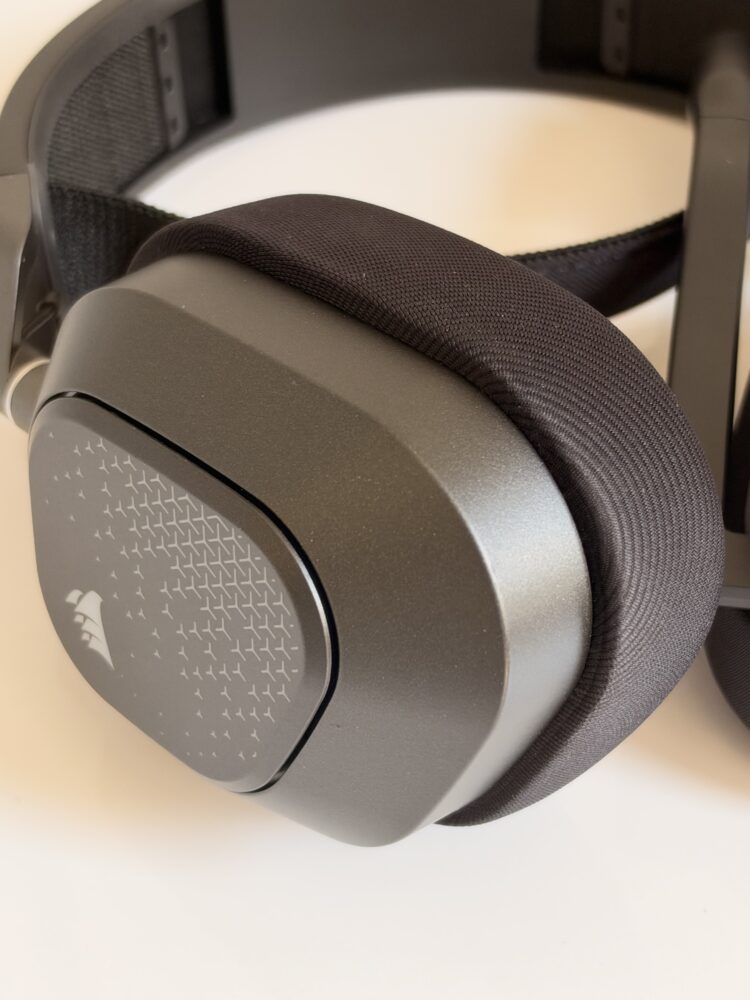
At 370 grams, the HS80 v2 MAX sits on the lighter side for a headset packing 50mm drivers and dual wireless radios, and CORSAIR pairs that with memory foam ear cushions wrapped in durable fabric designed to hold their shape across repeated long sessions rather than flattening out after a few months. The frame itself uses metal construction for durability while CORSAIR keeps the overall build lightweight, a combination that matters a lot more during a five-hour raid night than it does in a five-minute product photo. There’s also a self-adjusting floating headband, which typically means less manual fiddling to get a consistent fit across different head shapes, a small quality-of-life detail that tends to matter more the longer your sessions run.
Wireless performance and battery life
This is where the HS80 v2 MAX genuinely separates itself from a lot of the competition: simultaneous 2.4GHz and Bluetooth connectivity, meaning you can be locked into your game’s low-latency wireless connection while still keeping your phone paired over Bluetooth for calls or music without having to disconnect and re-pair anything. CORSAIR rates battery life at up to 110 hours over 2.4GHz or up to 130 hours over Bluetooth, both figures measured with RGB lighting turned off, and backs that with fast-charging claims of roughly six hours of playback from just 15 minutes plugged in. Triple-digit battery figures used to be a novelty in this category, and now that they’re becoming more common, the real differentiator is whether a headset can hit those numbers while still running two radios simultaneously, which is exactly the harder engineering problem CORSAIR is claiming to have solved here.
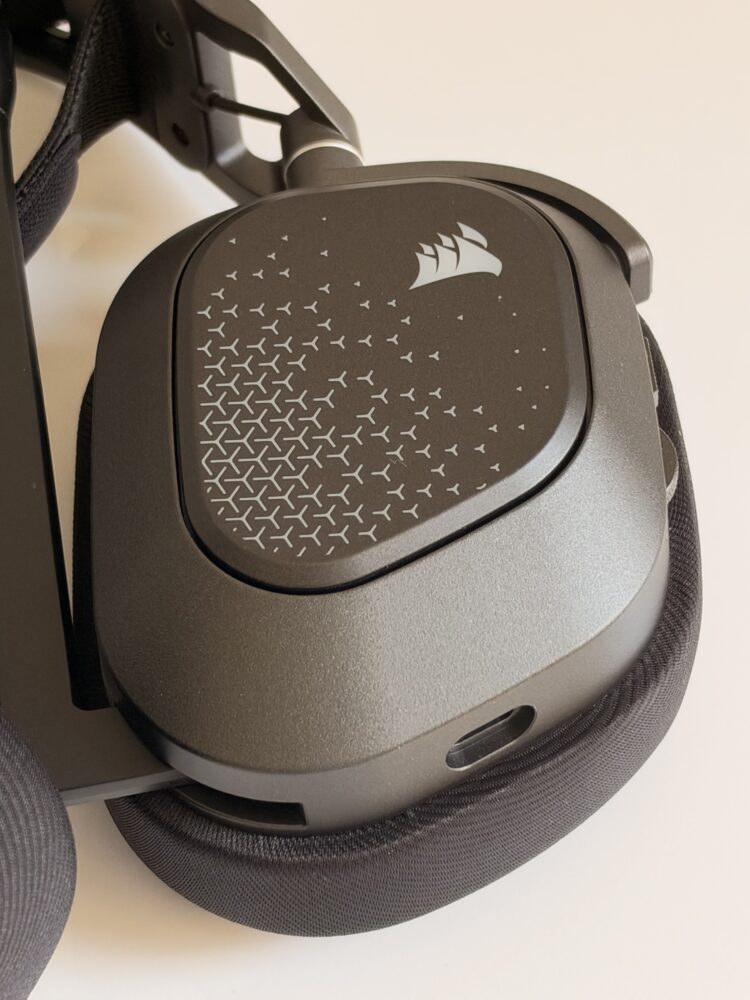
Multiplatform reach is broad too, covering PC, Mac, PlayStation, Nintendo Switch and mobile devices via Bluetooth, so this isn’t a headset that locks you into one ecosystem if your gaming habits span a PC and a console. The included wireless USB receiver is rated for up to 50 feet of range, though CORSAIR is upfront that walls, other wireless devices and general electronic clutter can eat into that in practice, which is just physics rather than a knock against the product specifically.
Software and customization through iCUE
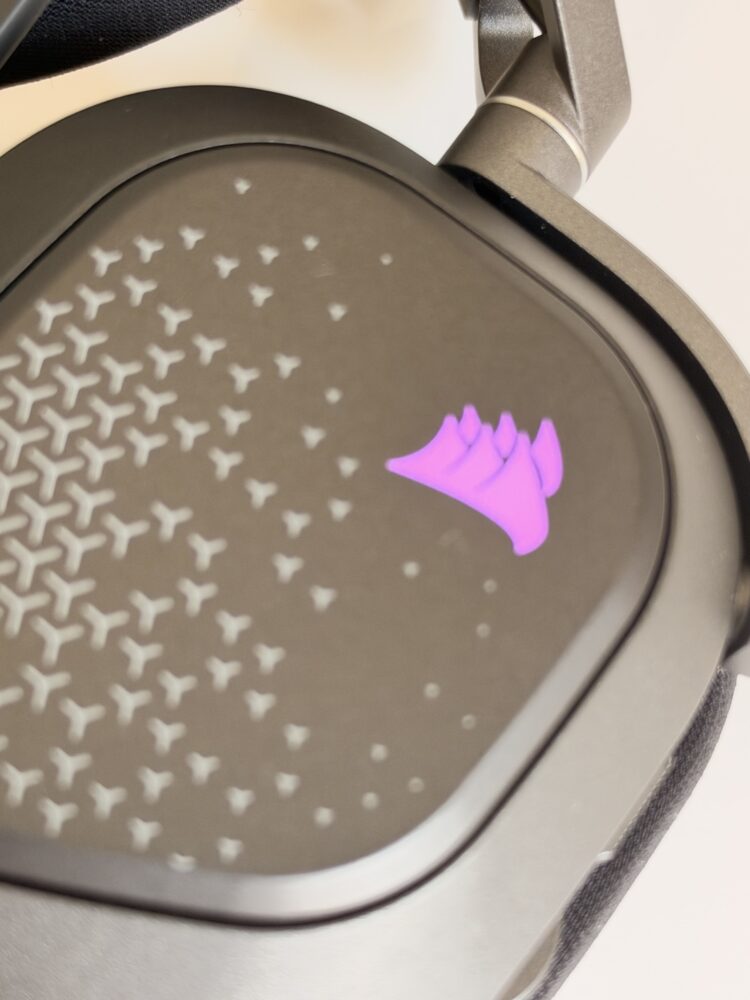
Rather than a standalone companion app, the HS80 v2 MAX plugs into CORSAIR’s broader iCUE ecosystem, the same software hub that unifies lighting and control across the company’s wider peripheral lineup. Inside iCUE you get equalizer presets, lighting effects, and a genuinely flexible Key Assignments system that lets you remap the headset’s Scroll Press button, which cycles through EQ presets by default, to other functions like toggling mute on or off instead. It’s a small feature on paper, but reassigning a physical control to whatever action you actually reach for constantly is the kind of customization that pays off every single session rather than just looking good in a settings menu screenshot. CORSAIR does note that using the headset without iCUE installed disables some features, so anyone allergic to running peripheral software should know upfront that skipping it means leaving capability on the table.
Who should buy the HS80 v2 MAX Wireless, and who should look elsewhere
This headset makes the most sense for competitive and semi-competitive gamers who live and die by audio cues, players who need to hear a reload or a footstep the instant the chaos of a firefight settles, and who’ll actually benefit from Dolby Atmos positioning on PC. It’s also a strong pick for anyone juggling a PC gaming session with phone calls or music on the side, since the simultaneous dual wireless setup solves a genuinely annoying problem that plagues single-radio headsets. The long battery life is a real quality-of-life win for anyone who’s tired of mid-session low-battery warnings derailing a raid or a ranked match.
If you’re primarily a console player chasing Atmos-style spatial audio, temper your expectations since that particular feature is PC-exclusive here. Similarly, if you don’t run an NVIDIA RTX graphics card, the AI-assisted Broadcast mic enhancement simply isn’t available to you, leaving you reliant on the mic capsule’s built-in pop filter and natural noise handling alone. And if you have zero interest in installing yet another piece of peripheral software just to unlock full functionality, that’s a real friction point worth weighing before you buy.
Verdict
The CORSAIR HS80 v2 MAX Wireless makes a compelling case through genuinely useful engineering choices rather than empty marketing flourishes, the non-Newtonian diaphragm material addresses a real and specific competitive-audio problem, the dual wireless setup solves an everyday annoyance, and the battery figures are legitimately class-leading on paper. The gated features are the headset’s clearest weak points: Dolby Atmos locked to PC, NVIDIA Broadcast locked to RTX owners, and full functionality gated behind installing iCUE. None of those caveats are dealbreakers, but they do mean the “complete” experience depends heavily on what hardware and platform you’re already running. For gamers whose setup lines up with those requirements, this looks like one of the more thoughtfully engineered wireless headsets in its price bracket.