

Konami’s legendary vampire-hunting franchise finally returns with an ambitious new chapter that combines classic Castlevania exploration with some of the most exciting combat the series has seen.
Castlevania is one of those rare franchises that helped define an entire genre. Games like Symphony of the Night set standards for exploration and character progression that developers continue to follow decades later. Yet, while games like Hollow Knight and Prince of Persia: The Lost Crown continued pushing the Metroidvania genre forward, Castlevania itself remained largely absent from the conversation. That makes Castlevania: Belmont’s Curse an important release for Konami, particularly as the franchise celebrates its 40th anniversary.
Developed by Evil Empire, with advisory involvement from Motion Twin, the teams associated with Dead Cells, this latest entry brings the series back to its 2D roots. There’s a fresh protagonist, a visually striking interpretation of gothic horror and a considerable emphasis on faster combat and the result is a genuinely promising return for a franchise that has spent far too long on the sidelines, even if some of its design decisions may divide longtime fans.
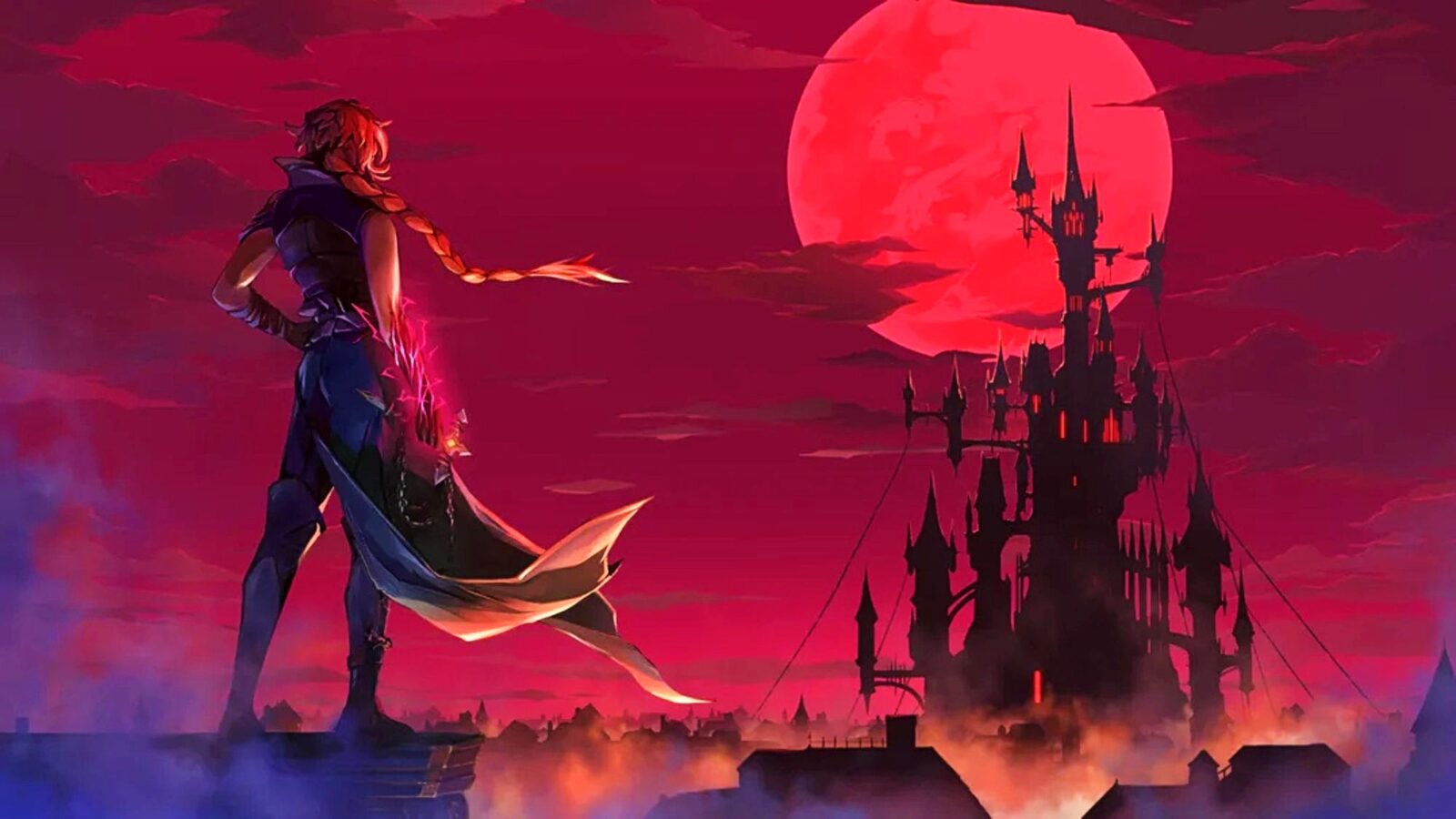
A New Belmont Takes Centre Stage
Set in Paris in 1499, 23 years after the events of Castlevania III: Dracula’s Curse, the game introduces Rose Belmont, daughter of Trevor Belmont and Sypha Belnades.
For longtime followers of the franchise, this immediately gives the story some significance. Trevor and Sypha are among Castlevania’s most recognisable characters, thanks in part to the Netflix animated series, and seeing their legacy explored through the next generation makes for an interesting starting point. Rose accompanies an ageing Trevor to Paris, where supernatural creatures have overrun the city. What begins as another mission for the Belmont family gradually develops into a much more personal journey involving Rose’s mysterious curse and her late mother’s legacy.
The narrative places greater emphasis on family relationships than many previous Castlevania games. Rose is an interesting addition to the Belmont bloodline, and her struggle with the responsibility that comes with the family name provides some welcome emotional depth.
One of the more creative additions is the use of tarot cards, inherited from Sypha, which become central to both the story and gameplay. Defeated bosses are absorbed into these cards, granting Rose new abilities while allowing those characters to remain involved in the adventure through dialogue. It’s a clever way of giving enemies more personality and making boss encounters feel relevant beyond the immediate challenge.
The story also incorporates elements of French history and mythology, with figures such as Joan of Arc appearing alongside familiar Castlevania monsters. There’s plenty here for returning fans to appreciate, while newcomers should have little difficulty following Rose’s journey.
The Whip Makes the Difference
Combat is easily one of the most exciting aspects of Belmont’s Curse. Anyone familiar with Dead Cells will recognise some of Evil Empire’s influence. Rose is considerably more agile than many of her predecessors, with movement and combat built around dodging, positioning and switching between weapons.
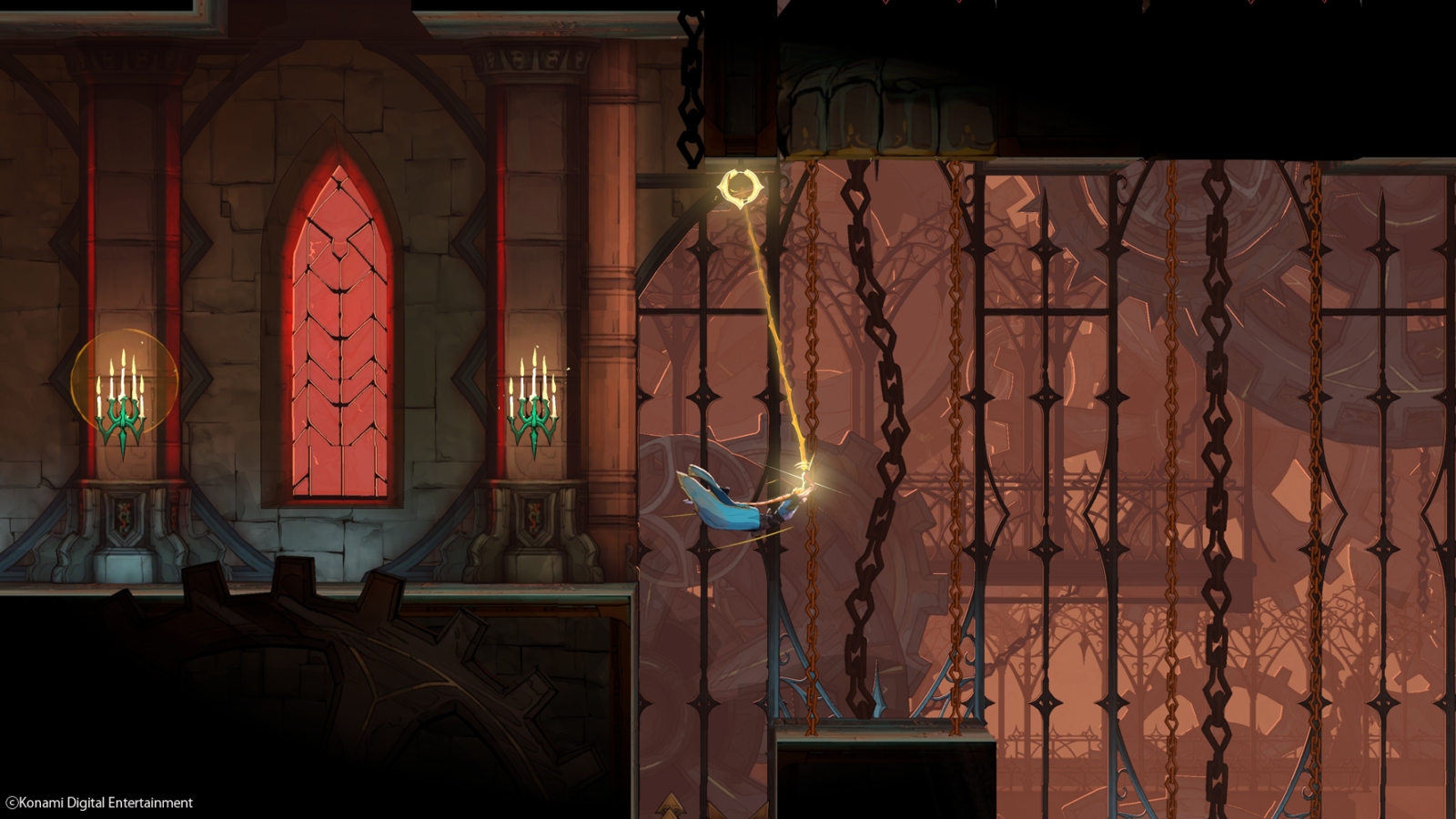
The biggest improvement comes from the way the game handles Castlevania’s iconic whip.
The newly acquired Arcane Whip allows Rose to grapple onto designated points in the environment and swing across large gaps. More importantly, it can also be used to pull herself towards enemies, setting up powerful attacks depending on her equipped weapon. This fundamentally changes the rhythm of combat. Rather than constantly waiting for enemies to approach, Rose can take the initiative, closing distances quickly and chaining attacks together.
The system adds a satisfying degree of verticality to encounters, particularly when combined with abilities unlocked later in the adventure. There’s also a surprisingly varied selection of weapons, spread across seven categories.
Swords provide a dependable balance of speed and damage, while spears offer greater reach and can be thrown at enemies. Gauntlets favour aggressive close-range combat, and other equipment choices allow players to build around their preferred fighting style.
Weapon selection matters because different enemies reward different approaches. Simply relying on one favourite attack will not always produce the best results. The tarot-based Arcana system expands those options further.
Rose can equip magical abilities obtained from defeated bosses, ranging from familiar Castlevania attacks like the returning boomerang cross to defensive techniques and more elaborate spells. These abilities can also be improved by completing specific challenges, encouraging players to experiment with their powers.
While the system offers meaningful customization, some of these upgrade requirements can feel unnecessarily repetitive. Having to perform certain actions repeatedly to improve a spell occasionally makes progression feel more like completing a checklist.
Nevertheless, the range of combat options is impressive, and the flexibility should appeal to players who enjoy experimenting with different builds.
Exploration Feels Familiar, Albeit With a Few Frustrations
As expected from Castlevania, exploration remains a major part of the experience.
Paris provides an interesting change of scenery, taking Rose through ruined streets and underground catacombs before the adventure expands into the increasingly elaborate environments associated with Dracula’s castle. Areas are interconnected, with pathways that gradually become accessible as new abilities are unlocked.
The familiar satisfaction of discovering a previously inaccessible route is very much present. Returning to an earlier location with the right ability can lead to valuable equipment and additional secrets. There is also a stronger focus on platforming than some players may expect.
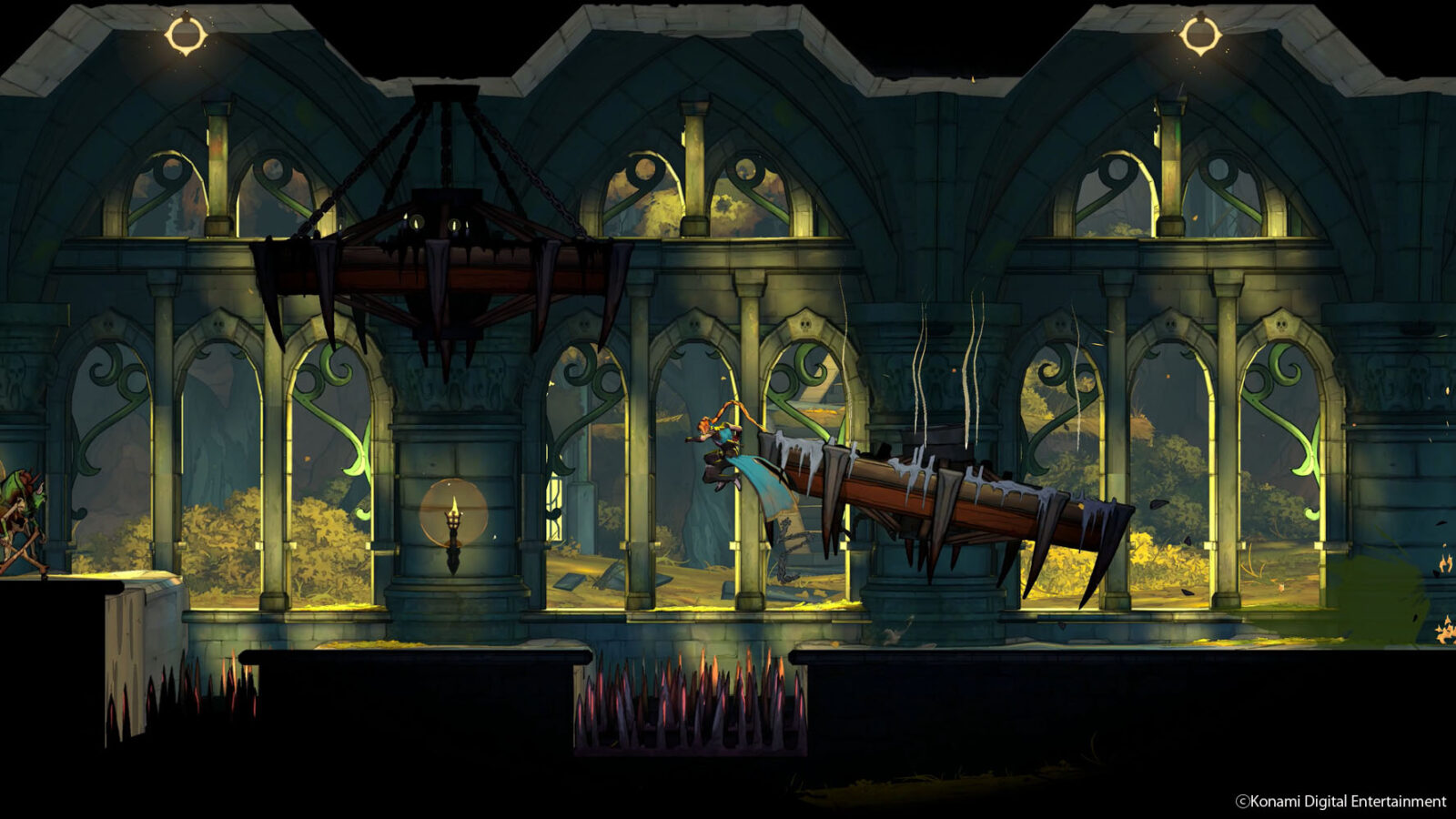
Whip swinging requires practice, particularly during sections involving narrow platforms and hazardous environments. As the game introduces more movement abilities, players are expected to combine them with increasingly precise timing. These sections should appeal to those who enjoy a meaningful mechanical challenge.
However, the whip can sometimes feel slightly sluggish when absolute precision is required, leading to frustrating moments during more demanding traversal sequences. The game’s map design is similarly a little inconsistent. There are some wonderfully designed areas with rewarding puzzles and cleverly hidden routes. Unfortunately, certain sections also involve lengthy backtracking, and discovering that you’ve reached another dead end can interrupt the momentum.
Another noticeable change is the reduced emphasis on traditional RPG systems. Unlike entries such as Symphony of the Night, defeated enemies do not shower players with equipment or money. Most meaningful items are discovered through exploration, while character growth relies on experience, weapons and relics.
This creates a more focused progression system, although fans who enjoyed farming rare enemy drops or collecting extensive inventories may find the approach somewhat restrictive. Some equipment and movement options also arrive relatively late in the adventure, limiting how much opportunity players have to experiment with them during a normal playthrough.
Boss Battles Are a Highlight
Castlevania has always been associated with memorable boss encounters, and Belmont’s Curse continues that tradition.
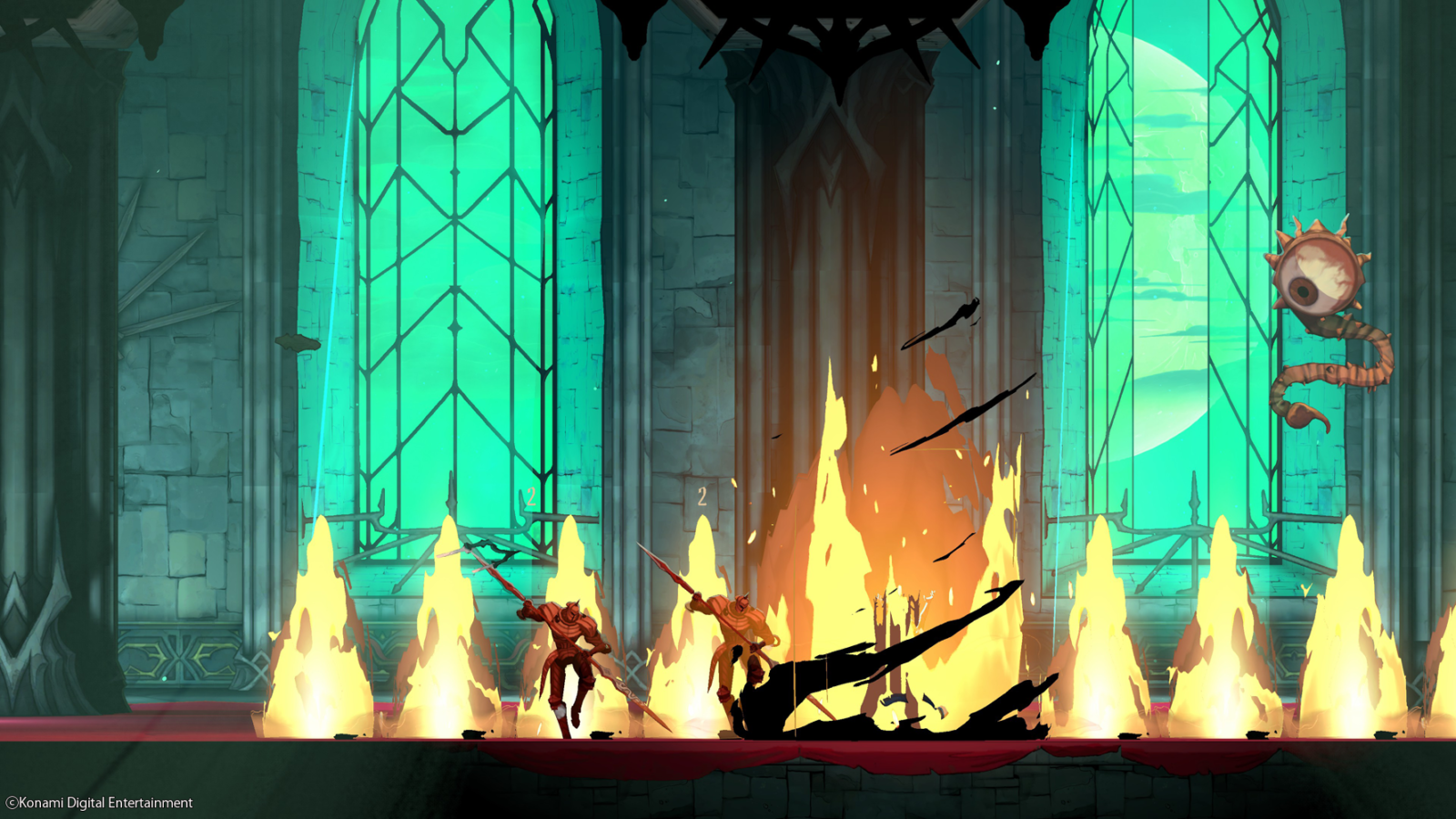
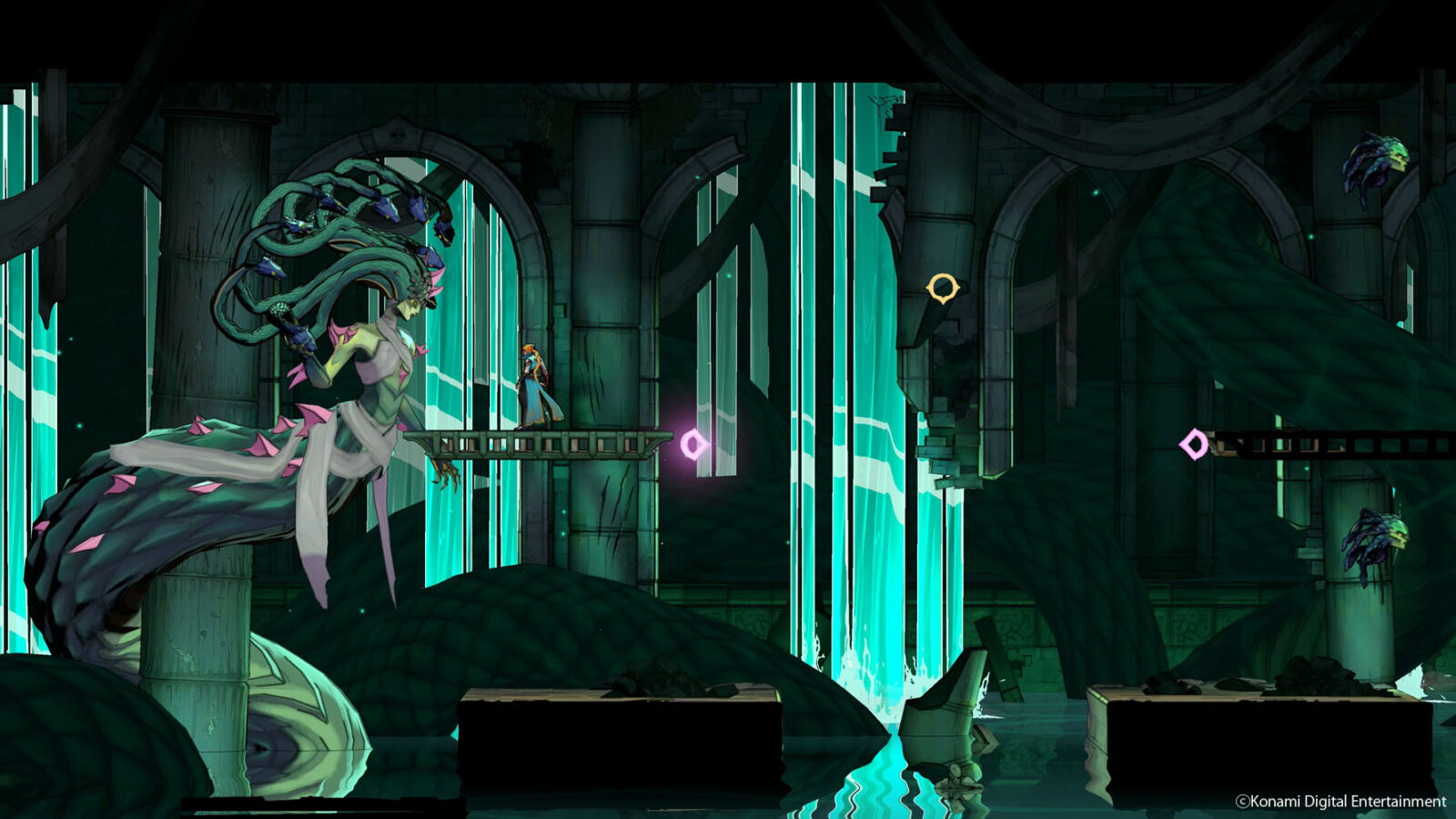
The game brings back familiar enemies such as Medusa, Death and Carmilla, while also introducing some unusual opponents inspired by historical figures. These fights are designed around recognising attack patterns and understanding which weapons or abilities work best against particular enemies.
For instance, encounters can require players to dodge elaborate sequences of attacks before identifying an opening to retaliate. Others encourage the use of specific mechanics learned during exploration.
The bosses hit hard, and rushing into an encounter without understanding its mechanics is rarely an effective strategy. However, the difficulty generally feels well considered. There is a clear sense of progression as players learn how to approach each encounter.
The ability to adjust damage and healing settings also makes the experience more accessible for those who prefer a less demanding adventure. The decision to reward players with new Arcana abilities after defeating bosses is particularly satisfying. These victories directly influence how Rose approaches subsequent encounters, providing another incentive to keep progressing.

A Gorgeous New Look for Castlevania
Visually, Belmont’s Curse makes an excellent impression. Evil Empire has adopted a colourful, stylised approach that gives the gothic environments considerable personality. The combination of detailed 2D backgrounds and three-dimensional character models produces a distinctive presentation, with dramatic lighting and elaborate architecture helping establish the atmosphere.
The environments have an almost illustrated quality, especially when exploring the grand interiors of Dracula’s castle. Character illustrations and tarot card artwork are equally impressive, giving the game an artistic identity that feels appropriate for Castlevania’s return.
The soundtrack, however, is likely to be more divisive. Composer Danny Asadi combines traditional gothic influences with modern electronic elements. While this suits the game’s updated presentation, the music does not always reach the memorable heights associated with the franchise’s best soundtracks. Classic Castlevania themes set an incredibly high standard, and the newer compositions do not consistently deliver the same impact.
Some returning tracks receive modern arrangements, although these interpretations may not appeal to everyone. It’s a shame, considering how important music has been to Castlevania’s identity over the years.
Verdict
The game spans for approximately 15 to 20 hours, with additional time required for players interested in uncovering secrets and pursuing side content. Considering the amount of exploration involved and the variety of available combat options, there is a reasonable amount of content here to justify the asking price.
Longtime Castlevania fans should find plenty to appreciate, particularly those who have been hoping for a proper continuation of the series’ exploration-focused games. There are enough familiar enemies and references to make this feel connected to the franchise’s history.
For newcomers, Belmont’s Curse also provides a fairly approachable entry point. Its narrative does not demand extensive knowledge of Castlevania’s complicated timeline, and the adjustable difficulty options make the experience more accommodating.
Players expecting something as expansive in its RPG systems as Symphony of the Night should temper those expectations. There is also a legitimate argument that more recent Metroidvania games have already explored many of the ideas presented here. Belmont’s Curse draws heavily from established genre conventions, and its innovations are primarily concentrated in its combat mechanics.
Castlevania: Belmont’s Curse has a lot riding on its shoulders. The franchise has an incredible legacy, and expectations for its return were always going to be high. Fortunately, Evil Empire appears to have understood what makes these games enjoyable.
The emphasis on fluid combat gives the action a welcome sense of energy, while the tarot-based abilities bring fresh ideas to character progression. Rose Belmont is also a compelling protagonist, with a personal story that gives the adventure a stronger emotional foundation. There are areas where the game could have benefited from further refinement.
Some platforming challenges can become frustrating, the removal of traditional RPG features may disappoint longtime fans, and the soundtrack struggles to match the franchise’s finest work. The increasingly competitive Metroidvania genre also means that Castlevania can no longer rely entirely on its reputation to stand out. Even so, Belmont’s Curse makes a strong case for the series having a meaningful future. At $29.99, there’s enough here to satisfy returning fans while giving a new generation of players a chance to discover what made Castlevania so influential.
After years of collections, remasters and spin-offs, seeing a proper new Castlevania adventure feels long overdue.
The game code was provided by © Konami Digital Entertainment