

TL;DR: Annihilated is a forgiving, story-driven roguelite where your choice of broken hero changes the journey and breaking weapons powers your biggest attacks. The Mage route, art and soundtrack stand out, while rough translation, long monologues and sometimes shallow combat hold it back.
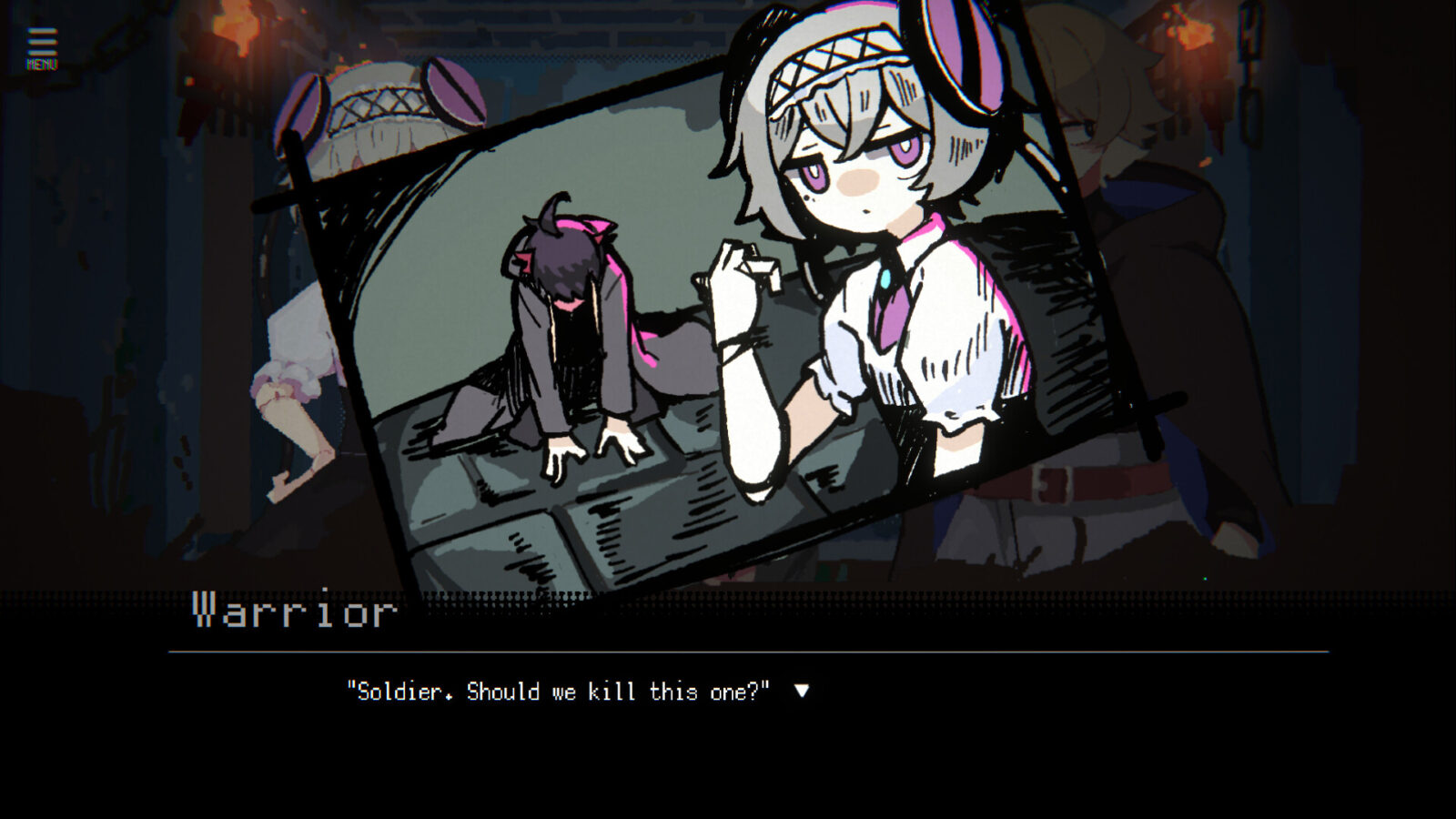
Annihilated begins after the heroics have already gone wrong. You play as the Soldier, the last survivor of a rescue squad sent into the demon king’s dungeon to bring back the legendary Hero’s party. When you finally find them, they’re casually playing cards, and it quickly becomes clear that each has lost what once defined them. The Mage can’t use magic, the Warrior’s body has been replaced with a doll’s, the Priest has lost faith, and the Hero can only answer yes or no. They’ve also been cursed with immortality, so every failed escape sends them back to where they started.
You can only take one hero with you on each escape attempt. That rule feels more like a design decision than something the story fully justifies, but it shapes the entire experience. Developed by Death Kumiai and published by Death Kumiai and Flashlight Games, Annihilated launched on November 10, 2026 for Windows PC. It’s technically a story-driven roguelite RPG, but its real strength is how much it cares about its characters.
A roguelite that lets the story lead
Roguelites often struggle with storytelling because repeated runs can bury important moments under hours of grinding. Annihilated avoids that by being unusually forgiving. When the Soldier falls, you can redistribute some stats and craft new items before restarting at the beginning of the current floor instead of the entire run. The game also saves whenever you rest, so reloading after a loss is always an option.
Players looking for harsh roguelike punishment may find this too generous. I found it refreshing because the game clearly wants you to reach the end of each story. Failure still matters, but it rarely becomes frustrating enough to make you stop playing. That balance keeps attention on the characters instead of endless repetition.
Four routes with very different emotional journeys
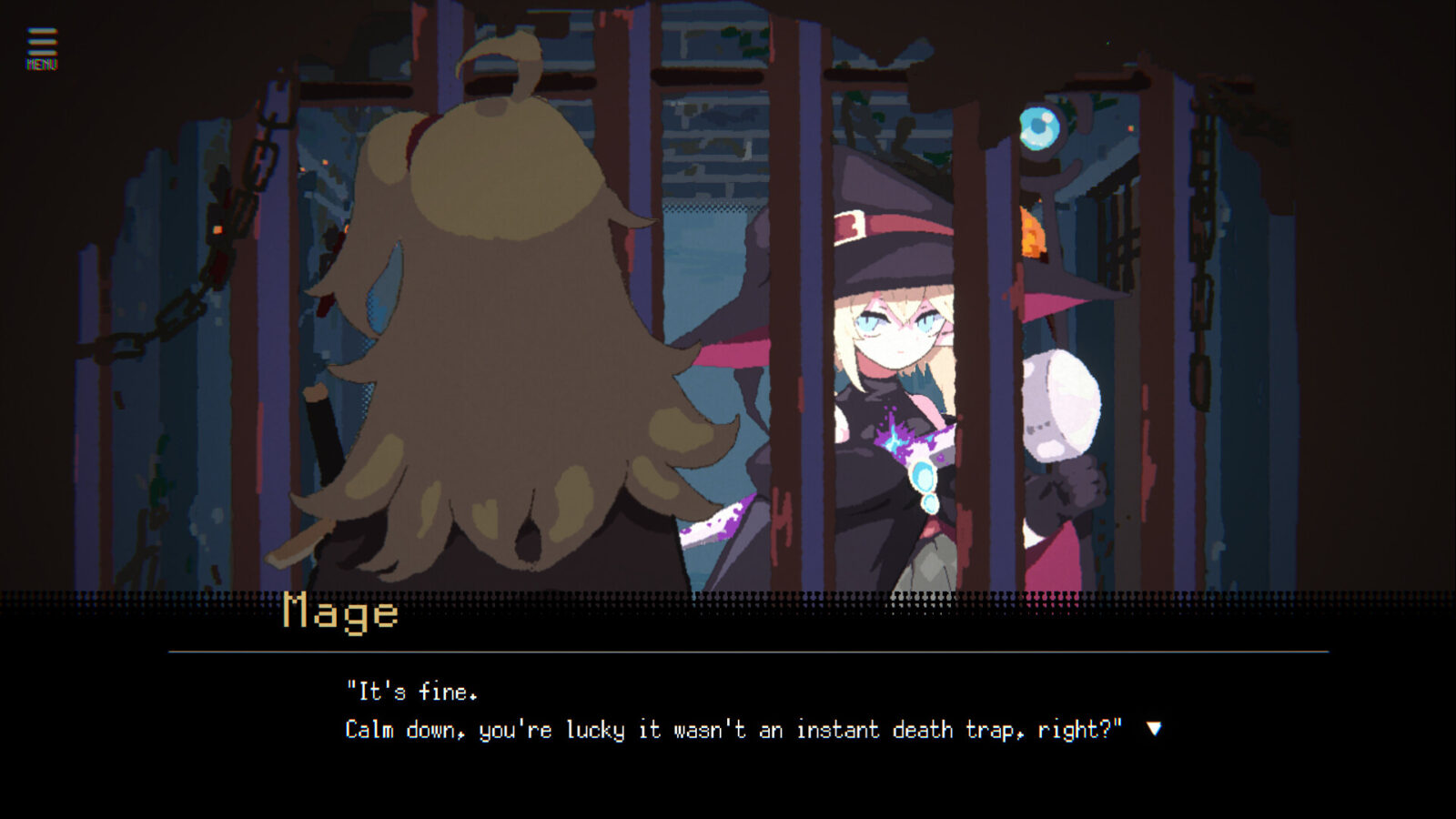
Each hero has a separate story route. The dungeon structure stays similar, but the emotional focus changes significantly depending on your companion. Every route explores loss, guilt and the pressure of a role the character never truly chose. Wanting to understand these people better is the best reason to play more than once.
The routes vary in quality. The Hero’s route is the weakest because his limited speech prevents much of a relationship from developing. The Mage’s route is the strongest, with natural chemistry and a powerful ending, while the Warrior’s cheerful personality hides deeper uncertainty about a life built around fighting. Some major story moments repeat across routes, which makes later playthroughs less fresh, but others change dramatically depending on who’s with you.
Along the way, you’ll meet former allies and enemies of the Hero’s party, and you can choose whether to understand them or simply defeat them. Choosing compassion usually leads to more hopeful endings, making these encounters feel more meaningful than standard boss fights.
Strong pacing, wordy narration
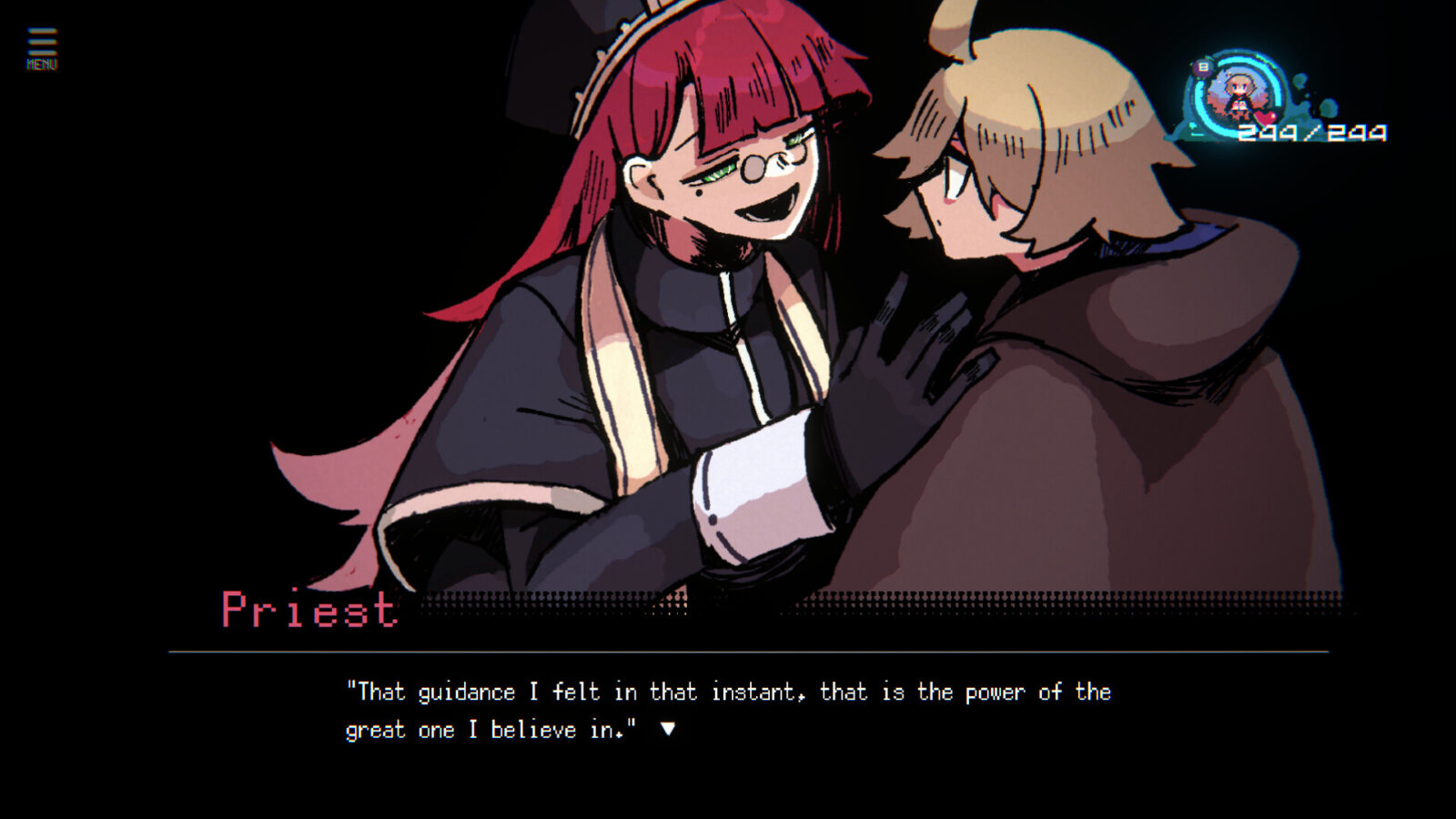
The Soldier has more dialogue than anyone else, including plenty of inner monologue about the heroes, the enemies and the world. This gives the protagonist a real personality, and much of the writing is thoughtful. The problem is that these reflections sometimes run too long and explain emotions the scenes have already communicated. That becomes especially noticeable on the Hero’s route, where the Soldier carries almost every conversation.
The overall pacing is still excellent. Story developments arrive regularly, and dungeon paths usually end with story-related mini-bosses that keep the plot moving. Major revelations are also given time to land instead of being rushed into the next fight, which helps the strongest scenes hit harder.
Annihilated combat gets stronger as your weapons break
You explore the dungeon through a map of connected nodes leading to fights, stat-based random events and rest points. The random events are a highlight, often mixing dark fantasy with absurd humour in a way that gives the world personality. Each path choice also affects how much risk you take before the next major battle.
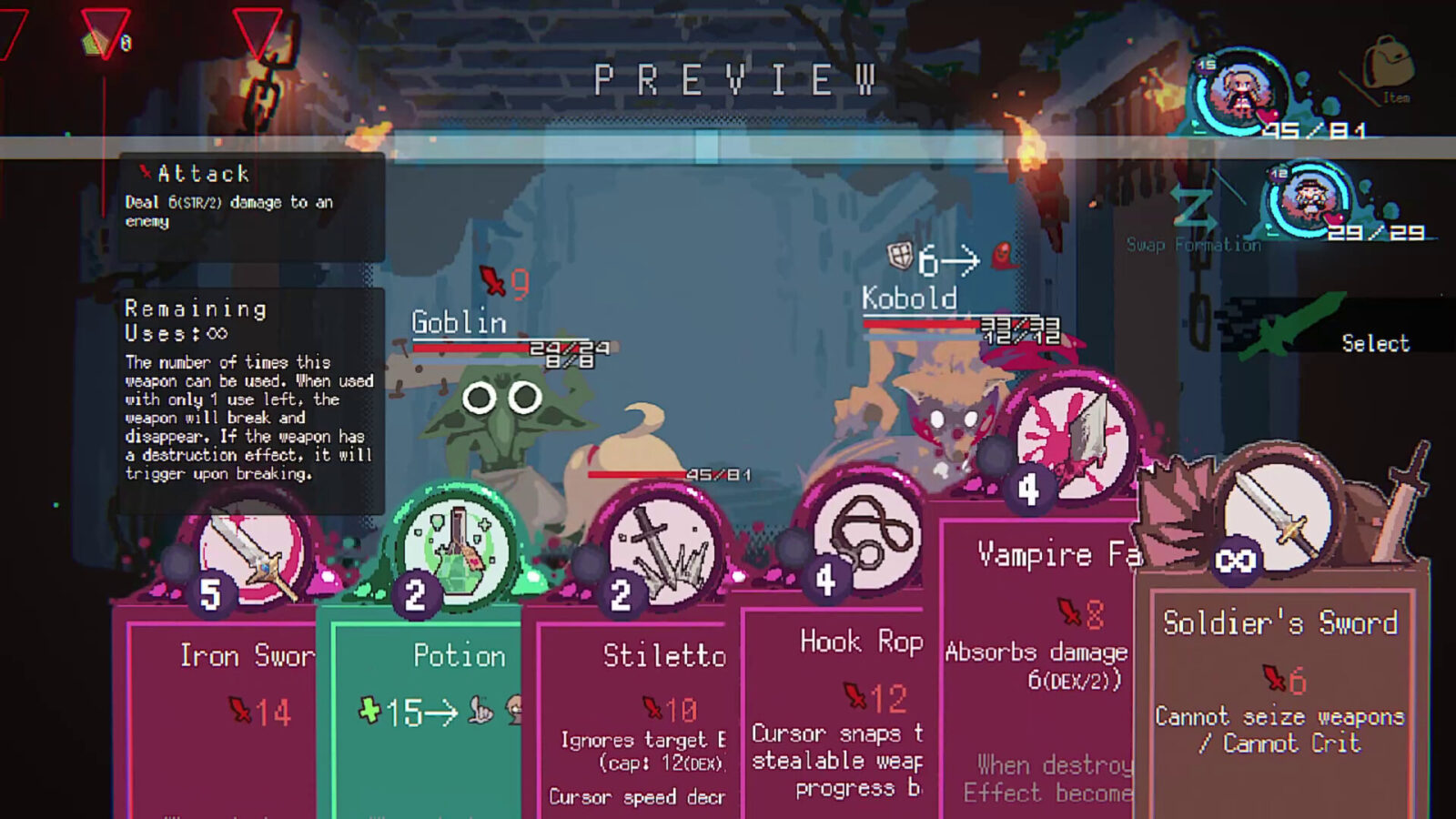
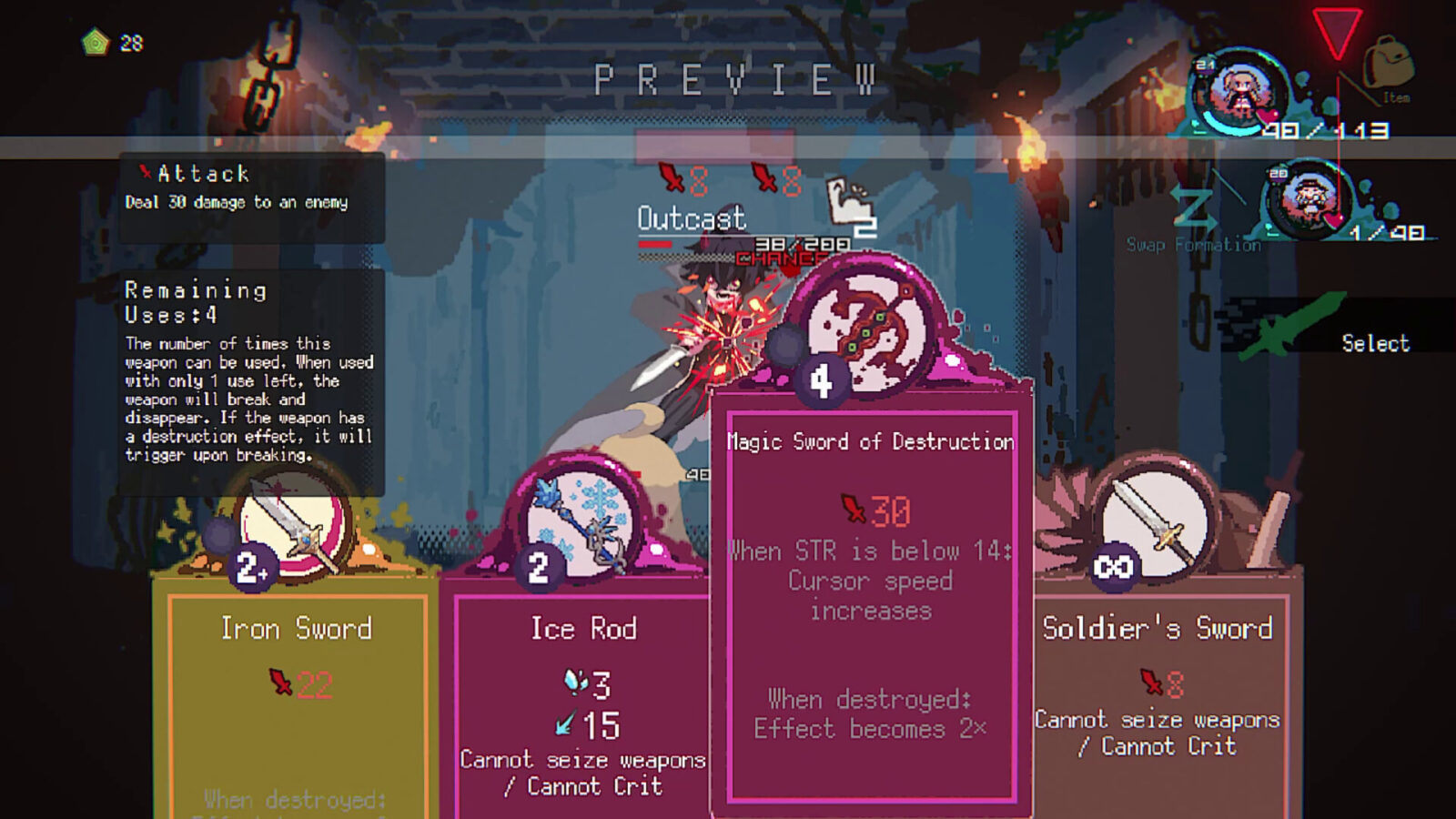
Combat is built around items with limited uses, and they’re strongest on their final use. Depending on the item, that can mean double damage, extra healing or even a stronger copy of itself. Some weapons also let you take enemies’ weapons as theirs break, so your inventory keeps changing. Your unlimited basic attack is always available, but it’s mainly a fallback when better options are gone.
Breaking items earns curse, which you can spend on healing during rests, upgrading item cards, crafting new items and starting future attempts with extra equipment. That connection is clever, but it also creates the combat’s biggest weakness. Because aggressive play gives both damage and currency, the best strategy is often just using your strongest weapon and saving its last use for a dangerous moment. The system is original and fun, but it doesn’t always demand difficult tactical choices.
Timing, probability and partner differences
Annihilated offers timing-based combat, where you click at the right moment during attacks, or probability-based combat, which relies on chance instead. The timing option is especially satisfying when lining up attacks against groups of enemies for big combos. Large fights can become cluttered, though, with overlapping interface elements making important information harder to read. The probability option is a smart accessibility choice for players who want less pressure.
Your companion also changes how combat feels. The Mage starts out fragile because she has lost her magic, so early battles feel like careful survival until you find equipment that works around her limitations. The Hero is the opposite, turning almost any weapon into something devastating. That contrast helps repeat playthroughs feel different even when parts of the story repeat.
Striking art, great music and a rough translation
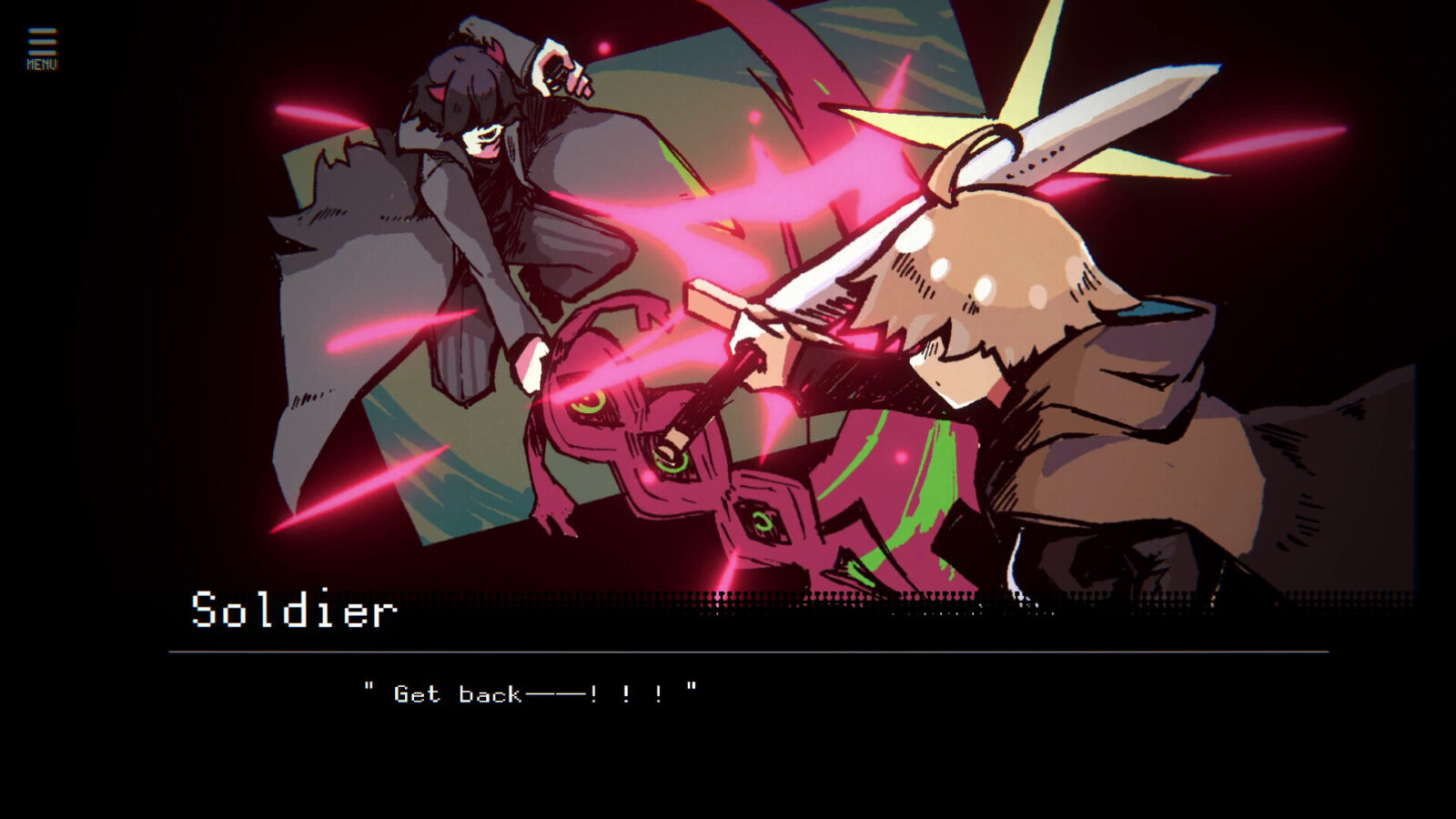
Annihilated’s hand-drawn style blends fantasy and horror with a rough, expressive look that suits its broken world. Important story moments use bold manga-inspired illustrated sequences, and they’re among the most memorable parts of the game. Ninomiya Yuji’s soundtrack is just as impressive, with emotional tracks landing at the right moments and a catchy battle theme that holds up despite frequent repetition.
The English translation is the weakest part of the presentation. The dialogue is understandable, but spelling mistakes, grammar errors and overly literal phrasing appear often enough to notice. Patches have already improved some issues, but in a game this focused on writing, the remaining problems can still be distracting.
Verdict
Annihilated is a memorable roguelite RPG built around broken heroes, meaningful choices and a combat system that rewards breaking your equipment. Its story routes give each companion a distinct emotional journey, with the Mage’s route standing out most. The forgiving structure keeps frustration low, while the art and soundtrack give the game a strong identity. Final-use bonuses, weapon stealing and the choice between timing and probability-based combat also make battles feel genuinely original.
It does have problems. The translation is rough, the Soldier’s monologues can drag, crowded fights become messy, and aggressive play is often the obvious answer. Some repeated story moments also make additional playthroughs less rewarding. Even so, fans of story-driven RPGs, branching narratives or roguelites that value characters over punishment should find Annihilated well worth playing.