
Gamescom Opening Night Live 2026 delivered the usual avalanche of trailers, release dates, sequels, revivals and games that immediately make you wonder where another 200 hours of free time is supposed to come from. But underneath the sheer volume, this year’s show had a surprisingly clear theme: old favourites are coming back, while publishers are becoming increasingly comfortable twisting familiar franchises into completely different shapes.
That gave us everything from a remastered The Witcher 3 and another expansion for Geralt to turn-based Rainbow Six, a rebuilt Rayman Legends, more Final Fantasy VII, a new Metro, and the wonderfully bizarre prospect of Snoop Dogg appearing in Hitman. Meanwhile, several newer games made convincing arguments that 2027 could become painfully expensive.
Not every trailer deserves to occupy permanent storage in your brain, though. These are the Gamescom Opening Night Live 2026 announcements I think geeks should actually be paying attention to.
The Witcher 3 is apparently never retiring
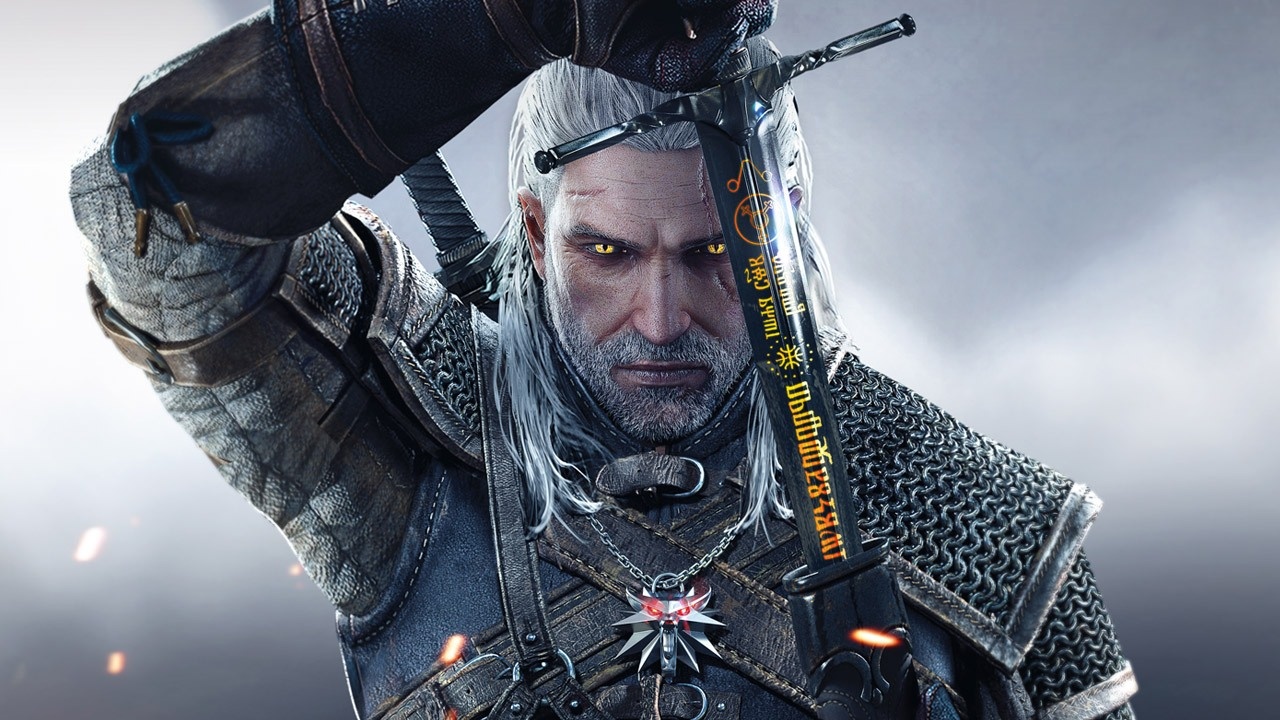
CD Projekt delivered one of the show’s biggest nostalgia critical hits with The Witcher 3 Remastered. The upgrade is scheduled for September 29, 2026 and, crucially, is being offered free to existing owners. That’s the sort of remaster pricing strategy I can get behind: improve a beloved game without asking everyone to purchase Roach’s adventures for the seventeenth time.
More surprising was The Witcher 3: Songs of the Past, a new expansion planned for 2027. Geralt’s 2015 adventure has already had one of gaming’s longest tails, but another substantial reason to return makes this much more interesting than a straightforward graphical refresh. CD Projekt also announced that the game’s two previous expansions are becoming free, considerably lowering the barrier for anyone who somehow avoided them until now.
The bigger question is how meaningful the remaster will feel on modern hardware. The Witcher 3 has already received significant upgrades during its lifetime, so prettier pixels alone won’t necessarily justify another hundred-hour pilgrimage across the Continent. The free-upgrade model makes that concern considerably less important, but the new expansion is ultimately the announcement with the greater potential to make this return genuinely worthwhile.
Final Fantasy VII Revelation is getting wonderfully ridiculous
Square Enix’s Final Fantasy VII Revelation received another major showing and a spring 2027 release window. As the concluding chapter of the Final Fantasy VII Remake trilogy, expectations are already hovering somewhere above the upper atmosphere, and the new footage suggests Square Enix isn’t planning to finish quietly.
The Weapons are becoming major encounters, bringing the original game’s colossal planetary defenders into the remake trilogy’s considerably more cinematic interpretation of Midgar and beyond. The trailer showed battles spanning deserts, underwater environments and aerial sequences, suggesting the finale intends to dramatically broaden both its scale and traversal.
There’s also a new Typhon summon alongside parachutes, grappling hooks and Chocobo-based exploration. More intriguing is the FITS system, which gives characters outfits associated with classic Final Fantasy jobs while granting corresponding abilities. Cloud and Tifa dressing as a Warrior and Black Mage could easily have been cosmetic fan service, but tying those costumes to gameplay gives the system considerably more potential.
The challenge for Revelation is obvious. It has to conclude one of gaming’s most ambitious remake projects while satisfying players who know the original story and those invested in the trilogy’s increasingly unpredictable interpretation of it. No pressure, then. Just the fate of one of the most beloved RPG stories ever made.
Rainbow Six Tactics might be the franchise shake-up we needed
Rainbow Six Tactics is perhaps the most interesting example of publishers looking sideways rather than simply building bigger sequels. Ubisoft Paris is turning Rainbow Six into a single-player, turn-based tactical game, with a 2027 launch planned for PC, PlayStation 5 and Xbox Series X|S alongside several streaming and subscription platforms.
That genre shift sounds dramatic until you remember what Rainbow Six fundamentally represents. Careful planning, positioning, specialised operators and tactical decision-making fit turn-based strategy remarkably well. In some respects, this could actually bring the franchise closer to its methodical roots than another conventional multiplayer shooter would.
The really significant part is the single-player focus. Rainbow Six hasn’t had a dedicated single-player game of this sort in a long time, and Tactics creates room for Ubisoft to emphasise deliberate encounters rather than the competitive balancing requirements surrounding Rainbow Six Siege. Whether the execution delivers is another matter, but conceptually this is much more exciting than simply adding another digit to a familiar sequel.
Metro 2039 puts 4A Games back underground
4A Games revealed Metro 2039 with fresh gameplay and a February 2027 release target. For anyone who appreciates radioactive wastelands, improvised weaponry and the comforting knowledge that something horrible is probably crawling through the tunnel behind you, that’s a significant announcement.
The Metro series has always occupied an interesting space between survival horror, first-person shooting and atmospheric narrative adventure. A new mainline-looking entry therefore has more to prove than simply delivering better graphics. The tension comes from scarcity, environmental storytelling and making every dark corridor feel as though entering it was a catastrophically poor life decision.
The gameplay reveal makes Metro 2039 one of the 2027 titles worth watching closely. After years of increasingly enormous open worlds, a game willing to make smaller spaces feel dangerous again could be exactly the antidote to map-marker fatigue.
Exodus finally has a date
Archetype Entertainment’s sci-fi RPG Exodus is targeting April 7, 2027 for PlayStation 5, Xbox Series X|S and PC. The latest cinematic gameplay footage expanded on its universe and introduced more of Salt, an Awakened octopus mercenary and bounty hunter accompanying protagonist Jun.
Yes, an octopus bounty hunter. Space RPGs have officially progressed beyond merely painting humans blue and calling it alien character design.
The obvious comparison remains Mass Effect, but that’s both useful and slightly dangerous. Exodus needs its own identity rather than becoming a spiritual replacement for somebody else’s Normandy-shaped nostalgia. Its universe, companions and consequences will ultimately matter more than superficial similarities, and the latest showing suggests Archetype understands that characters need to sell this adventure as much as spaceships and gunfire do.
Having a concrete release date changes the conversation considerably. Exodus is no longer an intriguing sci-fi project floating somewhere in hyperspace; it’s becoming one of the major RPGs positioned for 2027.
Warlock: Dungeons & Dragons could make magic genuinely interesting
Invoke Studios revealed more of Warlock: Dungeons & Dragons, a third-person single-player action adventure targeting 2027. Players take control of Kaatri, a veteran weapons master who gains supernatural powers through a pact, with Tricia Helfer performing the lead role.
What makes Warlock worth watching isn’t simply the D&D branding. Its magic is being positioned as a systemic tool used for combat, traversal and puzzle solving rather than an ammunition counter with prettier particle effects. Spells that interact meaningfully with environments can create the sort of player experimentation that fantasy action games often promise but rarely deliver.
The footage also showed melee combat, teleportation, exploration and dialogue. Getting all those systems to work together smoothly will be the real challenge; ambitious magical sandboxes can quickly become a hotbar full of abilities you forget exist. If Invoke can make experimentation feel intuitive rather than cumbersome, however, Warlock could offer a refreshing interpretation of Dungeons & Dragons away from traditional party-based RPG territory.
Gears of War: E-Day finally has its date
Microsoft brought Gears of War: E-Day back into the spotlight with another trailer and an October 6 release date. Returning to the earlier days of the Locust conflict gives the series an opportunity to rediscover the horror underneath all those chainsaw bayonets and shoulders wide enough to require planning permission.
That’s important because Gears works best when its enemies are frightening rather than simply targets waiting behind waist-high cover. The original game combined brutal action with an oppressive atmosphere that later instalments naturally expanded into larger military spectacle.
E-Day has an opportunity to reconnect those two identities. Fans already know where the wider story goes, so the value here isn’t discovering the eventual outcome. It’s experiencing the moment the world changes and seeing familiar mythology from a more vulnerable perspective.
Silent Hill: Townfall keeps the horror revival alive
Konami’s continuing Silent Hill revival also made an appearance with another look at Silent Hill: Townfall. The English cast includes Jovan Adepo as Simon Odell, Terry O’Quinn as the mysterious Richard and Kezia Burrows as nurse Zoe.
The setup brings Simon back to the remote St. Amelia after being summoned by Richard, while Zoe communicates through static-filled CRT imagery. The trailer also offered glimpses of the creatures pursuing Simon, keeping the emphasis firmly on psychological unease rather than transforming Silent Hill into an action blockbuster wearing a fog machine.
For horror fans, Townfall remains interesting precisely because it doesn’t need to imitate the mainline games beat for beat. Spinoffs have room to experiment with structure and presentation while retaining the oppressive psychological DNA that makes Silent Hill distinctive. After years when the franchise seemed effectively buried, having multiple interpretations of it in development is still slightly surreal.
Rayman Legends Retold is much more than a resolution bump
Ubisoft is revisiting one of its most beloved platformers with Rayman Legends Retold, developed by Ubisoft Montpellier and Ubisoft Milan. Rather than simply polishing the 2013 original, the project rebuilds its world using 3D visuals while introducing a new story and fully voiced cinematics.
That’s a considerably more ambitious proposition than a standard remaster. It also makes the project riskier. Rayman Legends remains adored because its controls, level design, rhythm and visual personality work together almost absurdly well, so changing too much could be the platforming equivalent of deciding the Millennium Falcon would look better with square windows.
Still, a more substantial reinterpretation gives existing fans an actual reason to care. Preservation matters, but if Ubisoft wants players who already know Legends intimately to return, new material and a substantially different presentation make far more sense than another basic rerelease.
Turok: Origins keeps the dinosaur hunting multiplatform
Turok: Origins is heading to PlayStation 5, Xbox Series X|S, Nintendo Switch 2 and PC in spring 2027, with both online and offline play confirmed. That platform spread alone makes it one of the more accessible major action releases revealed during the show.
The return of Turok is interesting because dinosaur-heavy shooters remain weirdly uncommon considering the universal truth that dinosaurs improve approximately 93 percent of entertainment. That’s not a scientific figure, obviously, but I stand by the principle.
The important detail here is offline support. At a time when action games increasingly arrive tethered to servers, knowing Turok: Origins can function away from an online connection gives it additional appeal. We’ll need to see how substantial that offline experience actually is, but the commitment is welcome.
Crimson Desert Enhanced makes an already huge game bigger
Crimson Desert is evolving into Crimson Desert Enhanced through a free 2.0 update. The new version adds additional story content and cutscenes, effectively expanding the game rather than packaging those additions as a separate paid rerelease.
Free substantial updates are always easier to celebrate than “definitive editions” asking existing players to reopen their wallets. More importantly, new narrative material could help flesh out an experience already built around considerable scale.
The danger with expansions to enormous games is that more content isn’t automatically better content. Open worlds don’t need additional icons merely because developers discovered unused map coordinates. Story-driven additions are potentially more valuable because they can strengthen the experience rather than simply lengthen it.
No Law could be a cyberpunk sandbox worth watching
No Law, from the developers behind The Ascent, was another intriguing showing. It’s a first-person game set in an open-world cyberpunk city, with environmental chaos and physical combat apparently playing substantial roles.
Cyberpunk games are hardly endangered species anymore, so neon lights and dystopian corporations aren’t enough to earn automatic excitement. What No Law needs is strong systemic interaction: a city that feels like somewhere players can manipulate rather than merely a beautiful corridor between mission markers.
The developer pedigree helps. The Ascent demonstrated a strong eye for dense science-fiction environments, and translating that visual sensibility into first person could be spectacular. The project is currently expected in 2027, giving it plenty of time to prove there’s more underneath the neon than another Blade Runner mood board.
Nodus Fall is HoYoverse stepping outside its comfort zone
HoYoverse also announced Nodus Fall, a project described through its reveal as something closer to the territory occupied by games such as Monster Hunter and Elden Ring than the studio’s familiar output.
That alone makes it notable. HoYoverse has become enormously successful with a recognisable combination of anime aesthetics, character-driven progression and ongoing live-service structures. Moving toward heavier action territory could either broaden that formula dramatically or produce an awkward mash-up of systems designed for very different audiences.
Until more details emerge, this is firmly in the “watch closely” category rather than the “clear your calendar” one. But developers taking expensive creative risks are generally more interesting than developers endlessly cloning their previous hit, so Nodus Fall deserves some curiosity.
PUBG: DED.NET takes the franchise somewhere darker
PUBG: DED.NET represents another significant genre and tonal experiment. Set in Cascadia in 1996, its fictional Pacific Northwest-inspired environment provides the backdrop for PvP FPS combat mixed with shifting match conditions and roguelite progression across multiple matches.
The roguelite component is the important bit. Battle royale already creates stories through unpredictability, but persistent multi-match progression could change how players evaluate risk and failure. A bad decision might affect more than the next thirty seconds, potentially making encounters feel considerably more consequential.
The danger is complexity. Competitive shooters can become exhausting when progression systems, character mechanics, currencies and seasonal structures pile on top of the actual shooting. If DED.NET keeps its roguelite ideas readable and meaningful, however, it could expand PUBG without simply building another battle royale arena.
Ananta has a date and an even bigger city
NetEase’s free-to-play urban open-world RPG Ananta is scheduled for January 15, 2027 across PC, PlayStation 5 and mobile platforms. Its latest trailer also introduced Chongxiao, the game’s second major city.
The easy shorthand is “anime GTA,” but that comparison only gets us so far. The real test will be whether Ananta can make its city feel interactive rather than merely enormous and photogenic. Open-world games increasingly compete on density, systemic behaviour and memorable activities, not raw square kilometres.
Its free-to-play model also deserves scrutiny once progression and monetisation details become clearer. A giant city loses some of its magic if the most interesting toys are constantly waving a payment screen at you. The visual ambition is obvious; the economic design may ultimately determine how inviting that world feels.
The wonderfully weird announcements shouldn’t be ignored
Not everything at Opening Night Live needed to arrive carrying a billion-dollar franchise logo. Frictional Games revealed Ontos, featuring Stellan Skarsgård and apparently enough rats to make medieval London look hygienic. Given the studio behind Amnesia, that’s probably not going to be a relaxing wildlife simulator.
Dust Origins from Airship Syndicate brought isometric sci-fi action, while Lofsong from Italian indie developer Unrelated Games made a strong visual first impression. Gravhounds offers third-person cooperative action starring humanoid dogs, because apparently someone finally looked at the industry and correctly concluded it wasn’t strange enough.
Then there’s Pony Island 2 Panda Circus, scheduled for April 27, 2027. Anyone familiar with Pony Island should probably avoid assuming the title explains anything. Some games are best approached without a detailed briefing, like mysterious alien artefacts and unfamiliar buttons on a spaceship.
Familiar names are experimenting instead of standing still
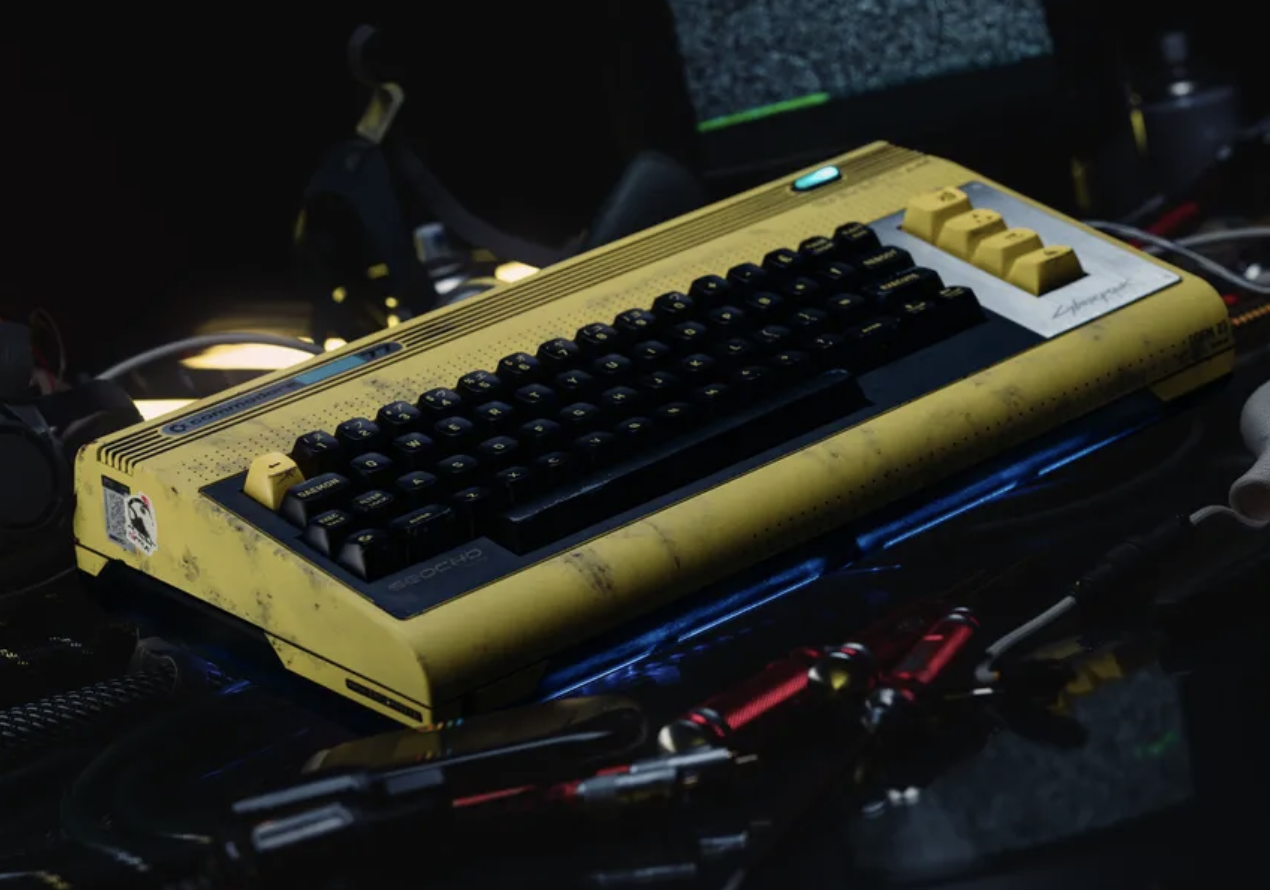
Several smaller announcements collectively told an interesting story about the industry. Heroes of Might & Magic III is receiving a remake, Crazy Taxi World Tour continues Sega’s revival of the chaotic driving series, and Mega Man Dual Override keeps Capcom’s blue bomber active.
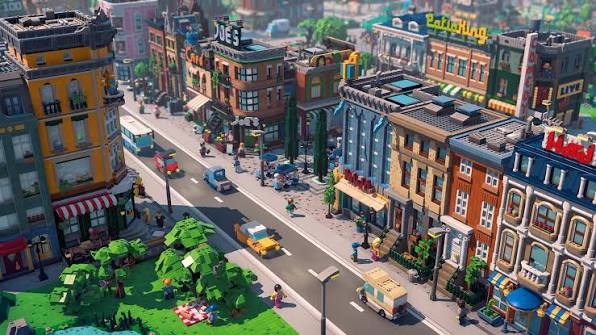
We also got LEGO Skylines, which sounds like an absurdly natural pairing once you think about it. City building is already digital LEGO with zoning regulations and occasional sewage catastrophes, so combining the two concepts practically writes itself.
Game of Thrones: War for Westeros showed more of its real-time strategy interpretation of Westeros ahead of an early 2027 release. That genre makes particular sense for a universe built around territory, armies and political power. The interesting question is whether it can capture the treachery and personality of Game of Thrones rather than reducing Westeros to units marching between resource nodes.
Gamescom 2026 makes 2027 look dangerously crowded
One of the strongest impressions from Opening Night Live wasn’t any individual announcement but how aggressively publishers are filling the 2027 calendar. Final Fantasy VII Revelation, Exodus, Metro 2039, Turok: Origins, Warlock: Dungeons & Dragons, Rainbow Six Tactics, No Law and Game of Thrones: War for Westeros are all pointing toward next year in some form.
That creates an excellent problem for players and a difficult one for publishers. Huge games increasingly compete not just for money but for time, and there’s only so much of that available when RPGs routinely expect dozens or hundreds of hours.
It also means release dates deserve the usual healthy scepticism. Until games go gold, calendar entries are plans rather than sacred prophecies carved into a Hylian stone tablet. Still, even allowing for inevitable movement, 2027 is shaping up to be absurdly busy.