Fortnite’s Gone Wild event arrives on June 25 and runs through July 9, bringing a series of temporary modifiers and activities to Chapter 7, Season 3 across PC, consoles, and mobile platforms. Positioned as an opportunity to re-engage with the game’s ongoing sprite collection mechanics, the event layers on special boosts and themed periods designed to increase player activity during what might otherwise feel like a routine stretch of the season. While such limited-time initiatives have become standard in Fortnite’s live service approach, they continue to serve as effective tools for refreshing interest without overhauling core gameplay.
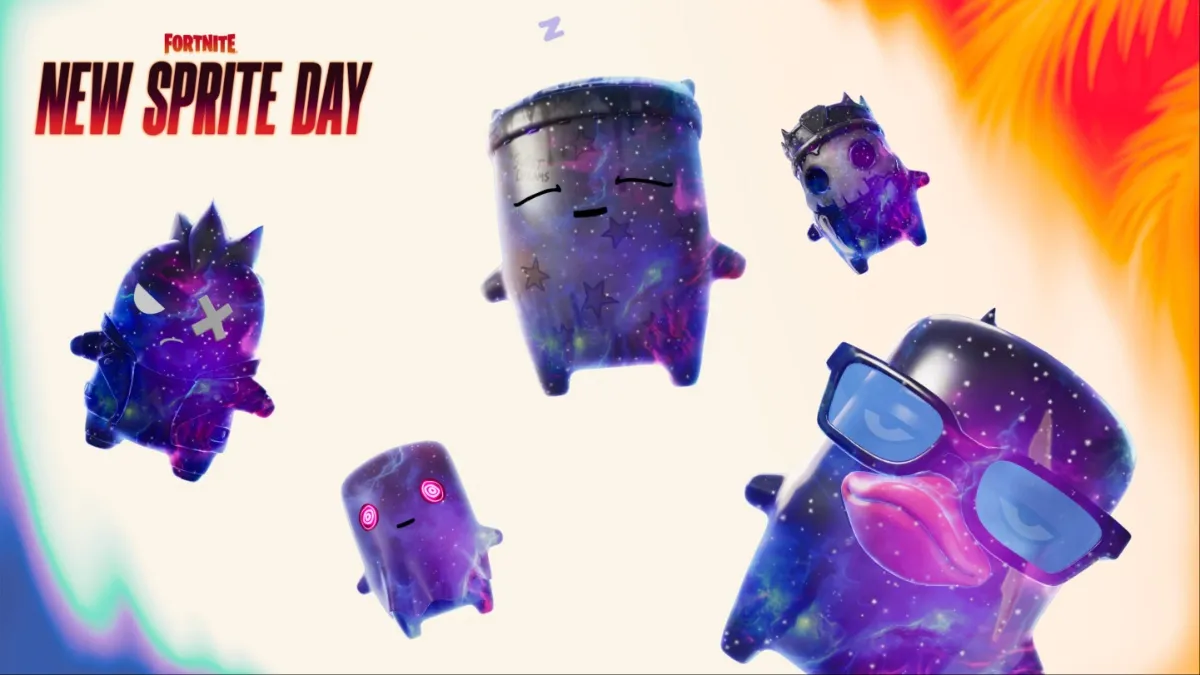
The event kicks off with New Sprite Day on June 25, introducing five new Sprites according to official teases. Early previews have shown designs including Football, Fishstick, and Boss variants, suggesting a mix of thematic and whimsical additions that align with Fortnite’s eclectic cosmetic history. Players will likely hunt these through standard extraction activities, with the event providing a timely incentive to grind for rarer drops. This follows a pattern seen in previous sprite-focused updates, where fresh additions temporarily spike engagement before settling into the broader collection economy.
On June 27, Galaxy Hour promises elevated chances of encountering Galaxy Sprites in the wild, echoing the structure of the recent Gummy Hour event. These hourly windows function as targeted loot boosters, increasing drop rates for specific types and encouraging players to log in at set times. Separately, Mastery Monday continues on June 22 with its usual benefits: improved odds for rarer Sprites and double Dust Sprites from successful extractions. Together, these elements create a staggered calendar of reasons to return, though the reliance on timed windows can sometimes feel more like scheduled obligations than organic discovery.
Fortnite has long mastered the art of event-driven retention, evolving from occasional major crossovers to frequent, smaller-scale activities that sustain momentum between bigger content drops. In Chapter 7, Season 3, the Gone Wild event fits this mold by tying directly into the sprite system, which itself represents an evolution of collectible and progression layers that keep the battle royale loop feeling rewarding. Yet for veteran players, the cycle of limited-time boosts raises familiar questions about long-term depth versus short-term dopamine. While new Sprites add visual variety and collection value, the core loop of extraction and hunting remains largely unchanged, potentially limiting appeal for those seeking more substantial mechanical innovation.
The simultaneous availability across all platforms ensures broad accessibility, an important consideration as Fortnite maintains its massive player base. Additional details may emerge closer to launch, possibly including further modifiers or challenges that expand on the sprite theme. In a game known for its rapid content cadence, events like Gone Wild help bridge gaps and reward consistent participation, but their impact often hinges on how meaningfully they alter daily play rather than simply multiplying rewards. For those already invested in the sprite ecosystem, this period offers a productive window to progress; others may view it as another reminder of Fortnite’s strength in keeping its world feeling active and evolving.