
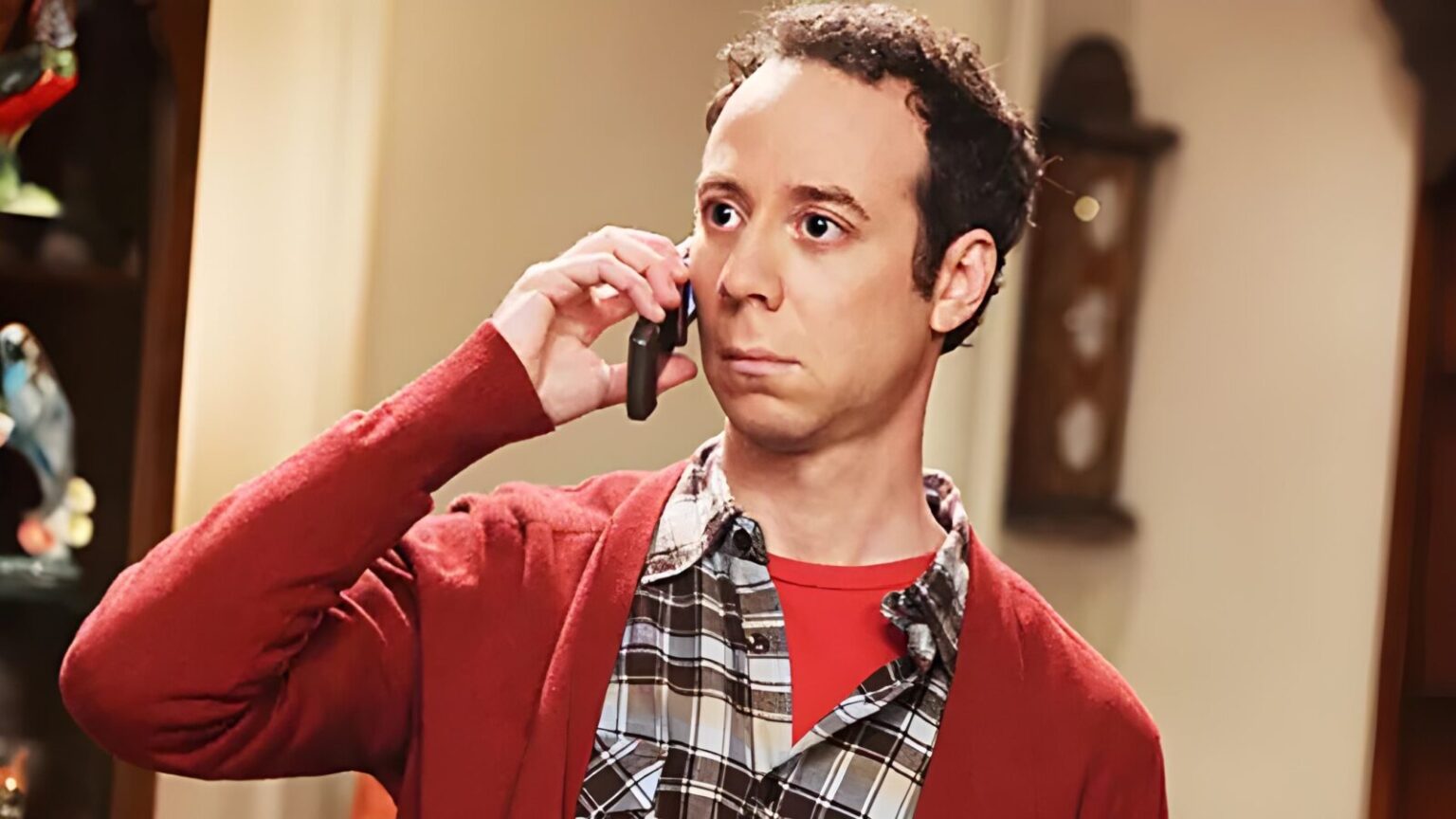
The Big Bang Theory universe is expanding once again, this time with a spin-off that takes a surprising detour from the franchise’s familiar territory. Titled Stuart Fails to Save the Universe, the upcoming series will center on Stuart Bloom, the comic book shop owner played by Kevin Sussman, and will mark a notable tonal shift from the grounded sitcom roots of its predecessors. Despite the project still awaiting an official green light from HBO Max, series creator Chuck Lorre has confirmed that ten episodes have already been written for the first season.
Lorre, who co-created The Big Bang Theory with Bill Prady, revealed the episode count in a recent conversation, where he also discussed teaming up with science fiction screenwriter Zak Penn—known for his work on major Marvel films. The creative trio is aiming to merge classic sitcom sensibilities with genre elements more commonly seen in sci-fi and fantasy storytelling. Lorre admits the new format is unfamiliar territory, describing the project as something intentionally outside his comfort zone, and a chance to explore storytelling through CGI and large-scale visual effects.
Returning cast members will help bridge the gap between this new series and the original. In addition to Sussman’s lead role, Lauren Lapkus reprises her character Denise, introduced as Stuart’s girlfriend in The Big Bang Theory. John Ross Bowie will also return as Barry Kripke, the cantankerous Caltech scientist, while Brian Posehn joins the cast again as geologist Bert Kibbler. Though the tone of Stuart Fails to Save the Universe is expected to be distinctly different, the familiar faces offer continuity for longtime fans.
This isn’t the franchise’s first expansion. After the flagship series ended in 2019, Young Sheldon emerged as a successful prequel, tracking Sheldon Cooper’s childhood across seven seasons. That series recently spun off Georgie & Mandy’s First Marriage, which has already been renewed for a second season. However, Stuart Fails to Save the Universerepresents the biggest departure yet—pivoting away from family dynamics and academic life into more fantastical, effects-heavy territory.
A release date has yet to be announced, and with HBO Max still weighing its commitment, the show’s future remains technically uncertain. Still, the development of a full ten-episode season suggests that Lorre and his collaborators are confident in the concept. Whether audiences will embrace a sci-fi twist on the familiar Big Bang formula remains to be seen, but if nothing else, the franchise appears willing to evolve rather than simply repeat past successes.