
TL;DR: The Night Agent Season 2 transforms the show from White House conspiracy drama into a globe-spanning political thriller with real stakes. Peter stops a chemical attack but compromises himself in the process, inadvertently influencing a presidential election and becoming a double agent. With Season 3 shifting back to the White House and deepening the moral gray zone, the series is entering its most dangerous—and potentially best—phase yet.
The Night Agent
If you told me three years ago that The Night Agent would become one of Netflix’s most reliable spy-thriller franchises, I would’ve politely nodded and then gone back to rewatching The Americans like the Cold War purist I am. And yet here we are. The Night Agent Season 2 didn’t just avoid the dreaded sophomore slump—it detonated it with a chemical weapons plot, an election-shaking conspiracy, and a morally compromised hero who now makes Jack Bauer look emotionally well-adjusted.
So before The Night Agent Season 3 drops on Netflix, let’s recalibrate our internal corkboards. Because Season 2 didn’t just escalate the stakes. It rewired the entire premise of the show.
In Season 1, Peter Sutherland was the guy answering a phone in the White House basement. A human firewall with daddy issues and a government-issued trauma complex. By the end of that season, he’d saved President Travers and earned his Night Action field badge.
Season 2 opens with Peter actually living the spy fantasy. We find him in Thailand, embedded in the field with his new partner and trainer, Alice. And if you’ve watched enough prestige thrillers, you know what happens when the seasoned mentor figure shows up in Episode 1.
She dies.
Alice’s death isn’t just a shock; it’s the moment that rips away Peter’s training wheels. The Thailand mission implodes due to a leak, and suddenly Peter is no longer the promising recruit. He’s a liability on the run. That tonal shift is crucial. Season 2 transforms The Night Agent from a reactive conspiracy thriller into something far more kinetic and paranoid.
The keyword here is escalation. International settings. Larger political fallout. Bigger moral consequences. Netflix clearly realized audiences didn’t just want White House corridors; they wanted the entire chessboard.
If Season 1 was about internal corruption, Season 2 goes full global catastrophe.
Peter’s investigation into Alice’s death leads him to Foxglove, a government program originally built as a defensive measure against chemical warfare. You know, the usual “this technology is only meant to protect us” speech that inevitably ends with someone weaponizing it.
And that’s exactly what happens.
Foxglove technology lands in the hands of Markus Dargan, the nephew of a foreign dictator who apparently thinks subtlety is overrated. His plan? Deploy toxic gas attacks on American soil. Casual. Just your standard international incident that could trigger a geopolitical meltdown.
What I appreciated here is how The Night Agent Season 2 leans into real-world anxieties. Chemical warfare isn’t flashy like nukes. It’s quiet. Intimate. Terrifying. The show frames it as a ticking clock thriller, but beneath that is a broader commentary on how fragile global stability really is when intelligence systems fracture.
And fracture they do.
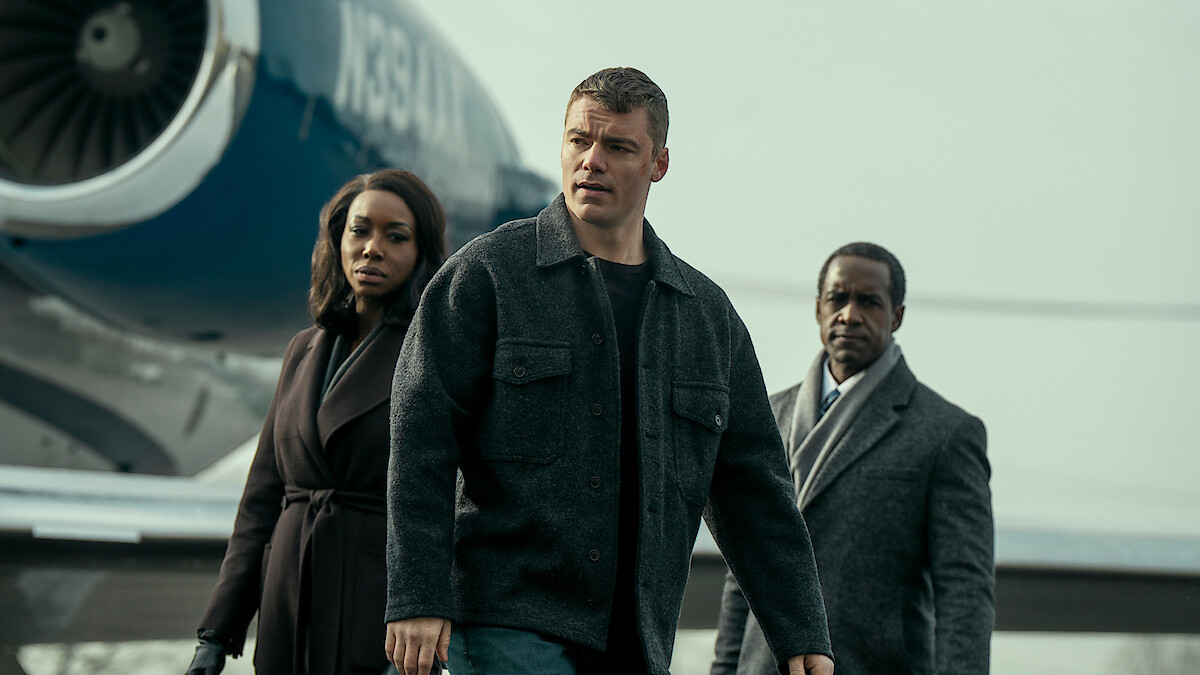
Amanda Warren’s Catherine enters as Peter’s new boss, and let me tell you, she does not greet him with a fruit basket.
She resents that he was fast-tracked into Night Action. She doesn’t trust him. And frankly, after Thailand? She has a point.
Their dynamic becomes one of Season 2’s most compelling threads. Catherine represents institutional accountability. Peter represents raw instinct and emotional decision-making. When the mission in Thailand goes sideways because of leaked intel, everyone becomes suspect.
That tension is what gives The Night Agent its edge. It’s not just about stopping bad guys. It’s about figuring out who inside your own house might be lighting the fuse.
Rose Returns—and the Trauma Bond Snaps
Luciane Buchanan’s Rose gets pulled back into Peter’s orbit, and for a second, I thought we were heading into classic “power couple saves democracy” territory.
Nope.
Season 2 does something surprisingly mature. It acknowledges that surviving a conspiracy together does not equal a healthy long-term relationship. Peter tries to protect her by pushing her away. Rose realizes she can’t build a normal life chained to someone whose job description includes UN break-ins.
Their breakup isn’t explosive. It’s sad. Quiet. I respect that. Too many thrillers romanticize trauma bonds like they’re destiny. The Night Agent calls it what it is: unsustainable.
And that clean break becomes important heading into Season 3.
Now we get to the moment.
Jacob Monroe, the intelligence broker with enough gray morality to qualify as a storm cloud, kidnaps Rose through his network and presents Peter with a choice: break into the United Nations and steal a classified file, or Rose dies.
This is the episode where The Night Agent stops pretending Peter is purely heroic.
He breaks into the UN.
He steals the file.
He delivers it.
Sure, he rescues Rose. Sure, they stop the chemical attacks at both the UN and a hotel filled with civilians. But the cost is enormous.
Monroe now owns him.
That file doesn’t just expose Foxglove connections. It contains incriminating intel tying presidential candidate Patrick Knox to the program. Once the information leaks, Knox’s campaign implodes. Enter Governor Richard Hagen, suddenly the frontrunner.
And guess who has a long-standing relationship with Hagen?
Monroe.
Peter didn’t just stop a chemical attack. He inadvertently helped manipulate a U.S. presidential election.
That’s not a side effect. That’s seismic.
Peter confesses to the UN break-in. He’s arrested. And in a poetic echo of Season 1, he’s ready to be remembered like his father—a traitor in the public eye.
But Catherine sees a different opportunity.
Instead of burying him, she recruits him as a double agent. Stay close to Monroe. Answer when he calls. Feed Night Action intel from the inside.
It’s the kind of morally gray assignment that makes spy thrillers delicious. Peter is no longer just fighting enemies. He’s navigating influence, political manipulation, and the psychological toll of living between two masters.
Season 2 ends not with triumph, but with unease. Peter isn’t redeemed. He’s compromised.
Season 3 shifts focus back toward the White House. Richard Hagen is now central. Monroe’s influence looms. Rose is gone, which removes Peter’s last tether to normalcy.
This is important.
Without Rose, Peter is fully submerged in the espionage world. No emotional lifeboat. No civilian anchor. That isolation is going to matter.
We’re also getting new players: a First Lady, a contract killer known as The Father, and a relentless journalist digging where powerful people don’t want her digging. That combination screams political thriller meets assassin cat-and-mouse game.
Thematically, The Night Agent Season 3 looks poised to explore corruption at the highest levels of power. Not just rogue agents or foreign dictators, but systemic rot.
And here’s where the show has a real opportunity.
Season 2 proved it can handle large-scale conspiracies. Season 3 needs to go deeper, not just bigger. I want character psychology. I want Peter wrestling with the cost of lying to everyone. I want Catherine questioning whether she created a monster by sanctioning this double life.
Because the best spy thrillers aren’t about gadgets or gunfights. They’re about erosion. Of trust. Of morality. Of identity.
The Night Agent Season 2 takes everything that worked in Season 1 and scales it up with confidence. The chemical weapons conspiracy feels urgent. The political manipulation adds bite. And Peter’s descent into moral ambiguity gives the series real staying power. If Season 3 sticks the landing on the double-agent arc, this could become one of Netflix’s defining spy thrillers.