

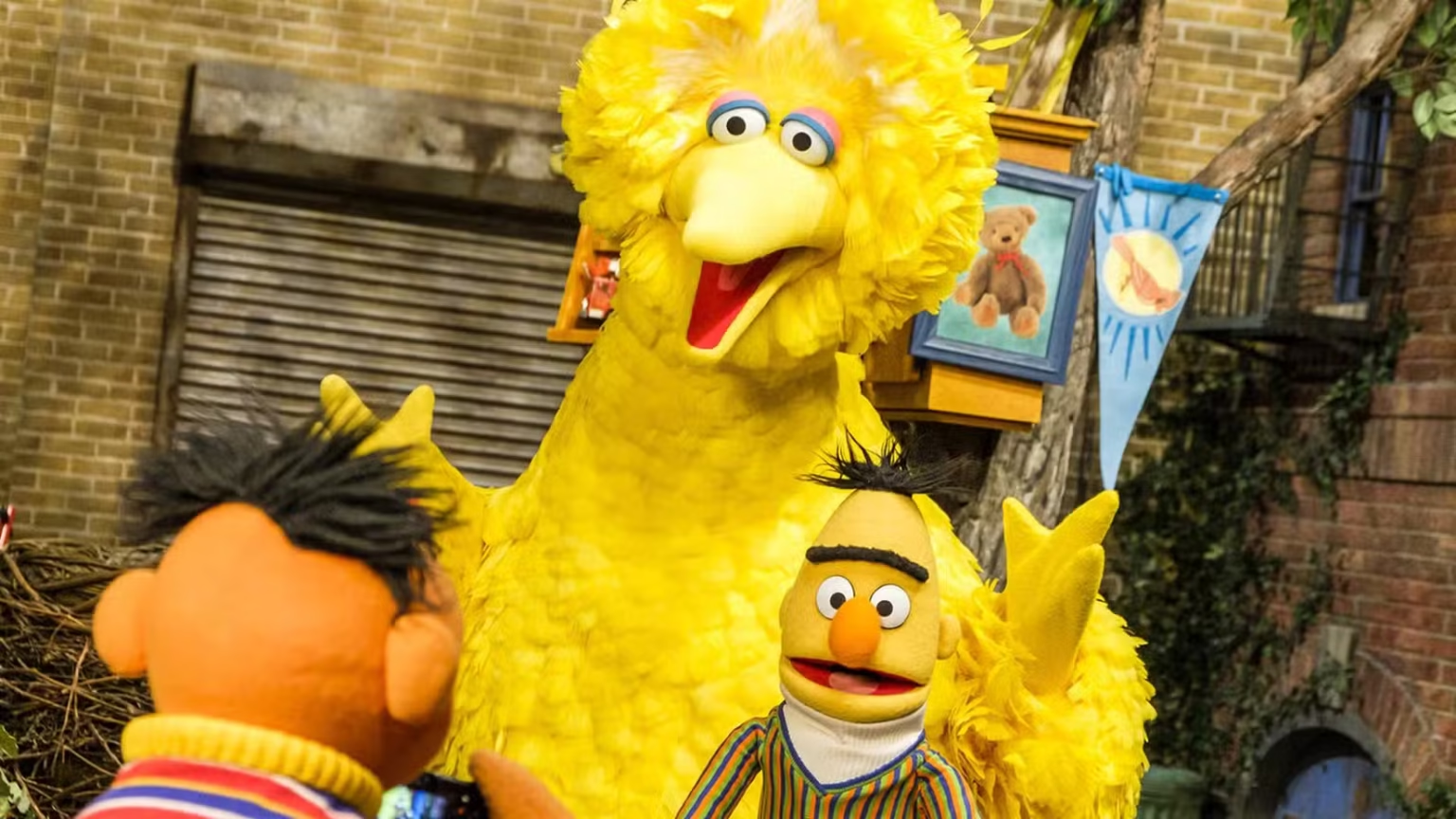
More than 100 episodes of one of television’s most influential series are now available to watch for free on YouTube, offering an expanded way to access a program that has shaped children’s media for more than half a century. The episodes come from Sesame Street, a show that has maintained a consistent presence in American culture since its debut in 1969 and has accumulated over 200 Grammy Awards across its long run.
Television history is full of series that mattered for specific reasons, whether because they reflected social change, pushed formal boundaries, or simply connected with audiences at the right moment. Sesame Street occupies a different space. It was designed from the outset as a public service, using television as a tool for early childhood education while also addressing social and emotional development. Its format blended humor, music, and short segments in ways that later children’s programming would widely adopt, but at the time represented a significant shift in how educational content was delivered on TV.
The newly available episodes were uploaded through Sesame Street’s official YouTube channel and include a mix of classic installments from earlier decades alongside more recent material. This matters not just for nostalgia, but for accessibility. For families without cable subscriptions or paid streaming services, free online access removes a long-standing barrier to entry. It also reflects how viewing habits have changed, with younger audiences increasingly encountering video content through open platforms rather than scheduled television.
The timing of the release is notable. In recent years, questions have emerged about how easily audiences can find Sesame Street following changes to its distribution arrangements, including the conclusion of its previous deal with HBO Max. While the show remains available through platforms like Netflix and continues to air via PBS, the presence of a substantial free catalog on YouTube broadens its reach in a way paid services cannot.
From the beginning, one of Sesame Street’s central goals has been to provide educational support to children from a wide range of economic and cultural backgrounds. Making episodes freely available online aligns closely with that mission, particularly in a media environment where YouTube often serves as a first point of contact for children’s entertainment and learning. While concerns around screen time and platform algorithms remain part of the broader conversation, the availability of verified, long-standing educational content offers parents and caregivers a reliable option within that space.
In practical terms, the YouTube release allows a new generation to encounter the show in a format that fits contemporary habits, while also giving longtime viewers easier access to episodes that may have been difficult to find. It is less a reinvention of Sesame Street than a redistribution, but one that reinforces why the series continues to be referenced in discussions about the role television can play in public education.