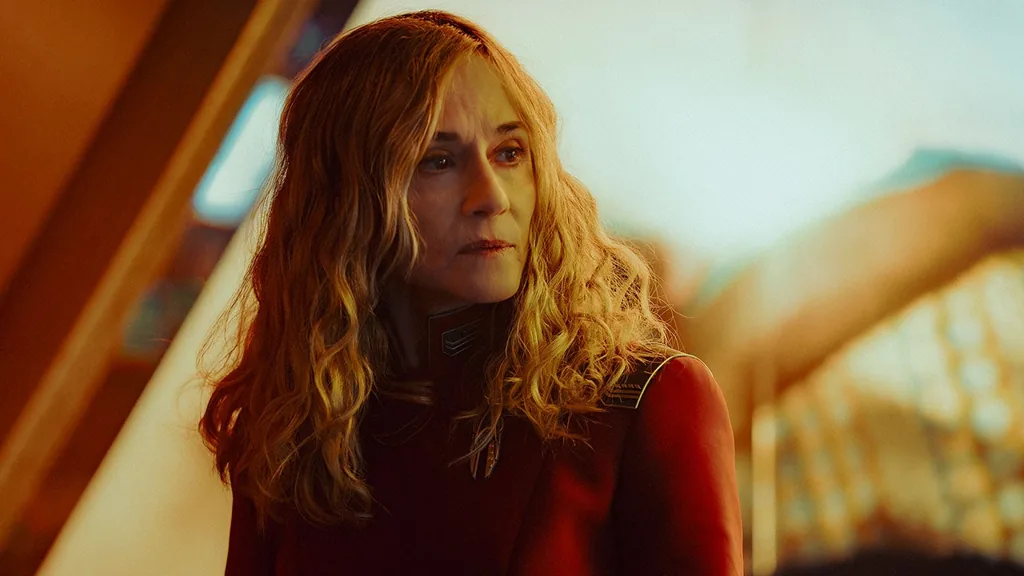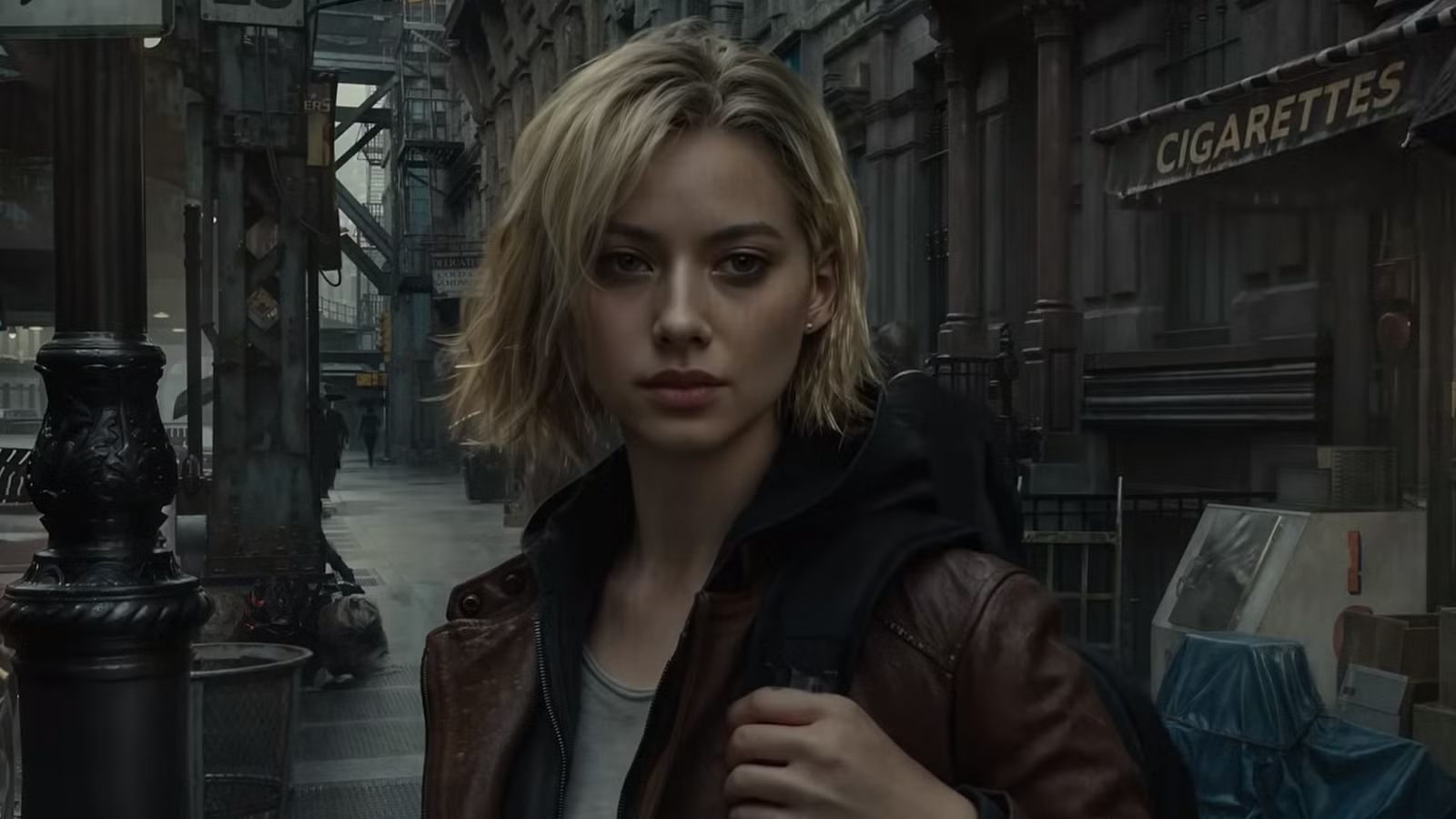

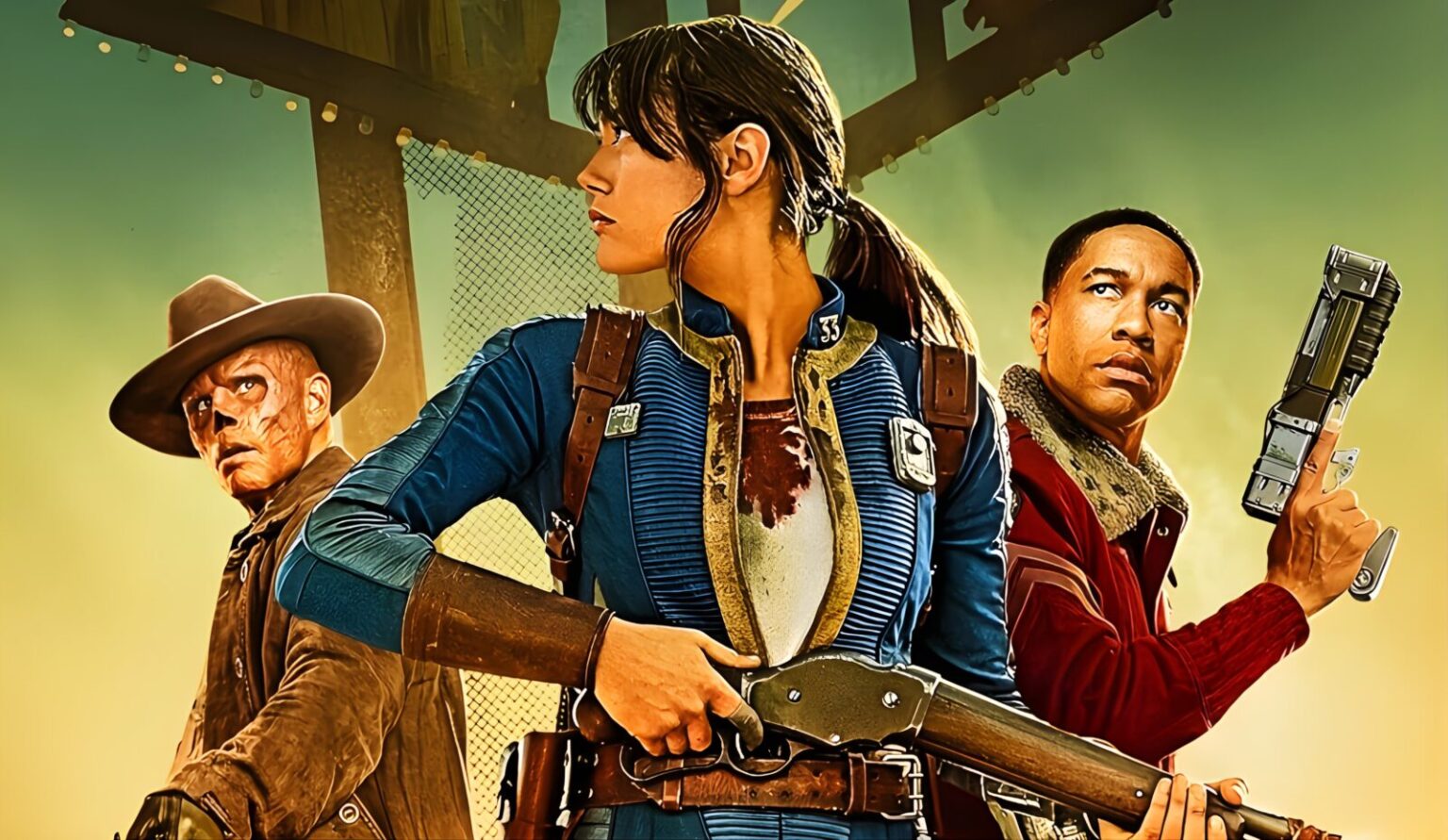
As Fallout prepares to return to Prime Video on December 16 ( December 17 in the UAE), revisiting the events of season one is useful not just for continuity, but for understanding how deliberately the series established its tone. Rather than functioning as a straightforward adaptation of the video games, the first season positioned itself as a character-driven story set inside a familiar but morally unstable universe. The result was a show that balanced bleak world-building with dark humor and personal stakes, laying groundwork that season two is expected to expand rather than reset.
Fallout
Season one unfolds across a fractured version of post-apocalyptic California, introducing three central figures whose paths repeatedly intersect. Lucy MacLean, raised in the relative safety of Vault 33, enters the wasteland with an idealistic belief in cooperation and fairness. That outlook is steadily challenged as she encounters betrayal, violence, and the limits of Vault-Tec’s promises. Her journey is less about survival skills than about moral recalibration, as each decision forces her to question what values still matter in a world built on systemic failure.
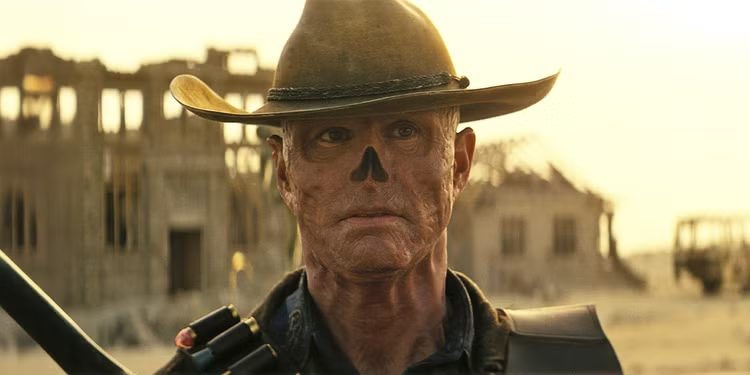
Running parallel is Cooper Howard, better known as the Ghoul, a former pre-war celebrity whose exposure to radiation has left him physically altered and emotionally hollowed out. His storyline bridges Fallout’s past and present, revealing how corporate loyalty, media influence, and personal compromise helped shape the world before its collapse. While his sardonic violence often plays for dark comedy, the season makes clear that his cynicism is rooted in loss, particularly surrounding his family and his connection to Vault-Tec.
The third major arc belongs to Maximus, a squire within the Brotherhood of Steel. His story explores power structures and identity, examining how institutions built on order can reproduce cruelty under the guise of protection. Maximus’ struggle is not simply about ambition, but about reconciling the Brotherhood’s rhetoric with its actions, especially as he is repeatedly forced into choices that undermine his sense of honor.
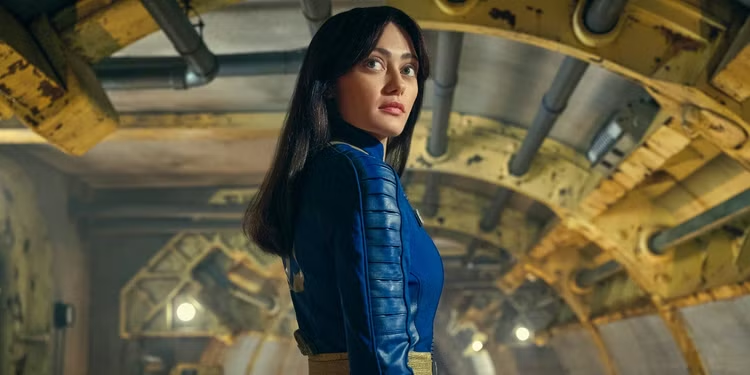
Beyond the core trio, season one introduces several figures who complicate the narrative. Lucy’s father, Hank MacLean, emerges as more than a well-meaning administrator, with revelations that tie him directly to Vault-Tec’s long-term planning. Norm MacLean’s storyline inside Vault 33 and Vault 31 exposes the bureaucratic logic behind the Vault system, revealing how social experiments and controlled populations were treated as acceptable collateral damage. Lee Moldaver, representing the New California Republic, hints at alternative futures that were deliberately suppressed, while characters like Betty Pearson illustrate how authority adapts to maintain itself, even underground.
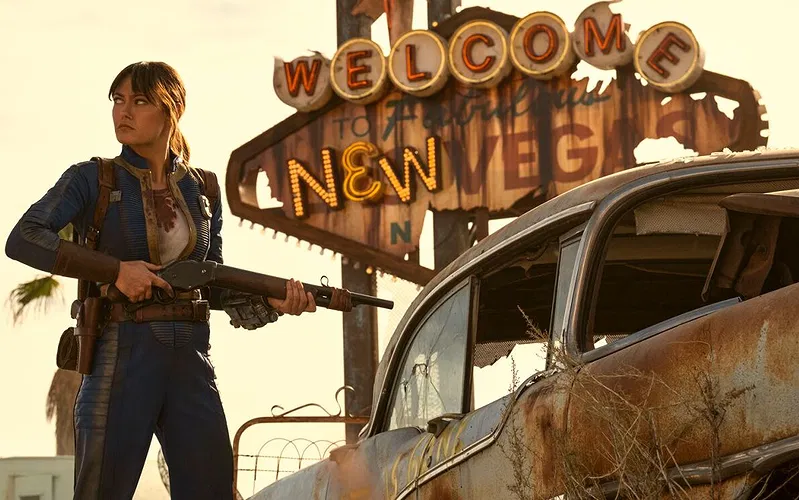
The season finale pivots the story toward New Vegas, signaling a geographic and thematic expansion. Rather than resolving every thread, the ending reframes the conflict, emphasizing that the true antagonist is not a single villain but a network of systems designed to outlast humanity itself.
Season two is set to move into the Mojave, introducing New Vegas as a comparatively intact city shaped by pre-war technology and rigid control. The arrival of Mr. House, played by Justin Theroux, brings the concept of centralized power to the forefront, especially given his historical connection to Cooper Howard. New characters, including roles played by Macaulay Culkin and Kumail Nanjiani, are expected to deepen the political and faction-based tensions already established.
The upcoming season is also positioned to explore Vault experiments more directly, drawing inspiration from established Fallout lore while introducing original variations. Unresolved questions remain central: Norm’s fate within Vault 31, the truth about the Ghoul’s family, and the broader implications of Vault-Tec’s long-term strategies.
Ultimately, season one of Fallout succeeded by resisting nostalgia-driven spectacle in favor of layered storytelling. Its mix of satire, violence, and character study set a foundation that season two will test on a larger scale. As the series enters New Vegas, the focus appears to remain the same: not how the world ended, but how people chose to survive it.