
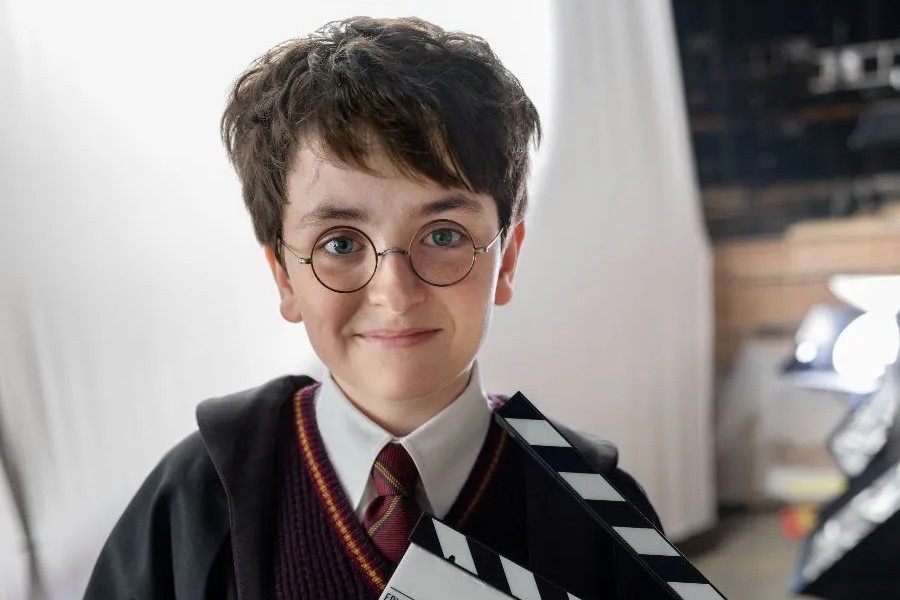
HBO has released the first teaser trailer for its upcoming Harry Potter television series, offering an initial look at the new cast stepping into familiar roles. The footage introduces Dominic McLaughlin as Harry Potter, alongside Alastair Stout as Ron Weasley and Arabella Stanton as Hermione Granger, marking a full reset of the core trio for a new adaptation of the story.
The series is scheduled to debut this Christmas, earlier than previously expected, with its first season consisting of eight episodes. HBO had initially indicated a 2027 release window, so the updated timeline suggests the project has moved ahead faster than anticipated, though it remains to be seen how that will impact production quality or pacing.
This adaptation revisits Harry’s first year at Hogwarts, returning to material originally covered in Harry Potter and the Philosopher’s Stone. The decision to retell the story in a serialized format points to a more detailed, chapter-by-chapter approach compared to the original film series, which condensed large portions of the books. Whether this format allows for deeper character development or simply retreads familiar ground will likely depend on execution.
The supporting cast includes John Lithgow as Albus Dumbledore, Nick Frost as Hagrid, Janet McTeer as Minerva McGonagall, and Paapa Essiedu as Severus Snape. Francesca Gardiner is serving as showrunner, with Mark Mylod directing, both of whom bring experience from previous television projects. Their involvement suggests HBO is aiming for a production style closer to its established drama series rather than a direct continuation of the film tone.
The teaser itself focuses more on atmosphere than narrative, highlighting Hogwarts and its surroundings while offering brief glimpses of the main characters. This approach aligns with early promotional material for large franchise projects, where tone-setting often takes precedence over revealing plot details.
Revisiting Harry Potter in a new format comes with both opportunities and challenges. The original film series remains widely recognized, and any new adaptation will inevitably be compared against it. At the same time, a long-form television structure could allow the story to explore elements that were previously minimized or omitted.
HBO’s decision to move forward with a reboot rather than expand the existing film universe reflects a broader trend in entertainment, where established properties are reintroduced to new audiences through updated formats. The success of this approach will likely depend on how well the series distinguishes itself while still meeting expectations tied to the source material.