

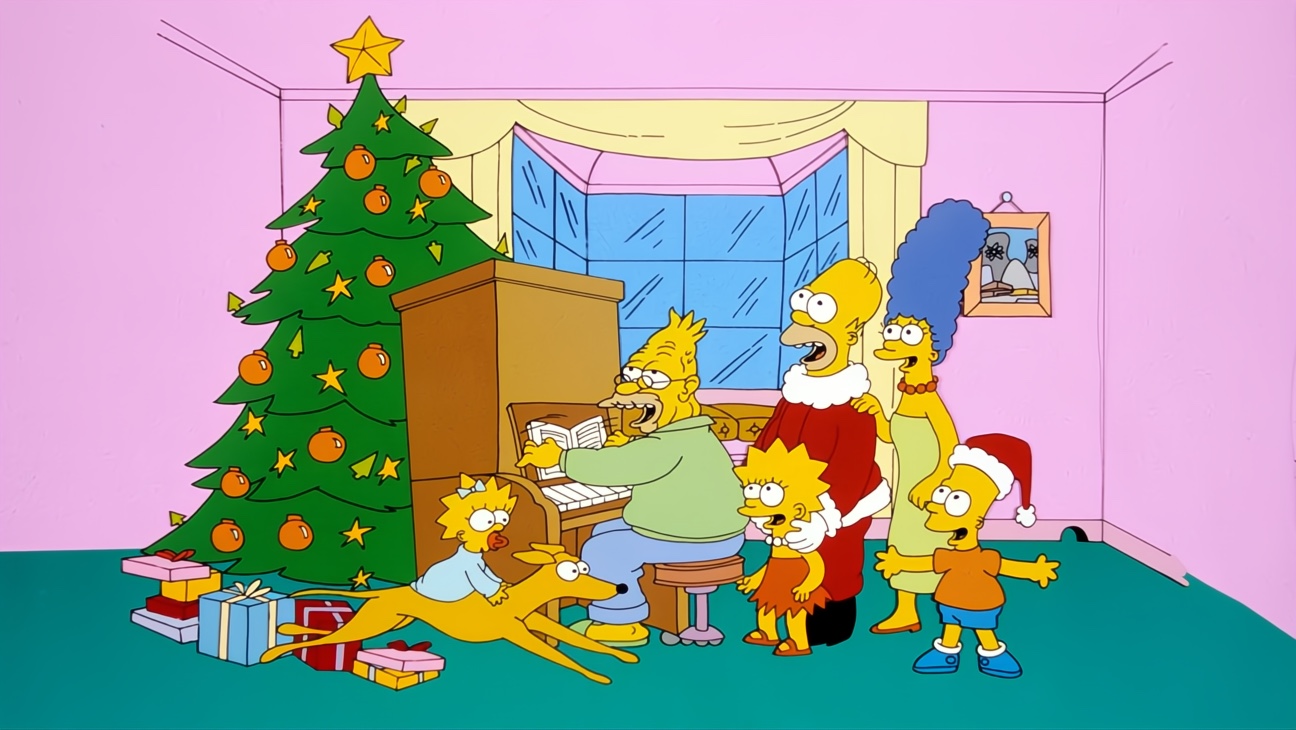
When The Simpsons aired its first full-length episode on December 17, 1989, television animation was still largely treated as disposable, episodic, and aimed either at children or at broad, low-stakes comedy. Prime-time cartoons existed, but few were expected to endure, let alone reshape the medium. Against that backdrop, The Simpsons debuted with “Simpsons Roasting on an Open Fire,” a Christmas episode that doubled as a pilot and quietly rewrote expectations for what an animated sitcom could attempt, tonally and structurally.
The Simpsons
From a geek-history perspective, the date matters. December 17, 1989 places the episode at the tail end of a television era defined by traditional family sitcoms and before the explosion of creator-driven animation in the 1990s. This was pre-Adult Swim, pre-South Park, pre-Family Guy. The Simpsons arrived not just as a new show, but as a transitional text, bridging classic sitcom storytelling with sharper satire and emotional realism. That it did so during a holiday episode was an additional anomaly. Pilots typically avoid high-concept or seasonal framing, preferring clean narrative laboratories. The Simpsons instead leaned into Christmas, using its cultural shorthand to establish character dynamics faster and with more emotional weight.
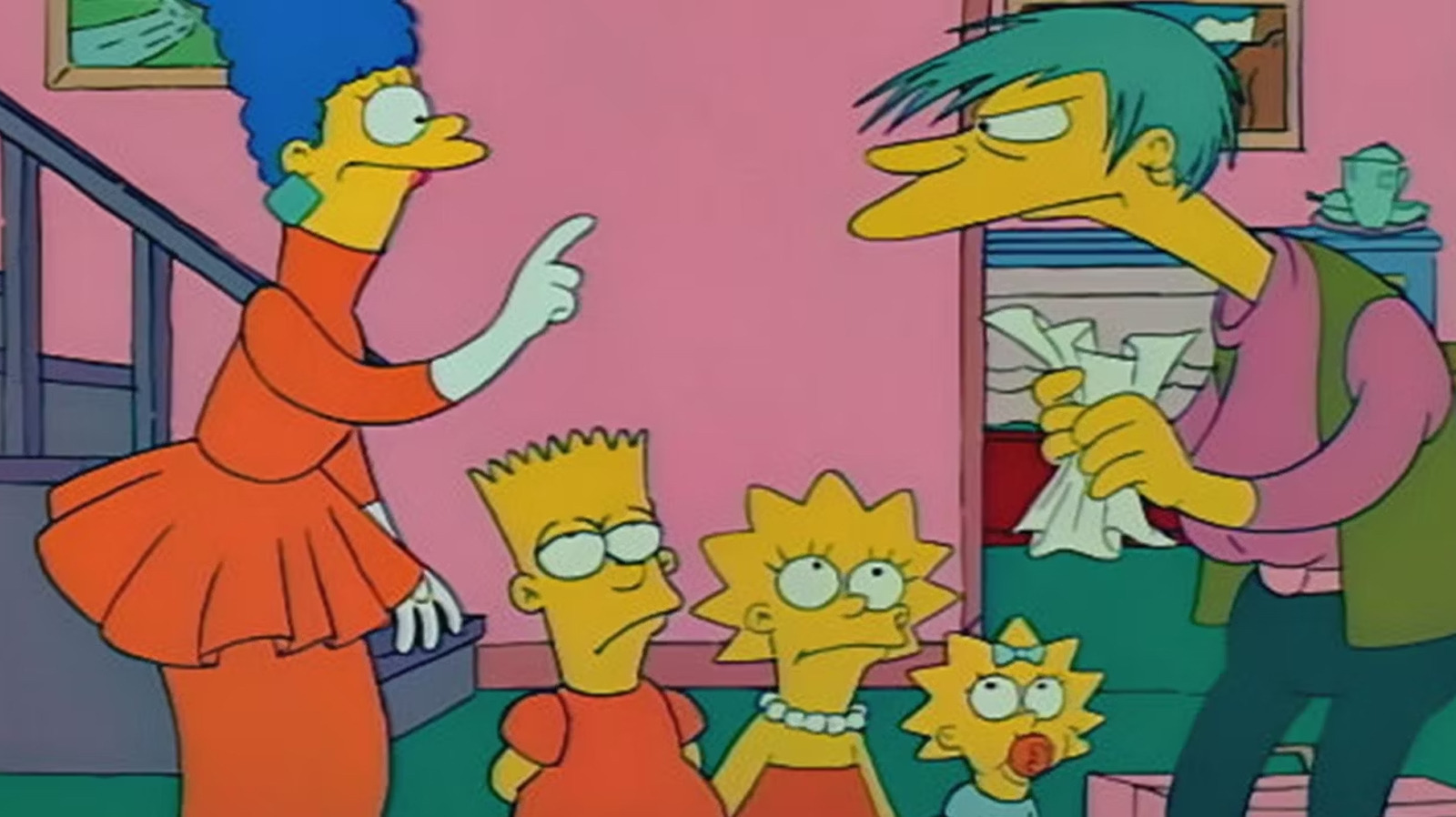
The episode’s production history adds another layer of fascination for long-time fans. Although often remembered as the pilot, it was originally slotted behind “Some Enchanted Evening,” which was delayed due to animation issues from the overseas studio. As a result, the Christmas episode became the public-facing introduction to Springfield. This accident of scheduling ended up shaping how audiences perceived the show from the outset. Rather than beginning with chaos or overt satire, The Simpsons introduced itself as a story about money anxiety, parental disappointment, and quiet compromise, themes that would recur for decades.
The plot itself is deceptively simple, but that simplicity is part of its strength. Bart’s tattoo subplot establishes his impulsiveness without turning him into a caricature. Marge’s reaction defines her moral authority and willingness to sacrifice. Homer’s failed attempts to save Christmas, from losing his bonus to working as a mall Santa, cement him as a fundamentally well-meaning character undone by circumstance and his own limitations. For viewers steeped in animation history, this was a notable shift. Animated fathers were rarely portrayed as emotionally complex or quietly defeated figures. Homer’s shame over not providing gifts is played straight, not as a gag, and that choice gives the episode lasting weight.
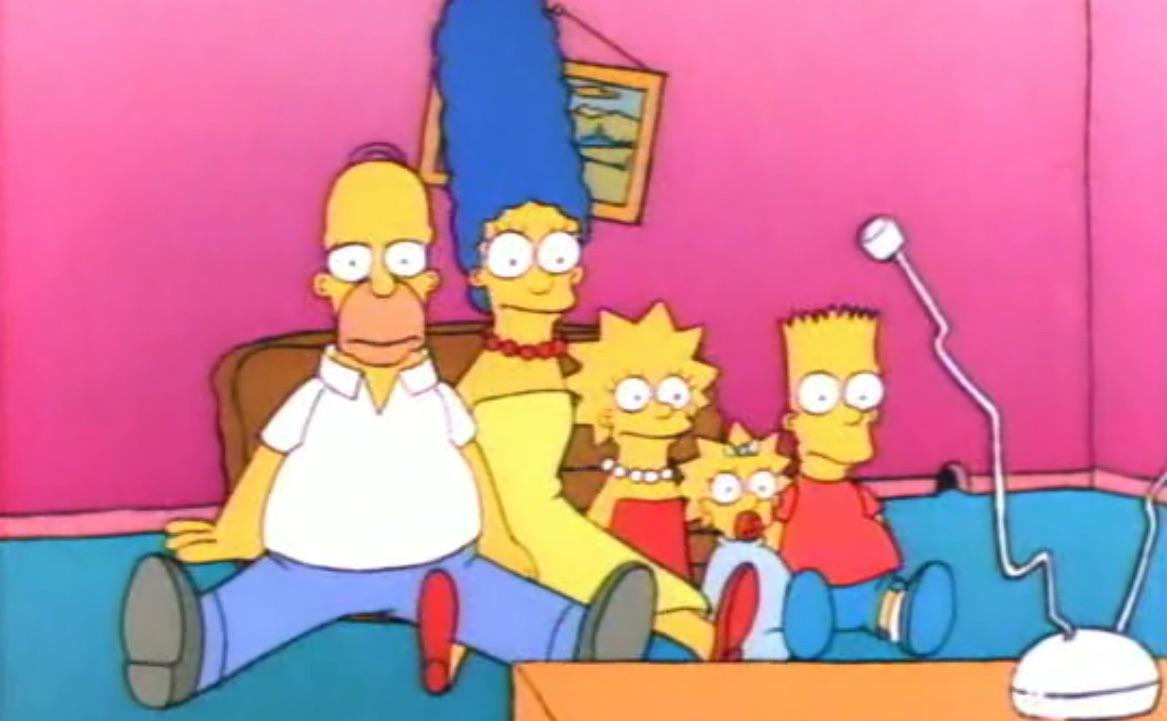
The introduction of Santa’s Little Helper is also more significant than it first appears. The greyhound is not a punchline or a novelty pet; he is a narrative mirror for the family itself. A discarded loser by racing standards, he fits naturally into a household defined by missed expectations and persistent affection. Homer’s line about the dog being “a Simpson” is not triumphant or ironic. It is an admission. For a pilot episode, especially an animated one, this level of thematic clarity was unusual.
From a fandom perspective, the episode also lays down continuity markers that would reward obsessive viewers for years. Mr. Burns’ casual cruelty, Patty and Selma’s disdain for Homer, Lisa’s precocious moral intelligence, and Springfield’s economic stratification are all present in embryonic form. Later seasons would exaggerate and remix these elements, but the DNA is intact here. Watching the episode now, especially with decades of lore in mind, feels like examining a prototype that somehow shipped fully formed.
What makes December 17, 1989 worth celebrating is not just that The Simpsons premiered, but how confidently it announced its priorities. It chose character over spectacle, emotion over shock, and thematic consistency over immediate laughs. The Christmas framing allowed the show to declare that this was a series about family, disappointment, resilience, and affection, even when wrapped in satire. That foundation made everything that followed possible, from sharper social commentary to more experimental storytelling.
More than three decades later, the episode still functions as a mission statement. It explains why The Simpsons could survive shifting television landscapes, evolving audience tastes, and its own excesses. The rules it broke were not broken for rebellion’s sake, but because the show understood, even at the start, what kind of story it wanted to tell.