
Television in 2026 looks set to continue a trend that has been building for years: big genre storytelling as the safest bet in an increasingly fractured TV landscape. As traditional cable continues to shrink and streaming platforms fight for attention and retention, familiar worlds, recognizable IP, and ambitious spectacle are doing much of the heavy lifting. That means superheroes, fantasy epics, sci-fi legacies, and adaptations dominate the calendar once again, for better or worse.
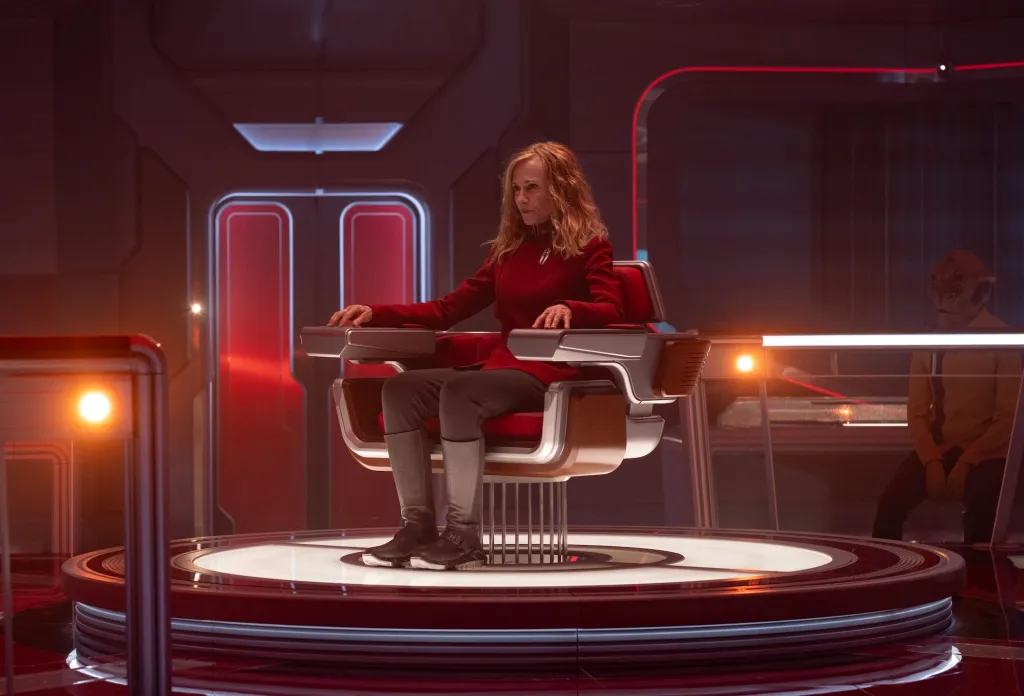
Star Trek remains one of the most reliable franchises on television, and Star Trek: Starfleet Academy represents its latest attempt to recalibrate the brand for a younger generation. Set in the 32nd century timeline introduced in Discovery, the series centers on the reopening of Starfleet Academy after more than a century of closure following the Burn. Rather than focusing on seasoned officers, the show shifts attention to cadets learning how to rebuild a fractured Federation. The concept leans into Star Trek’s long-standing optimism, with a cast led by Holly Hunter alongside returning faces like Robert Picardo and Tig Notaro. Paramount+ is clearly positioning the series as both a continuation and a tonal reset.
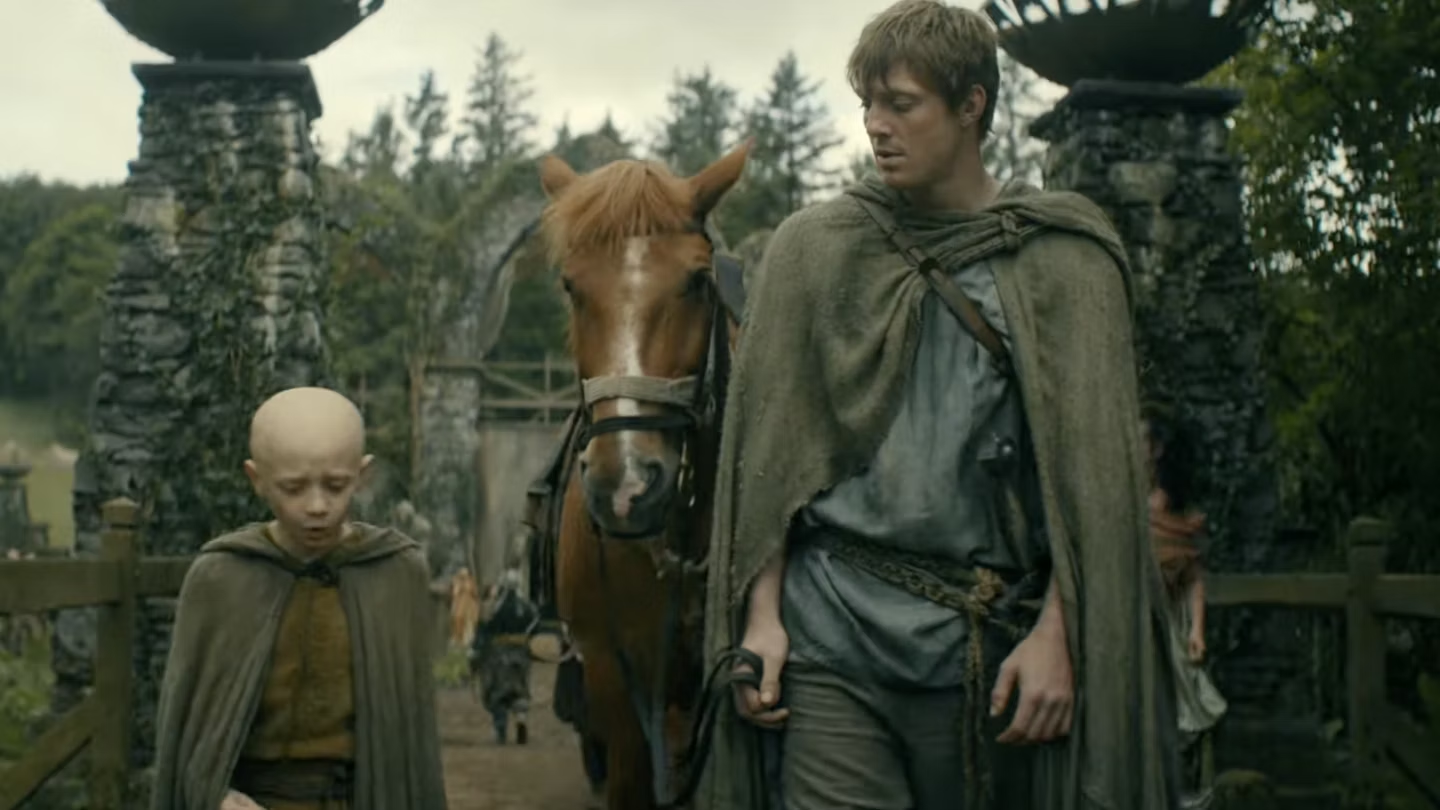
Over on HBO, A Knight of the Seven Kingdoms revisits Westeros through a smaller, more character-driven lens. Based on George R.R. Martin’s Dunk and Egg novellas, the series follows hedge knight Ser Duncan the Tall and his young squire Egg as they wander a postwar Seven Kingdoms. Compared to Game of Thrones or House of the Dragon, the scale is intentionally reduced, focusing on odd-couple chemistry and episodic adventures. Still, it remains firmly rooted in Martin’s world, meaning the lighter tone comes with no guarantees of safety.
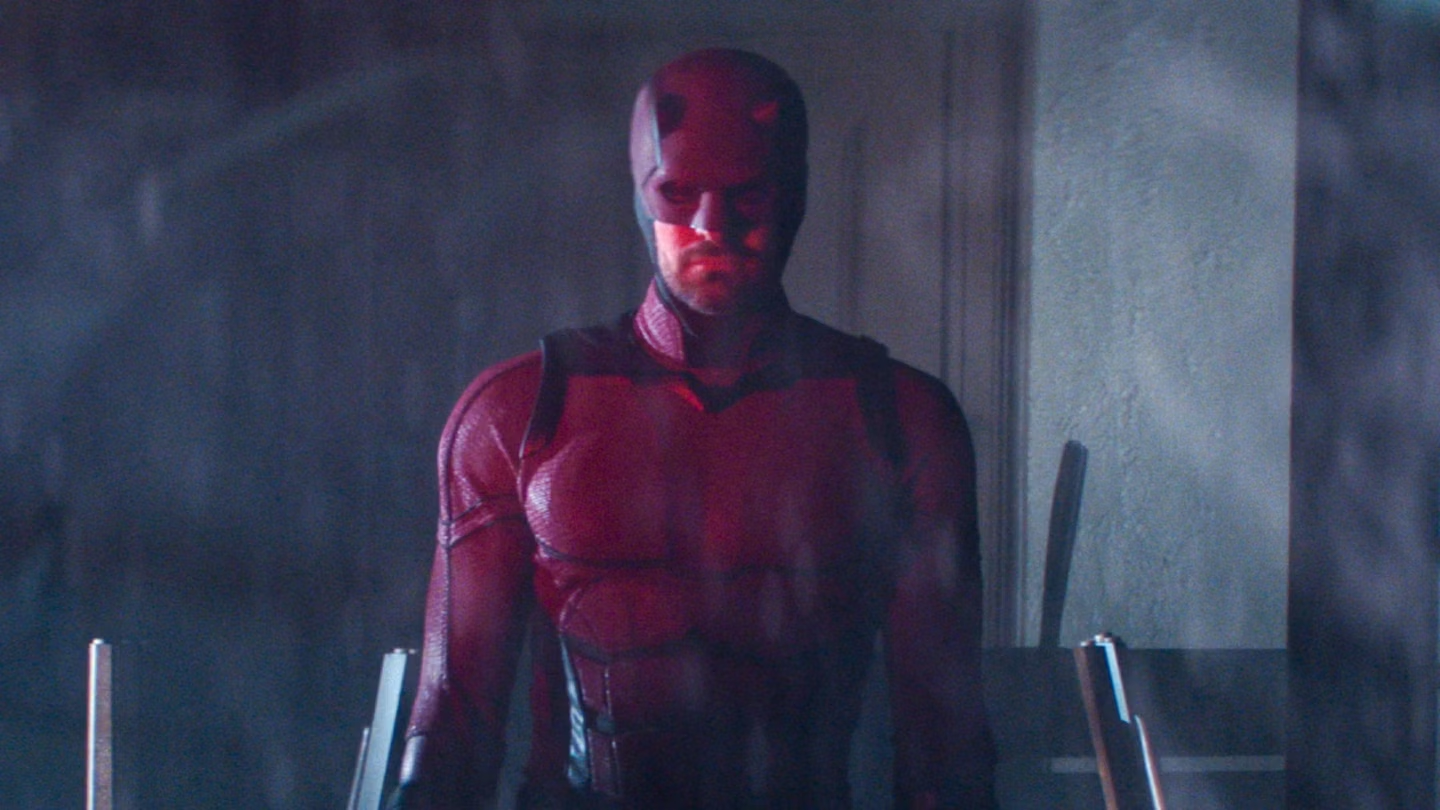
Marvel’s television output continues to narrow its focus after years of uneven reception. Daredevil: Born Again returns for a second season on Disney+, leaning into the gritty, street-level storytelling that made the original Netflix series resonate. Charlie Cox’s Matt Murdock remains central, with expanded roles for Jon Bernthal’s Punisher and the return of Krysten Ritter’s Jessica Jones. The show appears positioned as Marvel’s counterbalance to its more cosmic or comedic offerings, emphasizing consequences and long-form character arcs.
Prime Video’s Invincible enters its fourth season having steadily escalated both scale and brutality. The animated series has methodically built toward a turning point for Mark Grayson, and the aftermath of season three’s finale sets the stage for a more decisive, morally compromised hero. Creator Robert Kirkman has framed season four as the payoff for years of groundwork, suggesting that the show’s most consequential conflicts are now unavoidable.
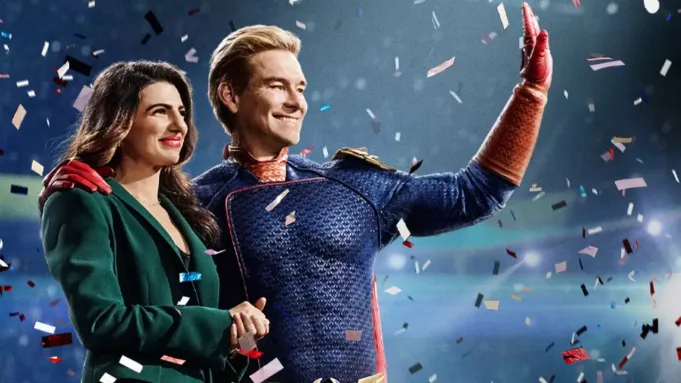
Also on Prime Video, The Boys approaches its final season with Homelander firmly entrenched as the ultimate symbol of unchecked power. The series has always functioned as satire first and superhero story second, and its conclusion appears less interested in tidy resolution than in examining the damage already done. Whether Homelander survives is almost beside the point; the show’s legacy lies in how thoroughly it dismantled the genre’s corporate sheen.
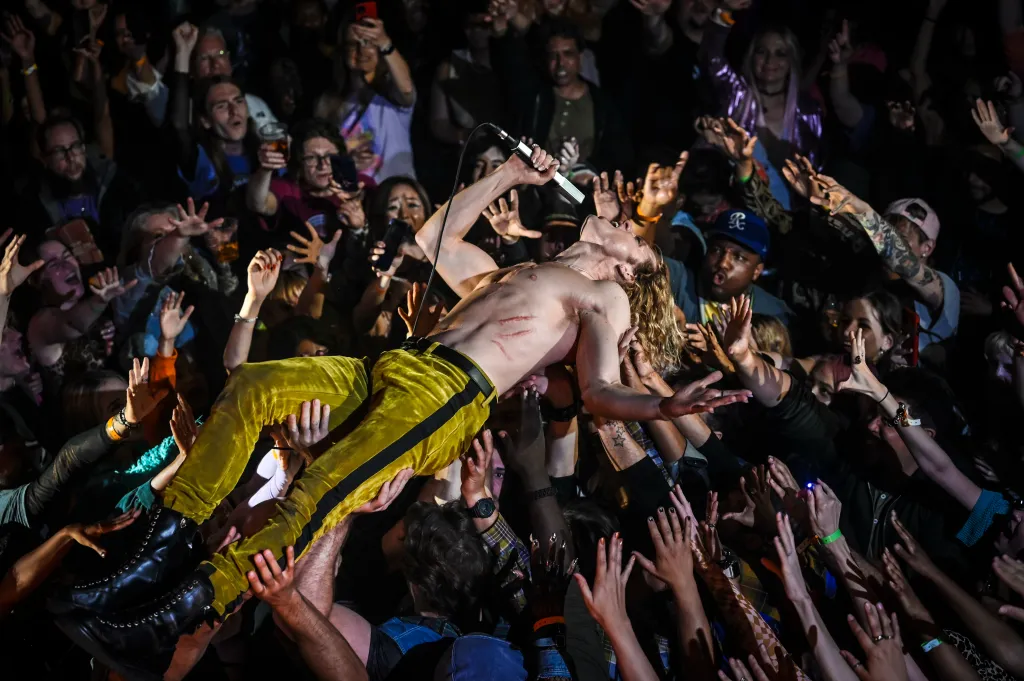
AMC continues its successful adaptation of Anne Rice’s vampire novels with The Vampire Lestat. After spending two seasons unpacking Interview with the Vampire, the series shifts focus to Lestat’s rise as a cultural force, complete with a rock-music-infused aesthetic. The tonal shift reflects both the source material and the show’s willingness to take creative risks, leaning into theatricality rather than restraint.
DC’s Lanterns marks another attempt to redefine the studio’s television presence. Developed by Damon Lindelof, the HBO series pairs Hal Jordan and John Stewart as intergalactic detectives in what is described as a grounded mystery rather than a traditional superhero spectacle. With a cast led by Kyle Chandler and Aaron Pierre, the project seems aimed at viewers who want genre storytelling framed through prestige-TV sensibilities.

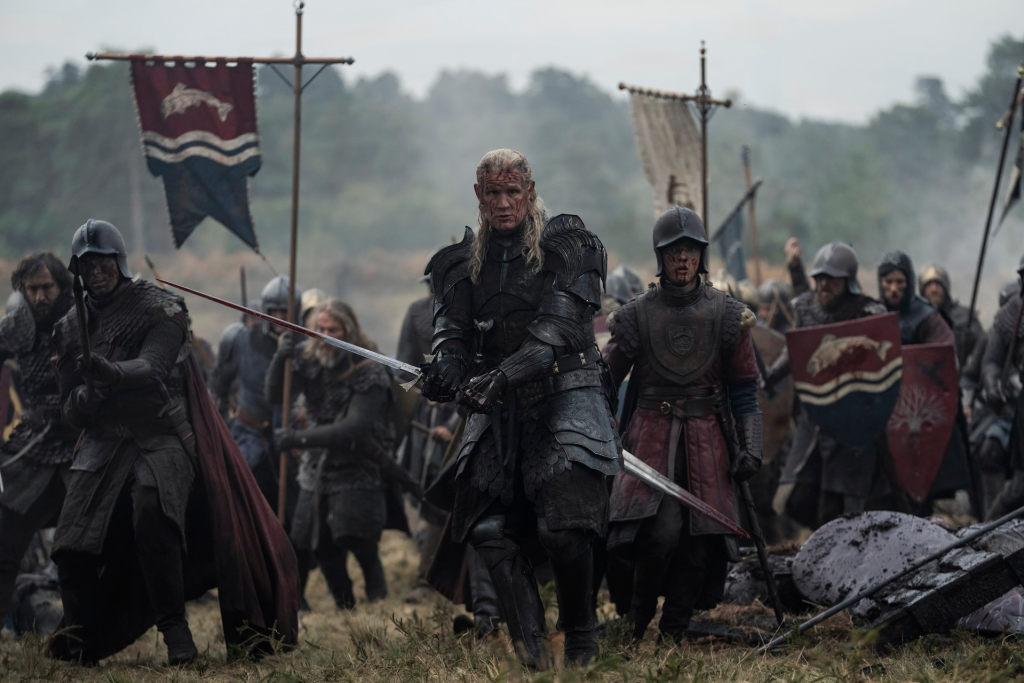
House of the Dragon returns for its third season with expectations recalibrated after a slower, politically focused second outing. With major battles like the Battle of the Gullet on the horizon, the series appears ready to shift back toward large-scale conflict while continuing its exploration of internal power struggles.
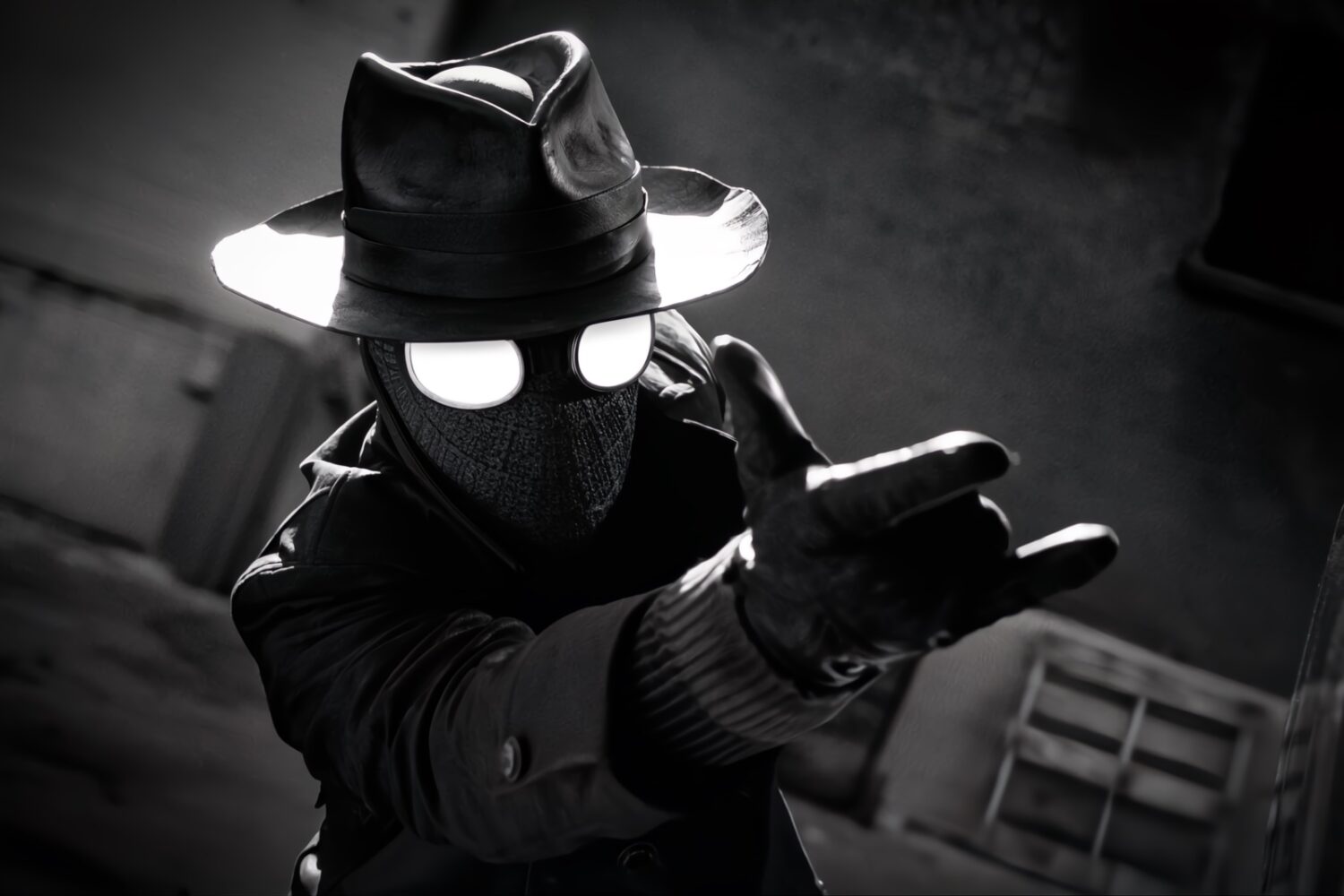
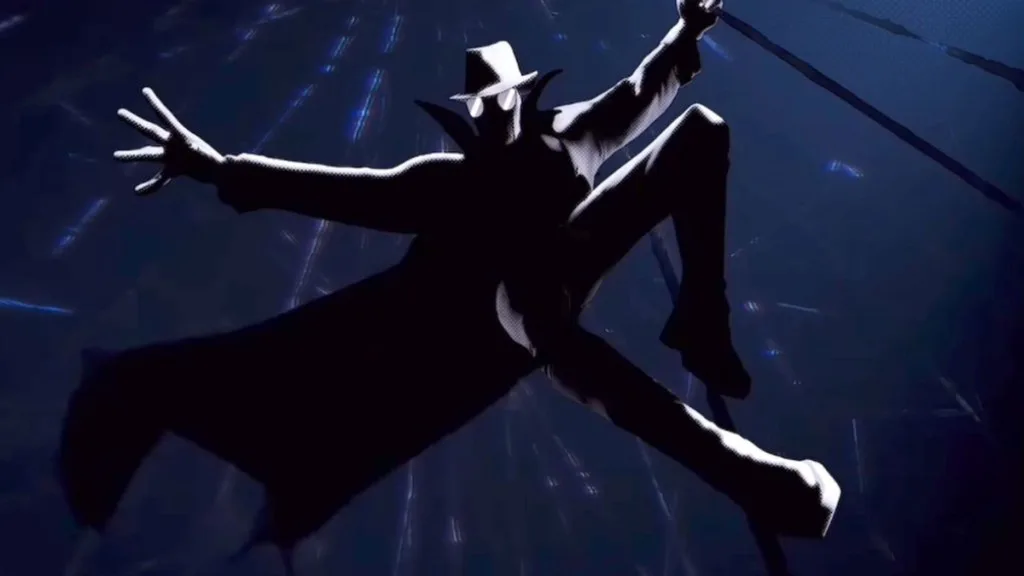
Beyond established franchises, Sony’s Spider-Noir offers a stylistic detour, placing a black-and-white Spider-Man story in 1930s New York with Nicolas Cage lending his voice. Meanwhile, Netflix’s The Boroughs sees the Duffer Brothers pivot from teenage horror to a story about retired heroes confronting an alien threat, carrying over familiar themes of outsider camaraderie and ensemble-driven storytelling.
Taken together, the 2026 TV slate suggests an industry doubling down on recognizable worlds while experimenting cautiously within them. For viewers, that means fewer surprises but plenty of ambitious, high-budget genre television, designed to keep attention in an increasingly crowded and competitive space.