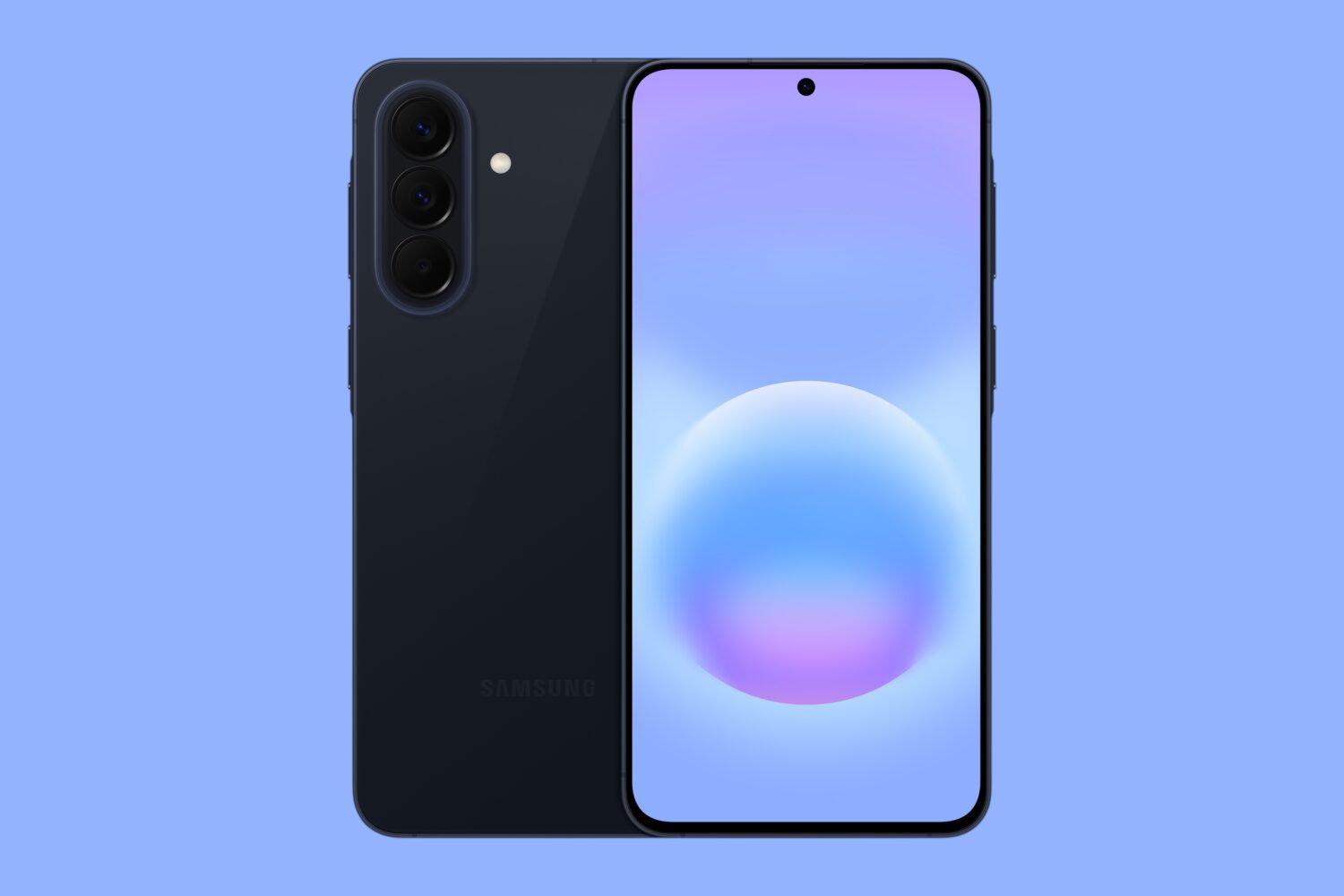


The Samsung Galaxy Note 7 was supposed to be the new flagship phone for the company. It was meant to stand alongside industry giants like the Google Pixel XL and the iPhone 7 Plus. What followed was explosive. Reports of units heating up, catching fire and, in some cases, exploding led to Samsung ordering a round of replacement units, which also had the same issues. Samsung soon threw in the towel and ordered a mass withdrawal of the product.
While it wasn’t outright confirmed, many figured that the cause of the overheating Samsung Galaxy Note 7 was a battery defect from the suppliers. Some even chalked it up to a design flaw of the phone that didn’t allow for adequate spacing for heat vents. According to a press conference held yesterday, it is the former and not the latter that caused the, at the least, $17 billion in lost sales revenue.
According to Samsung, the first batch of batteries for the Galaxy Note 7 suffered a design flaw. The outer casing of the batteries was too small, resulting in the interior components short-circuiting which resulted in the explosive finish. The second batch of batteries, which were issued as part of the replacement round, originated from a different supplier. However, due to the unprecedented number of replacements, a manufacturing defect was introduced as the supplier tried to keep up with the demand. This defect led to the same result and subsequent withdrawal of the phone.
The press conference marked the beginning of Samsung’s attempt to rebuild consumer trust; the South Korean company will release the Samsung Galaxy S8 this year as well as a successor to the Galaxy Note 7. D.J Koh, Samsung’s Mobile Chief, was joined by UL, Exponent, and TUV Rheinland, three independent testing firms that also concluded it was a battery defect, not a smartphone design flaw, which caused the overheating problems.
It’s a small step towards regaining the trust and credibility it once had with its consumers, but many will still be sceptical about the lack of oversight which led to two batches of batteries having flaws.

Source: Samsung