

Andy Rubin may not be a household name but it’s one that holds a lot of weight in the technology sector. For those of you unfamiliar with his work, he was one of the co-founders of the company Android Inc. After that company was acquired by Google, he then led the team that developed the Android OS. He is now about to set up a new company called Essential.
According to Bloomberg, Rubin has a 40-person team, filled with recruits from Apple Inc. and Alphabet Inc.’s Google. With this team, Rubin is preparing to announce a new company called Essential and serve as its Chief Executive Officer. Essential is meant to serve as a “platform company”, meant to connect many devices together, including smartphones and smart home products. By this description, it is quite similar to Google which also has a connected ecosystem of products and features.
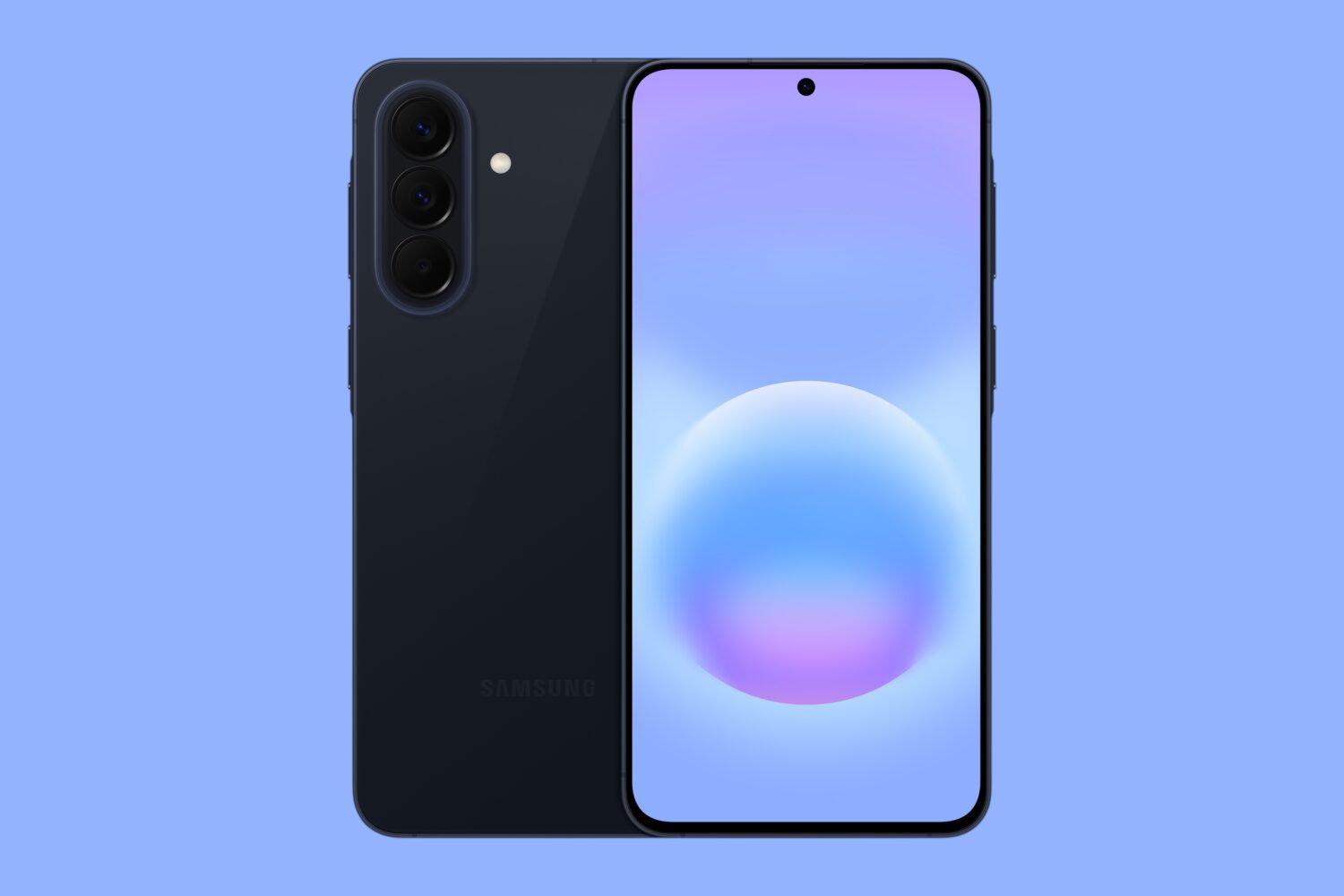
The central nexus of the entire platform is a high-end smartphone currently in development. Not much is known about the device other than the fact that it will have a large edge-to-edge display that lacks a bezel, making it have a smaller footprint than Apple’s iPhone 7 Plus whilst having a larger screen. The smartphone is expected to include high-end materials and the ability to gain new hardware features over time, similar to the add-ons we’ve seen in the Moto Z and the LG G5.
Furthermore, Essential is experimenting with enabling the phone’s screen to sense different levels of pressure, similar to an iPhone. Essential’s engineers are also developing a proprietary connector that serves double duty for charging the battery and expanding the phone’s functionality over time. If this is true, this is very similar to the LG G5 add-ons. The proprietary connector will allow Essential or even third parties to create hardware accessories that add features to the smartphone. For instance, Rubin’s engineers are working on a sphere-shaped camera add-on that shoots high-resolution 360-degree photographs, Bloomberg reported.
The smartphone is expected to go on sale mid-2017 for a price close to that of the iPhone 7.
Source: Bloomberg