
X has moved its TweetDeck-style tool, now called X Pro, behind a higher-priced subscription tier, tightening access to one of the platform’s more practical features for managing multiple feeds.
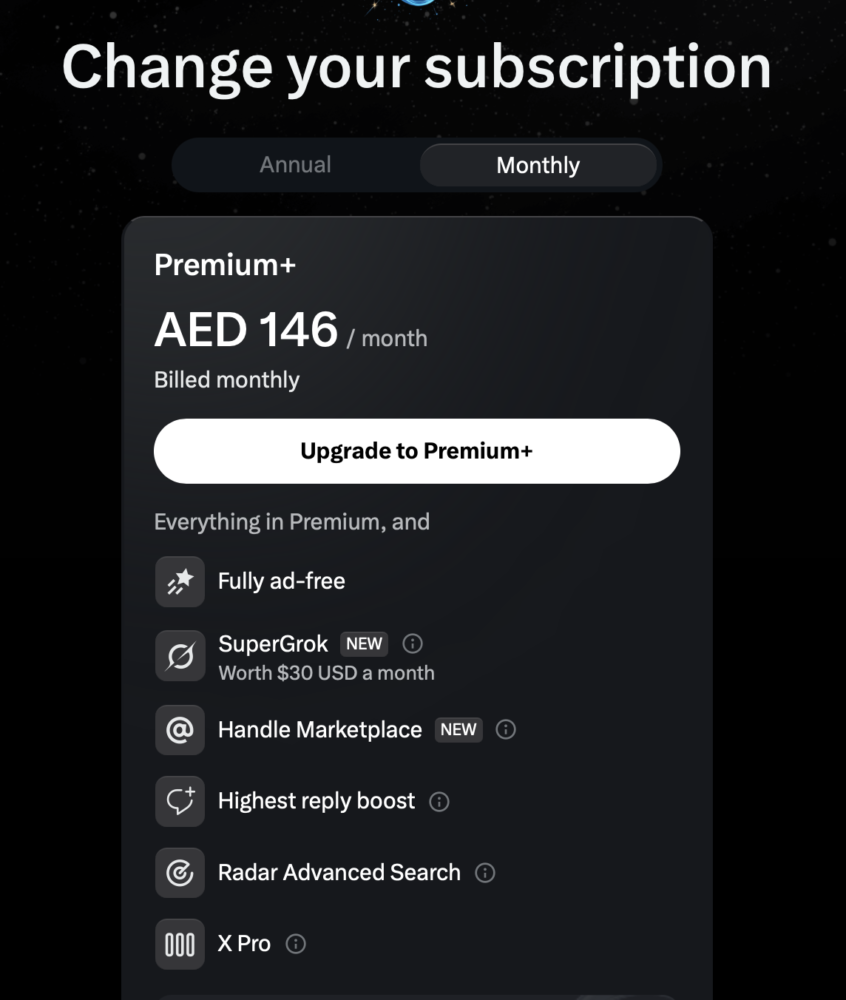
The change shifts X Pro out of the standard Premium plan and into the Premium+ subscription, which costs AED 146 ($40) per month. For users who relied on the tool for monitoring timelines, lists, and real-time updates in a column-based layout, the adjustment may feel abrupt. Several users reported that the feature disappeared mid-billing cycle without clear notice, raising questions about how subscription changes are communicated.
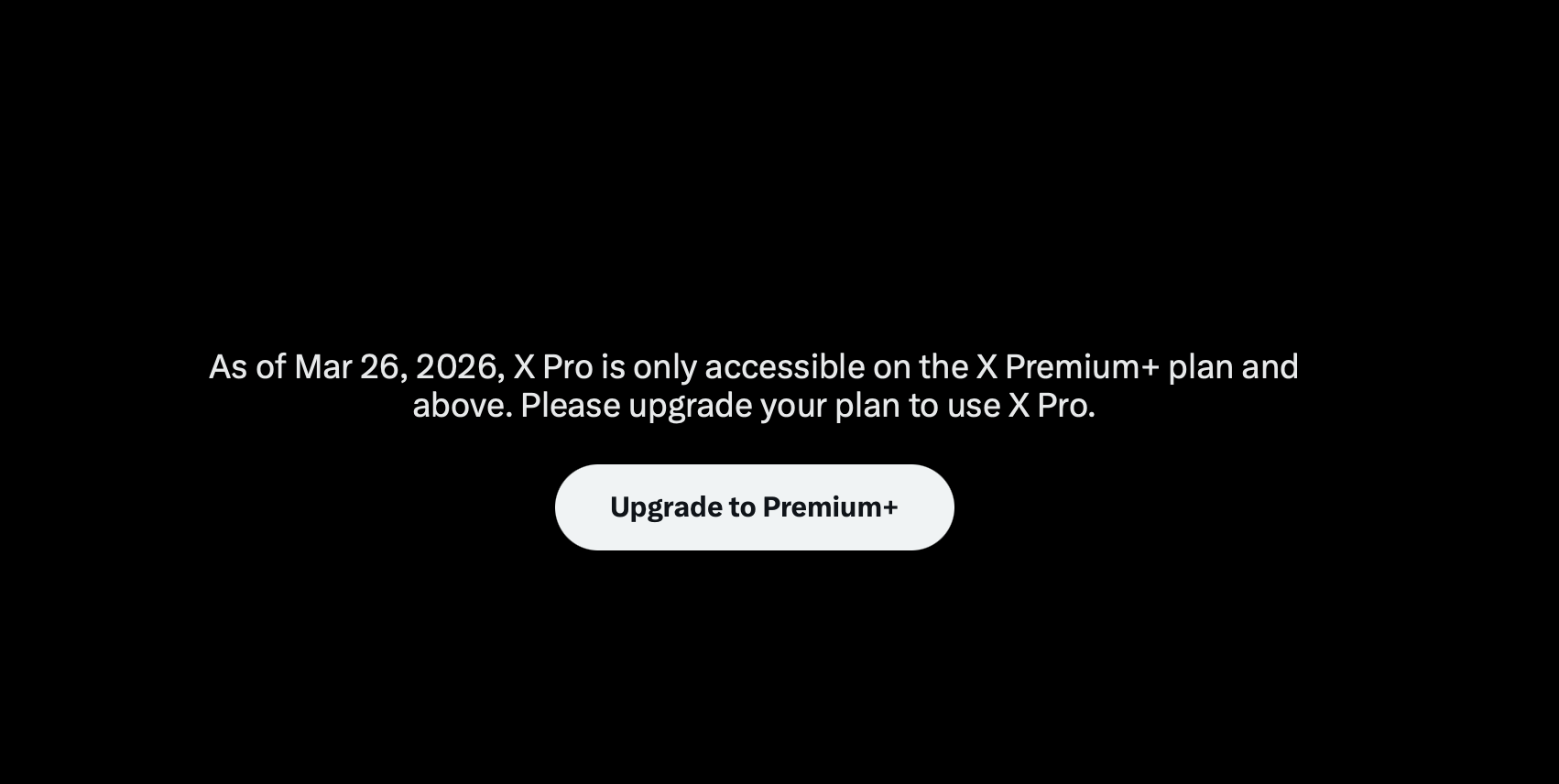
Originally introduced as TweetDeck, the dashboard-style interface built a loyal following among journalists, social media managers, and power users who needed a more efficient way to track conversations and breaking updates. After Elon Musk’s rebranding of Twitter to X in 2023, TweetDeck became X Pro and was gradually folded into the company’s subscription model. Even then, it remained part of the lower-cost Premium tier—until now.
Support documentation on X’s website has started to reflect the new structure, listing X Pro as a Premium+ exclusive. However, not all help pages appear to be updated consistently, which has added to the confusion. Some users have turned to the platform’s AI assistant, Grok, for clarification, which confirmed the shift but suggested that parts of the documentation were still catching up.
The timing of the change has drawn some criticism, particularly from subscribers who recently renewed their plans expecting continued access. Removing a core feature without a transition period or clear advance notice risks undermining trust, especially for users who depend on the tool for professional workflows.
From a broader perspective, the move fits into X’s ongoing effort to push higher-tier subscriptions as a primary revenue stream. Over the past few years, the platform has steadily repositioned formerly free or lower-cost features into premium bundles. While that strategy may help offset declining ad revenue, it also narrows the gap between casual and professional use, effectively pricing certain capabilities out of reach for some users.
Whether this shift will lead to meaningful adoption of the Premium+ tier remains unclear. For now, it highlights a continuing pattern: features that once defined the platform’s utility are increasingly tied to its most expensive subscription level.