

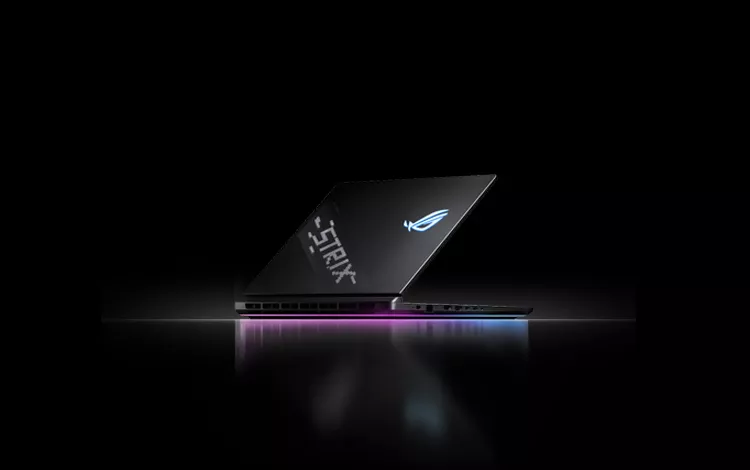
Asus is reportedly exploring unconventional ways to protect its laptop and component business from a prolonged global memory shortage, even as the company publicly denies any immediate plans to manufacture its own RAM. Industry chatter suggests that the Taiwanese hardware maker is at least evaluating whether in-house DRAM production could become a viable option as early as 2026, a move driven less by ambition and more by necessity.
The pressure facing Asus stems from a structural shift in the memory market. The three dominant suppliers—Samsung, Micron, and SK Hynix—are increasingly allocating production capacity to high-margin AI data centers. As a result, output of mainstream DDR4 and DDR5 memory used in consumer PCs has tightened, pushing prices upward even as demand for laptops remains steady.
For PC manufacturers, this imbalance has tangible consequences. Asus, along with peers such as Dell and Framework, is preparing to pass at least some of these higher component costs on to customers. Unlike large cloud providers and enterprise clients, consumer hardware brands have limited leverage when negotiating supply contracts, leaving them exposed to volatility in the memory market.
Reports originating from regional tech outlets suggest Asus is considering whether vertically integrating memory production could provide long-term stability. Historically, the company has focused on design, integration, and branding rather than fabricating core components like DRAM or VRAM. Moving into memory manufacturing would mark a significant departure from that model and place Asus in direct competition with suppliers that have spent decades refining fabrication processes and supply chains.
Skepticism around this idea is widespread. Building and operating a DRAM fab requires enormous capital investment, specialized expertise, and years before meaningful output is achieved. Even if Asus were to establish its own facilities, it might still need to source key materials or subcomponents from existing suppliers, limiting any short-term impact on pricing or availability.
Alternative strategies may prove more realistic. Emerging players such as CMXT have demonstrated working LPDDR5X and DDR5 products, hinting at the possibility of a more diversified supplier landscape. However, these newer firms face capacity constraints and regulatory hurdles, particularly in markets affected by U.S. trade restrictions.
For consumers, the outlook remains challenging. Memory shortages are expected to persist for several years, with some suppliers warning that tight conditions could extend into 2028. Whether Asus ultimately pursues in-house RAM production or continues to rely on external partners, higher laptop prices appear increasingly difficult to avoid. The situation underscores how deeply the PC market is now influenced by the priorities of the AI infrastructure boom, often at the expense of everyday buyers.