
New Year’s Day has consistently been the busiest day of the year for WhatsApp, reflecting how central messaging platforms have become to everyday communication across regions and cultures. According to internal projections for 1 January this year, more than 100 billion private messages and around 2 billion calls are expected to be sent globally within a single 24-hour period. To put that scale into perspective, it would roughly equal every person in the UAE sending tens of thousands of messages or making hundreds of calls in one day. While these comparisons are illustrative rather than precise, they underline the intensity of global activity concentrated around the New Year moment.
The surge is not unusual. Over the past decade, major holidays and cultural milestones have repeatedly driven record-breaking usage across messaging apps, as people increasingly rely on digital communication instead of traditional calls or in-person visits. WhatsApp’s role in this trend is largely tied to its reach and simplicity, particularly in markets where it functions as a default communication layer rather than a secondary app.
A core part of the platform’s positioning remains its use of end-to-end encryption for personal messages and calls. This means that the content of conversations is designed to be accessible only to the participants, not to the service provider itself. While end-to-end encryption is no longer unique in the messaging space, WhatsApp continues to apply it by default across its core features and at a scale that few platforms currently match. Privacy advocates often view this as a baseline expectation rather than a differentiator, but for many users it remains a key reason the app is trusted for personal communication.
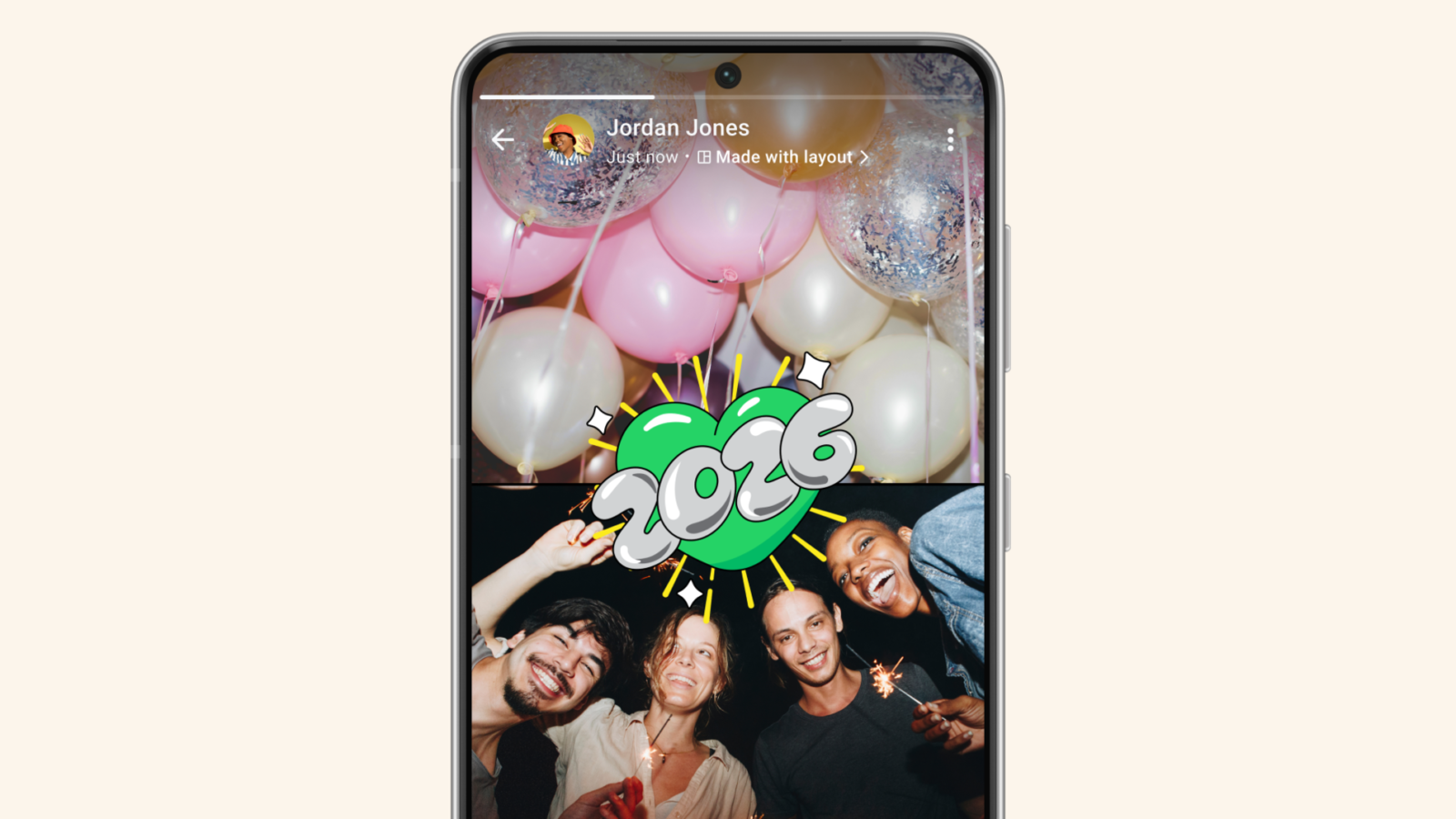
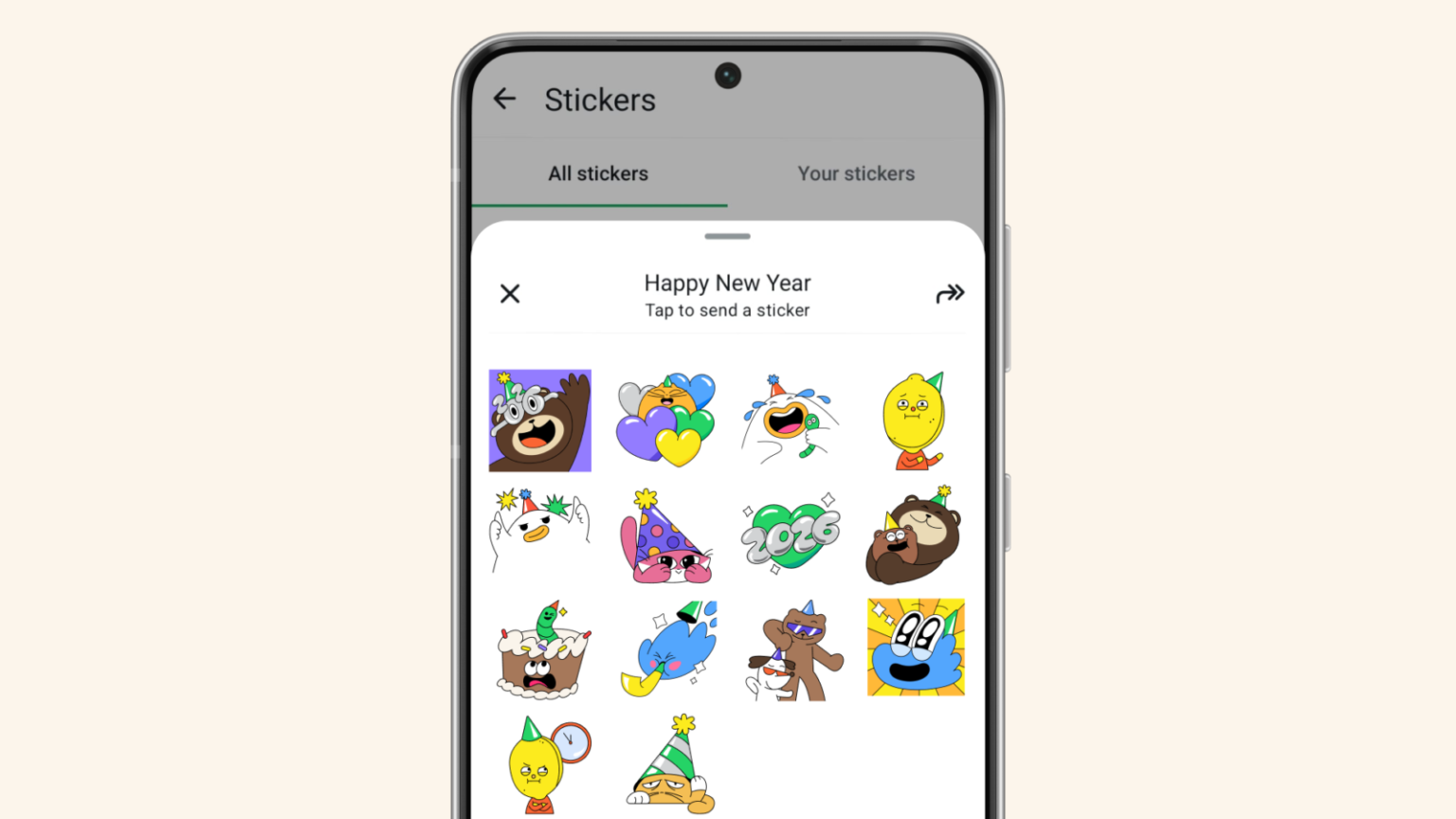
To coincide with New Year’s celebrations, WhatsApp is also rolling out a small set of seasonal features intended to add visual expression rather than change how the service fundamentally works. These include a new sticker pack themed around 2026, additional video call effects such as fireworks and confetti animations, and animated emoji reactions that trigger brief celebratory visuals within chats. For the first time, animated stickers are also being introduced into Status updates, allowing users to post short, visually enhanced greetings tied to a New Year layout.
These updates align with a broader pattern seen across messaging platforms, where lightweight creative tools are added to keep engagement high without disrupting familiar workflows. They are unlikely to alter usage habits in a lasting way, but they reflect how messaging apps now compete as much on expression and personalization as on reliability.
As global digital communication continues to peak around shared cultural moments like New Year’s Day, the scale of activity on platforms such as WhatsApp offers a snapshot of how personal connection has shifted into always-on, mobile-first spaces. The underlying technology may evolve incrementally, but the impulse to reach out at meaningful moments remains largely the same.