
The iPhone 17e is shaping up to be Apple’s next attempt at refining its budget-tier strategy, following a lukewarm reception to the iPhone 16e. While the previous model offered capable hardware in a familiar design, it struggled to generate the same momentum as Apple’s higher-end releases. Based on months of reports and supply-chain chatter, the iPhone 17e could address several of those concerns without moving far from its expected $599 starting price.
Release timing now points to a March 4, 2026 unveiling at Apple’s global press briefings in New York, London, and Shanghai. Pre-orders are likely to open shortly after the announcement, with availability projected for the second week of March. If pricing holds steady at $599 for the 128GB variant, Apple would be maintaining its entry iPhone price for another year despite broader component cost pressures. That decision, if accurate, would reinforce Apple’s strategy of offering incremental hardware upgrades while keeping the starting price consistent.
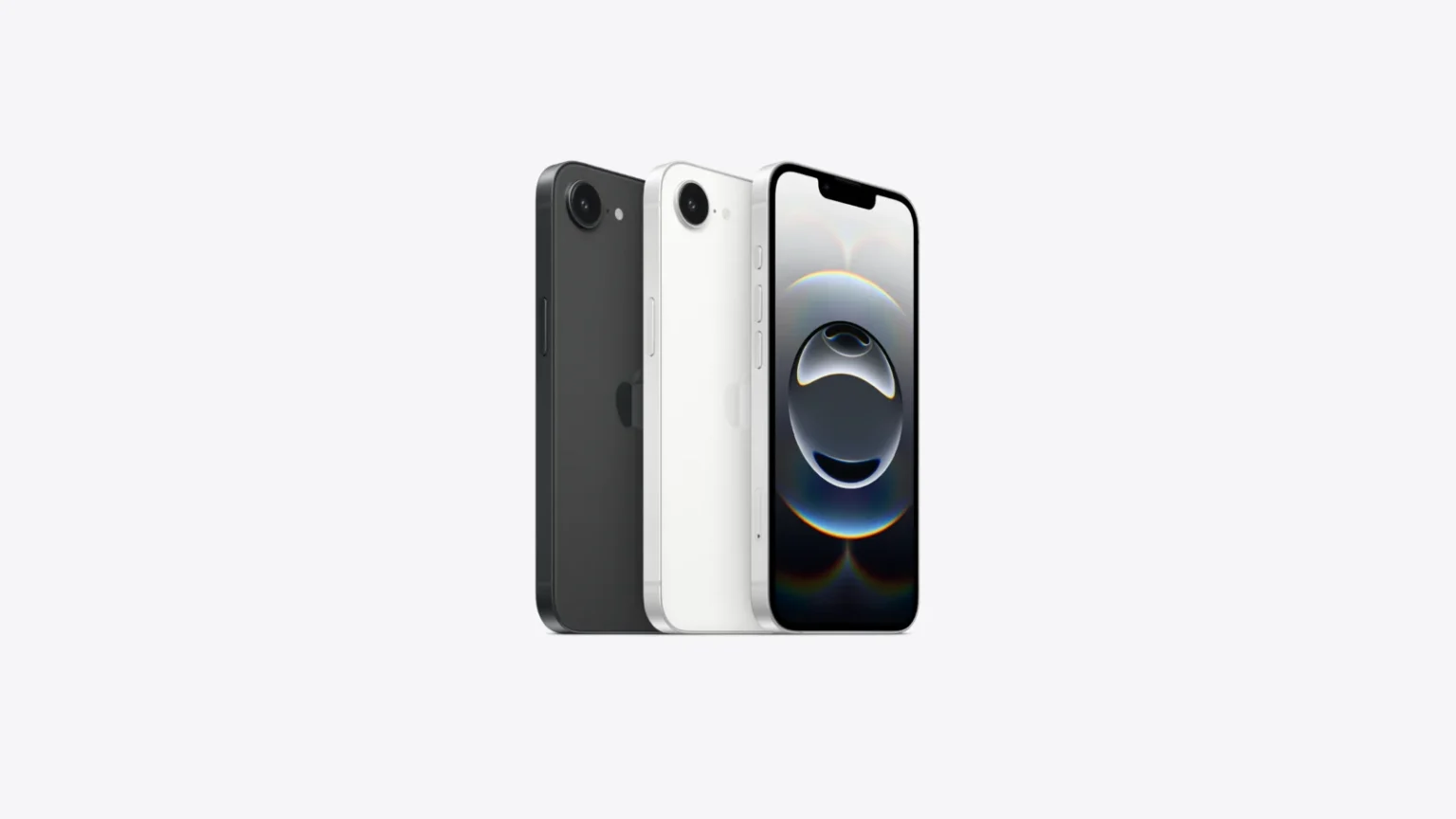
Design appears to be one of the more visible changes. Reports suggest the iPhone 17e may drop the large notch in favor of the Dynamic Island interface introduced on recent flagship models. If it adopts a front panel similar to the iPhone 15, users can expect slimmer bezels and a more modern appearance. Materials are likely to remain consistent with an aluminum frame between glass panels. Color options may expand beyond black and white, with a rumored purple or lavender finish aimed at younger buyers.
Display specifications indicate a 6.1-inch OLED panel with a 60Hz refresh rate and peak brightness around 2,000 nits. That means no ProMotion 120Hz support, keeping a clear distinction from Pro models. The choice reflects Apple’s typical segmentation: solid visual quality without the higher refresh rates reserved for premium tiers.
Under the hood, the iPhone 17e is expected to feature the A19 chip built on a 3nm process. While it may use a slightly reduced GPU configuration compared to flagship variants, performance should remain more than sufficient for everyday tasks and demanding apps. The device could also incorporate Apple’s in-house C1X modem, offering improved energy efficiency and potentially stronger 5G performance. RAM is likely to remain at 8GB, which supports Apple Intelligence features across iOS 26.
Speaking of software, the phone should ship with iOS 26 out of the box. Apple Intelligence tools such as Writing Tools, Gemoji, and Clean Up are expected to be supported. However, more advanced Siri enhancements rumored for later iOS updates may not be available immediately at launch.
Camera hardware is expected to stay streamlined. A single 48MP Fusion rear sensor would allow 24MP and 48MP capture modes, along with 2x in-sensor zoom and Dolby Vision HDR video up to 4K at 60 frames per second. The front camera may see an upgrade to an 18MP sensor similar to what’s found in higher-end models, potentially supporting enhanced video features like Center Stage.
Battery life could become one of the device’s more practical strengths. Reports suggest a 4,005mAh battery, which may deliver up to 30 hours of video playback. MagSafe support is also rumored, possibly with faster 25W wireless charging, expanding compatibility with Apple’s accessory ecosystem.
If these specifications hold, the iPhone 17e would offer incremental but meaningful improvements in design, processing power, battery capacity, and camera capability. It would still carry trade-offs, including a single rear camera and a 60Hz display. However, for buyers seeking a modern iPhone experience without entering flagship pricing territory, the iPhone 17e could represent a more balanced entry point in Apple’s 2026 lineup.