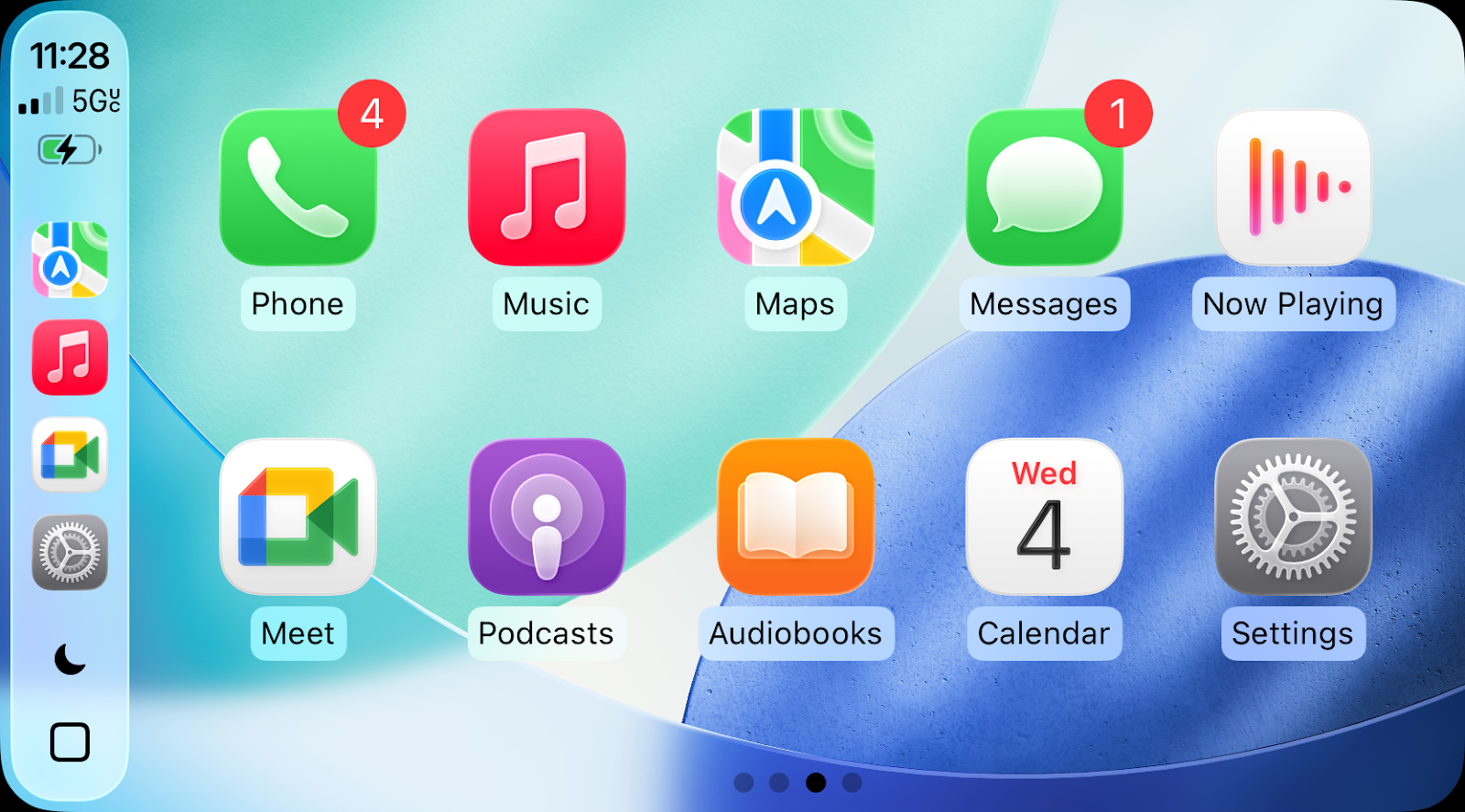


After a long delay, Waze has begun rolling out a set of driving alerts that were first outlined nearly two years ago. The company has confirmed via recent user emails that features originally discussed in early 2024 are now arriving for a broader audience, with availability expanding gradually over the coming weeks. While the timeline has slipped considerably, the update reflects a clear effort to focus on practical, on-the-road details rather than abstract routing optimizations.
The most noticeable changes revolve around physical road conditions that tend to disrupt everyday driving. Waze is adding clearer alerts for speed bumps, sharp curves, and toll booths, offering drivers earlier notice of obstacles that are often missed until the last second. These warnings are designed to reduce abrupt braking and sudden lane changes, particularly in unfamiliar areas where road signage can be inconsistent or poorly placed. While such features are common in some regional navigation tools, their broader rollout on Waze fills a long-standing gap in its core driving experience.
Another significant addition is emergency vehicle awareness. Initially launching in the United States, Canada, Mexico, and France, the feature alerts drivers when ambulances or fire trucks are approaching their route. In crowded urban settings, where sirens can echo unpredictably between buildings, advance notice of an emergency vehicle’s direction could help drivers respond more calmly and clear lanes more efficiently. The system relies on a mix of official data sources and real-time reporting, though its effectiveness will depend heavily on local adoption and data accuracy.
Waze is also refining how it handles speed enforcement risks and complex intersections. Drivers will now receive clearer warnings when entering lower-speed zones, addressing a common frustration for commuters passing through towns with abrupt limit changes. Updated roundabout guidance aims to reduce confusion by showing lane positioning before entry, rather than leaving drivers to adjust mid-circle.
Alongside these alerts, the app is continuing its quieter shift toward personalized routing. Waze says it is improving how it recognizes preferred routes, even when those routes are not technically the fastest. The app will still suggest alternatives during heavy congestion, but the emphasis appears to be on consistency and driver comfort rather than constant rerouting.
Although these features arrive much later than originally suggested, their release underscores Waze’s ongoing reliance on community-driven data to manage everyday driving challenges. The update does not redefine navigation, but it does make routine trips more predictable, which for many drivers may be enough.