
The first feature update for the Vivaldi browser in 2026 arrives with version 7.8, continuing the project’s long-running focus on manual control and workflow efficiency rather than automated assistance. The update introduces several refinements to tab management, an area where Vivaldi has traditionally tried to differentiate itself from mainstream browsers by offering more configuration instead of predictive features.
Alongside the release, Vivaldi Technologies has again signaled its skepticism toward the current wave of AI integrations in web browsers. While competitors have leaned into automated summaries, generative writing tools, and image features, Vivaldi’s leadership argues that such additions increasingly shape what users see and how they interpret it. The company’s stated position is that browsers should prioritize tools that help users organize information, not reinterpret it on their behalf.
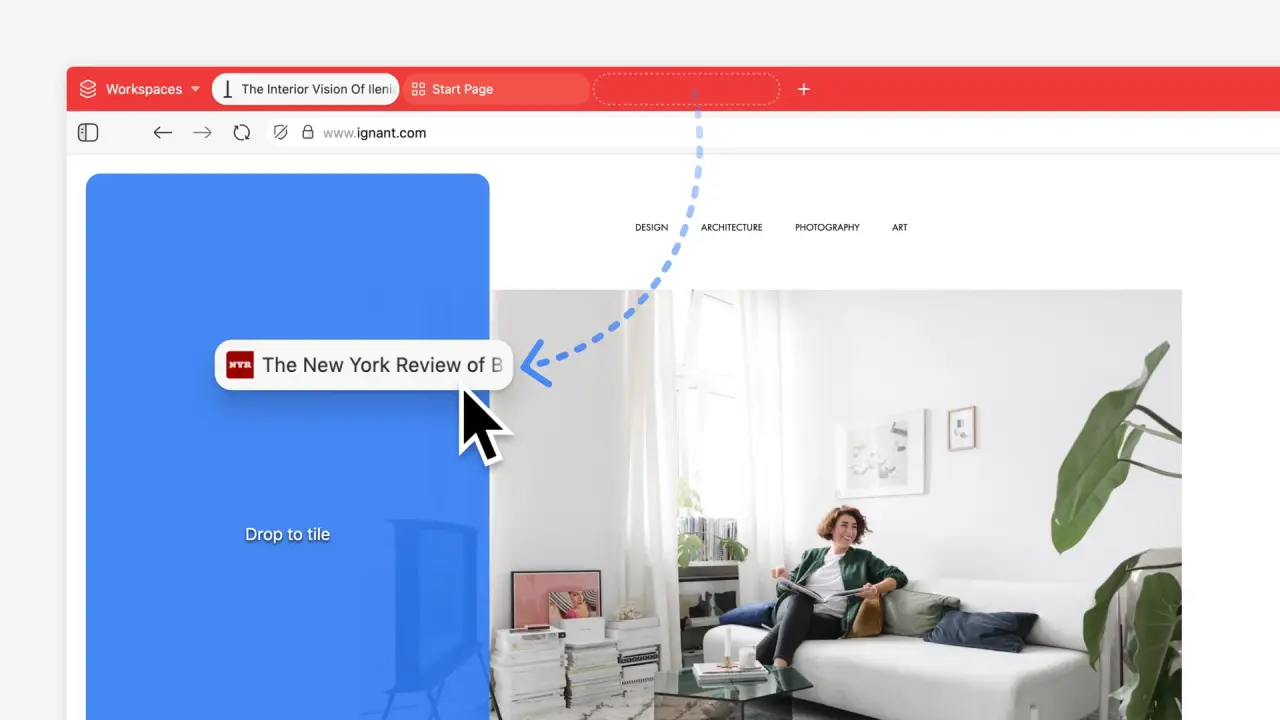
That philosophy is reflected in the headline changes in version 7.8, which are largely centered on tabs. Tab tiling, a feature that allows multiple pages to be viewed simultaneously within a single window, is now easier to use. Users can create a tiled layout by dragging and dropping tabs directly into the workspace. Unlike basic split views offered elsewhere, Vivaldi’s implementation supports more than two tabs at a time and allows flexible layouts depending on how many pages the user wants visible.
The update also reduces friction when opening links into an existing tiled view. A new context menu option makes it possible to open a link directly alongside the current tab, removing several intermediate steps that were previously required. This change is small but meaningful for users who rely on side-by-side reading or comparison as part of their daily browsing.
Pinned tabs have also been adjusted with an optional domain-locking behavior. When enabled, a pinned tab stays tied to its original website, preventing accidental navigation away from that domain. The setting is configurable, allowing users to keep the old behavior if they prefer more flexibility.
Beyond tabs, version 7.8 extends the browser’s built-in mail client so it can be accessed consistently across multiple windows. This improves continuity for users who treat Vivaldi as more than just a browser and rely on its integrated tools throughout the day.
Vivaldi 7.8 is now available on Windows, macOS, and Linux. Rather than chasing automation trends, the update reinforces the browser’s long-standing appeal to users who want explicit control over how information is arranged and consumed.