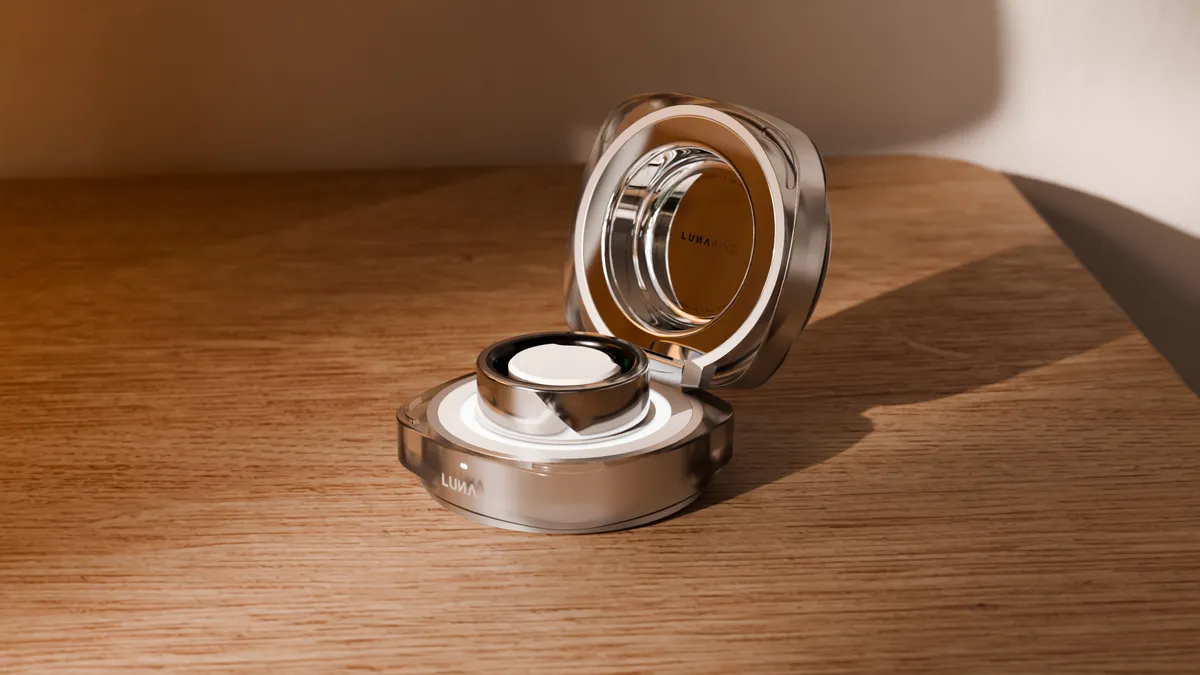
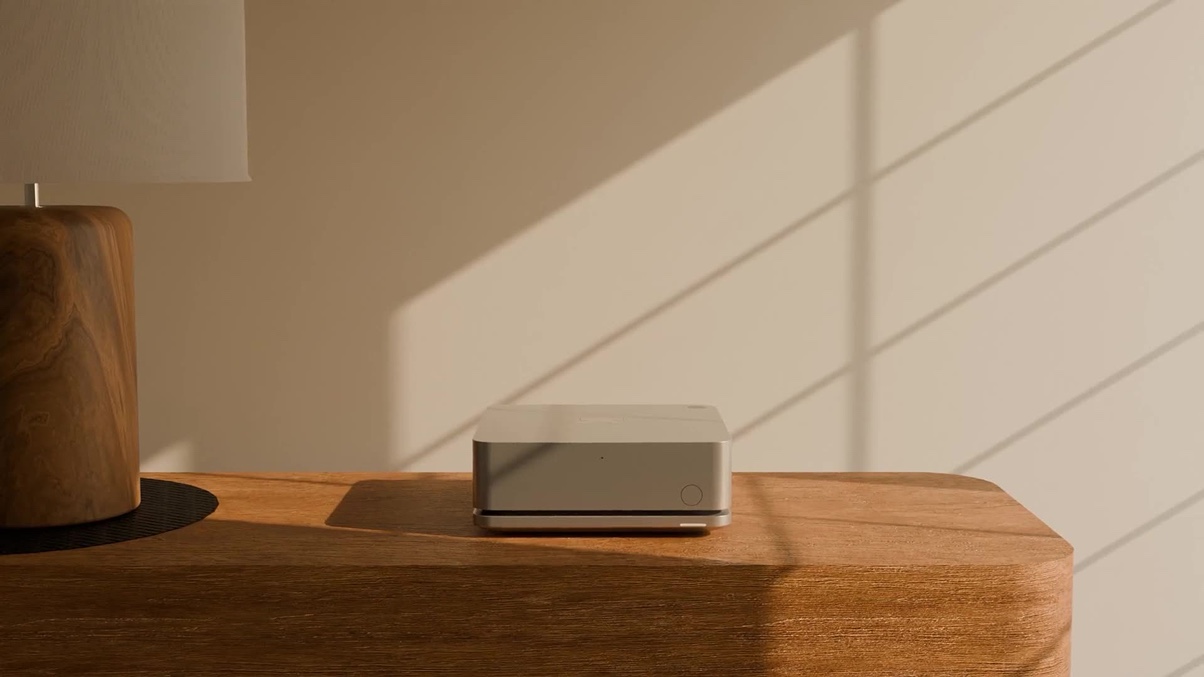
For many people, the biggest barrier to sleep tracking isn’t the data itself but the requirement to wear a device overnight. Ultrahuman is trying to sidestep that issue with an update to Ultrahuman Home, shifting more of the sleep-monitoring process to the environment rather than the body. The system now incorporates an AI-driven audio model that can identify breathing irregularities, coughing, and snoring from a bedside position. The idea is to offer reasonably detailed sleep and respiratory insights without requiring physical contact, which may appeal to households where wearables feel intrusive or impractical.
The device is currently available at dh1,489, with a 15 percent Black Friday discount running through December 1. Existing users will receive the new capabilities through a software update that begins rolling out globally today.
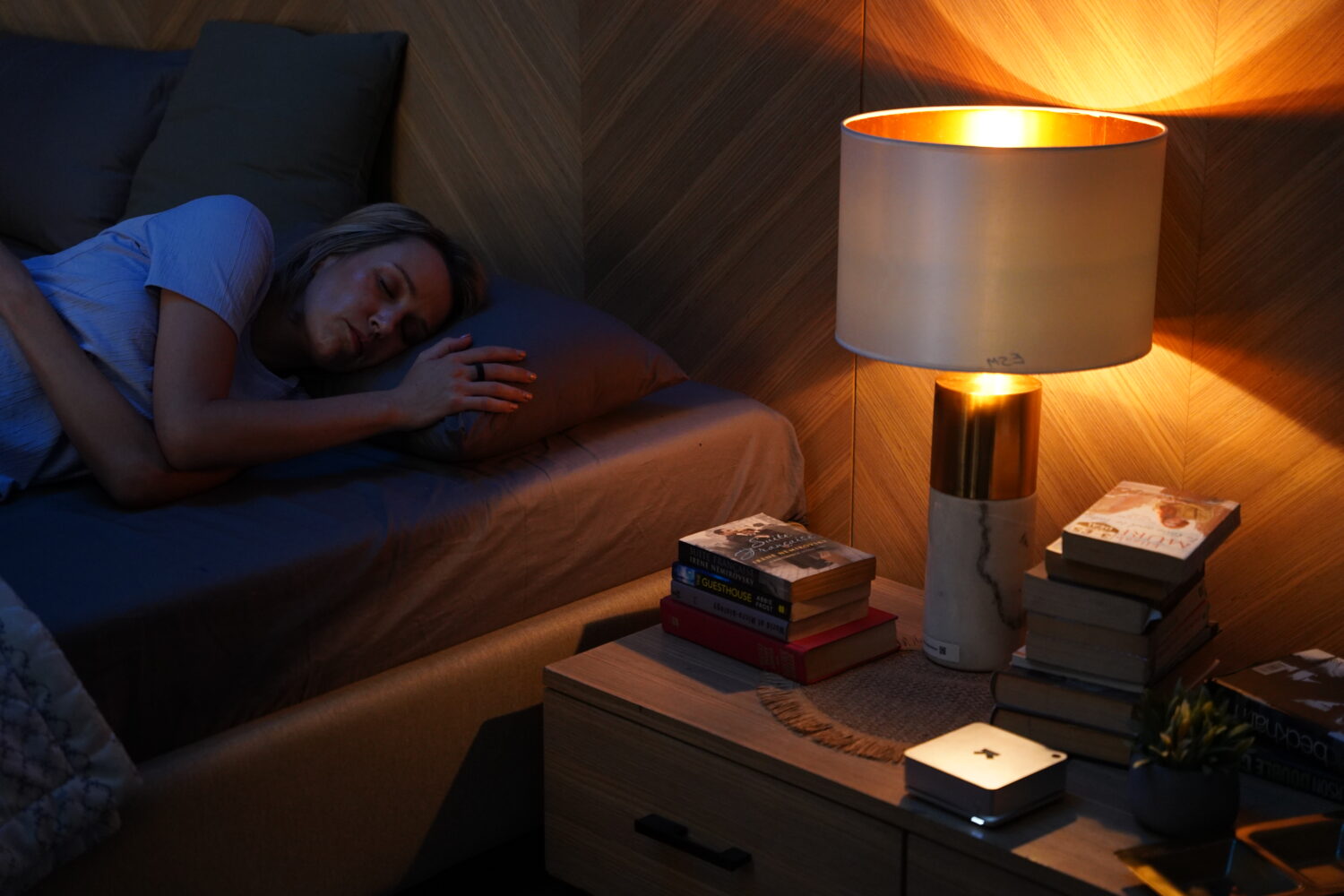
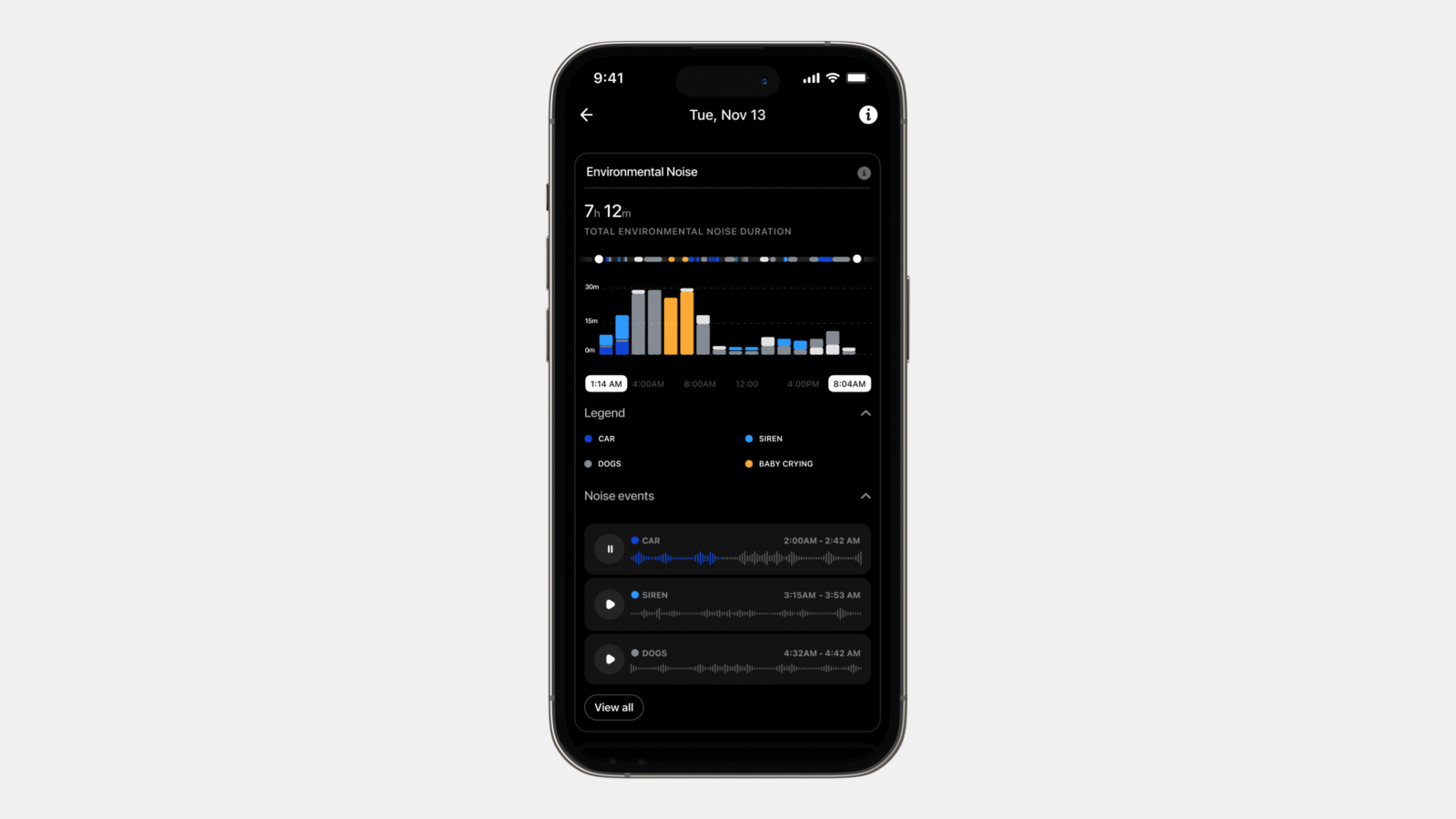
Ultrahuman positions the Home as an ambient sleep monitor intended to capture the context in which rest takes place. Instead of focusing solely on sleep stages or wearable-based biometrics, the system evaluates air quality, light exposure, temperature shifts, noise patterns, and respiratory sounds occurring in the room. These inputs feed into what Ultrahuman calls an Ambient Sleep Score intended to show how environmental conditions may be shaping someone’s ability to stay asleep.
Much of the device’s environmental logic aligns with established sleep research. Evening exposure to blue-rich light can delay melatonin release and shift circadian timing. Short bursts of noise or low-frequency hums can prompt stress responses that fragment sleep cycles even if the sleeper never fully wakes. Elevated CO₂ levels may increase the body’s respiratory drive, contributing to lighter sleep, while poor air quality and particulate pollution can irritate airways. Temperature and humidity also remain central variables, with deviations from a comfortable range often leading to restlessness and reduced deep sleep.
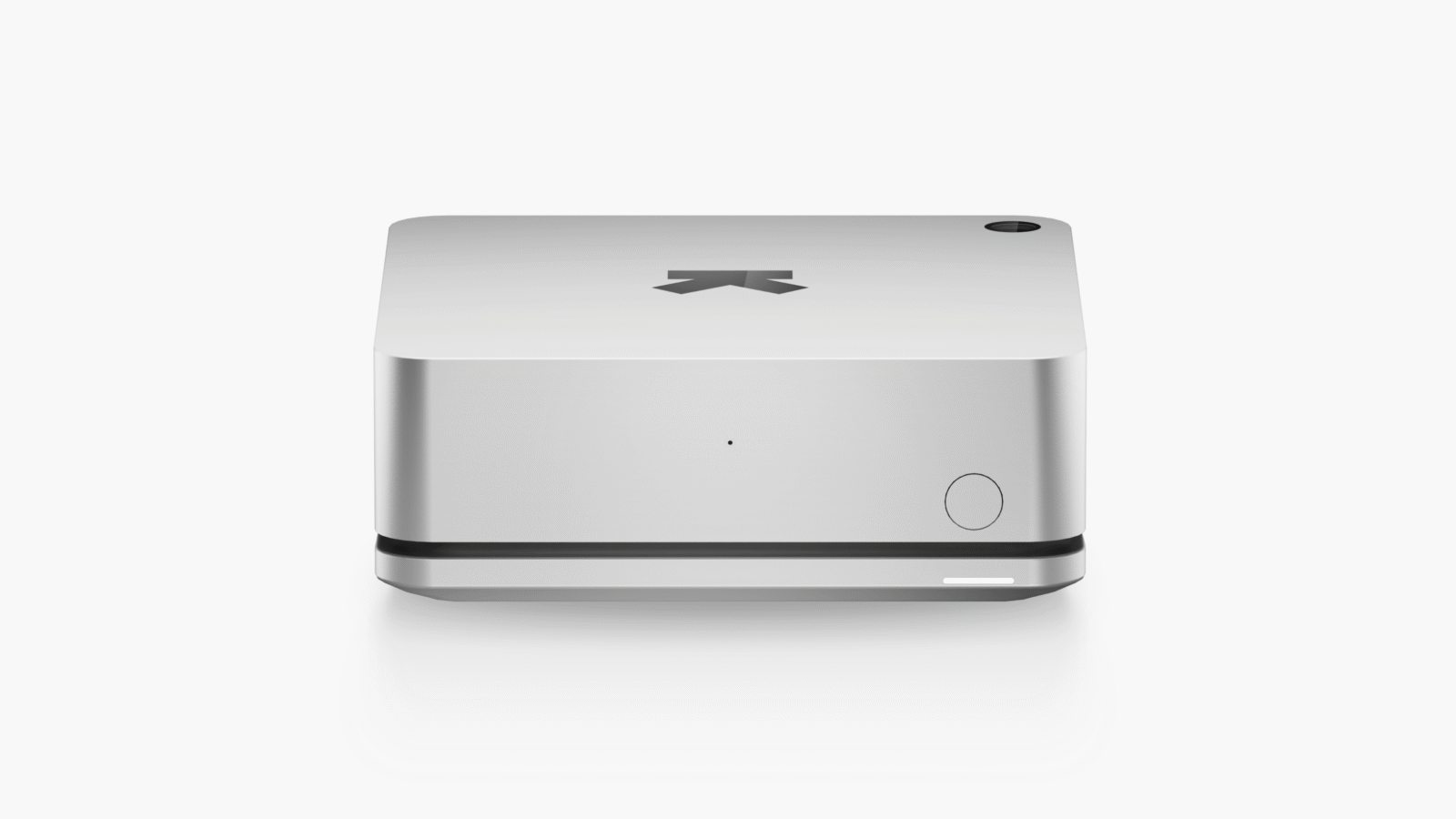
The upgraded microphones and audio model extend the system from environmental sensing into more focused respiratory analysis. Ultrahuman Home now flags snoring intensity, cough frequency, and irregular breathing patterns, generating a set of indicators the company calls a Respiratory Health Score. Snoring data is often used as a proxy for conditions like obstructive sleep apnea, a disorder that remains underdiagnosed worldwide and is associated with cardiovascular and cognitive risks. While an ambient monitor is not a substitute for clinical evaluation, this kind of tracking may help users spot notable changes in nighttime breathing and seek professional assessment when needed.
Because the device captures sound, privacy is a recurring concern. Ultrahuman includes a physical microphone switch for users who want to disable audio collection. Stored audio can be deleted, and the company states that its data practices meet HIPAA and GDPR requirements.
Looking ahead to December 2025, Ultrahuman plans to tie the device into smart home platforms to automatically adjust lighting, air purifiers, and HVAC systems in response to real-time environmental data. The company says it is targeting Matter compatibility, which could reduce the friction typically associated with mixed-ecosystem homes.
For those already using the Ultrahuman Ring AIR, the Home can combine ambient data with wearable metrics through a feature known as UltraSync. This pairing aims to connect sleep-stage patterns with room conditions such as temperature, CO₂ levels, blue-light exposure, and noise, potentially giving both sets of data more context as the platform adds new correlations over time.