

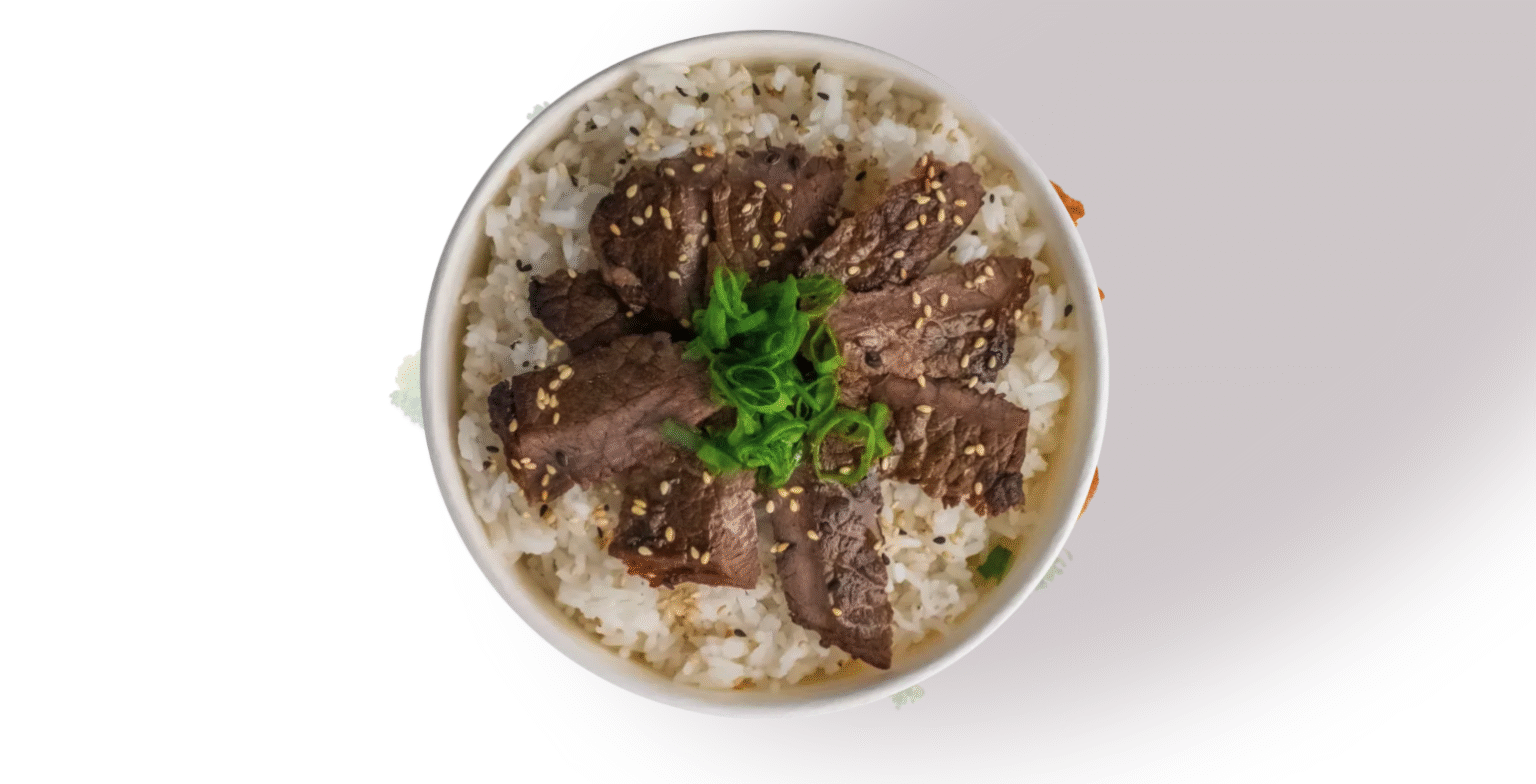
A new entrant in Dubai’s food delivery sector is attempting to streamline the city’s weekday lunch routine with an AI-driven subscription model built around predictable pricing and reduced decision-making. The startup, funch, is positioning itself as an alternative to conventional delivery apps and rigid meal-plan subscriptions, offering lunch at a flat AED 19 per day through a flexible credit system. With Dubai’s office workers often paying two to three times that amount for midday meals, the company is targeting cost-conscious subscribers who want convenience without the daily friction of browsing menus or managing minimum order requirements.
Rather than locking users into weekly or monthly meal plans that expire whether meals are consumed or not, funch’s approach centers on credits that can be redeemed at any pace. Subscribers can top up manually or set an automatic renewal so credits replenish as they run low. Once a user sets basic preferences and a delivery window, meals arrive without further input. It’s effectively a scheduled lunch service designed to remove the routine choices that have become part of the modern workday in Dubai, where food delivery usage remains high and menu variety is often more overwhelming than empowering.
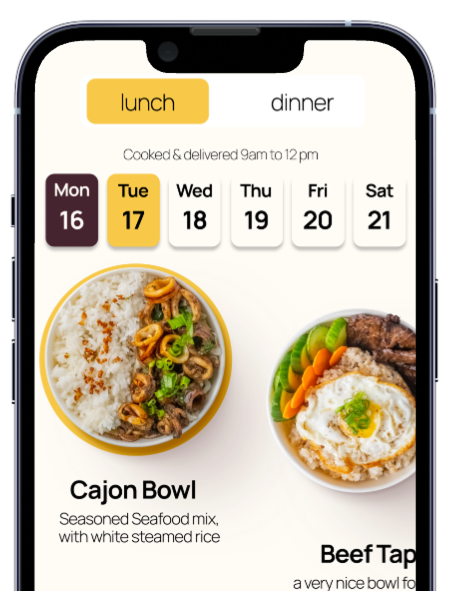
The company was co-founded by Ahmad Joehnny, who previously worked at Delivery Hero and Zalando, and Ghada Zanaty, whose background spans WE Egypt, OmanTel, and Able App. Before formally launching, the team operated quietly, delivering more than 75,000 meals across the city to test the model and refine logistics. They say the demand for a predictable, low-effort lunch option was clear early on, particularly among workers facing rising delivery fees and fluctuating daily prices.
Both founders frame funch as an answer to a delivery market optimized for on-demand behavior rather than routine consumption. They argue that the focus on discounts, upselling, and constant menu browsing contributes to waste and inefficiency—issues the company claims it can alleviate through pre-planned orders and consolidated deliveries. The startup points to fewer trips, optimized routing, and reduced emissions as operational benefits that align with sustainability goals embedded in Dubai’s 2040 urban development strategy.
From a technical standpoint, funch presents itself as an AI-native company. The system predicts daily demand, adjusts menus automatically, manages routing, and helps minimize food waste in its 2,000-square-foot kitchen. The platform’s promise is that these efficiencies allow it to keep lunch costs comparatively low without compromising consistency or adding layers of complexity to the customer experience.
Early metrics suggest strong initial traction, including high retention during testing phases and a reported 99.8% delivery accuracy rate. That performance, combined with the business model’s straightforward value proposition, has helped funch secure a $500,000 pre-seed round. Investors include Angelspark and several strategic backers such as Swvl founder Mostafa Kandil, Mahesh Murthy—an early-stage investor known for digital-first ventures—and additional angel participants including Tushar F., Hamed Mustafa, and Rutvik Deepak.
The startup aims to deliver one million lunches by the second quarter of 2026 and position itself as the region’s first dedicated lunch-delivery infrastructure rather than a typical marketplace app. The long-term pitch is clear: create an automatic, affordable routine for the workforce and remove lunch from the list of daily decisions.