

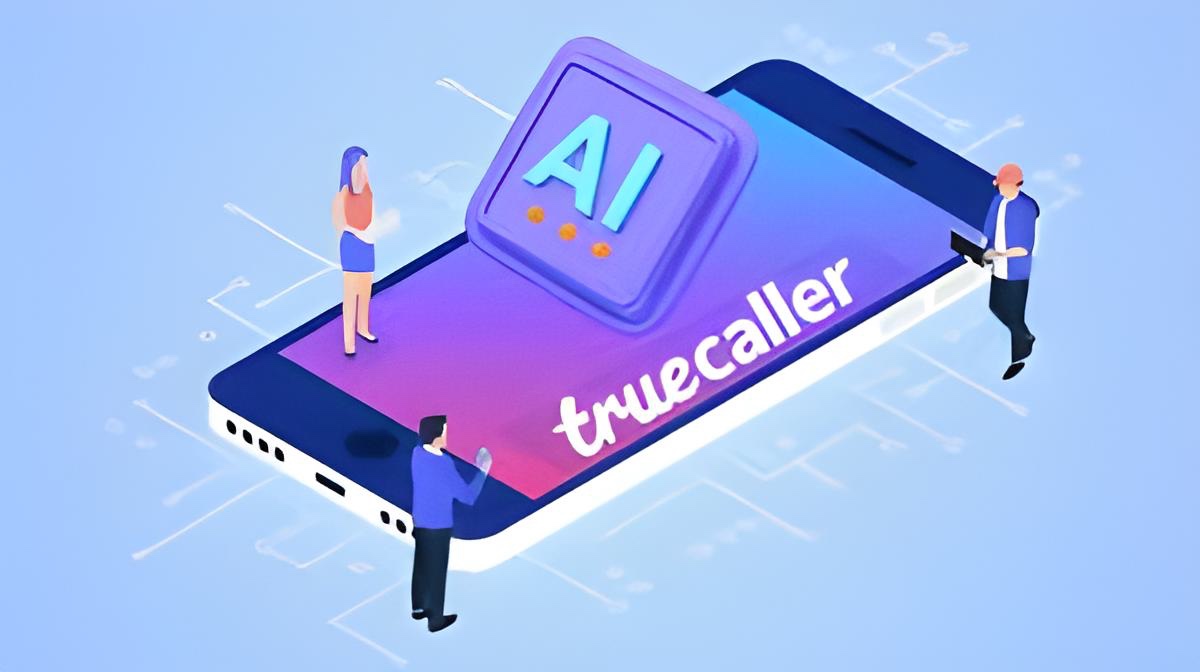
Truecaller, best known as a caller ID app, is moving beyond simply showing who is on the other end of a phone call. The company has introduced artificial intelligence features designed to provide context about why someone is calling, not just their identity. With more than 450 million active users worldwide, the service is positioning itself as a tool for both safety and clarity in an era of rampant phone scams and unwanted calls.
Traditional caller ID systems, often tied to telecom operators, typically display only a name and occasionally a spam warning. Truecaller’s new AI-driven approach instead analyzes signals from billions of calls, messages, and user reports each day to deliver real-time insights. This includes categorizing calls as potential fraud attempts, suggesting whether a number is likely connected to a business, and even generating short AI summaries of what other users have said about that caller. For people deciding whether to pick up an unfamiliar number, these details aim to reduce uncertainty.
Phone fraud continues to grow worldwide, with the Global Anti-Scam Alliance and Feedzai estimating scam-related losses at more than $1 trillion in 2024. Truecaller says it detected over 56 billion spam and fraud attempts that same year. Its AI is built to adapt quickly, learning from patterns across different countries, languages, and formats. A number flagged as a fraud attempt in one region, for instance, can be preemptively marked elsewhere, helping the system respond faster than traditional spam databases.
Beyond fraud detection, the system can provide practical context. Calls may be labeled as “likely a delivery,” “customer support,” or “insurance,” even when little community feedback exists. Suspicious behavior can also trigger alerts before a number is widely reported. This makes the platform more proactive, positioning it as a form of real-time caller intelligence rather than a static directory.
The company emphasizes that much of this context is generated dynamically by AI rather than requiring businesses to register. While it offers verified badges for official brands, the broader intelligence comes from its data-driven models combined with ongoing user reports across its global base. With participation from hundreds of millions of people in over 190 countries, Truecaller benefits from the scale of community-driven feedback, allowing its systems to detect threats earlier than conventional telecom tools.
In practice, this means that a user receiving an unexpected call doesn’t just see who it’s from — they can also get an immediate sense of whether it’s safe, relevant, or potentially harmful. In a communications landscape where trust is increasingly fragile, that additional layer of context may prove as valuable as knowing the caller’s name.