

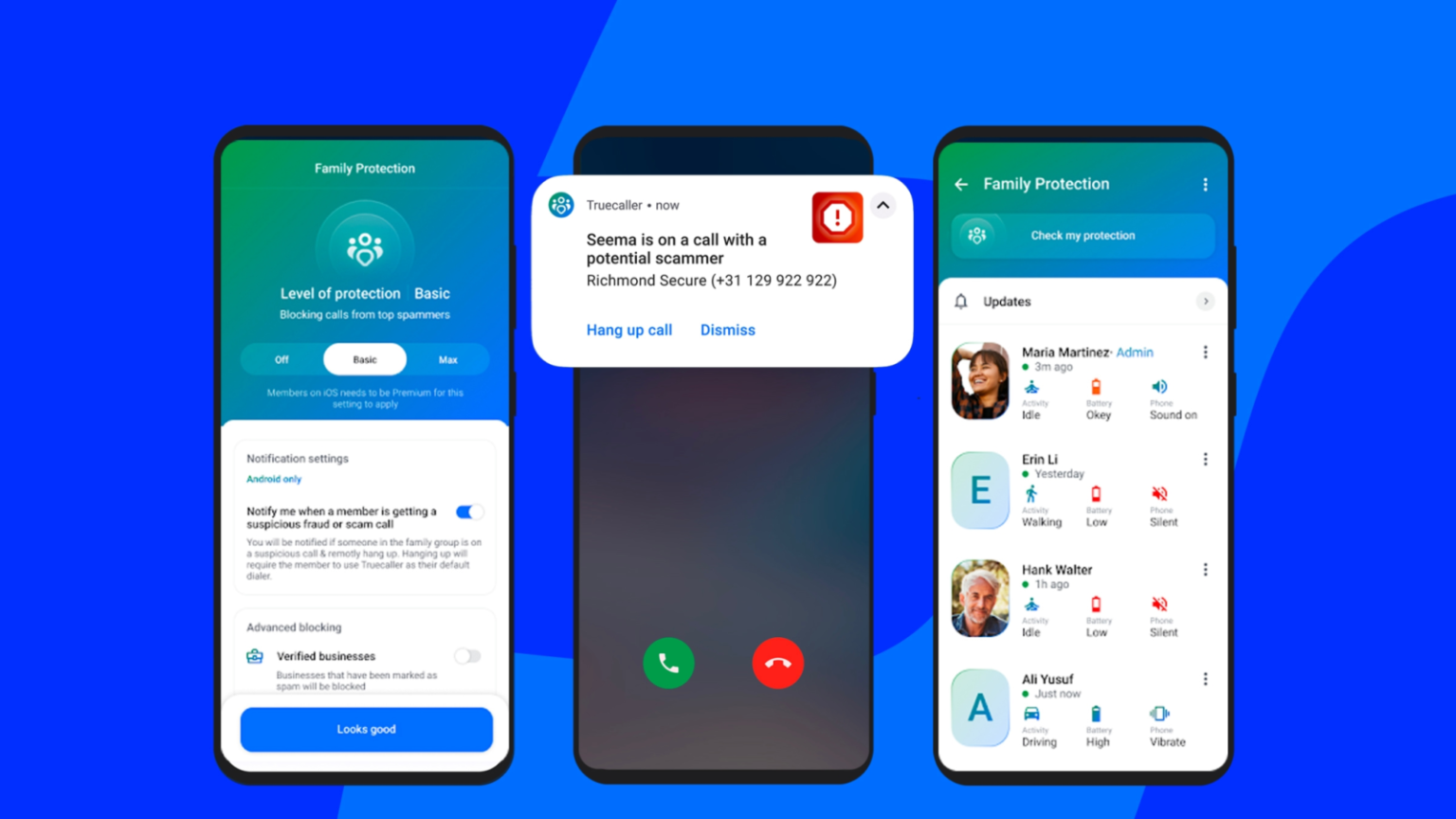
Truecaller is expanding its efforts to address phone scams with a new feature designed for families and small groups. The caller identification platform has introduced a system that allows one person to act as an administrator for a group and monitor suspected fraud calls received by other members. In certain situations, that administrator can also remotely end the call if they believe a family member may be dealing with a scammer.
The feature first appeared in December in a limited number of markets, including Sweden, Chile, Malaysia, and Kenya. After testing the rollout, the company has now decided to make it available globally, including in India, which remains Truecaller’s largest market. According to the company, the tool is free to use and does not require a paid subscription. Users can create a group with up to five members, typically allowing a more technically confident person to oversee scam protection for others.
Once a group is created, the administrator receives alerts when another member receives a call flagged as potentially fraudulent. If the admin believes the call could lead to a scam or financial harm, they have the option to end the call remotely. The ability to disconnect calls currently works only on Android devices, though both Android and iOS users can receive scam alerts within the group system.
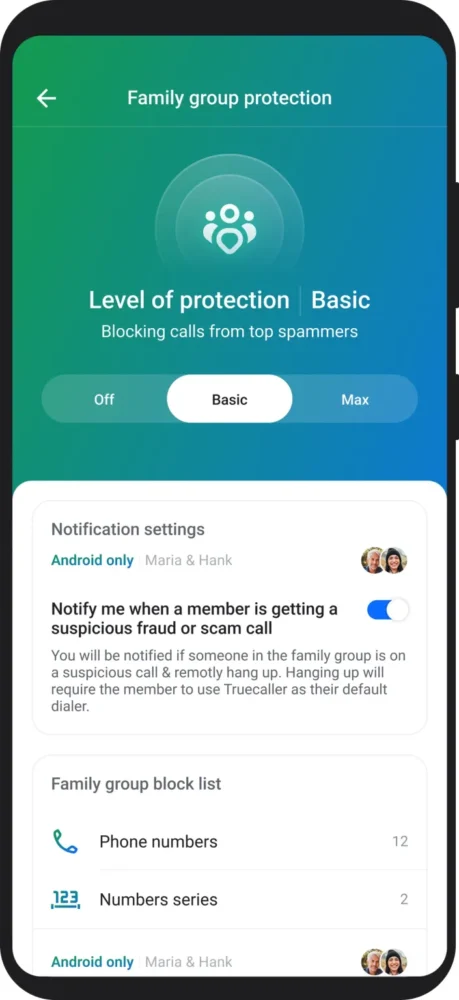
The feature also includes additional monitoring options for Android users. Group members can grant permission for the administrator to see contextual information about their phone activity, such as whether they are walking, driving, or have their device set to silent mode. Truecaller says these signals are meant to help administrators determine when it may be appropriate to contact family members directly or intervene if a suspicious call occurs. The platform also allows the admin to block specific phone numbers or international dialing codes and share those blocklists across the group.
Truecaller emphasizes that the system is designed to focus on scam prevention rather than general surveillance. Administrators cannot view the regular call history or SMS messages of other members, and access is limited to information related to fraud alerts and the permissions granted by group participants.
The company frames the feature as part of a broader shift toward protecting users from increasingly sophisticated fraud attempts. Phone scams remain a persistent problem in many countries, particularly in markets like India where scam calls have risen significantly. Truecaller reported identifying more than 7.7 billion fraud calls globally last year.
In parallel, the company is exploring additional ways to use artificial intelligence to identify and interrupt scam attempts. One concept under development involves analyzing live calls for phrases commonly used in fraudulent schemes and automatically disconnecting calls if certain patterns are detected. For example, scammers in India have reportedly used tactics such as “digital arrest,” where they impersonate law enforcement officials in order to pressure victims into sending money or sharing personal information.
Truecaller has already experimented with AI features in other areas of its app. Last year, the company introduced an AI-powered voicemail tool in India that answers calls when users are unavailable and generates a summary of the conversation. Similar technology could eventually be used to analyze suspicious calls and notify group administrators about potential fraud attempts in real time.
Despite expanding its feature set, Truecaller is also facing pressure in some of its largest markets. The company’s stock has dropped sharply over the past year, and its latest earnings report showed declining profitability and advertising revenue. In India, new telecom initiatives such as the Caller Name Presentation system, which displays the caller’s registered name through telecom carriers, could also reduce reliance on third-party caller identification apps.
Truecaller argues that these carrier-level tools provide only basic identification, while its platform adds additional context through spam reports and community-driven data. Whether those differences will be enough to maintain user growth remains uncertain as government-backed alternatives continue to roll out.