

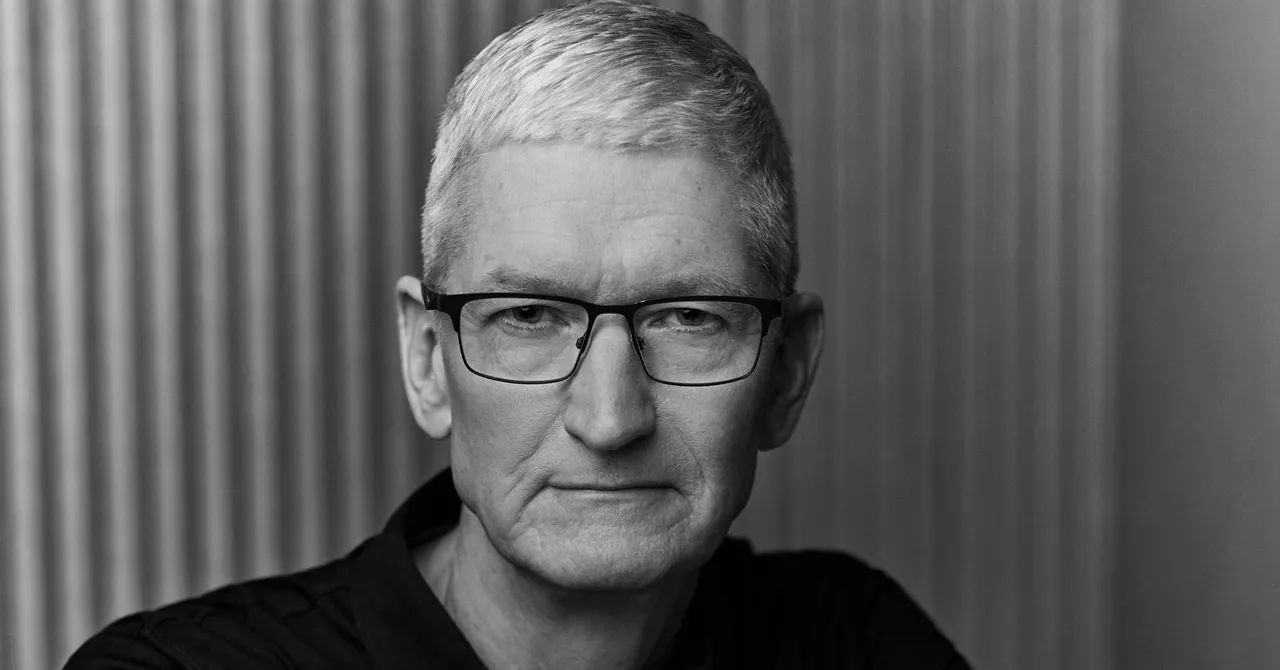
Apple CEO Tim Cook recently reflected on what he sees as the company’s defining traits as it approaches a major milestone. During an interview with technology journalist David Pogue for CBS Sunday Morning, Cook pointed to two factors he believes have been central to Apple’s long-term development: its people and the internal culture that shapes how those people work together.
The conversation arrives shortly before Apple’s 50th anniversary on April 1, 2026, a moment that has prompted renewed attention to the company’s history—from its early days as a small personal computer startup to its current position as one of the world’s most valuable publicly traded firms.
Cook acknowledged that Apple holds a large portfolio of intellectual property, including patents and proprietary technologies that underpin many of its products. However, he framed those assets as outcomes rather than the primary drivers of success. According to Cook, the employees behind the technology—and the organizational culture that guides them—play a more important role in sustaining the company’s ability to produce new ideas and products.
He suggested that company culture is particularly difficult for competitors to reproduce. In Cook’s view, building a stable internal culture requires careful hiring decisions and continuity over time. The process involves not only selecting employees who fit a particular working environment but also allowing those employees to influence future hiring and organizational structure. Over years, those choices shape how teams collaborate, make decisions, and approach product development.
Maintaining that environment, Cook said, is an ongoing challenge. Technology companies operate in industries where both market expectations and technical capabilities change rapidly. As products, platforms, and user needs evolve, the internal culture must also adapt while still preserving the qualities that define the organization.
Cook also described Apple as a company that operates in a category largely defined by its own structure and strategy. While many technology firms compete in overlapping markets such as smartphones, personal computing, and services, Cook suggested Apple’s approach—combining hardware, software, and services under tight internal integration—has produced a corporate identity that differs from most of its peers.
The interview coincides with the release of David Pogue’s new book, Apple: The First 50 Years. The book traces the company’s development from its founding in 1976 through periods of growth, financial instability, and eventual resurgence. It also examines the leadership eras of figures such as Steve Jobs and Tim Cook, including how Apple moved from the brink of collapse in the 1990s to becoming a dominant force in the global technology market.
According to the publisher’s description, the book includes historical photographs, interviews with people involved in Apple’s development, and details intended to clarify parts of the company’s history that have often been simplified or mythologized.
As Apple reaches its half-century mark, the broader conversation around the company increasingly focuses not just on its products but also on the internal structure and decision-making processes that shaped them. Cook’s comments emphasize that, from his perspective, those human and organizational elements remain central to how Apple operates today.