


TikTok Next 2026 trend forecast outlines how digital behavior across the METAP region is moving toward more intentional use, with audiences prioritizing emotional value and authentic discovery over passive scrolling. Released in Riyadh on 17 February 2026, the latest edition of the annual report from TikTok examines how users in the Middle East, Turkey, Africa, Pakistan, and South Asia are reassessing how they engage with content and brands.
The central theme of this year’s forecast, described as “Irreplaceable Instinct,” points to a renewed emphasis on connection, curiosity, and presence. The framing suggests that while AI tools continue to shape digital experiences, human context remains the factor that gives content meaning. In a period marked by economic pressure and shifting cultural priorities, the report indicates that users are actively seeking relevance and substance in what they watch, share, and buy.
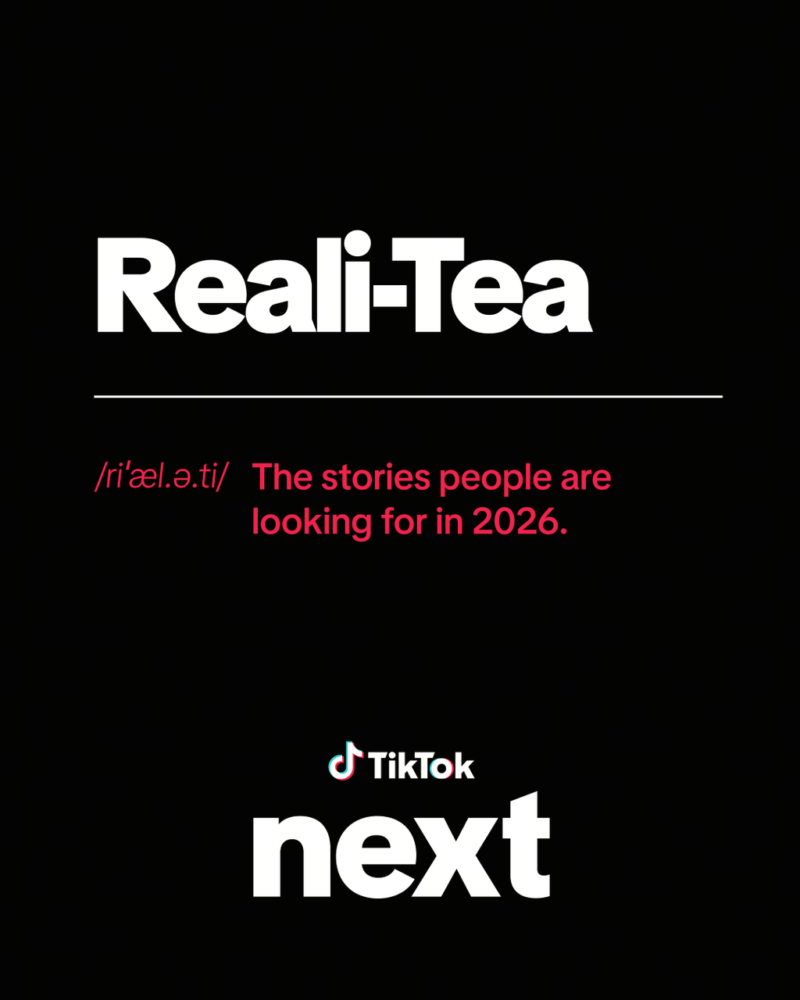
Three behavioral signals anchor the TikTok Next 2026 trend forecast.
The first, Reali-TEA, reflects a clear movement away from overly polished digital personas toward everyday honesty. Short-form video has matured beyond novelty; audiences increasingly reward content that feels unfiltered and grounded. Tourism authority Visit Abu Dhabi is cited as an example of this approach. By amplifying user-generated content through TikTok’s ad tools, the organization repurposed high-performing organic videos into paid placements while keeping the tone informal and community-driven. The strategy focused less on spectacle and more on lived experiences of travel, which helped sustain engagement without shifting into overt promotional messaging.
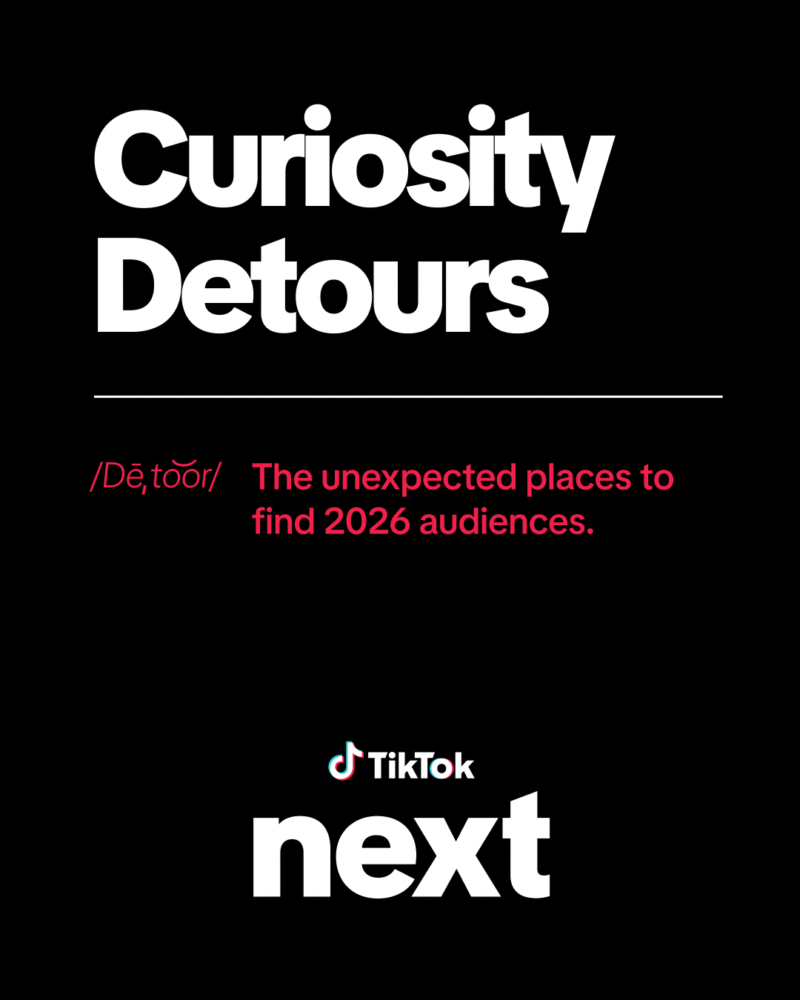
The second trend, Curiosity Detours, underscores TikTok’s evolution into a discovery engine. Users often arrive with a specific search in mind but branch into adjacent interests through comments, creators, and niche communities. Discovery is less linear than traditional search-based platforms. For marketers, this creates multiple entry points beyond core categories, but it also requires cultural fluency rather than rigid targeting.

The third signal, Emotional ROI, highlights how purchasing decisions are increasingly tied to perceived meaning and peer validation. While consumers may use AI systems for product comparisons or price checks, social platforms provide context, reviews, and shared reactions that influence final decisions. In the region, property portal Property Finder partnered with creators aligned with its audience to encourage discussion around housing choices. According to campaign results shared in the report, this approach supported higher ad recall and contributed to increased app installs, suggesting that trust-driven messaging can outperform direct response tactics alone.
The TikTok Next 2026 report also emphasizes the platform’s internal marketing and analytics ecosystem, including tools such as TikTok Market Scope and Symphony Creative Studio. These systems aim to shorten the path from insight to campaign execution, though their effectiveness ultimately depends on how well brands interpret audience behavior.
With more than one billion global users, TikTok remains a significant cultural distribution channel. The 2026 outlook suggests that growth will depend less on volume of impressions and more on relevance. For brands operating in the METAP region, the message is clear: audiences expect clarity, cultural awareness, and tangible value. The shift toward authentic discovery and emotional value is not a passing phase but part of a broader recalibration in how digital communities define relevance in 2026 and beyond.