

Meta is preparing to take the next step in monetizing Threads, confirming that advertisements will begin appearing for all users worldwide starting next week. The move marks a significant shift for the platform, which launched as an alternative to Twitter/X and has so far operated largely without ads for most of its audience.
According to a recent blog post, ads will roll out globally during the week of January 26. This expansion follows limited testing that began in select markets last year and arrives roughly two and a half years after Threads first became available. Until now, the platform’s relatively uncluttered feed has been one of its distinguishing features, especially compared to more mature social networks.
Meta says that ads on Threads will be powered by the same AI-driven advertising systems already used across its other services. As a result, users should expect ads that are personalized in a similar way to what they see on platforms like Facebook and Instagram. From Meta’s perspective, this approach allows advertisers to extend existing campaigns to Threads without building entirely new strategies, while also accelerating the platform’s path to revenue.
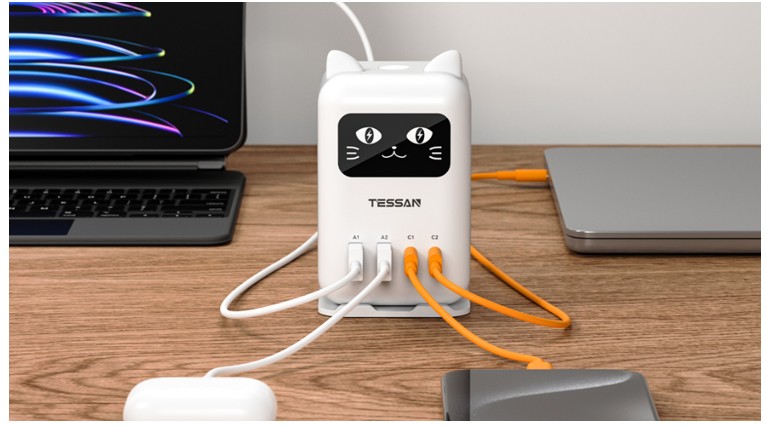
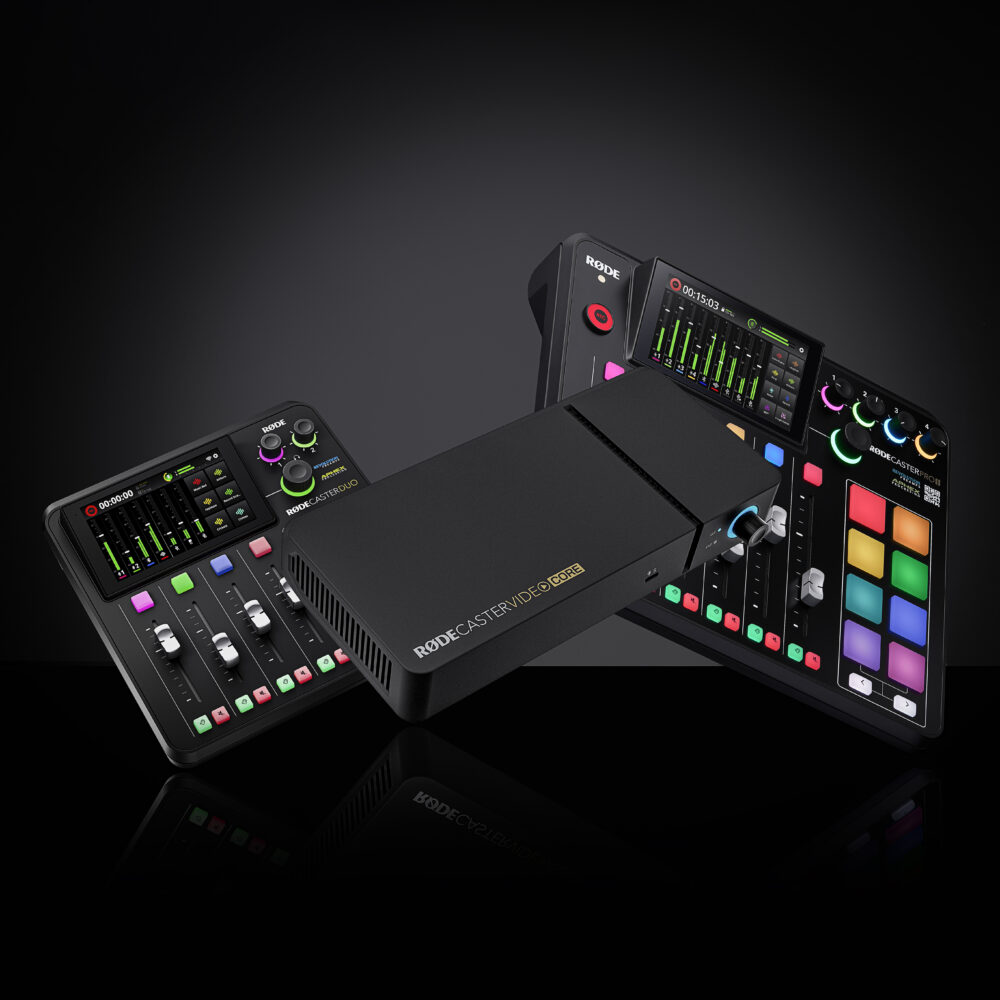
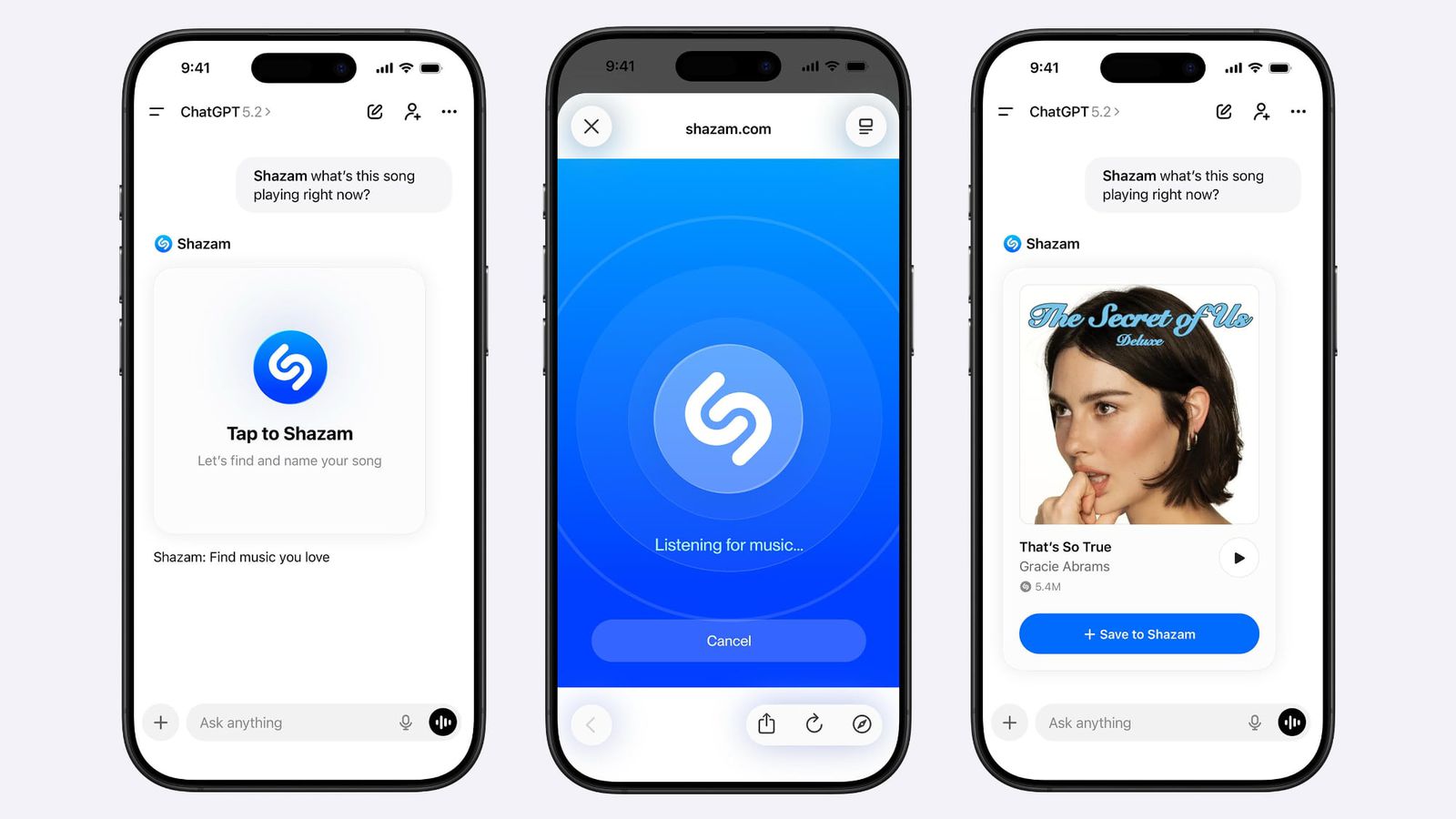
The company has indicated that multiple ad formats will be supported from the start. These include image and video ads, carousel formats, app promotion ads, and so-called Advantage+ Catalog ads, which are typically used for automated product listings. Early demo images shared by Meta were notably low in clarity, but they suggest that ads will be designed to blend into the Threads feed rather than appearing as clearly separated units.
For Meta, bringing ads to Threads is less about experimentation and more about normalization. Advertising remains the company’s primary source of revenue, and operating a large-scale social platform without ads indefinitely was never a realistic option. By relying on existing ad infrastructure, Meta reduces risk while offering advertisers another surface tied to its broader ecosystem.
For users, however, the change may alter how Threads feels day to day. The platform initially gained traction by presenting itself as simpler and less commercial than its rivals, leaning on text-first conversations and a relatively calm feed. Introducing ads, even gradually, raises questions about how crowded the experience may become over time and how aggressively content will be optimized for engagement.
Still, the rollout is not unexpected. Threads has reached a scale where monetization is a logical next step, and Meta appears intent on integrating ads without reinventing its approach. Whether users view the change as a reasonable trade-off or the beginning of a more cluttered experience will likely depend on how restrained Meta remains in the months ahead.